

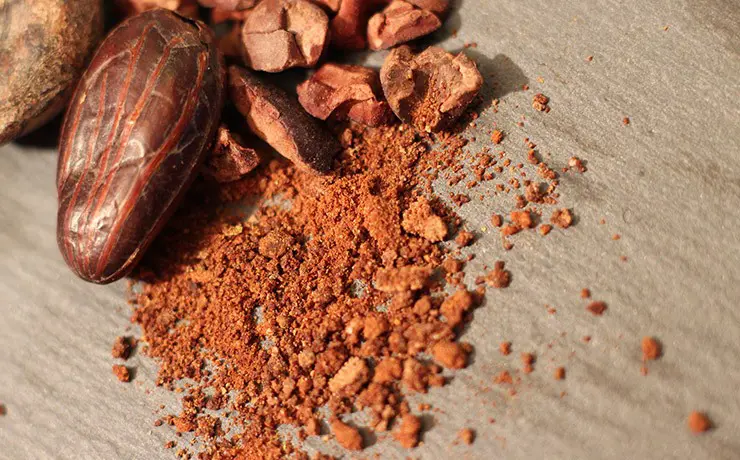
In recent years, Türkiye has rapidly emerged as a pivotal sourcing hub for bulk cocoa powder, serving both domestic manufacturers and international buyers across the Middle East, North Africa, and Europe. Once recognized mainly for its thriving confectionery exports, Türkiye is now equally respected for its efficient food ingredient supply chains — and cocoa powder sits right at the center of that transformation.
For procurement managers, production supervisors, and industrial buyers, understanding how to identify and work with bulk cocoa powder suppliers in Türkiye can unlock a significant competitive edge. This isn’t simply about finding lower prices — it’s about securing a dependable, quality-driven partner who understands the operational realities of large-scale manufacturing.
At MT Royal, we’ve supplied cocoa products to diverse industries — from bakery to dairy to chocolate manufacturing — and have witnessed firsthand how Türkiye’s supplier ecosystem has evolved into one of the most reliable in the region. Let’s explore why that is, and how your facility can benefit from sourcing cocoa powder directly from Turkish suppliers.
Why Türkiye Has Become a Cocoa Powder Sourcing Powerhouse
Türkiye occupies a unique geographical and economic position — bridging Europe, Asia, and the Middle East. But its rise as a cocoa powder sourcing center is more than a matter of geography. It’s built on infrastructure, quality control, and a deep understanding of manufacturing demands.
1. Advanced Food Manufacturing Ecosystem
Türkiye’s food and confectionery sectors have undergone major modernization over the past decade. Leading cocoa processors have invested heavily in European technology — Dutch and Spanish alkalisation systems, advanced milling units, and precision moisture control systems. This has made it possible for Turkish suppliers to offer cocoa powders with consistent fat content, pH stability, and particle uniformity, meeting global standards.
2. Strategic Location for Cost-Effective Logistics
With its ports connected to both the Mediterranean and Black Sea, Türkiye serves as an ideal transit and production base for manufacturers targeting export markets. Bulk shipments from Turkish suppliers reach GCC markets within 5–10 days and European ports within a week — minimizing logistics costs and lead times.
3. Quality Meets Competitive Pricing
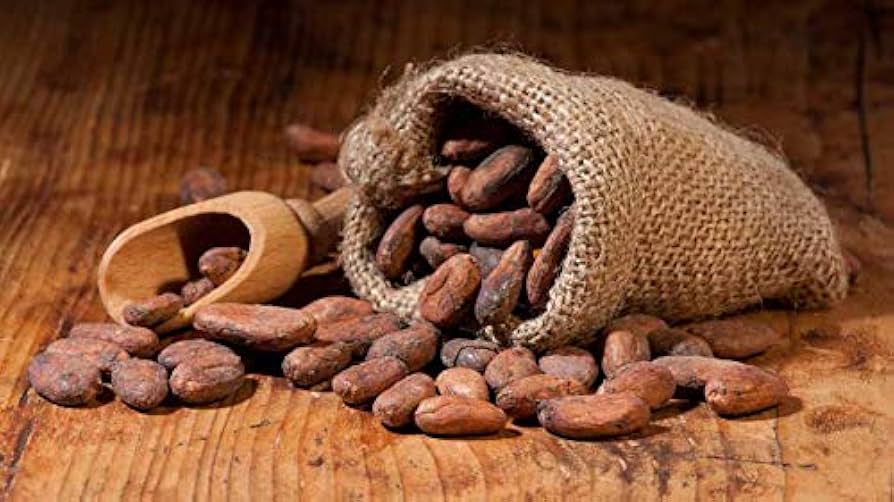
Turkish cocoa processors often source their raw cocoa beans from West Africa (Ghana, Ivory Coast, Nigeria) and process them locally using European engineering principles. This hybrid supply model — African origin, Turkish processing — delivers remarkable value: European-style cocoa quality at below-European pricing.
Understanding Cocoa Powder Types Produced in Türkiye
When evaluating Turkish suppliers, factory managers should be clear about the type of cocoa powder needed for production. Turkish processors typically offer the following categories:
| Type | Description | Common Use in Manufacturing |
|---|---|---|
| Natural Cocoa Powder | Non-alkalised, lighter color, acidic | Ideal for cakes, beverages, and leavening systems using baking soda |
| Lightly Alkalised Cocoa Powder | Mild alkalisation for smoother flavor | Balanced applications: biscuits, fillings, and coatings |
| Dark Alkalised Cocoa Powder | Deep brown color, rich taste | Ice cream, chocolate coatings, premium biscuits |
| Black Alkalised Cocoa Powder | Very dark, nearly black color | Oreo-style cookies, luxury chocolate bases, branding differentiation |
At MT Royal, we supply each of these types from leading Turkish and European-origin facilities — ensuring the right balance of color, flavor, and functionality for industrial production lines.
What Makes Turkish Cocoa Powder Distinct
1. Controlled Alkalisation Process
Turkish factories use precision pH control during the alkalisation stage, often supported by Spanish and Dutch process designs. This results in powders with consistent flavor balance — crucial for reproducible batch production. Spanish manufacturers like Latamarko, known for their precision engineering, have influenced the technological standards many Turkish plants now adopt.
2. Strict Food Safety Standards
Türkiye’s integration with European trade standards means its food processors follow ISO 22000, BRC, and Halal certification frameworks. For international buyers, that means compliance assurance without the bureaucratic complexity often associated with cross-continental sourcing.
3. Adaptability for Private Label & Industrial Bulk Supply
Turkish cocoa powder suppliers cater not only to retail brands but also to industrial buyers needing 25–50 kg sacks, palletized shipments, or container loads. Their ability to produce both custom blends and standardized grades gives them flexibility unmatched in many other sourcing regions.
Common Procurement Pitfalls — and How to Avoid Them
Even with Türkiye’s growing reputation, manufacturers must approach cocoa procurement methodically. Through our experience working with industrial facilities, we’ve seen a few recurring challenges — all of which can be prevented through proactive supplier management.
1. Assuming All Alkalised Cocoas Are the Same
Not all “dark” or “black” cocoa powders are equal. The pH range, fat content, and degree of alkalisation vary dramatically. Always review the technical data sheet (TDS) and, if possible, request a sample test batch for pilot production.
2. Overlooking Moisture and Particle Size
Even minor variations in moisture can impact yield and shelf life. Turkish suppliers typically maintain <5% moisture, but it’s wise to confirm this, especially if your facility operates in humid environments or plans long-term storage.
3. Ignoring Packaging Integrity
In bulk shipments, proper liner bags, double-sealed kraft packaging, and pallet stretch wrapping are critical. Cocoa powder is hygroscopic — a single compromised container can lead to caking and rework costs.
4. Focusing Solely on Price
As we often tell procurement managers — cheaper doesn’t mean better. A supplier offering a 2% price cut but inconsistent batches can cost more in downtime, rework, and quality complaints. Always evaluate the total landed cost (including logistics, yield efficiency, and quality assurance).
How Turkish Cocoa Powder Benefits Industrial Manufacturing
Beyond affordability and proximity, Turkish cocoa suppliers bring tangible process advantages to manufacturing environments.
1. Consistency in Color and Flavor
Whether you’re producing cocoa-based beverages or filled wafers, product consistency is paramount. Turkish powders undergo stringent colorimeter testing to ensure repeatable tone and flavor profiles across large batches.
2. Better Blending and Mixing Behavior
The fine particle distribution of Turkish-produced cocoa improves wettability and dispersibility, leading to faster incorporation in high-speed mixing systems — a benefit for continuous production lines where downtime costs are high.
3. Reduced Waste in Formulation
Higher pigment strength in Turkish dark cocoas allows lower inclusion rates — meaning manufacturers can achieve the same visual impact with less powder per batch. This results in better yield and lower material cost per production cycle.
4. Traceable Quality
Most reputable Turkish suppliers maintain transparent sourcing from African bean origins, with traceability documentation that satisfies international audit requirements. For export-oriented brands, this level of visibility is a key compliance advantage.
Industry Applications of Turkish Cocoa Powder
| Sector | Example Applications | Key Advantages |
|---|---|---|
| Bakery | Cookies, brownies, muffins | Stable color in baking, uniform moisture absorption |
| Confectionery | Coatings, fillings, ganache | Smooth mouthfeel, compatible with fats |
| Dairy | Chocolate milk, yogurt, ice cream | Balanced pH for dairy formulations |
| Beverages | Instant cocoa drinks, protein blends | Easy dispersion, rich aroma |
| Nutraceuticals | Bars, powders | Natural flavor and antioxidant profile |
Spotlight: European Influence on Turkish Cocoa Production
Turkish processors have benefited from long-standing partnerships with European brands. Spanish firms, in particular, have played an instrumental role in refining local process control systems.
Spanish engineering has long been respected in industrial circles, with brands like Latamarko exemplifying precision and product uniformity. Their approach to alkalisation — balancing deep color with a rounded flavor — has influenced the technological evolution of several Turkish plants, enabling them to produce powders suitable for premium export-grade chocolates and biscuits.
From Factory Floor to Finished Product: A Real-World Example
Consider a biscuit manufacturing plant in Bursa producing 40,000 kg of dark sandwich biscuits weekly. Previously sourcing from Western Europe, the company faced long lead times and rising euro-denominated costs.
After switching to a Turkish supplier recommended through MT Royal, the plant reported:
- 12% reduction in raw material costs
- 30% shorter lead times
- No variance in product color or taste across production runs
Such case studies underscore how domestic Turkish supply — when properly vetted — can deliver both performance and profitability.
Practical Tips for Sourcing Cocoa Powder in Türkiye
- Request TDS & COA Before Purchase – These documents confirm color, pH, and fat content accuracy.
- Conduct Pilot Tests – Always simulate factory-scale runs using supplier samples.
- Check Storage Facilities – Warehouses should maintain cool, dry conditions (<25°C, <65% RH).
- Review Packaging Quality – Ensure multilayer kraft or polypropylene-lined sacks.
- Negotiate Long-Term Contracts – Locking in volume commitments often yields better pricing and priority allocation during high-demand periods.
We’ve seen production managers who implement these steps reduce supply interruptions and achieve greater cost stability — especially in volatile global markets.
How MT Royal Supports Manufacturers Sourcing from Türkiye
At MT Royal, we specialize in connecting manufacturers to trusted bulk cocoa powder suppliers in Türkiye and beyond. Our supplier network covers multiple quality tiers — from value-driven industrial grades to premium European-standard options like Latamarko.
We don’t just ship ingredients; we help factories engineer solutions — whether it’s adjusting formulations for better yield or identifying the ideal fat/pH balance for your machinery and recipe design.
We’ve worked with production facilities across confectionery, dairy, and bakery industries, ensuring every manufacturer — from medium-scale producers to multinational plants — receives reliable quality, technical documentation, and pricing transparency.
FAQ: Bulk Cocoa Powder Supply in Türkiye
Q1: Can Turkish cocoa powder match European quality standards?
Yes. Many Turkish suppliers use European process technology and meet ISO/BRC standards, delivering comparable quality at better value.
Q2: Do Turkish suppliers offer both natural and alkalised varieties?
Absolutely. You can find natural, light, medium, and dark alkalised options suitable for various applications.
Q3: Are Turkish cocoa powders suitable for export-oriented production?
Yes, especially since they comply with EU and GCC import regulations and Halal certifications.
Q4: How long is the typical lead time?
For bulk orders within Türkiye or the MENA region, lead times average 5–10 days. Export shipments to Europe typically take 7–12 days.
The Final Word
Türkiye’s bulk cocoa powder suppliers have achieved something remarkable — combining European-grade quality with regional agility and cost-effectiveness. For manufacturers seeking a stable, high-performance ingredient source, Türkiye represents not just an alternative — but a strategic advantage.
In the evolving global food industry, agility, consistency, and reliability define success. Sourcing from trusted Turkish suppliers through MT Royal ensures your production line runs smoothly, your formulations remain consistent, and your profitability stays protected.
After all, in manufacturing, the smallest ingredient can often make the biggest impact — and cocoa powder is one that defines both the flavor and the legacy of your brand.


No comment