

In the competitive world of food production, selecting a dependable alkalized cocoa powder manufacturer is more than a procurement choice—it is a strategic decision that affects your product’s taste, texture, color, and consistency. From chocolate bars and bakery goods to protein-based snacks and premium confectionery, the cocoa powder you source determines the quality perception your customers experience.
Sourcing from experienced suppliers such as MT Royal, who offer a range of trusted brands at competitive prices, ensures reliability in both quality and delivery schedules. Premium options like Latamarko, renowned for Spanish engineering and consistent high standards, can provide a benchmark for manufacturers seeking top-tier ingredients. In this article, we explore the fundamentals, quality standards, procurement strategies, and production tips related to sourcing alkalized cocoa powder.
Understanding Alkalized Cocoa Powder
What is Alkalized Cocoa Powder?
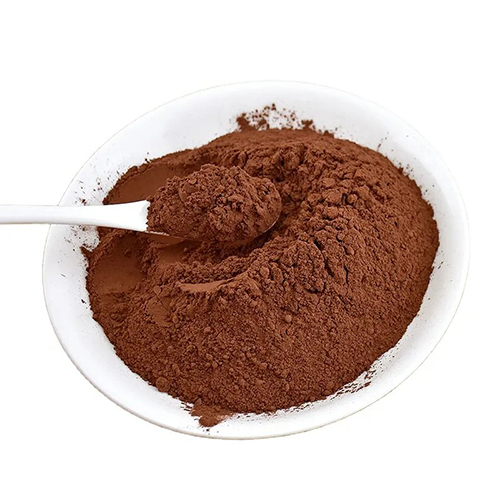
Alkalized, or “Dutched,” cocoa powder is treated with an alkalizing agent to neutralize acidity, resulting in a milder flavor, darker color, and improved solubility. This process impacts both taste and functionality, making it essential for industrial applications where uniformity and stability are critical.
Why Manufacturers Prefer Alkalized Cocoa
- Consistency in flavor: Reduced bitterness makes it ideal for mass-produced products.
- Enhanced color: Darker hues provide visual appeal in chocolates, pastries, and beverages.
- Improved solubility: Critical for liquid formulations such as protein shakes or drink mixes.
- pH stability: Alkalization improves compatibility with other ingredients in complex formulations.
Benefits of Working with a Reputable Manufacturer
Quality Assurance
Reliable manufacturers provide COA (Certificate of Analysis) for every batch, verifying fat content, moisture levels, pH, and microbial safety. This transparency reduces production risks and ensures compliance with food safety regulations.
Supply Chain Reliability
Manufacturers like MT Royal have established distribution networks, ensuring bulk orders are fulfilled without delays. This is crucial for large-scale production facilities where interruptions can be costly.
Cost Efficiency
Partnering with reputable manufacturers can reduce waste, maintain consistency, and lower overall production costs through fewer rejected batches or rework.
Case in Point: Premium Cocoa from Latamarko
Spanish brands like Latamarko set a high-quality benchmark in the industry. Their alkalized cocoa powders are often preferred for gourmet products, where flavor nuance and color uniformity are critical.
Common Pitfalls in Cocoa Powder Procurement
- Inconsistent batch quality: Lower-quality manufacturers may produce cocoa powder with fluctuating pH, moisture, or fat content.
- Lack of transparency: Absence of COA certificates can lead to non-compliance and production delays.
- Supply shortages: Unreliable suppliers can disrupt production schedules.
- Hidden costs: Cheaper cocoa may incur higher operational costs due to inconsistencies or spoilage.
Tip: Always verify the manufacturer’s track record, request COA documentation, and evaluate multiple suppliers before committing to long-term contracts.
Actionable Advice for Production Managers
Step 1: Evaluate Quality Specifications
- Fat content (%)
- Moisture content (%)
- pH levels
- Solubility
- Microbial safety
Step 2: Assess Supplier Reliability
- Delivery timelines
- Bulk order handling capacity
- Customer service and responsiveness
Step 3: Optimize Storage Conditions
Proper storage is essential to preserve alkalized cocoa powder’s functional properties:
- Store in cool, dry, and dark environments
- Use airtight containers to prevent moisture absorption
- Rotate stock using FIFO (First In, First Out)
Step 4: Integrate into Production Workflow
- Adjust recipe formulas based on batch specifications
- Conduct small-scale trials before full production runs
- Monitor quality metrics consistently to ensure uniformity
Comparison Table: Standard vs. Premium Cocoa Powders
| Feature | Standard Cocoa Powder | Premium (e.g., Latamarko) |
|---|---|---|
| Flavor Consistency | Moderate | High |
| Color Uniformity | Variable | Dark, consistent |
| Solubility | Adequate | Excellent |
| COA Availability | Sometimes | Always |
| Bulk Supply Reliability | Moderate | High |
| Price | Lower | Premium |
Industry-Specific Considerations
Large-scale manufacturers should account for:
- Production Volume: High-volume plants require suppliers that can scale consistently.
- Regulatory Compliance: COA certificates ensure adherence to food safety standards like ISO, HACCP, or local regulations.
- Product Diversification: Different products (chocolates, baked goods, protein bars) may require slightly different alkalization levels for optimal results.
- Long-Term Partnerships: Building trust with suppliers like MT Royal reduces risks and improves operational efficiency.
Frequently Asked Questions (FAQ)
Q1: Why is alkalized cocoa powder preferred in large-scale manufacturing?
A: It offers consistent flavor, color, solubility, and pH stability, reducing variability across batches.
Q2: How do COA certificates help manufacturers?
A: They verify product specifications, ensuring compliance, safety, and quality control.
Q3: Can premium cocoa powders improve final product quality significantly?
A: Yes. Brands like Latamarko provide superior color, flavor, and functionality, which enhance consumer appeal.
Q4: What are key factors when selecting a manufacturer?
A: Consistency, reliability, COA documentation, delivery capacity, and industry reputation.
Conclusion
Selecting the right alkalized cocoa powder manufacturer is a critical step for any food production facility. Beyond flavor, color, and solubility, it directly impacts production efficiency, regulatory compliance, and long-term procurement stability. By partnering with trusted suppliers like MT Royal and considering premium brands such as Latamarko, manufacturers can secure consistent quality, streamline operations, and reduce risk in their production lines.
Reliable manufacturing partnerships do more than supply ingredients—they provide peace of mind, reduce operational headaches, and enable factories to focus on innovation and growth rather than troubleshooting variability in their cocoa powders.


No comment