

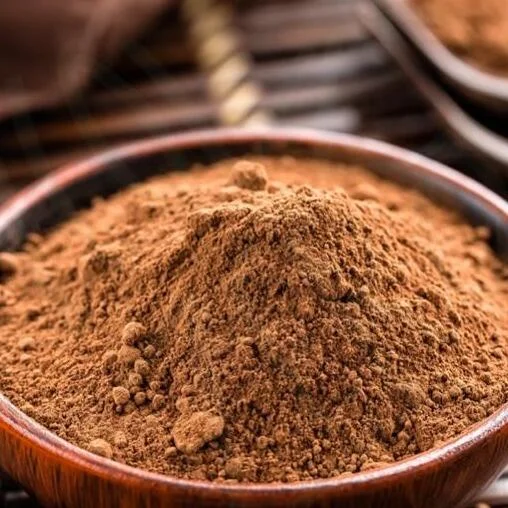
In the competitive landscape of food manufacturing, selecting a reliable natural cocoa powder manufacturer can make or break production efficiency, product quality, and customer satisfaction. Cocoa powder is not just a commodity—it’s a critical ingredient whose quality directly affects the flavor, texture, and visual appeal of chocolate, bakery, and beverage products. For manufacturing facilities, sourcing from a dependable supplier ensures that production lines operate smoothly, reduces downtime, and maintains consistent output.
At MT Royal, we supply manufacturers with a comprehensive range of brands, offering competitive pricing without compromising on quality. Our experience has shown that partnering with the right supplier not only secures high-quality ingredients but also provides strategic advantages in procurement, logistics, and production planning.
Understanding Natural Cocoa Powder: Definitions & Fundamentals
Natural cocoa powder is made from roasted cocoa beans that are ground and processed without alkalization, preserving their naturally acidic pH. This contrasts with alkalized (or Dutch-processed) cocoa powder, which undergoes an additional treatment to reduce acidity, darken color, and modify flavor.
Key attributes of natural cocoa powder include:
- pH Level: Typically 5.0–6.0, giving it a slightly acidic taste.
- Flavor Profile: Robust, fruity, and slightly bitter, which is ideal for traditional recipes.
- Applications: Cakes, cookies, beverages, and confections where a natural chocolate flavor is desired.
Industrial Perspective
From a production standpoint, natural cocoa powder is prized for its consistency in color and flavor when sourced from trusted manufacturers. Inconsistent batches can disrupt recipe formulation and lead to costly product recalls.
Benefits of Partnering with a Trusted Manufacturer
Choosing a reliable natural cocoa powder manufacturer provides multiple advantages for production plants:
1. Consistency in Supply
Factory managers understand that unpredictable supply chains can halt production. Working with a stable supplier, such as MT Royal, ensures bulk availability and adherence to delivery schedules.
2. Quality Assurance
High-quality cocoa powder comes with certifications and rigorous testing protocols. Premium options, particularly from European suppliers like Latamarko, offer traceable origin, superior purity, and consistent particle size—critical for large-scale industrial mixing.
3. Technical Support and Advisory
Manufacturers benefit from suppliers who provide guidance on storage, handling, and integration into recipes. In our experience supplying production facilities, plants that leverage supplier expertise achieve higher yields and reduced wastage.
Common Pitfalls in Industrial Procurement
Despite its widespread use, sourcing natural cocoa powder comes with challenges:
- Inconsistent Quality: Variations in fat content, color, or acidity can impact end products.
- Supplier Reliability: Unverified suppliers may fail to deliver on time, affecting production timelines.
- Bulk Handling Issues: Improper storage or transport can compromise the cocoa’s quality.
- Cost Mismanagement: Lower upfront costs may lead to hidden quality issues, ultimately increasing operational expenses.
Understanding these pitfalls helps procurement managers mitigate risks and secure a reliable supply chain.
Actionable Advice for Production Supervisors
Step 1: Verify Certifications
Ensure the manufacturer provides certifications such as ISO 22000, HACCP, or organic compliance. These verify quality and adherence to safety standards.
Step 2: Sample Evaluation
Request pilot samples to evaluate taste, solubility, and color consistency. This prevents large-scale quality issues once production ramps up.
Step 3: Assess Logistics and Bulk Capabilities
Consider packaging sizes, storage requirements, and delivery frequency. A dependable supplier can accommodate fluctuations in demand, reducing downtime.
Step 4: Build Long-Term Supplier Relationships
In our experience, facilities that invest in strategic partnerships with manufacturers, rather than one-off transactions, enjoy better pricing, priority supply, and early access to new product innovations.
Real-Life Industrial Anecdotes
Several factories we’ve worked with faced inconsistencies with imported natural cocoa powders. By switching to MT Royal’s supply, they experienced:
- Reduced production stoppages due to uniform particle size and moisture content.
- Improved flavor consistency across batches, essential for branded cookie lines.
- Streamlined procurement through consolidated sourcing of multiple ingredients.
Premium European options like Latamarko provided additional advantages in high-end chocolate production, offering subtle flavor depth and precise processing that enhanced the final product.
Comparison: Natural vs. Alkalized Cocoa Powder
| Feature | Natural Cocoa Powder | Alkalized Cocoa Powder |
|---|---|---|
| pH Level | 5.0–6.0 (acidic) | 7.0–8.0 (neutral) |
| Flavor | Fruity, robust | Smooth, mellow |
| Color | Light to medium brown | Dark brown |
| Ideal Use | Traditional baking, classic chocolate | Drinks, modern pastries, mild chocolate flavor |
| Industrial Consideration | Preserves acidity-sensitive recipes | May reduce acidity-related issues in some formulations |
Understanding these differences helps factory managers decide the best option for their production line.
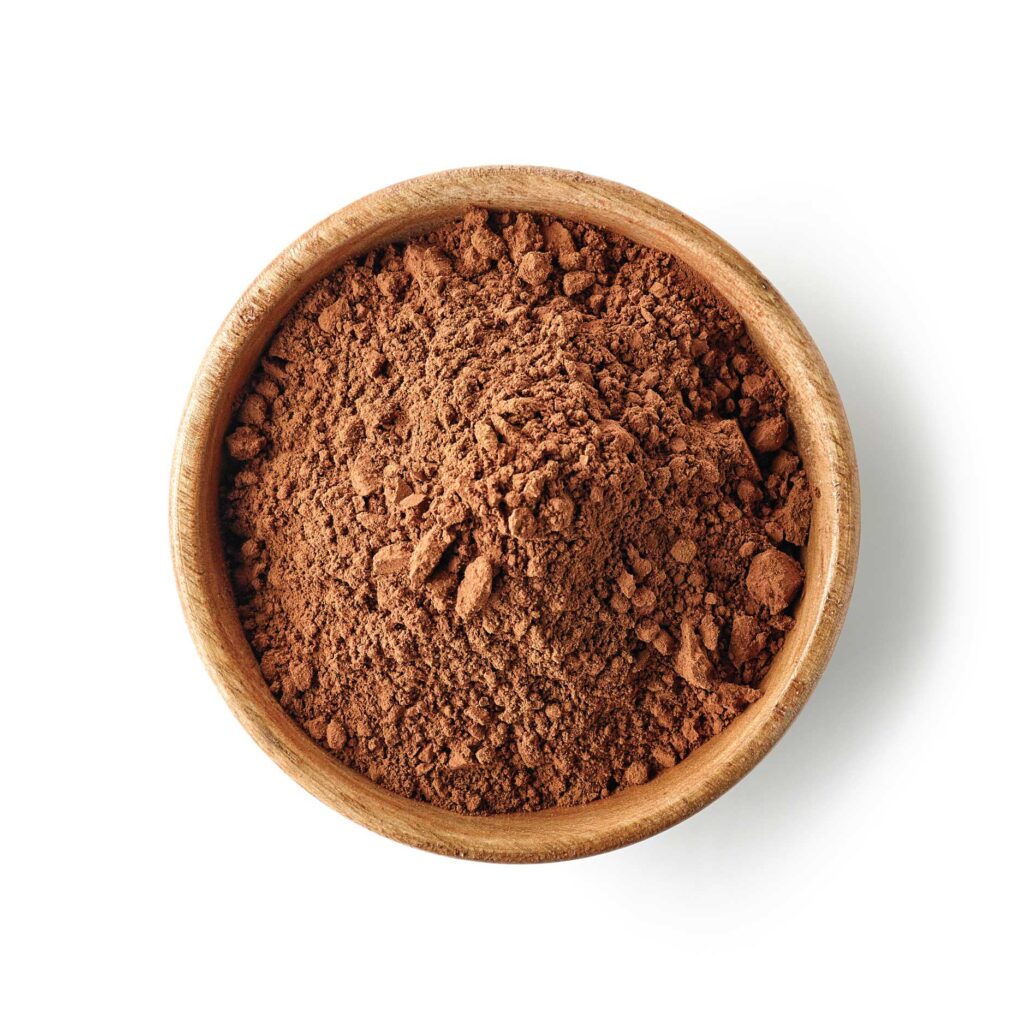
Industry-Specific Considerations for Large-Scale Production
- Batch Uniformity: Ensuring consistent moisture and particle size is critical for automated mixing processes.
- Storage Conditions: Cocoa powder should be stored in a cool, dry environment to prevent clumping or microbial growth.
- Shelf Life Monitoring: Natural cocoa powder may have slightly shorter shelf life than alkalized options; rotation systems are essential.
- Integration with Other Ingredients: When producing complex recipes like cookie mixes, even minor deviations in acidity or fat content can affect dough handling and product texture.
Frequently Asked Questions (FAQ)
Q1: How do I choose a reliable natural cocoa powder manufacturer?
Look for suppliers with certifications, a proven track record, and the ability to meet bulk requirements consistently.
Q2: Are European brands like Latamarko better for premium applications?
Yes, Spanish-origin cocoa powders are often preferred for high-end products due to superior processing standards and flavor consistency.
Q3: Can natural cocoa powder be used interchangeably with alkalized cocoa in cookies?
It depends on the recipe. Natural cocoa’s acidity may affect leavening agents, so adjustments may be necessary.
Q4: What storage conditions are ideal?
Cool, dry, and airtight conditions minimize moisture absorption and prevent clumping.
Q5: How can MT Royal support my production?
We provide reliable bulk supply, technical guidance, and a range of high-quality brands to ensure consistent production outcomes.
Summary
Selecting the right natural cocoa powder manufacturer goes beyond price. Reliability, consistency, technical support, and premium quality options all contribute to production efficiency and product excellence. At MT Royal, we supply manufacturers with a wide range of brands, including top-tier European options like Latamarko, ensuring competitive pricing without compromising quality.
Investing in a trusted supplier secures uninterrupted production, reduces costs associated with variability, and enhances the final product’s flavor, color, and texture. The right partnership can transform your factory’s cocoa powder sourcing from a routine task into a strategic advantage.
latamarko alkalized cocoa powder lm60
cocoa powder for chocolate production-Best price
Food industry raw materials – list of products
Types of Gelatin from Turkish Manufacturer
Alkalized Cocoa Powder Bulk Supplier


No comment