

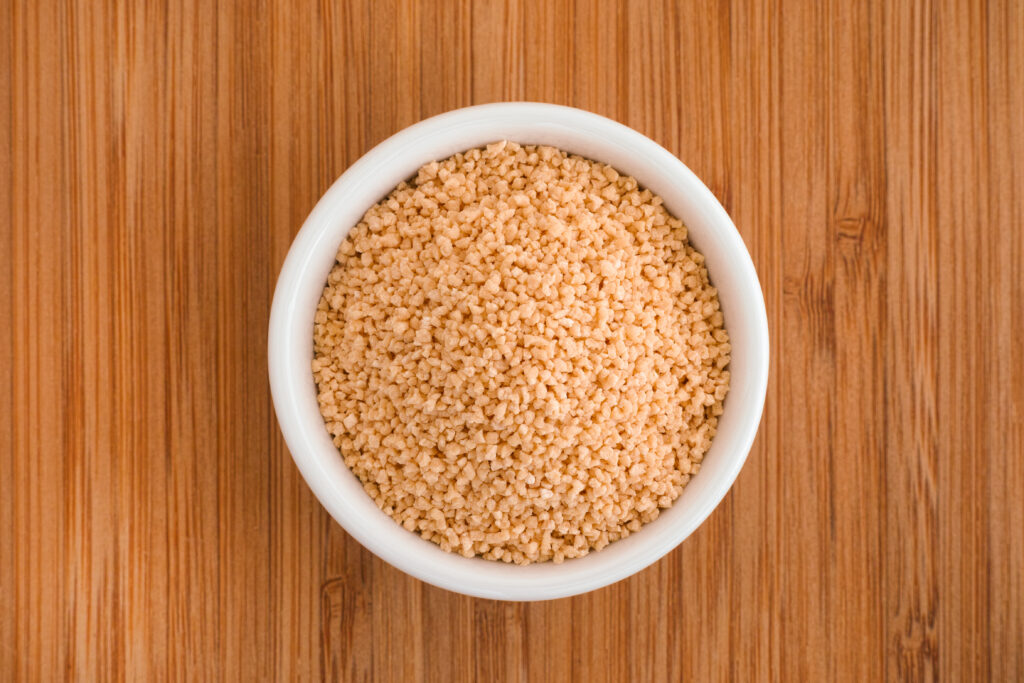
Choosing the right lecithin supplier can make a measurable difference to your factory’s product quality, production efficiency, and purchasing costs. For manufacturers in the food, bakery, confectionery, pharmaceutical, and animal feed industries, lecithin is more than a functional ingredient: it influences how formulations mix, how products maintain their texture, and how reliably production lines operate. Working with a dependable supplier such as MT Royal gives manufacturers access to multiple brands at competitive prices, helping procurement teams balance technical requirements with commercial priorities.
The challenge is that lecithin products are not interchangeable in every application. Their source, composition, physical form, processing method, and functional performance can vary considerably. A product that works well in chocolate manufacturing may not be the best choice for an instant beverage powder or a pharmaceutical formulation. Selecting a supplier solely because of a low quotation can therefore lead to inconsistent batches, production adjustments, or costs that were never visible on the original purchase order.
Understanding why choosing the right lecithin supplier matters helps you make decisions based on performance, consistency, and long-term value rather than price alone.
What Is Lecithin, and Why Is It Important in Manufacturing?
Lecithin is a mixture of naturally occurring phospholipids and other lipids, commonly obtained from soybeans, sunflower seeds, or egg yolks. In industrial applications, it is widely used as an emulsifier, dispersing agent, wetting agent, and processing aid.
Its primary function is to help manage the interaction between ingredients that would otherwise be difficult to combine or process consistently. Depending on the formulation, lecithin can improve the distribution of fats and water, support powder dispersion, influence viscosity, and facilitate more efficient mixing.
For manufacturers, these functions have direct operational consequences.
- Food production: Lecithin supports emulsification, dough handling, chocolate flow, and ingredient dispersion.
- Confectionery: It can help manage viscosity and improve processing behavior in chocolate and compound coatings.
- Bakery: Certain lecithin products support dough machinability, crumb structure, and product consistency.
- Powder processing: Suitable grades can improve wetting and dispersion in instant drinks and powdered food formulations.
- Pharmaceutical and nutraceutical manufacturing: Lecithin may serve as a formulation ingredient, subject to the product’s required grade and applicable regulations.
- Animal nutrition: Lecithin can contribute functional lipid components and support processing in selected feed applications.
The appropriate grade depends on the intended use. Lecithin should not be treated as a universal additive with identical behavior across all products.
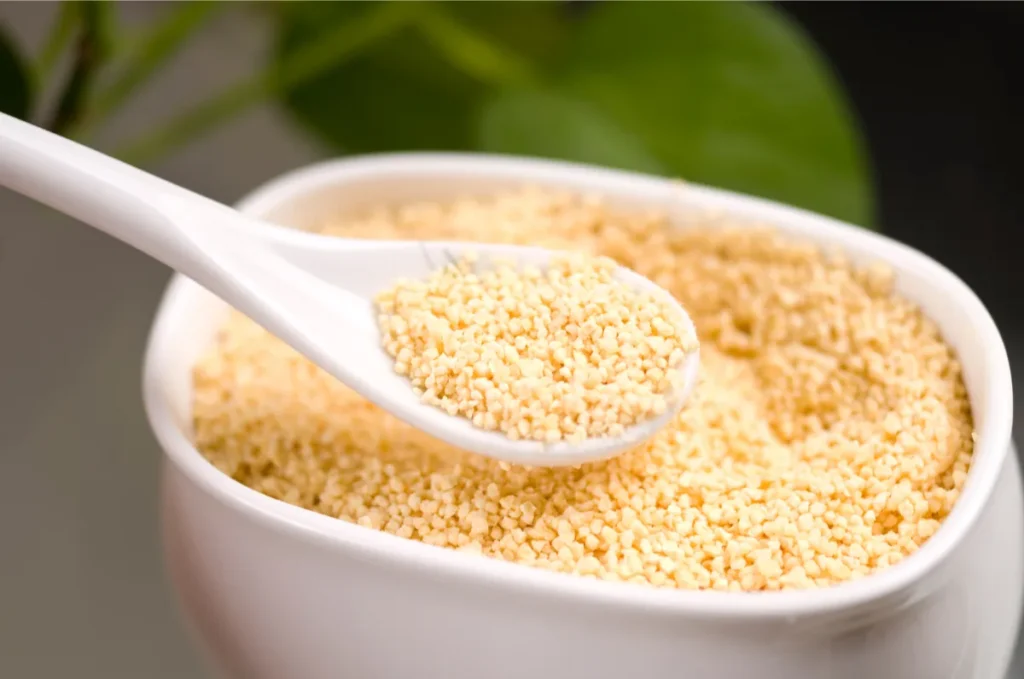
Why Choosing the Right Lecithin Supplier Matters
A supplier influences more than the availability of raw materials. Its product portfolio, quality documentation, technical support, and supply reliability can affect multiple stages of your manufacturing operation.
1. Consistent Product Quality Across Batches
Manufacturing depends on repeatability. If the lecithin used in one production batch behaves differently from the next, operators may need to modify mixing times, temperatures, dosage rates, or other process parameters.
Changes in phospholipid composition, moisture, viscosity, color, and physical form can influence lecithin performance. Even when two products share the same general description, their suitability for a specific formulation may differ.
A reliable lecithin supplier should provide a defined product specification and a certificate of analysis for relevant batches. These documents help your quality team verify whether incoming material meets agreed acceptance criteria.
At MT Royal, the practical value of a multi-brand sourcing approach is that manufacturers can assess suitable alternatives against their actual specifications rather than assuming that one product fits every production requirement.
2. Better Control of Total Procurement Costs
The cheapest quotation is not always the least expensive purchasing decision.
Imagine that a factory buys a lower-priced lecithin that requires a higher dosage to achieve the same processing performance. If the product also creates longer mixing cycles or more frequent adjustments, the initial savings can disappear quickly.
A more useful comparison considers the total cost of use:
- Purchase price per kilogram
- Effective dosage in the formulation
- Freight, insurance, and import-related charges
- Storage and handling requirements
- Production efficiency and energy consumption
- Quality testing and rejection costs
- Risk of downtime or delayed deliveries
For example, a small price difference per kilogram may be commercially insignificant if one product performs consistently at a lower dosage. Conversely, paying a premium for a specialized grade may be unnecessary when a standard product already meets the required performance criteria.
We recommend comparing suppliers using a common technical specification and an agreed cost-per-unit-of-production calculation. This gives purchasing teams a more realistic basis for negotiation.
3. Reliable Supply and Fewer Production Interruptions
A lecithin shortage can affect an entire production schedule, particularly when the ingredient is essential to the formulation or when switching grades requires additional validation.
Supplier reliability involves several factors: stock availability, lead times, shipment planning, communication, and the ability to manage unexpected demand. It also includes transparency about product origin and any changes that may affect supply continuity.
A supplier offering multiple brands can provide more sourcing flexibility, although alternative products must still be technically qualified before use. A substitute that arrives quickly but fails your production trial is not a real solution.
MT Royal can be considered within a sourcing strategy that evaluates brand alternatives, competitive pricing, and supply requirements together. The objective is to build a procurement plan that protects production rather than relying on emergency purchasing.
Understanding the Main Types of Industrial Lecithin
Before comparing suppliers, your team should establish which lecithin type best suits the application.
Soy Lecithin
Soy lecithin is widely used in food manufacturing because of its established availability and broad range of applications. It is commonly available in liquid and powder forms, depending on processing and formulation requirements.
It can be suitable for chocolate, bakery products, margarine, sauces, and various processed foods. However, manufacturers must consider allergen management, customer requirements, ingredient declarations, and applicable regulations.
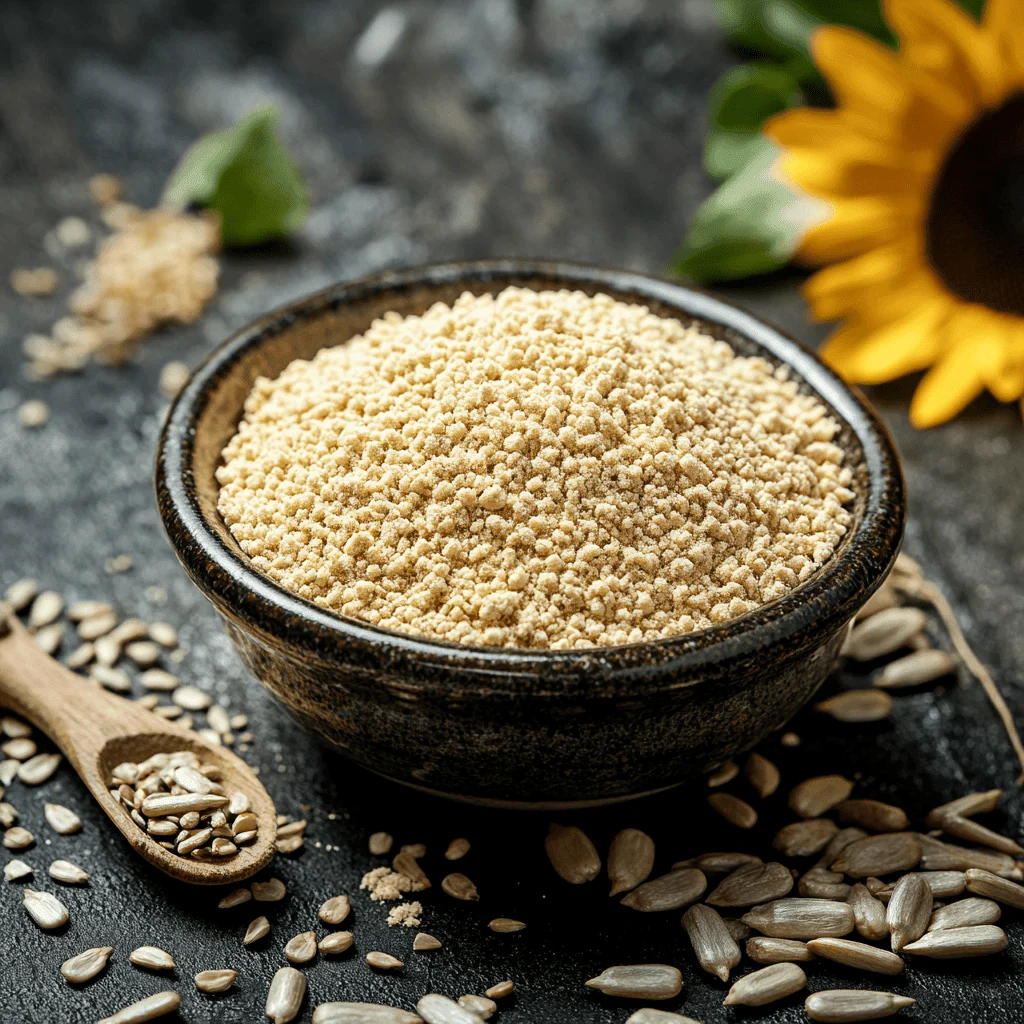
Sunflower Lecithin
Sunflower lecithin is an alternative for manufacturers seeking to avoid soy-derived ingredients or meet specific customer preferences. It is available in different forms and may be suitable for confectionery, supplements, and selected food formulations.
It should not automatically be assumed to be functionally identical to soy lecithin. Differences in composition, physical characteristics, and processing can affect performance, so application testing remains important.
Liquid Lecithin
Liquid lecithin is often convenient for systems that already handle liquid fats or require an ingredient that can be pumped or blended into a formulation.
Its viscosity and handling characteristics can influence dosing accuracy, tank temperature requirements, and mixing efficiency. Your factory should verify the supplier’s recommended storage and handling conditions rather than relying on general assumptions.
Powdered or Granulated Lecithin
Powdered and granulated lecithin products may be useful in dry blends, instant products, and applications where liquid handling is inconvenient.
The important distinction is that powder form alone does not guarantee rapid dispersion or instant solubility. Particle characteristics, carrier materials, production method, and formulation conditions can all affect performance.
Standard, De-oiled, and Modified Lecithin
Standard liquid lecithin, de-oiled lecithin, and modified lecithin products may serve different technical purposes. De-oiled products contain less neutral oil relative to conventional lecithin, while modified grades may be processed to alter their functional behavior.
The correct selection depends on the application, not simply on which product has the highest phospholipid concentration or the most sophisticated description.
What to Evaluate When Selecting a Lecithin Supplier
A structured supplier evaluation reduces the risk of choosing a product that looks attractive on paper but performs poorly on the production floor.
Quality Specifications and Documentation
Ask for a current technical data sheet, certificate of analysis, safety data sheet where applicable, and relevant regulatory documentation.
Depending on the application, the specification may address:
- Phospholipid content or another appropriate compositional measure
- Moisture and volatile matter
- Viscosity and physical appearance
- Acid value and peroxide value, where relevant to the product
- Residual proteins or allergen-related information, where required
- Microbiological criteria for the intended application
- Shelf life, packaging, and recommended storage conditions
- Origin, traceability, and batch identification
Not every parameter applies equally to every lecithin type. Your quality team should establish which limits matter for the product and process, rather than accepting a generic specification that does not reflect operational needs.
Certifications and Regulatory Compliance
Food manufacturers may require evidence of compliance with applicable food legislation, allergen controls, and recognized food safety management systems. Pharmaceutical and nutraceutical manufacturers may have additional requirements tied to their intended use and quality systems.
Do not assume that a certificate automatically makes a lecithin suitable for every market or application. Check its scope, validity, issuing organization, and relationship to the actual manufacturing site and product.
A supplier should also communicate material changes that could affect compliance, such as changes in origin, manufacturing process, composition, or documentation status.
Technical Support and Responsiveness
A useful supplier relationship includes the ability to resolve practical questions. Can the supplier clarify the difference between two grades? Can it provide the documents needed for an internal approval process? Can it communicate a change in availability before the production schedule is affected?
Technical support becomes especially important when a factory is introducing a new formulation, troubleshooting an existing product, or evaluating a replacement for a discontinued ingredient.
When sourcing through MT Royal, manufacturers can assess the available brand options against their technical requirements and commercial priorities. The most suitable choice should be based on documented product characteristics and application trials, not supplier claims alone.
Common Mistakes in Industrial Lecithin Sourcing
Several procurement mistakes can create avoidable costs and quality problems.
Choosing by Price Without Comparing Specifications
Two quotations may use the same ingredient name but refer to products with different physical properties, composition, or intended applications. Comparing prices without comparing specifications can therefore produce a misleading result.
Better practice: Standardize the technical requirements before requesting quotations. If suppliers propose alternatives, document the differences and assess their impact.
Assuming Soy and Sunflower Lecithin Are Interchangeable
Both can perform emulsifying functions, but the choice may influence labeling, allergen controls, cost, availability, and formulation performance.
Better practice: Conduct a controlled trial before changing the source. Review the complete formulation and customer requirements, not only the lecithin line in the bill of materials.
Ignoring Storage and Handling
Lecithin performance can be affected by unsuitable storage conditions, contamination, packaging damage, or prolonged exposure to conditions that accelerate deterioration.
Better practice: Follow the product-specific storage guidance, maintain sealed packaging when appropriate, and apply stock rotation using batch and shelf-life information.
Approving a Sample Without Validating Production Performance
A small laboratory sample may perform well under ideal conditions but behave differently in a full-scale process. Large production equipment introduces different mixing dynamics, temperature profiles, and dosing challenges.
Better practice: Use a staged qualification process that progresses from laboratory evaluation to a controlled production trial before full approval.
Depending on a Single Source Without a Contingency Plan
Single sourcing can simplify administration, but it may expose the factory to longer recovery times if supply is interrupted.
Better practice: Evaluate backup products and suppliers before a disruption occurs. Maintain approved alternatives where commercially and technically justified.
Specialized Tips for Large-Scale Manufacturing
Industrial lecithin procurement benefits from close coordination between purchasing, production, quality assurance, and product development.
Establish a Performance-Based Specification
A good specification should describe more than the ingredient’s name. It should define measurable acceptance limits and identify the characteristics that matter to your process.
For instance, a chocolate manufacturer may focus on viscosity-related performance and compatibility with the recipe, while a dry-mix producer may prioritize dispersion and handling behavior. A specification should reflect those differences.
Validate Dosage and Mixing Conditions
Lecithin performance depends on formulation, temperature, addition sequence, mixing intensity, and other process variables. An unsuitable addition method can create problems that are incorrectly attributed to the ingredient itself.
Run controlled trials that change one major variable at a time. Record dosage, processing conditions, product quality results, and any effect on cycle time. This creates evidence that operators can use when troubleshooting future batches.
Track Supplier Performance With Practical KPIs
Procurement teams can monitor supplier performance using indicators such as:
- On-time, in-full delivery rate
- Batch acceptance rate
- Frequency of specification deviations
- Average lead time and lead-time variability
- Response time for quality or documentation requests
- Total delivered cost and price stability
These measures help distinguish a supplier with consistently strong service from one that performs well only when conditions are favorable.
Plan Inventory Around Lead-Time Risk
Inventory requirements should reflect actual consumption, replenishment variability, shelf life, storage capacity, and the cost of a production interruption. Keeping excessive stock can tie up working capital and increase the risk of aging material; keeping too little can expose the factory to supply disruption.
Where practical, establish reorder points using historical demand and realistic lead-time assumptions. Review them whenever demand, transport conditions, or supplier availability changes materially.
Monitor Emerging Formulation and Supply Trends
Manufacturers are paying increasing attention to ingredient traceability, allergen management, sustainability claims, and the resilience of agricultural supply chains. Interest in sunflower-derived alternatives may also arise from customer preferences or product-positioning requirements.
However, a sustainability claim should be supported by relevant evidence, and a change in lecithin source should be validated technically. Neither a newer ingredient trend nor a favorable marketing claim removes the need for process testing.
How MT Royal Fits Into a Practical Sourcing Strategy
For manufacturers comparing lecithin suppliers, the objective is to find a product that meets technical requirements at a commercially sensible cost while remaining available when production needs it.
MT Royal offers access to multiple brands at competitive prices, making it a potential sourcing partner for procurement teams comparing options across product specifications and budgets. The value of this approach lies in evaluating suitable alternatives without losing sight of quality and operational compatibility.
Before placing a bulk order, define the application, required lecithin type, expected consumption, packaging preference, documentation requirements, and delivery schedule. Ask for the relevant specifications and confirm the commercial terms, including lead time and shelf life at delivery.
We have found that clear communication between procurement and technical teams makes supplier comparisons more useful. When both teams agree on what the product must achieve, price negotiations become more meaningful and qualification decisions become easier to defend.
The best supplier relationship is not necessarily the one with the most products or the lowest quoted price. It is the one that consistently meets your factory’s requirements and communicates clearly when conditions change.
Frequently Asked Questions About Lecithin Suppliers
How do I choose the best lecithin supplier for my factory?
Start by defining your application and technical specifications. Compare product documentation, batch consistency, delivery performance, regulatory suitability, technical support, and total cost of use. Request samples and conduct controlled trials before approving a supplier for routine production.
Is sunflower lecithin better than soy lecithin?
Neither is universally better. Sunflower lecithin may suit formulations with specific ingredient preferences or soy-related requirements, while soy lecithin is widely used across many established food applications. The appropriate choice depends on functionality, labeling, cost, availability, and trial results.
What documents should a lecithin supplier provide?
Common documents include a technical data sheet, certificate of analysis, and safety data sheet where applicable. Depending on the product and market, you may also need allergen information, food safety documentation, origin and traceability records, and evidence of relevant regulatory compliance.
Why does lecithin quality vary between suppliers?
Differences can arise from raw material source, processing methods, composition, moisture, physical form, storage, and quality control. Products with similar names may therefore behave differently in the same formulation.
Can I change lecithin suppliers without changing my formulation?
Sometimes, but a direct substitution should not be assumed to work. Compare the specifications and validate the replacement through laboratory and production trials. Even small changes in functional behavior can affect viscosity, dispersion, texture, or processing conditions.
How should industrial lecithin be stored?
Follow the specific supplier’s instructions for the product form and grade. Keep material in suitable, clean storage conditions, protect packaging from damage and contamination, monitor shelf life, and maintain traceability. Liquid and powdered products may have different handling requirements.
Is the lowest lecithin price the best purchasing option?
Not necessarily. A lower purchase price may be offset by higher dosage, more difficult processing, inconsistent quality, or delivery problems. Evaluate the total cost per unit of finished production and include quality and supply risks in the comparison.
Make Your Lecithin Sourcing Decision Count
Lecithin is a relatively small ingredient in many formulations, but its influence can extend across product quality, processing efficiency, and manufacturing costs. A poorly matched grade can complicate a production line; a well-qualified product can support consistent output and more predictable operations.
That is why choosing the right lecithin supplier matters. Define your technical requirements, compare products using reliable documentation, validate alternatives under realistic production conditions, and evaluate suppliers on the performance they deliver over time. MT Royal can be part of that process by providing access to multiple brands at competitive prices, helping your team assess available options against its specific needs.
The strongest purchasing decision is the one that still makes sense after the ingredient reaches your factory, passes quality control, and performs reliably in production.


No comment