

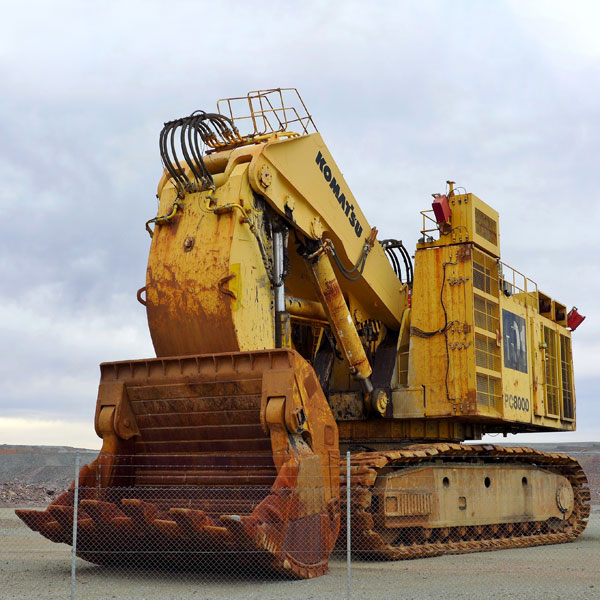
Sourcing high-quality mining machines for import is a critical factor for manufacturers and mining operators seeking efficiency, reliability, and operational scalability. Whether your factory focuses on metal extraction, aggregate production, or mineral processing, integrating the right machinery into your operations directly affects production output, safety, and long-term profitability.
At MT Royal, we have extensive experience collaborating with factories and mining operations worldwide, ensuring they access durable, compliant, and cost-effective mining machines. Our insight into international suppliers and industrial standards has shown that the right procurement strategy can transform production efficiency while mitigating logistical, technical, and regulatory risks. This article provides an in-depth exploration of mining machines for import, offering actionable guidance for procurement teams and factory managers to make informed, strategic decisions.
Understanding Mining Machines for Import
Definition and Scope
A mining machine for import refers to any heavy-duty equipment manufactured internationally and brought into a country for industrial use in mining operations. These machines vary widely depending on mining type, material handled, and production scale. Common categories include:
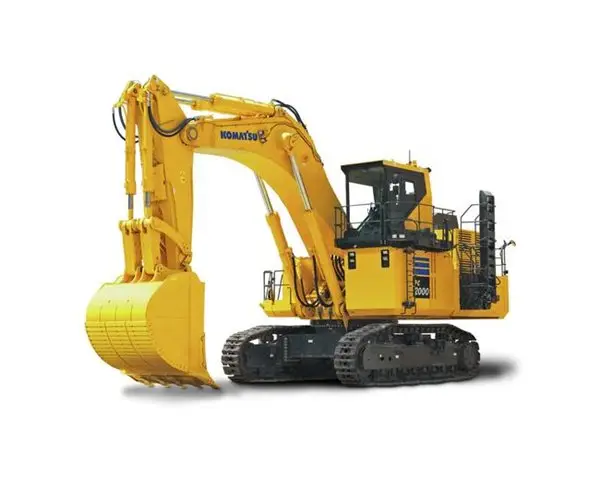
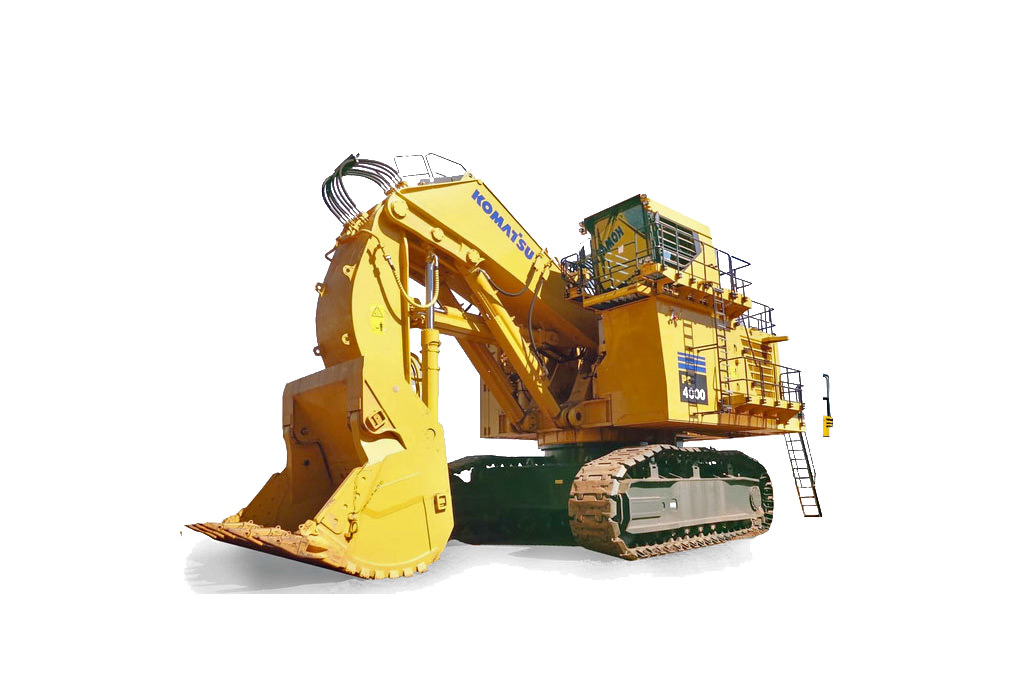
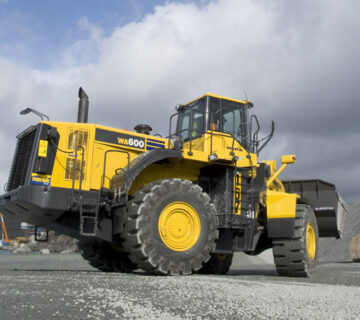
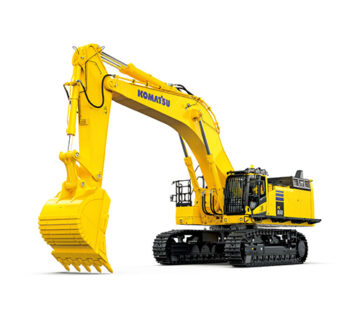
- Excavators and loaders for bulk material handling
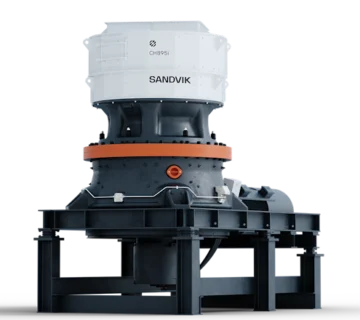
- Crushing and grinding machines for ore and aggregates
- Drilling rigs for underground and surface mining
- Conveyor systems for material transport
- Screening and sorting machinery
Each machine type has unique technical specifications, including power requirements, throughput capacity, operational speed, and maintenance needs. Understanding these parameters is essential to ensure compatibility with your production process and infrastructure.
Industrial Importance
Mining machines are not merely equipment; they are the backbone of modern industrial operations. Reliable machinery ensures consistent throughput, minimizes downtime, and supports worker safety. Factories and mining operations importing machines must evaluate:
- Production capacity and operational efficiency
- Compliance with international safety and environmental standards
- Long-term durability and ease of maintenance
- Supplier reputation and after-sales support
At MT Royal, we emphasize aligning machinery selection with operational goals, ensuring that imported mining machines enhance productivity rather than introduce unexpected risks or bottlenecks.
Common Mistakes in Sourcing Mining Machines
Even experienced procurement teams often encounter challenges when importing mining machinery. Some common pitfalls include:
- Focusing solely on purchase price: Low-cost machines may lack durability, certifications, or operational support.
- Neglecting compatibility checks: Electrical systems, hydraulic specifications, or physical dimensions may not match your existing infrastructure.
- Ignoring lead times and logistics complexity: Heavy machinery often requires special shipping, customs clearance, and installation support.
- Overlooking supplier reliability: Without verified references and technical documentation, imported machines may fail to meet performance expectations.
In our collaboration with mining operations, we have found that comprehensive supplier audits, factory visits, and detailed technical evaluations significantly reduce operational and financial risks.
Key Factors for Evaluating Mining Machines
Technical Specifications
When evaluating a mining machine for import, consider:
- Capacity: Measured in tons per hour or volume per cycle
- Power requirements: Voltage, fuel type, and efficiency
- Durability: Expected operational life under typical working conditions
- Automation and controls: Level of remote operation, digital monitoring, or IoT integration
- Maintenance needs: Spare parts availability, service intervals, and training support
Compliance and Certification
Industrial machinery must adhere to local and international regulations:
- ISO and CE certifications for quality and safety
- Environmental compliance regarding emissions, noise, and dust
- Industry-specific certifications, such as mining safety standards
Logistics and Installation
Large mining machines often require specialized transport, including flatbed shipping, heavy-lift cranes, and customs clearance expertise. Factories should plan for:
- Transportation feasibility and route analysis
- On-site assembly or installation requirements
- Staff training and operational onboarding
MT Royal ensures that procurement plans incorporate these logistical considerations, reducing delays and unforeseen costs.
Sector-Specific Insights
Surface Mining
Surface mining operations rely heavily on excavators, loaders, and crushing machines. For these applications, durability and throughput are critical. Suppliers offering high-wear components, modular designs, and technical support are essential for minimizing downtime.
Underground Mining
Underground operations require drilling rigs, conveyor systems, and compact loaders. Importing machinery for this environment demands precision engineering, enhanced safety features, and compact design suitable for confined spaces.
Aggregate and Mineral Processing
Processing plants require crushers, grinders, screens, and sorters. Machines with adjustable settings, high-efficiency motors, and integrated dust control systems enhance productivity and reduce operational risks.
Practical Strategies for Importing Mining Machines
Supplier Selection
Selecting a supplier involves more than price comparison. Key considerations include:
- Track record with similar machinery and production environments
- Technical documentation and certifications
- After-sales support, training, and spare parts availability
- Global shipping experience and logistics infrastructure
Pre-Purchase Evaluation
Factories should conduct:
- Site requirement assessment
- Technical feasibility analysis
- Sample testing or trial operation (if possible)
- Verification of supplier references and case studies
Risk Mitigation
Risk reduction strategies include:
- Diversifying suppliers for critical machinery
- Planning inventory of essential spare parts
- Engaging third-party technical consultants for machinery evaluation
- Scheduling preventive maintenance from the outset
These measures minimize operational interruptions and extend the lifespan of imported mining equipment.
Emerging Trends in Mining Machinery
The mining machinery sector is evolving rapidly due to technological, environmental, and operational trends:
- Automation and AI integration: Remote-controlled and autonomous machinery reduces labor risks and improves precision.
- Sustainability focus: Machines with low emissions, energy-efficient motors, and advanced dust control are increasingly required.
- IoT and predictive maintenance: Digital monitoring systems allow real-time performance tracking and preventive maintenance.
- Global standardization: Suppliers increasingly adhere to ISO, CE, and local mining regulations to facilitate international trade.
Factories adopting these technologies gain a strategic advantage by reducing downtime, improving safety, and optimizing operational costs.
Frequently Asked Questions from Mining Operations
How can I ensure the reliability of imported mining machines?
Request certifications, technical documentation, and supplier references. Pre-shipment inspections and trial operations also mitigate risks.
Are suppliers capable of handling large-scale industrial orders?
Yes, leading manufacturers and wholesalers provide scalable production and logistics support for industrial machinery.
How can shipping and customs risks be managed?
Work with suppliers experienced in heavy-lift transport, customs documentation, and multi-modal shipping. MT Royal provides guidance in these areas.
What additional support is typically offered by suppliers?
Many provide on-site installation, staff training, operational manuals, and maintenance schedules to ensure smooth integration into your production line.
How MT Royal Supports Mining Machine Procurement
At MT Royal, we specialize in connecting factories and mining operations with verified mining machines for import. Our services include:
- Supplier verification and quality assurance
- Technical documentation review
- Logistics planning and shipping coordination
- Compliance guidance for international standards
- On-site support recommendations and maintenance planning
In our collaboration with multiple industrial clients, we have observed that factories using our sourcing network experience fewer production delays, consistent machine performance, and greater operational efficiency. Our expertise ensures that imported mining machines not only meet immediate production needs but also contribute to long-term industrial growth.
Strategic Considerations for Industrial Procurement
When importing a mining machine for import, factories should focus on:
- Technical compatibility with production requirements
- Quality, durability, and safety compliance
- Logistics, lead times, and installation support
- Supplier reliability and after-sales service
By incorporating these considerations into procurement planning, factories can reduce risks, optimize operational efficiency, and maintain consistent production throughput. Strategic sourcing from reliable suppliers transforms mining machinery from a cost center into a long-term operational asset.
Importing mining machines is more than acquiring equipment—it is a strategic investment in production efficiency, operational safety, and long-term growth. Factories that plan meticulously, choose verified suppliers, and leverage technical support position themselves to gain both reliability and competitive advantage in the industrial marketplace.

No comment