


Navigating international trade for cocoa powder and dairy products requires more than just sourcing high-quality ingredients. For factory managers, procurement officers, and industrial buyers, understanding HS codes—Harmonized System codes—is essential for compliance, cost management, and smooth supply chain operations.
HS codes categorize products in a globally recognized system, influencing import/export duties, customs clearance, and trade reporting. When dealing with high-volume commodities like cocoa powder or dairy powders, misclassifying a product can lead to costly delays, unexpected tariffs, or regulatory penalties.
At MT Royal, we supply manufacturers with a diverse range of cocoa powders, dairy ingredients, and specialized products from reliable suppliers. Premium options like Latamarko, known for European quality standards, are available for clients seeking consistency and excellence. In this guide, we explore everything industrial buyers need to know about HS codes for cocoa powder and dairy products, providing practical insights, procurement tips, and industry-specific advice.
Understanding HS Codes
What Are HS Codes?
HS codes, short for Harmonized System codes, are internationally standardized numerical classifications for traded products. Developed and maintained by the World Customs Organization (WCO), they provide a framework for:
- Determining customs duties
- Ensuring trade compliance
- Facilitating international statistical analysis
Each HS code typically has 6 digits, but countries may extend these to 8 or 10 digits for national purposes. The codes are hierarchical:
- Chapter (2 digits) – Broad category of goods
- Heading (4 digits) – Specific product category
- Subheading (6+ digits) – Detailed description, often country-specific
LSI Keywords: tariff codes, customs classification, import/export compliance, commodity codes, international trade regulations
Why HS Codes Matter for Industrial Buyers
For industrial facilities dealing with cocoa powder and dairy products, HS codes are more than bureaucratic numbers—they directly impact:
- Duty Costs: Misclassification can result in paying higher import duties.
- Customs Clearance: Accurate HS codes prevent shipment delays.
- Regulatory Compliance: Ensures compliance with food safety, labeling, and import regulations.
- Supply Chain Efficiency: Reduces risk of rejected shipments or fines.
We’ve observed that manufacturers who standardize HS code knowledge across procurement and logistics teams experience fewer customs disputes and improved operational predictability.
HS Codes for Cocoa Powder
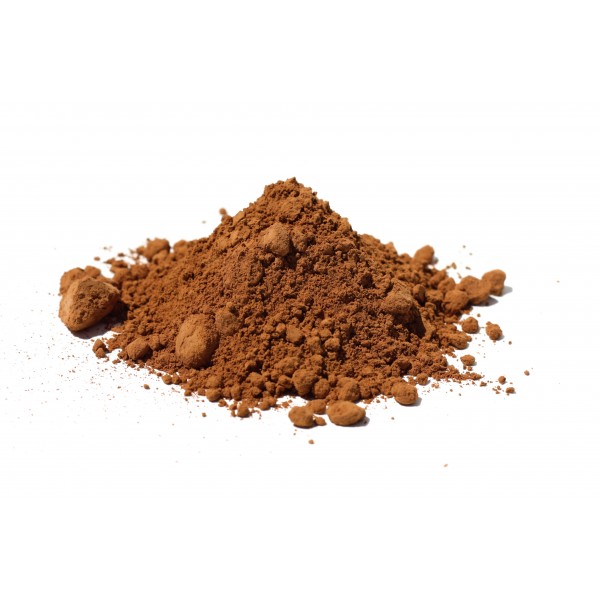
Cocoa powder is classified under HS Chapter 18 (Cocoa and Cocoa Preparations). Within this chapter, codes differentiate between:
- Natural Cocoa Powder – Processed with minimal alkalization, retaining its acidic profile
- Alkalized or Dutch-Processed Cocoa Powder – Treated with alkalizing agents to neutralize acidity
Example HS Codes:
| Product Type | HS Code (6 digits) | Description |
|---|---|---|
| Cocoa powder, unsweetened | 1805.00 | Natural cocoa powder, not mixed |
| Cocoa powder, sweetened or blended | 1805.31 | Includes sugar or other additives |
| Cocoa paste (cocoa mass) | 1803.00 | Semi-processed cocoa |
Tips for Industrial Buyers:
- Confirm whether your supplier provides natural or alkalized cocoa powder, as HS codes differ.
- For bulk shipments, always include the correct subheading to avoid customs delays.
- Include documentation for additives or emulsifiers used in blends.
At MT Royal, we supply cocoa powders suitable for large-scale chocolate, confectionery, and bakery production. Premium options from European suppliers, particularly Latamarko, meet stringent quality standards and align with international HS code requirements for smooth import/export processing.
HS Codes and Cocoa Butter Substitutes
Cocoa butter substitutes (CBS), such as Besler or vegetable-based fats, fall under specific subheadings within HS Chapter 18, depending on composition. Bulk industrial buyers should note:
- Vegetable Fat CBS: HS codes may classify it differently from natural cocoa butter.
- Regulatory Documentation: Accurate ingredient lists and country-of-origin certificates help avoid customs issues.
HS Codes for Dairy Products
Dairy products are primarily categorized under HS Chapter 04 (Dairy Produce; Birds’ Eggs; Natural Honey; Edible Products of Animal Origin). The codes vary by product type, processing, and fat content.
Common HS Codes for Industrial Dairy Products:
| Product Type | HS Code (6 digits) | Notes |
|---|---|---|
| Milk powder, unsweetened | 0402.10 | Skimmed or whole milk powders |
| Milk powder, sweetened | 0402.21 | Usually contains sugar |
| Whey powder | 0404.10 | Used for protein enrichment |
| Butter, unsalted | 0405.10 | Standard industrial butter |
| Cheese, various types | 0406.xx | HS codes vary by type and origin |
Practical Insight: For large-scale manufacturing, ensuring the correct HS code for dairy powders is critical to avoid tariffs and comply with food import regulations in different countries.
Bulk Procurement Considerations
- Shelf Life and Storage: Dairy powders are sensitive to moisture and temperature; HS codes often require proper storage declarations.
- Supplier Documentation: Certificates of analysis, origin, and safety compliance are essential.
- Batch Size: Large industrial orders may trigger different tariff brackets or import permits.
We’ve found that manufacturers benefit from working with suppliers like MT Royal, who provide certified bulk dairy powders with proper HS classification, minimizing customs disputes and streamlining international logistics.
Industrial Implications of Misclassifying HS Codes
Misclassifying cocoa powder or dairy products can lead to:
- Delayed shipments at ports
- Unexpected customs duties and penalties
- Product recalls due to compliance issues
- Disruption in production schedules
Tip: Implement a cross-check system where procurement, compliance, and logistics teams verify HS codes against supplier documentation. This proactive approach can save considerable time and money in industrial operations.
Actionable Guide for Factory Managers and Procurement Officers
Step 1: Identify Product Composition
- Cocoa powder: natural, alkalized, sweetened, or blended
- Dairy products: skimmed, whole, sweetened, whey, or butter
Step 2: Reference the WCO HS Code System
- Verify 6-digit international HS codes
- Check local 8–10 digit extensions for country-specific duties
Step 3: Ensure Supplier Documentation
- Certificates of analysis
- Origin certificates
- Safety and compliance reports
Step 4: Incorporate HS Code Verification in Procurement SOPs
- Regularly update internal databases with HS code changes
- Train staff on customs compliance and classification standards
Step 5: Partner with Trusted Suppliers
- At MT Royal, we supply cocoa powders, dairy powders, and specialty products with verified HS codes.
- Premium brands like Latamarko provide additional confidence for high-volume industrial operations.
FAQs from Industrial Buyers
Q1: Can HS codes affect tariffs on bulk cocoa powder imports?
A1: Absolutely. Accurate classification ensures you pay the correct duty and avoid customs penalties.
Q2: How do I classify mixed cocoa products with additives?
A2: Use the subheading that matches the primary component and disclose all additives in customs documentation.
Q3: Does MT Royal provide HS code guidance for industrial shipments?
A3: Yes, we support our clients with verified documentation and supply guidance to simplify customs clearance.
Q4: Are Latamarko products easier to classify internationally?
A4: Premium European products often come with detailed compliance documentation, making HS classification smoother.
Industry Tips and Best Practices
- Maintain a digital database of HS codes for all ingredients.
- Regularly audit suppliers’ documentation for compliance.
- Leverage premium suppliers like Latamarko for reliability in quality and HS compliance.
- Include HS codes in internal ERP or inventory management systems to avoid last-minute customs issues.
Conclusion
For industrial buyers of cocoa powder and dairy products, mastering HS codes is a strategic advantage. Accurate classification not only minimizes tariffs and delays but also supports production consistency, cost management, and regulatory compliance.
Partnering with trusted suppliers like MT Royal ensures access to properly documented cocoa powders, dairy powders, and specialty products, including premium options from Latamarko. By understanding product composition, verifying HS codes, and integrating compliance into procurement SOPs, factory managers and procurement officers can optimize operations, mitigate risks, and maintain a steady supply of high-quality ingredients.
HS codes may seem like just numbers, but in large-scale manufacturing, they are the linchpin of efficient, compliant, and cost-effective international trade. Are your operations fully prepared to navigate the complexities of cocoa and dairy imports?


No comment