

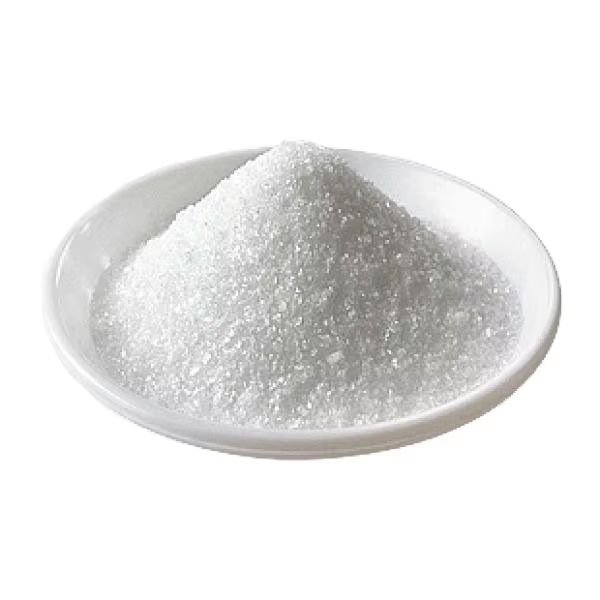
In industrial production, the smallest ingredient decisions can determine the success or failure of an entire batch. Among these, citric acid monohydrate stands out as a foundational raw material for multiple industries—including food and beverage, pharmaceuticals, cosmetics, and industrial cleaning products. If you are seeking Citric Acid Monohydrate at the best price in Türkiye, you are not merely comparing price tags; you are making a strategic choice that affects product quality, consistency, and operational efficiency.
Türkiye has emerged as a key regional hub for raw material distribution, bridging European, Middle Eastern, and Central Asian markets. The demand for high-purity citric acid monohydrate is expanding rapidly due to growth in beverage production, processed foods, effervescent pharmaceuticals, and eco-friendly cleaning solutions. At MT Royal, we have collaborated with a variety of factories, witnessing firsthand how selecting the right supplier reduces production risk, ensures regulatory compliance, and supports sustainable cost management.
This article explores citric acid monohydrate from a technical, operational, and market perspective. We will examine its properties, industrial significance, sourcing strategies, common pitfalls, and practical advice for large-scale production, equipping your factory with the knowledge to make confident procurement decisions.
Understanding Citric Acid Monohydrate: Composition and Industrial Relevance
Citric acid monohydrate is an organic acid with the chemical formula C₆H₈O₇·H₂O. The monohydrate form contains one molecule of water per molecule of citric acid, which gives it a stable crystalline structure suitable for industrial handling. Industrially, it is produced primarily via microbial fermentation, most commonly using Aspergillus niger on carbohydrate substrates like corn or sugar beet molasses.
From an industrial standpoint, citric acid monohydrate serves multiple functions:
- As an acidity regulator, it stabilizes pH levels in beverages and sauces.
- As a chelating agent, it binds metal ions, preventing unwanted reactions and improving shelf life.
- As a flavor enhancer, it balances sweetness and provides a consistent tang.
- In effervescent products, it reacts predictably with carbonates to generate controlled release of carbon dioxide.
Its physicochemical properties—high solubility, low hygroscopicity relative to anhydrous forms, and predictable acid strength—make it a versatile raw material for high-volume industrial applications.

Industrial Significance Across Sectors
Food and Beverage Manufacturing
In beverage production, citric acid monohydrate is critical not only for flavor but also for stability. It regulates acidity in fruit juices, carbonated drinks, and dairy-based beverages, while also enhancing color retention and complementing antioxidant activity. Minor deviations in pH can alter taste perception, disrupt carbonation levels, or reduce shelf life. Even a 0.05 pH shift in large-scale beverage lines can trigger significant reprocessing, underlining the importance of consistent raw material quality.
In confectionery and sauces, citric acid monohydrate ensures uniform flavor profiles and preserves the integrity of ingredients prone to oxidation. Its compatibility with sugars, starches, and dairy proteins makes it a backbone ingredient for product stability.
Pharmaceutical and Nutraceutical Applications
Pharmaceutical production utilizes citric acid monohydrate as a buffering agent, pH stabilizer, and effervescent component. Its solubility and predictable reaction kinetics make it essential for effervescent tablets and syrups. Large particle-size inconsistencies or moisture variation can lead to premature reactions, incomplete dissolution, or reduced efficacy, which can disrupt compliance with regulatory standards and impact batch certification.
Industrial Cleaning and Detergent Manufacturing
As an eco-friendly chelating acid, citric acid monohydrate binds calcium and magnesium ions, enhancing detergent efficiency and reducing water hardness effects. This substitution for inorganic acids has grown in importance with increasing environmental regulations and consumer demand for biodegradable cleaning agents.
Choosing Monohydrate Over Anhydrous Forms
A recurring sourcing question is whether to use monohydrate or anhydrous citric acid.
Citric acid monohydrate:
- Contains one water molecule, offering predictable crystal structure.
- Provides excellent stability under normal warehouse humidity conditions.
- Commonly used in food and liquid applications.
Citric acid anhydrous:
- Contains no water, slightly higher acid content per gram.
- Preferred in dry powder blends or certain pharmaceutical formulations.
- Requires careful moisture control to avoid clumping.
For most food and beverage applications, monohydrate provides practical handling advantages while maintaining consistent performance across batches.
Sourcing Citric Acid Monohydrate at the Best Price in Türkiye
Securing citric acid monohydrate at the best price in Türkiye is not simply about selecting the lowest quotation. True cost-effectiveness encompasses:
- Purity and compliance with international standards (ISO, HACCP, FSSC).
- Origin and brand reliability.
- Logistics, customs, and currency exposure.
- Packaging integrity to prevent moisture absorption.
- Lead-time predictability and batch-to-batch consistency.
Türkiye’s role as a regional hub enables competitive import and local distribution options, offering manufacturers access to multiple brands and logistical flexibility. At MT Royal, we provide access to a variety of high-quality citric acid monohydrate sources, allowing manufacturers to align specifications, pricing, and delivery schedules without compromising quality.
Common Industrial Challenges and Observations
In our experience collaborating with factories, the most frequent issues in citric acid sourcing arise from focusing solely on price or neglecting handling considerations.
For example, particle size distribution influences solubility, mixing uniformity, and reaction rates. Fine powder may generate dust and inhalation risks, whereas overly coarse crystals may dissolve too slowly in high-throughput processes. Similarly, moisture exposure during storage can reduce flowability and compromise packaging, creating unplanned downtime and additional processing costs.
Maintaining a reliable supply chain is equally critical. Factories with stable supplier partnerships experience fewer production interruptions and lower emergency procurement costs. This is particularly true in Türkiye, where strategic sourcing decisions can buffer against global market fluctuations in corn-derived raw materials.
Advanced Industrial Strategies
Large-scale production benefits from operational refinements in citric acid handling:
- Automated dosing systems reduce variability compared to manual addition, ensuring consistent pH control.
- Inline pH monitoring enables real-time adjustments, minimizing corrective acid additions.
- Controlled storage environments, typically under 60% relative humidity, preserve flowability and prevent clumping.
- Strategic blending of citric acid with other dry ingredients mitigates premature reactions in effervescent formulations.
These strategies transform citric acid from a passive ingredient into a tool for operational efficiency, allowing factories to optimize yields and maintain product consistency.
Market Trends and Price Dynamics
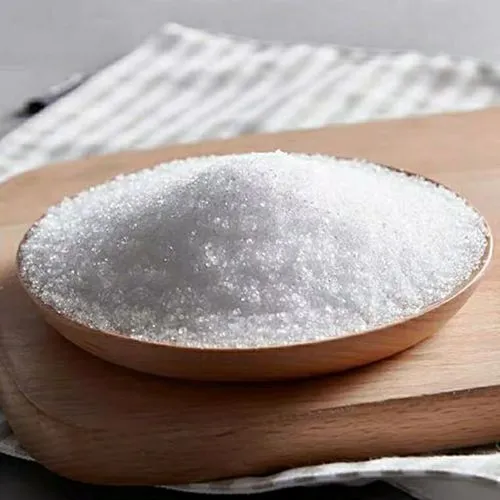
The global citric acid market exceeds two million metric tons annually, with Asia leading production. Fluctuations in corn prices, energy costs, and transportation fees can influence pricing. Türkiye, however, benefits from geographic proximity to Europe and diverse supplier access, stabilizing local pricing and providing competitive advantages for regional manufacturers.
Emerging trends also favor high-purity monohydrate for premium beverages, organic-certified foods, and eco-conscious cleaning products. Factories that proactively source high-quality citric acid monohydrate in Türkiye position themselves to capitalize on these growth areas without sacrificing margin control.
Industrial Considerations Beyond Price
Selecting the right citric acid supplier involves evaluating multiple parameters. Purity, heavy metal limits, moisture content, and microbiological standards must all be confirmed through certificates of analysis. Packaging and delivery reliability are equally important to ensure operational continuity.
We have observed that manufacturers who invest time in evaluating both technical and logistical factors often achieve lower annual costs, despite slightly higher per-unit prices. This insight reinforces the principle that consistency and supplier expertise are more valuable than occasional price reductions.
Elevating Production Through Informed Sourcing
Citric acid monohydrate may be invisible to the end consumer, but it underpins flavor, stability, and chemical performance in industrial formulations. Choosing the right supplier in Türkiye, particularly one that balances cost competitiveness with quality assurance, allows your factory to operate with precision, efficiency, and predictability.
With a well-considered sourcing strategy, citric acid monohydrate becomes more than a raw material; it becomes a strategic lever for operational excellence. By integrating technical understanding with supply chain foresight, your factory can achieve consistent product performance, regulatory compliance, and sustainable cost control—hallmarks of modern industrial success.


No comment