

If you are sourcing functional ingredients for processed meat production, choosing the right emulsifier can directly influence yield, texture, and profitability. Many manufacturers underestimate how much a well-selected lecithin can stabilize fat systems, improve water binding, and reduce formulation variability. This is precisely why factories working with experienced suppliers like MT Royal often achieve more consistent results across batches while maintaining cost efficiency. Lecithin for Meat Processing is not simply an additive; it is a strategic formulation tool that affects product quality, processing efficiency, and long-term brand reputation.
In industrial meat environments where margins are tight and raw material variability is unavoidable, functional ingredients that deliver multiple benefits simultaneously become extremely valuable. Lecithin is one of those rare components that can improve emulsion stability, optimize fat dispersion, enhance mouthfeel, and reduce production losses at the same time. Understanding how to select, apply, and integrate Lecithin for Meat Processing correctly can transform your production line from reactive troubleshooting to predictable performance.
Organic Lecithin Wholesale in TÜRKİYE
Understanding Lecithin for Meat Processing: Functional Role and Industrial Importance
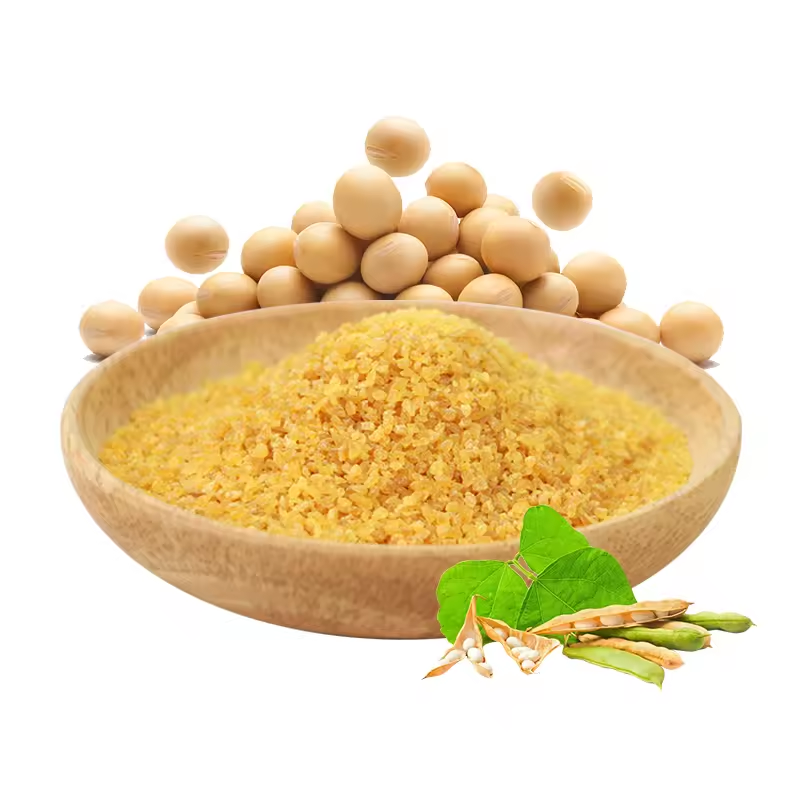
Lecithin is a naturally derived phospholipid complex typically obtained from soybean, sunflower, or egg sources. In meat systems, its primary role revolves around emulsification and stabilization of fat-water interfaces, which are fundamental to products such as sausages, frankfurters, pâtés, meat emulsions, and restructured meat products.
From a molecular perspective, lecithin contains both hydrophilic and lipophilic components, allowing it to act as a bridge between water and fat phases. This amphiphilic behavior supports stable emulsions and prevents fat separation during cooking, storage, or freezing.
For manufacturers, the benefits extend beyond chemistry into measurable production outcomes:
• Improved fat distribution ensures uniform texture throughout the product, reducing defects such as fat pockets or inconsistent slicing performance, which can otherwise lead to product rejection or downgraded quality classification.
• Enhanced water retention contributes to higher cooking yield, meaning more finished product per kilogram of raw material input, which directly impacts profitability in high-volume operations.
• Reduced purge loss during packaging and storage helps maintain visual appeal and weight consistency, especially important for retail-ready meat products where consumer perception matters.
Common LSI keywords relevant to Lecithin for Meat Processing include meat emulsifiers, fat stabilization, water binding agents, phospholipids in meat, texture improvement, yield enhancement, processed meat additives, and food emulsification systems.
Key Functional Mechanisms in Processed Meat Applications
Understanding how lecithin behaves under processing conditions allows you to optimize its performance rather than treating it as a generic additive.
Emulsion Stabilization in Comminuted Meat Systems
In products like sausages and hot dogs, the stability of the meat batter depends heavily on protein extraction and fat dispersion. Lecithin complements protein functionality by improving fat droplet distribution, which reduces coalescence during thermal processing.
This is particularly valuable when using lower-quality raw materials or mechanically separated meat, where natural protein functionality may be compromised.
Water Binding and Moisture Retention
Water is one of the most expensive “hidden losses” in meat processing. Lecithin supports water retention by interacting with both fat and protein matrices, helping to maintain moisture during cooking and storage.
Factories producing large volumes of cooked meat products often observe measurable yield improvements when lecithin is properly integrated into formulations.
Texture Optimization and Mouthfeel Enhancement
Consumers expect processed meats to deliver consistent bite, juiciness, and smooth texture. Lecithin contributes to mouthfeel by creating a more uniform fat network, preventing dryness and improving sensory perception.
Oxidation Control and Shelf Life Support
Although lecithin is not primarily an antioxidant, its ability to stabilize fat dispersion can indirectly reduce oxidative reactions by limiting exposed lipid surfaces. Some lecithin variants also contain natural antioxidants, further supporting shelf life.
Types of Lecithin Used in Meat Processing
Different lecithin forms offer distinct advantages depending on your production requirements.
| Lecithin Type | Key Characteristics | Typical Meat Applications | Advantages |
|---|---|---|---|
| Liquid Lecithin | High oil content, easy dispersion in fat phase | Sausages, emulsified meats | Cost-effective, easy blending |
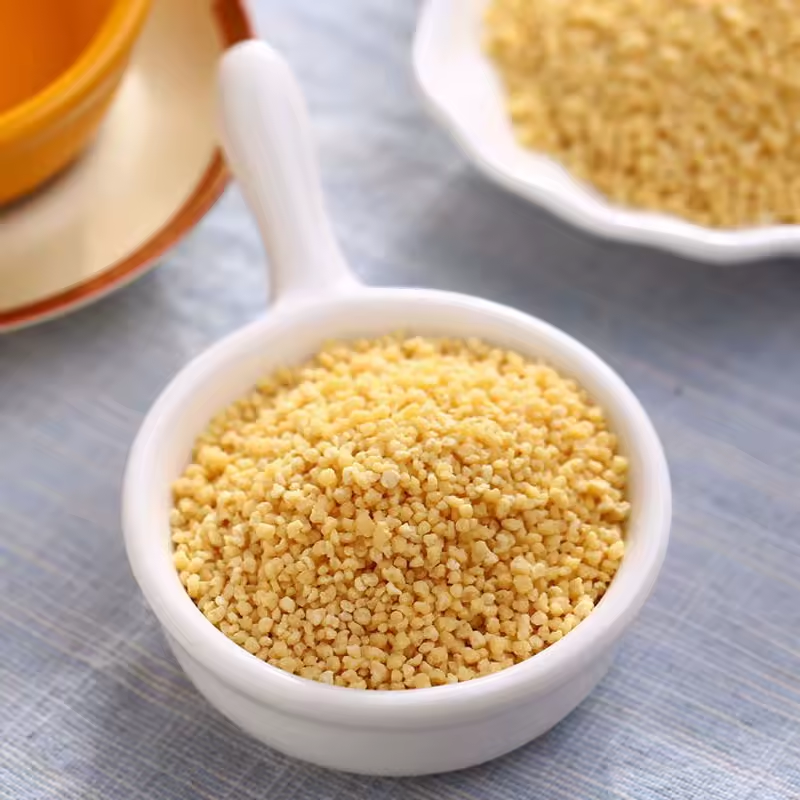
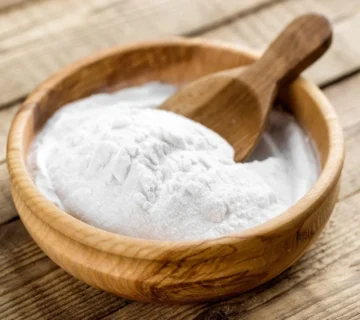
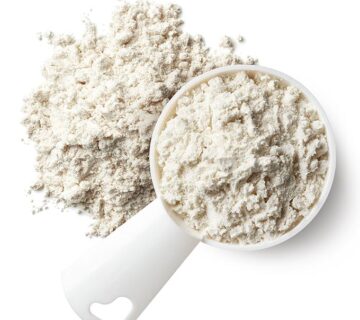
| Powdered Lecithin | Low moisture, free-flowing | Dry mixes, seasoning blends | Better handling, longer shelf life |
| De-oiled Lecithin | Higher phospholipid concentration | Premium formulations | Stronger emulsification performance |
| Hydrolyzed Lecithin | Improved water dispersibility | Low-fat meat products | Enhanced functionality in aqueous systems |
Choosing the correct type depends on processing temperature, mixing equipment, formulation goals, and storage logistics.
Common Mistakes in Industrial Lecithin Sourcing
Even experienced procurement teams sometimes underestimate the complexity involved in selecting Lecithin for Meat Processing. Several recurring mistakes can lead to inconsistent results or unnecessary costs.
• Selecting based only on price per kilogram without considering phospholipid content often leads to higher usage levels, which ultimately increases total formulation cost rather than reducing it.
• Ignoring supplier consistency can result in batch-to-batch variability that disrupts production stability, forcing formulation adjustments and increasing quality control workload.
• Overlooking compatibility with other functional ingredients such as carrageenan, starches, or plant proteins may create unexpected interactions that affect final texture or water retention.
• Choosing the wrong physical form for your process, such as liquid lecithin in dry blending systems, can create dispersion challenges and processing inefficiencies.
In our collaboration with various factories, we have seen that correcting these sourcing mistakes alone can improve production efficiency without any major equipment investment.
Practical Comparison: Lecithin vs Other Emulsifiers in Meat Processing
Manufacturers often evaluate lecithin alongside mono- and diglycerides, proteins, or synthetic emulsifiers. Each option has advantages, but lecithin offers unique multifunctionality.
• Lecithin provides both emulsification and moisture retention benefits, whereas many synthetic emulsifiers primarily target fat dispersion only, requiring additional ingredients for water binding.
• Natural origin perception makes lecithin more attractive for clean-label strategies compared to some synthetic alternatives, which can be increasingly important in consumer-driven markets.
• Compatibility with protein systems allows lecithin to enhance existing functional mechanisms rather than replacing them, leading to synergistic improvements.
• Cost efficiency emerges when multiple functional benefits reduce the need for additional stabilizers, simplifying formulations and inventory management.
Specialized Industrial Tips for Large-Scale Production
Optimizing Lecithin for Meat Processing requires more than simply adding it to the recipe. Process integration plays a crucial role.
Optimal Addition Stage
Lecithin performs best when introduced during fat incorporation or early mixing stages, allowing proper dispersion before protein matrix formation becomes too rigid.
Temperature Management
Moderate temperatures improve lecithin fluidity and dispersion. However, excessive heat before emulsion formation can reduce effectiveness by altering fat structure prematurely.
Mixing Shear Considerations
High-shear mixing improves emulsification efficiency but must be balanced with protein extraction timing. Excessive shear too early may damage protein functionality.
Dosage Optimization
Typical usage ranges from 0.2% to 1.0%, depending on formulation goals and lecithin type. Higher levels do not always produce better results; optimization trials are essential.
Interaction with Phosphates and Proteins
Lecithin works synergistically with phosphates that improve protein extraction. Combining both correctly can significantly enhance emulsion stability and yield.
We have observed in industrial trials that minor adjustments in mixing sequence can deliver greater performance improvements than increasing ingredient dosage.
Emerging Trends in Lecithin Use for Meat Processing
The processed meat industry is evolving due to regulatory pressure, consumer expectations, and cost volatility. Lecithin applications are expanding in response to these changes.
One major trend involves reduced-fat meat products, where lecithin compensates for texture loss caused by fat reduction. By stabilizing smaller fat droplets and improving water retention, lecithin helps maintain sensory quality.
Another emerging area is plant-meat hybrid products, where lecithin supports the integration of plant proteins with animal proteins, improving texture and mouthfeel.
Clean-label movement is also increasing demand for sunflower lecithin, which avoids allergen concerns associated with soy in certain markets.
Global supply chain volatility has further highlighted the importance of working with suppliers capable of offering multiple lecithin origins and grades, ensuring continuity despite raw material fluctuations.
Frequently Asked Questions from Factory Managers and Procurement Teams
How does lecithin affect production yield?
Lecithin improves fat and water retention, which reduces cooking losses. Higher yield translates directly into more sellable product per batch, improving margins.
Can lecithin replace other emulsifiers?
In many cases, lecithin can partially or fully replace synthetic emulsifiers, particularly when multifunctional performance is desired. However, formulation trials are necessary to confirm compatibility.
Does lecithin influence flavor?
At typical usage levels, lecithin has minimal flavor impact. High-quality refined lecithin is especially neutral in sensory profile.
Is powdered lecithin better than liquid?
The choice depends on your process. Powdered lecithin offers easier handling and dosing precision, while liquid lecithin may disperse more easily in fat phases.
What quality parameters should procurement teams evaluate?
Key parameters include phospholipid content, acetone insoluble value, moisture level, viscosity, and microbial specifications. Consistency across batches is critical.
How does lecithin support clean-label strategies?
Lecithin is perceived as a natural ingredient and may help reduce reliance on synthetic stabilizers, aligning with consumer demand for simpler ingredient lists.
Integration with Other Functional Ingredients
Lecithin rarely works alone in meat formulations. Understanding interactions with other ingredients allows better optimization.
• With hydrocolloids such as carrageenan, lecithin improves gel stability by supporting fat distribution within the protein network, resulting in smoother texture and improved sliceability.
• With starch systems, lecithin enhances dispersion and reduces lump formation, leading to more uniform viscosity development during cooking.
• With plant proteins, lecithin improves hydration and emulsification, supporting hybrid product formulations.
These synergistic effects allow manufacturers to reduce total additive load while maintaining or improving performance.
Economic Impact: Cost vs Value Perspective
Procurement decisions often focus on ingredient price rather than functional value. However, Lecithin for Meat Processing influences multiple cost drivers simultaneously:
• Yield improvement increases output volume from the same raw material input.
• Reduced rework and product defects lower operational losses.
• Improved shelf stability decreases returns and waste.
• Simplified formulations reduce inventory complexity.
When evaluated across the entire production chain, lecithin frequently delivers a positive return on investment even if the ingredient cost appears higher initially.
Quality Control and Supplier Reliability
Consistency is essential in industrial food production. Variations in lecithin composition can create unpredictable emulsification performance, forcing production adjustments.
Working with suppliers that provide stable specifications, technical documentation, and multiple sourcing options reduces operational risk. Reliable suppliers also support troubleshooting and formulation optimization when challenges arise.
This is one reason many manufacturers prefer sourcing through partners that maintain relationships with multiple global producers rather than relying on a single origin.
Sustainability and Regulatory Considerations
Sustainability is becoming increasingly relevant in ingredient sourcing. Non-GMO lecithin, identity-preserved supply chains, and traceability documentation are gaining importance, particularly for export markets.
Regulatory compliance also varies across regions. Manufacturers exporting products must ensure lecithin specifications meet destination market requirements, including allergen labeling and additive regulations.
Sunflower lecithin is often preferred in allergen-sensitive markets, while soy lecithin remains the most cost-effective option globally.
Real-World Manufacturing Insight
In high-capacity meat plants, production variability often stems from raw material differences rather than formulation design. Lecithin acts as a stabilizing buffer against these variations.
We have seen facilities processing different meat sources across seasons maintain consistent product quality simply by optimizing lecithin selection and process integration. Instead of constantly adjusting recipes, they rely on lecithin’s functional stability to maintain performance.
Another practical observation involves frozen meat systems, where lecithin helps preserve emulsion integrity after thawing, reducing separation and texture degradation.
Choosing the Right Lecithin Supplier for Long-Term Success
Selecting Lecithin for Meat Processing is not only a technical decision but also a strategic procurement choice. The right supplier provides:
• Multiple lecithin grades to match different applications and price points.
• Consistent quality across shipments to prevent production variability.
• Technical expertise to support formulation optimization.
• Competitive pricing supported by global sourcing networks.
Manufacturers benefit from suppliers who understand both ingredient functionality and industrial processing realities, rather than simply acting as distributors.
We believe that procurement teams achieve the best outcomes when supplier relationships are collaborative rather than transactional.
A Final Perspective for Manufacturers
In modern meat processing, efficiency is no longer achieved solely through machinery upgrades or automation. Ingredient functionality plays an equally powerful role. Lecithin is one of those ingredients that quietly influences multiple performance factors at once—yield, texture, stability, and consistency—without drawing attention to itself.
When your production line runs smoothly, emulsions remain stable, and yields meet targets, lecithin is often working behind the scenes like an experienced technician who never calls in sick.
Factories that treat Lecithin for Meat Processing as a strategic formulation component rather than a commodity additive consistently outperform competitors in both quality and cost control. The difference rarely comes from using more ingredients, but from using the right ones intelligently.

No comment