

For pharmaceutical manufacturers, ingredient selection is never just about functionality—it is about precision, compliance, safety, and long-term reliability. When you are developing drug delivery systems, nutraceutical formulations, topical products, or advanced lipid-based carriers, the quality of excipients directly influences therapeutic performance. That is why Lecithin for Pharmaceuticals has become an essential component across multiple dosage forms. Choosing the right grade from a trusted supplier such as MT Royal can significantly reduce formulation risk while improving bioavailability, stability, and manufacturability. In highly regulated environments where consistency is critical, lecithin is not simply an additive—it is a functional platform.
Pharmaceutical lecithin plays a central role in drug solubilization, emulsification, liposome formation, and membrane interaction. For manufacturers working at industrial scale, understanding its molecular behavior and sourcing considerations can unlock new formulation possibilities while preventing costly development setbacks.
Understanding Lecithin for Pharmaceuticals: Structure, Composition, and Functional Role
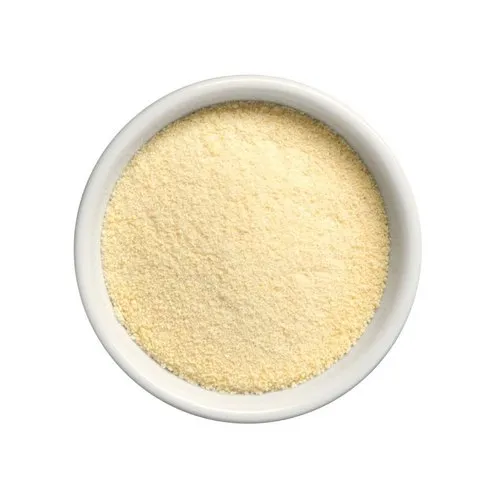
Lecithin refers to a mixture of phospholipids derived from natural sources such as soybeans, sunflower seeds, or egg yolk. The primary components include phosphatidylcholine (PC), phosphatidylethanolamine (PE), phosphatidylinositol (PI), and phosphatidic acid (PA). These molecules possess amphiphilic properties, meaning they contain both hydrophilic and lipophilic regions, enabling them to interact with aqueous and lipid phases simultaneously.
In pharmaceutical applications, this dual affinity allows lecithin to perform several critical functions:
• It acts as a natural emulsifier, stabilizing oil-water interfaces in suspensions and emulsions.
• It forms liposomal structures that encapsulate active pharmaceutical ingredients (APIs), enhancing delivery and bioavailability.
• It improves solubility of poorly water-soluble drugs, which is a growing challenge in modern drug development.
• It contributes to biocompatibility due to its similarity to biological cell membranes.
From an industrial perspective, lecithin bridges chemistry and biology. It does not merely hold ingredients together; it actively influences absorption, release profiles, and therapeutic effectiveness.
Organic Lecithin Wholesale in TÜRKİYE
Why Lecithin Is Increasingly Important in Modern Pharmaceutical Formulations
The pharmaceutical industry is evolving toward more complex molecules, including biologics, peptides, and lipophilic drugs with low aqueous solubility. Studies suggest that nearly 40% of new drug candidates exhibit poor solubility, making delivery systems a major bottleneck in development pipelines.
Lecithin for Pharmaceuticals addresses several of these challenges:
• It enables lipid-based drug delivery systems that improve absorption.
• It supports nanoemulsion and liposome technologies for targeted delivery.
• It enhances permeability across biological membranes.
• It reduces irritation in topical and injectable formulations.
• It provides natural origin positioning compared to synthetic surfactants.
Because lecithin closely resembles phospholipids found in human cells, it often demonstrates excellent safety profiles and tolerability, which is especially valuable in sensitive applications such as parenteral formulations.
Types of Pharmaceutical Lecithin and Their Applications
Selecting the appropriate lecithin type depends on purity requirements, intended dosage form, regulatory considerations, and processing conditions.
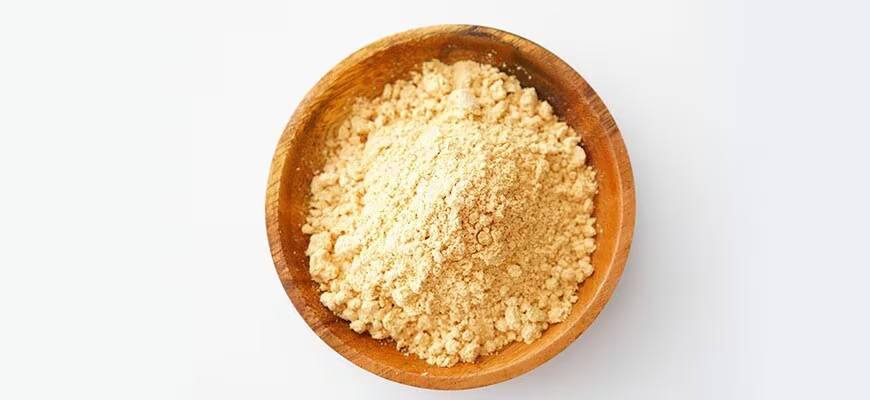
Soy Lecithin
Soy-derived lecithin is widely used due to availability and cost efficiency.
Before choosing soy lecithin, manufacturers should consider functional advantages:
• It offers reliable emulsification performance for oral and topical formulations.
• Pharmaceutical-grade soy lecithin can meet pharmacopeia standards such as USP or Ph. Eur.
However, allergen labeling considerations may influence product positioning in certain markets.
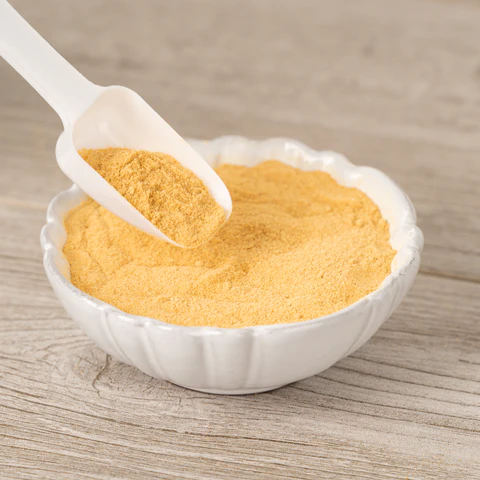
Sunflower Lecithin
Sunflower lecithin is gaining attention in pharmaceutical and nutraceutical sectors.
Manufacturers often prefer sunflower lecithin for several reasons:
• It supports non-GMO and allergen-friendly labeling strategies.
• It provides comparable phospholipid functionality to soy sources.
Although typically more expensive, it may offer marketing and regulatory advantages.
Egg Lecithin
Egg-derived lecithin is frequently used in injectable or liposomal drug delivery systems.
Its relevance in advanced pharmaceutical applications includes:
• High phosphatidylcholine content suitable for liposome formation.
• Excellent biocompatibility for parenteral use.
Cost and supply complexity, however, can limit large-scale applications.
Fractionated and Purified Lecithin
Highly purified lecithin fractions are essential for specialized pharmaceutical uses.
These advanced forms offer:
• High phosphatidylcholine concentrations for liposomal carriers.
• Consistent molecular composition for reproducible drug delivery behavior.
• Reduced impurities and improved regulatory compliance.
Pharmaceutical Applications of Lecithin Across Dosage Forms
Lecithin’s versatility allows it to be used across numerous pharmaceutical categories.
Liposomes and Nanocarriers
Lecithin forms bilayer vesicles that encapsulate drugs.
These structures provide:
• Controlled release profiles.
• Targeted drug delivery potential.
• Improved stability of sensitive molecules.
Liposome technology continues to expand in oncology, vaccines, and biologics.
Oral Drug Delivery Systems
Lipid-based delivery systems improve absorption of poorly soluble drugs.
Lecithin contributes by:
• Enhancing micelle formation.
• Increasing intestinal permeability.
• Supporting self-emulsifying drug delivery systems (SEDDS).
Topical and Transdermal Formulations
Skin delivery requires penetration through lipid barriers.
Lecithin supports this process by:
• Improving spreadability and texture of creams and gels.
• Enhancing dermal absorption of active ingredients.
• Reducing irritation compared to synthetic surfactants.
Parenteral Nutrition and Injectable Emulsions
Intravenous lipid emulsions rely heavily on lecithin.
Its role includes:
• Stabilizing oil droplets in aqueous systems.
• Providing biocompatible emulsification.
• Supporting safe infusion profiles.
Functional Advantages of Lecithin for Pharmaceutical Manufacturers
Lecithin provides multiple technical and economic benefits when properly selected and applied.
Improved Bioavailability
Before discussing formulation complexity, it is important to understand the absorption challenge.
• Lecithin enhances drug solubilization, improving bioavailability of lipophilic APIs.
Enhanced Stability
Formulation stability is essential for regulatory approval and shelf life.
• Lecithin stabilizes emulsions, suspensions, and liposomal systems.
Biocompatibility and Safety
Pharmaceutical excipients must meet strict safety standards.
• Lecithin’s biological similarity to cell membranes supports excellent tolerability.
Process Efficiency
Manufacturing performance directly affects production costs.
• Lecithin improves mixing efficiency and reduces phase separation during processing.
Regulatory Acceptance
Excipient approval pathways can delay product development.
• Lecithin has long regulatory history, facilitating approval processes in many markets.
Comparison of Lecithin Grades for Pharmaceutical Use
The following table provides practical insights for procurement and formulation teams.
| Parameter | Standard Lecithin | Pharmaceutical Grade | Highly Purified PC |
|---|---|---|---|
| Purity Level | Moderate | High | Very High |
| Regulatory Compliance | Limited | Pharmacopeia | Advanced |
| Liposome Suitability | Moderate | Good | Excellent |
| Cost | Low | Moderate | High |
| Batch Consistency | Variable | Reliable | Very Reliable |
| Application Scope | Topical/Oral | Broad | Specialized |
Selecting the correct grade requires balancing cost, regulatory needs, and functional performance.
Common Mistakes in Industrial Sourcing of Lecithin for Pharmaceuticals
Even experienced procurement teams sometimes overlook critical factors when sourcing lecithin.
Focusing Only on Price per Kilogram
Lower-cost lecithin may introduce variability or impurities.
This can lead to:
• Stability failures.
• Batch rejection.
• Regulatory complications.
Ignoring Phospholipid Composition
Different phospholipid ratios affect functionality.
Without proper specification control:
• Liposome formation may be inconsistent.
• Drug delivery efficiency may decline.
Inadequate Documentation Review
Pharmaceutical ingredients require extensive documentation.
Missing information can delay projects, including:
• Certificates of analysis.
• Residual solvent data.
• Allergen declarations.
Supplier Inconsistency
Reliable supply chains are essential for regulated products.
In our collaboration with pharmaceutical manufacturers, we have seen that switching suppliers mid-development can create significant regulatory and technical challenges.
Emerging Trends in Lecithin for Pharmaceuticals
The pharmaceutical excipient landscape is evolving rapidly.
Key trends include:
• Growth of lipid-based drug delivery systems.
• Increased demand for natural and biocompatible excipients.
• Expansion of mRNA and vaccine technologies using lipid carriers.
• Personalized medicine requiring advanced delivery systems.
• Sustainability and traceability expectations in sourcing.
Lecithin’s role continues to expand as drug molecules become more complex and delivery requirements more sophisticated.
Frequently Asked Questions from Pharmaceutical Manufacturers
What is the typical usage level of lecithin?
Usage varies widely depending on formulation type.
• Oral emulsions may use 0.5%–5%.
• Liposomal systems may require higher phospholipid concentrations.
Is lecithin suitable for injectable products?
Yes, but only pharmaceutical-grade lecithin meeting regulatory standards should be used.
Does lecithin affect drug release?
It can significantly influence release profiles.
• Proper formulation design is essential.
How should lecithin be stored?
Storage recommendations typically include:
• Cool temperatures.
• Protection from light and oxygen.
Which source is best for pharmaceutical use?
The choice depends on regulatory requirements, formulation goals, and supply considerations.
In our experience, manufacturers benefit from working with suppliers offering multiple lecithin grades to match specific applications.
Strategic Supplier Selection for Pharmaceutical Manufacturers
Pharmaceutical supply chains demand reliability, traceability, and technical expertise. Ingredient suppliers should provide not only materials but also documentation, technical support, and consistent quality.
Working with MT Royal enables manufacturers to access diverse lecithin options from multiple origins and purity levels, helping reduce sourcing risk while supporting formulation innovation.
We have found that strong supplier partnerships often accelerate product development timelines by minimizing troubleshooting and reformulation cycles.
Lecithin as a Platform Technology in Drug Delivery Innovation
Lecithin for Pharmaceuticals represents far more than a traditional excipient. It is a platform technology enabling advanced drug delivery systems, improved bioavailability, and patient-friendly formulations. From liposomes and nanoemulsions to topical therapies and injectables, lecithin’s molecular architecture supports innovation across therapeutic categories.
As pharmaceutical science continues to push boundaries—developing more complex molecules and targeted therapies—the importance of functional excipients will only grow. Manufacturers who understand lecithin’s structural behavior, sourcing requirements, and process integration will be better positioned to create effective, stable, and commercially successful products.
In pharmaceutical manufacturing, the smallest molecular interactions often determine the largest clinical outcomes. Lecithin sits quietly at that interface, shaping how medicines perform, how patients respond, and how efficiently factories operate.

No comment