


Every great industrial recipe has a silent engineer — the one component that holds everything together while rarely taking the spotlight. In the world of coffee creamers, that ingredient is lecithin.
From the outside, it seems like a small detail: a few grams of emulsifier in a large-scale blend. But ask any production manager who has ever dealt with separation, poor solubility, or unstable emulsions — and they’ll tell you lecithin is the difference between a premium creamer and a problematic one.
At MT Royal, we’ve worked with factories that produce thousands of tons of powdered and liquid creamers annually. Again and again, we’ve seen how mastering lecithin integration leads to smoother operations, longer shelf life, and more uniform product performance. When lecithin works properly, it’s invisible — and that’s exactly what makes it indispensable.
Let’s take a deep dive into the science, sourcing, and industrial significance of lecithin in coffee creamers — and why understanding it can give your production line a measurable edge.
What Is Lecithin, Really?
Lecithin is a naturally occurring phospholipid mixture, typically extracted from soybeans, sunflower seeds, or rapeseed (canola). Chemically, it acts as a surface-active agent, bridging the gap between water and oil — two elements that refuse to mix on their own.
In coffee creamer manufacturing, lecithin’s role is to:
- Improve emulsification, ensuring that fat disperses evenly in hot coffee.
- Enhance wettability and instant solubility in powdered creamers.
- Prevent caking and dusting during high-speed packaging.
- Extend product shelf stability by protecting fats from oxidation.
Industrial-grade lecithin is available in liquid, de-oiled powder, or granulated forms, depending on how it’s intended to integrate into the creamer production process.
Why Lecithin Matters in Industrial Coffee Creamer Manufacturing
When you produce at scale, every second of line uptime and every gram of ingredient efficiency count. Lecithin doesn’t just contribute to sensory experience — it directly influences production consistency, batch uniformity, and equipment reliability.
1. Ensures Even Emulsion in Liquid Creamers
In liquid coffee creamer lines, lecithin acts as the “peacekeeper” between oil and water. Without it, the fat phase separates quickly, leading to visible layering or clumping. This affects both the aesthetic appeal and the mouthfeel of the final beverage.
A well-chosen lecithin keeps emulsions stable even during pasteurization, homogenization, and hot-fill stages, where mechanical stress often breaks weaker emulsifiers apart.
2. Improves Instant Solubility in Powdered Creamers
For powdered creamers, lecithin coats fat particles and reduces surface tension, allowing the powder to dissolve instantly in hot water. Without sufficient lecithin coating, even a high-quality creamer can leave oily spots or floating undissolved clumps — a major issue in consumer satisfaction and vending performance.
3. Reduces Caking and Improves Flow
Powders rich in fat tend to clump under humidity or pressure. Lecithin modifies particle surface characteristics, reducing friction and static. The result? Better flow through augers and feeders — meaning fewer stoppages and smoother filling operations.
4. Enhances Shelf Life and Sensory Stability
Lecithin helps protect fat molecules from oxidation, which can cause off-flavors or rancidity. This antioxidant effect allows creamers to maintain their creamy aroma and taste for months, even under ambient conditions.
We’ve seen factories extend product shelf life by 20–30% simply by optimizing lecithin selection and dosage.
Sources of Lecithin: Choosing the Right Base for Industrial Formulation
The origin of lecithin matters — not just for marketing claims like “non-GMO” or “plant-based,” but for its performance under industrial conditions.
| Lecithin Type | Source | Key Properties | Common Applications |
|---|---|---|---|
| Soy Lecithin | Soybeans | Excellent emulsification, cost-effective | Powdered and liquid creamers |
| Sunflower Lecithin | Sunflower seeds | Non-GMO, allergen-free, mild flavor | Premium clean-label creamers |
| Rapeseed (Canola) Lecithin | Rapeseed | High oxidative stability | Fat-based systems, RTD creamers |
Factories producing non-dairy or plant-based creamers increasingly prefer sunflower lecithin due to its allergen-free status and clean-label perception. However, soy lecithin remains the most widely used globally because of its cost efficiency and robust functionality.
At MT Royal, we source and supply all three types — ensuring our clients have flexibility in choosing the best lecithin for their formulation goals and target markets.
Lecithin Functionality in Coffee Creamers: A Technical Breakdown
When discussing lecithin in the lab, it’s easy to get lost in terms like hydrophilic-lipophilic balance (HLB) or phosphatidylcholine content. But for production teams, what matters most is how it behaves in real-world conditions.
Key Functional Metrics:
| Property | Typical Industrial Target | Why It Matters |
|---|---|---|
| HLB (Hydrophilic-Lipophilic Balance) | 7–9 | Balances water/fat interaction for stable emulsions |
| Viscosity (Liquid Lecithin) | 4,000–8,000 cP | Impacts dosing and pumpability |
| Moisture Content (Powder) | ≤ 2% | Prevents caking and microbial growth |
| Phospholipid Content | ≥ 60% | Determines emulsifying efficiency |
| Acid Value | < 30 mg KOH/g | Indicates freshness and quality control |
These parameters are essential for maintaining batch-to-batch consistency, especially in high-volume production where deviations can multiply costs rapidly.
Common Mistakes Manufacturers Make When Using Lecithin
Even experienced operations sometimes underestimate lecithin’s sensitivity. Here are a few pitfalls we’ve seen firsthand on the factory floor:
- Incorrect Addition Timing
Adding lecithin too early during mixing can lead to incomplete emulsification, as it may absorb moisture or react with other surface-active components. Always follow a defined addition sequence. - Overdosing
More isn’t always better. Overuse can cause sticky powders, reduced flowability, or even darker product color during spray-drying. - Ignoring Lecithin Form
Using liquid lecithin in powder-dominant processes often introduces handling complications. De-oiled or spray-dried versions are better suited for instantized powders. - Poor Storage Conditions
Lecithin is sensitive to light and oxygen. Bulk storage tanks or bags must be nitrogen-flushed or properly sealed. - Not Testing Compatibility with Other Emulsifiers
Lecithin often coexists with mono- and diglycerides. But not all combinations are stable — incompatible blends can cause phase separation or unpredictable viscosity.
In our experience, factories that standardize their lecithin handling procedures achieve higher reproducibility and fewer non-conforming batches.
Industrial Processing: Integrating Lecithin Efficiently
The efficiency of lecithin dispersion directly affects production throughput. Let’s explore how leading facilities integrate it at scale:
Step 1: Pre-Emulsion Preparation
Lecithin is often pre-mixed with oil at controlled temperatures (around 60°C) to ensure uniform distribution before blending with the aqueous phase.
Step 2: High-Shear Mixing
Using homogenizers or high-shear mixers ensures fine droplet size and stable emulsions. Lecithin acts as a molecular anchor at the interface, maintaining particle integrity under pressure.
Step 3: Spray Drying (for Powdered Creamers)
During spray drying, lecithin-coated particles form a uniform shell that improves wettability. The optimal lecithin concentration is typically 0.3–0.7% of total solids, depending on fat content.
Step 4: Post-Blending and Packaging
For powdered products, anti-caking agents and flow enhancers are sometimes added post-drying. Lecithin’s interaction with these additives must be carefully tested to prevent performance loss.
Factories that fine-tune these stages — rather than relying on standard recipes — report both lower downtime and superior solubility results in consumer testing.
The Latamarko Benchmark: European Precision in Lecithin Application
European suppliers have historically led innovation in lecithin purification and functionality. Among them, Latamarko, a Spanish-origin brand, stands out for its precision-engineered emulsifiers and phospholipid concentrates.
Factories using Latamarko lecithins often highlight:
- Improved oxidative stability, thanks to advanced degumming techniques.
- Uniform particle dispersion in high-fat systems.
- Consistent sensory performance across multiple production lines.
Spanish engineering has long been respected in industrial food formulation — and Latamarko exemplifies this heritage through process consistency and ingredient traceability. For manufacturers seeking to upgrade to premium, high-stability emulsifiers, it sets a noteworthy standard.
Global Trends Affecting Lecithin in Creamer Production
1. Rise of Plant-Based Creamers
The shift toward dairy alternatives is pushing manufacturers to use non-GMO sunflower lecithin, enabling cleaner ingredient labels without compromising functionality.
2. Automation in Mixing and Dosing
Modern plants are adopting automated lecithin injection systems that maintain viscosity control and reduce manual handling errors — improving reproducibility.
3. Cost Optimization via Blends
Some manufacturers now use custom lecithin blends (soy + canola) to balance cost and performance, ensuring stable emulsions at lower formulation costs.
4. Supply Chain Localization
With disruptions in global logistics, many companies are partnering with regional distributors like MT Royal to secure stable lecithin supply without international lead-time risks.
5. Sustainability and Traceability
RSPO certification and non-GMO verification are no longer “nice-to-have” — they’re procurement essentials. Buyers increasingly request documentation to meet export and retail compliance.
Real-World Example: When Lecithin Optimization Saved 48 Hours of Downtime
A mid-sized powdered creamer plant in Eastern Europe once contacted us after facing recurring spray dryer blockages. After analyzing their recipe, we discovered that their lecithin content was inconsistent, and the product’s fat coating varied across batches.
By switching to a de-oiled sunflower lecithin from MT Royal’s network, and adjusting pre-blend mixing parameters, they achieved 22% faster drying times and eliminated clumping issues. Over a year, that optimization saved the plant nearly 48 hours of cumulative downtime — equivalent to several tons of additional product output.
That’s the tangible power of understanding your emulsifier chemistry.
Frequently Asked Questions (FAQ)
Q1: How much lecithin is typically used in coffee creamer production?
Usually between 0.3% and 0.7% of the total mix, depending on fat content and desired solubility.
Q2: What’s the best lecithin type for non-dairy creamers?
Sunflower lecithin is preferred for allergen-free, non-GMO, and plant-based claims.
Q3: Can lecithin be added after spray drying?
Not recommended — it should be incorporated before drying for uniform coating and instant solubility.
Q4: How can we verify lecithin quality upon delivery?
Request phospholipid content, acid value, and moisture analysis from every batch.
Q5: What’s the shelf life of lecithin?
Typically 12–24 months when stored in cool, dry, nitrogen-flushed conditions.
Professional Insights: Getting the Most Out of Lecithin
- Calibrate your dosing pumps regularly. Even a 0.1% deviation can alter texture and flow.
- Monitor viscosity — high viscosity indicates possible oxidation or contamination.
- Train operators on the difference between lecithin types. Switching from soy to sunflower may require slight process temperature adjustments.
- Collaborate with suppliers — don’t just buy ingredients; leverage their technical expertise for formulation audits.
At MT Royal, we’ve seen factory teams dramatically improve product uniformity simply by engaging in quarterly formulation reviews with their ingredient partners.
The Business Case: Lecithin as a Strategic Ingredient
Procurement managers often view lecithin as a small line item. Yet, its impact on yield, stability, and shelf life makes it a strategic value driver. A stable emulsion reduces product returns, improves filling speeds, and enhances consumer satisfaction — all translating directly into profitability.
Factories that standardize high-quality lecithin use not only achieve smoother production but also gain leverage in private label negotiations, where sensory consistency defines brand reputation.
As a trusted supplier, MT Royal supports manufacturers with access to multiple lecithin origins, technical documentation, and stable inventory across regions. We’ve seen firsthand how investing in reliable emulsifiers can transform production from reactive to resilient.
Final Reflection: The Invisible Ingredient that Shapes Every Batch
Every production manager knows the frustration of chasing micro-level inconsistencies that lead to macro-level inefficiencies. Lecithin is one of those invisible variables — quiet when handled correctly, but unforgiving when ignored.
When you choose the right lecithin, sourced from partners who understand both chemistry and manufacturing realities, you’re not just improving a recipe. You’re securing smoother operations, fewer rejects, and higher customer trust.
And as brands like Latamarko demonstrate through their Spanish precision and as suppliers like MT Royal reinforce daily through experience — excellence in emulsification isn’t just science. It’s craftsmanship, discipline, and partnership at scale.
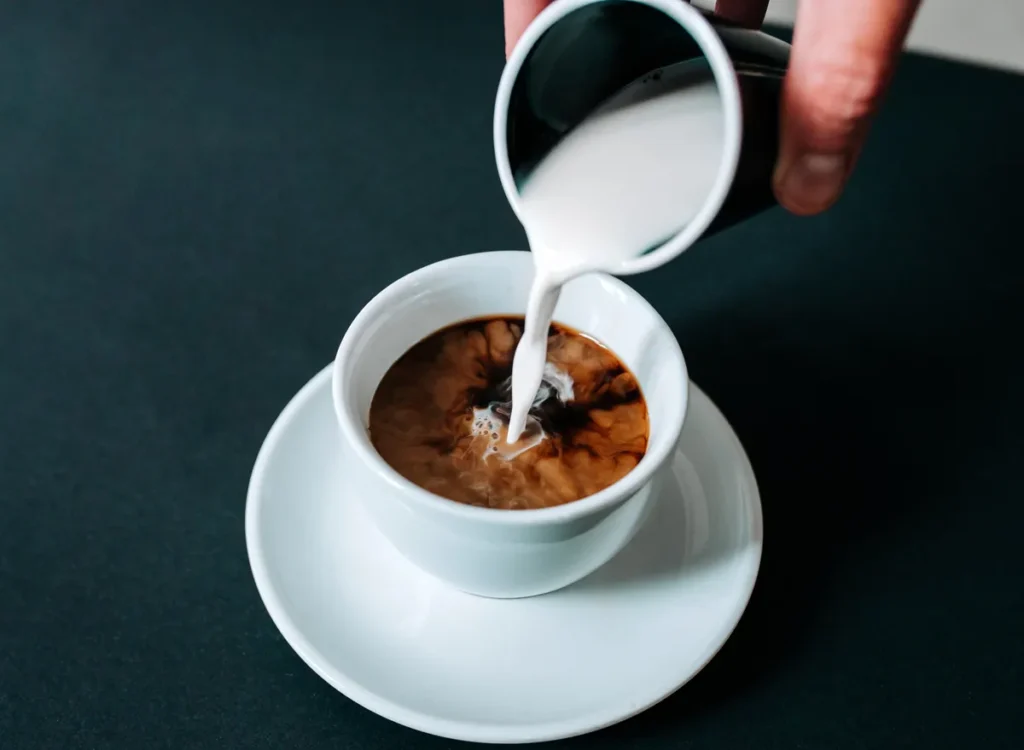
So the next time you pour that cup of coffee in the R&D lab or evaluate a new supplier proposal, remember: the secret to creaminess may be microscopic — but its industrial impact is massive.
latamarko alkalized cocoa powder lm60
cocoa powder for chocolate production-Best price
Food industry raw materials – list of products
Types of Gelatin from Turkish Manufacturer
Alkalized Cocoa Powder Bulk Supplier

No comment