

When your factory depends on ingredients that directly affect product quality, stability, and consumer satisfaction, choosing the right raw material partner becomes one of your most strategic decisions. Granular Sorbitol Bulk Supplier isn’t just a keyword—it’s a linchpin for quality, consistency, and cost‑efficient production in markets ranging from confectionery and pharmaceuticals to personal care and industrial chemicals. If you manage procurement or lead a manufacturing team, understanding how to source, evaluate, and implement granular sorbitol at scale can transform not just your supply chain, but the very performance characteristics of your products.
At MT Royal, we bring decades of experience working with a wide spectrum of factories—large and small, high‑volume and specialty producers. In our collaboration with various factories, we have seen that granular sorbitol ranks among those ingredients where slight differences in grade, particle size distribution, moisture content, or supplier reliability can ripple through entire production runs. That’s why this article takes a deep dive into the technical, commercial, and operational dimensions of sourcing granular sorbitol in bulk: from fundamental definitions and industrial applications, through common procurement pitfalls, to advanced insights and FAQs that matter to decision‑makers like you.
This is not merely a product overview. This is a practical, analytical, and expert‑level guide that aligns with real industrial realities—your quality specifications, your supply chain risks, and your production goals. If you’re evaluating suppliers, negotiating contracts, or optimizing formulations, the insights here will support you in making better informed, more strategic decisions.
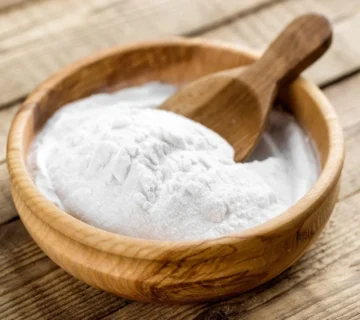
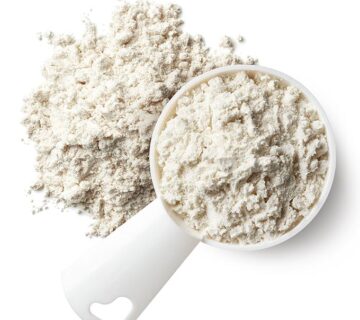
Sorbitol Powder Food Grade – Non-Crystallizing Agent for Food Applications
Understanding Granular Sorbitol: What It Is and Why It Matters
What Granular Sorbitol Is
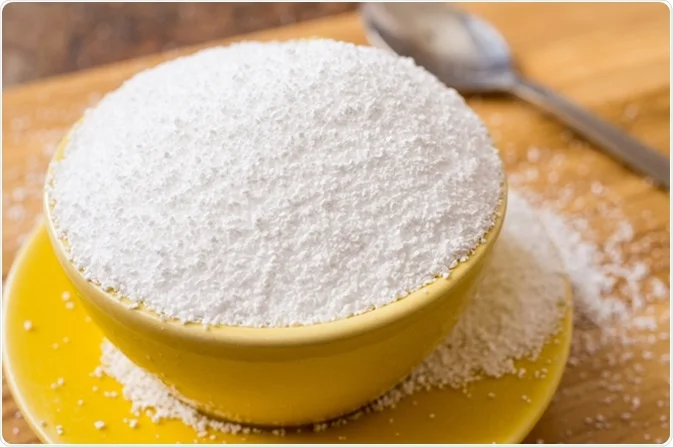
At its core, sorbitol is a sugar alcohol—a polyol—with a chemical formula that delivers sweetness, hygroscopicity (moisture retention), and stability. Unlike liquid glycerols, granular sorbitol comes as a free‑flowing, crystalline powder that is easier to handle, measure, blend, and transport in dry ingredient silos or packaging lines.
Key technical properties of granular sorbitol include:
- High purity with minimal residual solvents
- Controlled particle size distribution enabling predictable flow and blending behavior
- Low moisture content conducive to stable storage and reduced clumping
- Consistent physical characteristics that match formulation expectations
These attributes—especially when sourced from a reliable granular sorbitol bulk supplier—are what make the ingredient valuable across industrial sectors.
Industrial Importance of Granular Sorbitol
Your factory might utilize granular sorbitol for several critical performance characteristics:
- Sweetness with lower caloric content compared to conventional sugars
- Stabilization of moisture in baked goods, chewing gum, and confectionery
- Humectant properties in cosmetics and skincare formulations
- Binder and filler functionality in tablets and chewables in pharmaceutical manufacturing
- Controlled crystallization paths in specialty chemical applications
The cumulative impact of these functional roles is significant: improved texture, enhanced shelf life, predictable process performance, and regulatory compliance in food and pharma products.
Key Industrial Applications
To understand why granular sorbitol matters, consider a few real use cases:
- Confectionery: sorbitol provides sweetness while controlling crystal growth, preventing graininess in products like hard candies or gummies.
- Pharmaceuticals: as an excipient, it functions as a filler in tablets, contributing to compressibility and dissolution profiles critical to drug efficacy.
- Cosmetics: sorbitol stabilizes moisture and contributes to texture in creams, lotions, and gel systems.
- Food and Beverage: it serves as a texturizing agent, moisture regulator, and sugar substitute in sugar‑free or reduced‑calorie formulations.
At scale, these roles are not just functional—they are strategic. They help your products differentiate on performance, regulatory compliance, and consumer perception.
The Production and Supply Chain of Granular Sorbitol
To evaluate a granular sorbitol bulk supplier effectively, you need visibility into how the material is produced and how quality is maintained through the supply chain.
How Granular Sorbitol Is Made
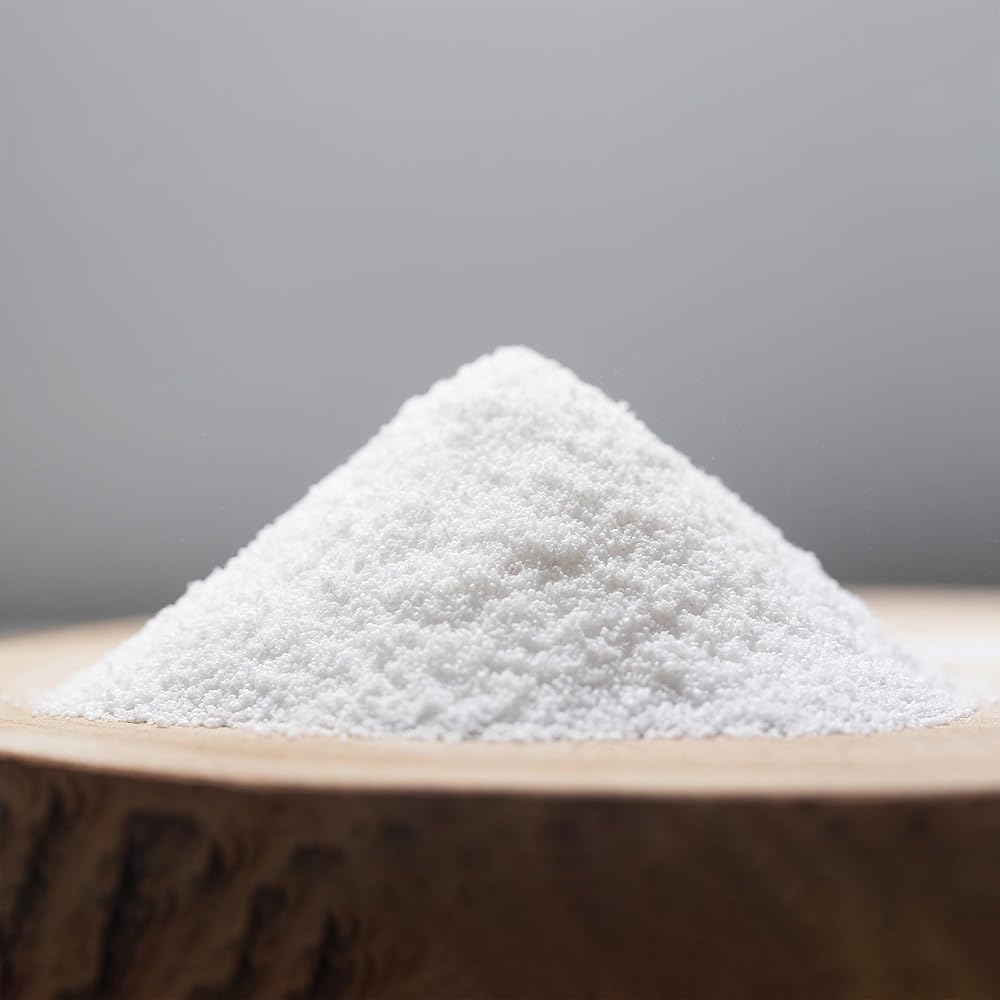
Industrial‑grade sorbitol is typically synthesized from glucose derived from starches such as corn or wheat through a hydrogenation process. The refined product then undergoes controlled crystallization steps to achieve a granular form with target particle size and moisture levels.
Critical steps include:
- Hydrogenation of glucose to produce sorbitol syrup.
- Refining the syrup to remove impurities and unreacted sugars.
- Crystallization and drying to produce granular sorbitol with the desired flow and moisture characteristics.
- Sieving and sizing to ensure particles fall within a narrow distribution range.
- Quality testing and certification before packaging and export.
Each step influences performance attributes that matter to your end product: solubility, compressibility, hygroscopicity, and even compression behavior in tablet presses.
Supply Chain Considerations
Sourcing granular sorbitol in bulk involves multiple layers:
- Raw material sourcing (starch feedstock, hydrogenation catalysts)
- Manufacturing partner quality systems
- Storage and handling environments
- Export logistics and documentation
- Import clearance in destination markets
A robust supplier understands all these facets—and can provide COAs (Certificates of Analysis), MSDS (Material Safety Data Sheets), and traceability documentation that align with your internal quality systems.
MT Royal works with partners who prioritize transparency in these areas, enabling your quality assurance and regulatory teams to integrate supplier data seamlessly into their workflows.
What to Look for in a Granular Sorbitol Bulk Supplier
When you evaluate options in the marketplace, the choice should be guided by both technical and commercial criteria that align with industrial requirements.
Specification Consistency
A top‑tier supplier should offer:
- Batch‑specific Certificates of Analysis
- Clear data on particle size distribution
- Moisture range confirmation
- Purity levels
- Residual impurities
Consistency is especially critical in sectors like pharmaceuticals, where even slight deviations can lead to formulation failures or regulatory scrutiny.
Quality Documentation
Your procurement team should insist on:
- Full COAs with traceability back to production batches
- MSDS documents aligned with international standards
- Regulatory compliance certificates where applicable (e.g., food grade, pharmacopoeial standards)
Acceptance of generic or templated documentation is a common mistake that later reveals hidden risks.
Traceability and Responsiveness
Source transparency is not just a buzzword. Being able to pinpoint a batch’s origin helps when issues arise in production or product audits. Responsiveness to inquiries reflects how a supplier will perform during supply disruptions, quality investigations, or demand spikes.
Logistics and Delivery Reliability
In bulk supply, the margin of error shrinks. Delayed shipments, customs holdups, or incorrect documentation can shut down production lines—an outcome far more costly than the commodity itself. Your supplier should provide:
- Accurate lead times
- Tracking documentation
- Export compliance support
- Flexibility for urgent shipments
Common Mistakes in Industrial Sourcing of Sorbitol
Procurement teams—including some experienced ones—can make errors that seem minor at first but grow into operational challenges.
Mistake 1: Prioritizing Price Without Context
A lower price per ton may hide:
- Higher moisture content
- Wider particle size distribution
- Weaker documentation quality
- Unstable supplier history
Price must always be weighed against quality assurance, logistics risk, and long‑term reliability.
Mistake 2: Accepting Insufficient Documentation
Generic COAs that are not batch‑specific undermine traceability and quality control. This becomes especially painful when your internal quality checks reveal deviations, and the supplier cannot correlate data to a production batch.
Mistake 3: Ignoring Compatibility with Your Process
Granular sorbitol from different suppliers can exhibit variations in flow properties or compressibility. If your production line relies on specific hoppers, feeders, or tablet press settings, these differences matter—and they matter quickly.
Mistake 4: Underestimating Storage Needs
Granular sorbitol is hygroscopic. Improper bulk storage can lead to clumping or moisture pickup, which then affects dosing accuracy and blending homogeneity. Your supplier should advise on storage conditions suitable for bulk inventory.
Mistake 5: Neglecting Regulatory Alignment
Different industries and markets have varying regulatory expectations:
- Food grade might require FCC certification
- Pharmaceutical usage may need USP or EP grade
- Industrial chemicals may have different documentation needs
Overlooking these distinctions can lead to costly reformulations or market barriers.
How to Compare Suppliers: Practical Framework for Manufacturers
Making a choice among multiple granular sorbitol suppliers can be simplified with a structured comparison.
Core Comparison Criteria
| Category | Why It Matters | What to Look For |
|---|---|---|
| Specification Precision | Ensures product performs as expected | Narrow particle size range, consistent purity, documented moisture |
| Quality Documentation | Supports audits and compliance | Batch COAs, MSDS, traceability |
| Supply Chain Resilience | Reduces risk of interruption | Proven delivery track record, backup capacity |
| Regulatory Compatibility | Necessary for market access | Certifications for food/pharma/industrial use |
| Logistics Management | Impacts turnaround time | Accurate lead times, export documentation support |
| Technical Support | Helps with application issues | Responsive technical service and formulation guidance |
| Price Transparency | Reflects true cost | Clear breakdown of costs, tariffs, shipping |
Example Evaluation Checklist
When reviewing proposals from potential suppliers, ask:
- Is the COA linked to the actual batch shipped to us?
- What is the particle size distribution?
- How is the material stored prior to shipment?
- What are typical lead times and shipping routes?
- Can the supplier provide regulatory documentation for all our target markets?
- Is technical support available to troubleshoot formulation concerns?
This checklist helps you avoid late‑stage surprises and ensures alignment with your manufacturing needs.
Industrial Tips for Large‑Scale Production
Beyond sourcing, optimizing how your factory uses granular sorbitol can improve efficiency and product performance.
Tip 1: Align Procurement with Production Forecasting
Avoid reactive purchasing. Forecasting your sorbitol needs several quarters ahead enables better pricing, inventory planning, and risk management.
Tip 2: Implement Entry‑Point Quality Checks
Even with strong documentation, verify key parameters—particle size, moisture, and purity—upon arrival. This protects your production line from off‑spec material.
Tip 3: Coordinate With R&D Early
When developing new products or adjusting formulations, involve procurement early to ensure the specifications you need are available at scale.
Tip 4: Monitor Storage Conditions Rigorously
Bulk storage environments must:
- Control humidity
- Maintain temperature stability
- Prevent cross‑contamination with other materials
This protects your inventory and minimizes waste.
Tip 5: Build Redundancy into Your Supply Network
Relying on a single supplier increases risk. Having at least a secondary source—or a supplier network with regional capabilities—can keep lines running during market disruptions.
Frequently Asked Questions from Factory Managers and Procurement Teams
What Are Typical Lead Times for Bulk Granular Sorbitol?
Lead times vary by supplier location, production capacity, and logistics routes. A good supplier will provide reliable delivery windows and communicate proactively about delays.
How Should Bulk Granular Sorbitol Be Stored?
Best practices include:
- Sealed, humidity‑controlled storage
- FIFO inventory rotation
- Regular moisture checks
Improper storage is one of the leading causes of performance variation.
Is Granular Sorbitol Used in Pharmaceutical Applications?
Yes—but only if it meets specific regulatory standards. Pharmaceutical applications often require USP or EP grade with robust documentation.
How Does Particle Size Affect Production?
Particle size influences:
- Flowability in hoppers
- Blending uniformity with other dry ingredients
- Tablet compression behavior
Consistent size distribution reduces process variation downstream.
What Documentation Should I Require?
At minimum:
- Batch‑specific COA
- MSDS
- Traceability data
- Export/import compliance certificates
This documentation supports quality control and regulatory audits.
Emerging Trends and Market Insights
Increasing Demand in Clean‑Label Products
Consumer preference for lower‑sugar, clean‑label products is driving demand for sugar alcohols like sorbitol. Manufacturers investing in sorbitol‑rich formulations are seeing expansion in categories like sugar‑free confectionery and reduced‑calorie baked goods.
Regulatory Scrutiny on Sweeteners
As governments refine labeling requirements, comprehensive documentation from suppliers is becoming a differentiator. Products must be defensible in both content and quality.
Sustainability Considerations
Feedstock origins and manufacturing energy use are increasingly relevant. Suppliers who can document sustainable, traceable practices stand out in competitive markets.
Technological Advances in Ingredient Analysis
High‑precision analytical tools enable tighter quality control, faster qualification of new lots, and deeper insight into how ingredient attributes interact with your processes.
A Strategic Perspective on Sourcing
Your choice of a granular sorbitol bulk supplier is more than a line item in a contract; it’s a decision that influences production continuity, product quality, compliance readiness, and financial performance. When you align sourcing with rigorous technical criteria, transparent documentation, and proactive logistics planning, your factory gains a measurable competitive advantage.
MT Royal works with manufacturers that share this commitment to excellence. By prioritizing suppliers with integrity, responsiveness, and comprehensive support systems, we help you build supply chains capable of supporting innovation and growth—without sacrificing stability or predictability.
The ingredients you choose matter. They shape your processes, empower your formulations, and define what your products become in the hands of customers and regulators alike. Selecting the right granular sorbitol partner brings you one strategic step closer to the performance, reliability, and distinction your factory deserves.

No comment