

When you manage a factory where ingredient performance influences product texture, stability, processing efficiency, and even regulatory compliance, choosing the right raw materials and partners is never trivial. Enzyme Modified Lecithin Supplier isn’t just a procurement phrase—it’s a strategic decision that impacts formulations across food processing, confectionery, pharmaceuticals, cosmetics, and specialty industrial applications. If your production relies on lecithin functionality—whether for emulsification, dispersion enhancement, or processing aids—then the quality, consistency, and sourcing strategy of this ingredient deserve serious technical scrutiny.
At MT Royal, we work closely with manufacturers across sectors who confront real challenges every day: fluctuating raw material markets, tightening compliance standards, and the constant pressure to deliver consistent quality to end customers. In our collaboration with various factories, we have seen that the right enzyme modified lecithin solution can improve processing throughput, reduce waste, and elevate product performance. This article is designed to be more than a surface‑level overview; it is a comprehensive, consultative resource tailored for industrial decision‑makers like you.
You’ll find deep insights into what enzyme modified lecithin is, how it’s produced and specified, common sourcing pitfalls to avoid, strategies to evaluate suppliers, best practices for large‑scale production, and a clear set of answers to frequently asked questions from factory managers and procurement teams. By the end of this guide, you should feel confident in your ability to assess, select, and deploy enzyme modified lecithin with a strategic lens that aligns with your production goals.
Understanding Enzyme Modified Lecithin: Definitions and Core Concepts
What Is Lecithin?
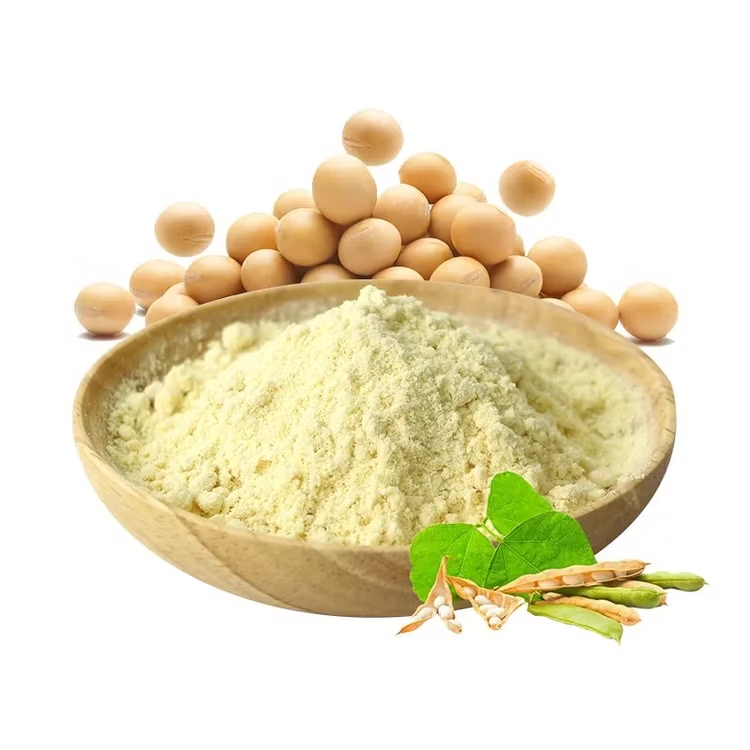
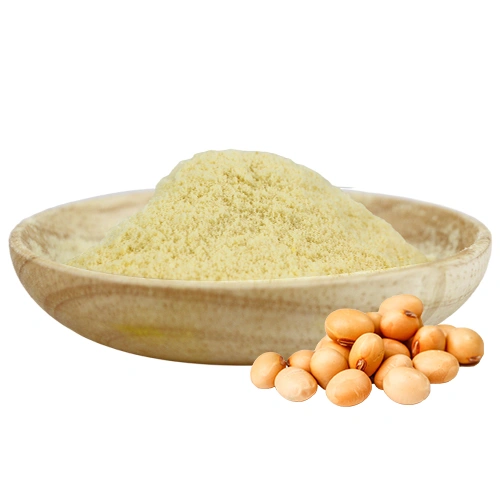
Before diving into enzyme modified lecithin, it’s essential to understand lecithin in its basic form. Lecithin is a mixture of phospholipids primarily extracted from plant sources such as soybeans, sunflower seeds, or rapeseed. Traditionally used as an emulsifier, lecithin reduces interfacial tension between oil and water, facilitating stable mixtures in food, pharmaceutical, and cosmetic systems.
Standard lecithin finds widespread use in:
- Bakery products (improving dough handling)
- Chocolate and confectionery (enhancing flow properties and gloss)
- Emulsified spreads and dressings (stabilizing oil and water phases)
- Cosmetic creams and lotions (improving texture)
- Pharmaceutical formulations (as a dispersant or solubilizer)
What Makes Lecithin “Enzyme Modified”?
Enzyme modified lecithin undergoes a targeted transformation using specific enzymes that alter the molecular structure of the phospholipids. The result is a lecithin variant with enhanced functional properties compared to natural lecithin.
When lecithin is “enzyme modified,” key performance characteristics can include:
- Improved water dispersibility
- Enhanced emulsification strength
- Controlled hydrophilic‑lipophilic balance (HLB)
- Tailored phospholipid profile for specific applications
Unlike chemically modified lecithins that rely on solvents or harsh reagents, enzyme modification uses biological catalysts to produce functional lecithin variants with precise performance outcomes and typically cleaner regulatory profiles.
Functional Benefits in Industrial Applications
From an industrial perspective, the functional enhancements of enzyme modified lecithin make it especially valuable in formulations where standard lecithin is insufficient. Consider these application advantages:
- Stable water‑in‑oil and oil‑in‑water emulsions
- Improved moisture management in bakery systems
- Enhanced product texture and mouthfeel
- Reduced dosage rates compared to standard lecithin
- Consistent performance across temperature ranges
Because of these advantages, many manufacturers seek enzyme modified lecithin not as a commodity, but as a performance ingredient that unlocks operational stability and product differentiation.
The Industrial Importance of an Enzyme Modified Lecithin Supplier
An enzyme modified lecithin supplier does much more than deliver raw material shipments. In large‑scale manufacturing, this partnership must align with your quality assurance systems, regulatory requirements, and supply chain reliability.
Technical Consistency and Documentation
Industrial manufacturers require suppliers who can deliver:
- Batch‑specific Certificates of Analysis (COAs)
- Clear documentation of functional performance characteristics
- Traceability from raw material source to final product
Without these assurances, variations in lecithin functionality—such as water dispersibility or phospholipid composition—can lead to inconsistent product quality and increased waste.
Supply Chain Predictability
Factories rarely operate on “spot forecasts.” A dependable enzyme modified lecithin supplier understands:
- Lead time variability and how to mitigate it
- Logistics and customs documentation for international shipments
- Inventory buffers and contractual volume planning
Effective supply chain management reduces risk of production stalling, helping you maintain throughput and avoid costly downtime.
Regulatory Compliance Support
Depending on your application—food, pharmaceutical, cosmetics, or industrial chemicals—regulatory frameworks may differ. A quality supplier should be able to provide:
- Regulatory certifications (e.g., food grade, GMP compliance where applicable)
- Allergen declarations (soy, sunflower, etc.)
- Material Safety Data Sheets (MSDS)
This documentation streamlines internal audits and external market access.
How Enzyme Modified Lecithin Is Produced
To evaluate suppliers effectively, you must understand the typical production pathway for enzyme modified lecithin.
Source Material
Lecithin feedstock commonly originates from:
- Soybean oil processing
- Sunflower oil extraction
- Rapeseed or canola refining
The choice of source influences the final functional profile, allergen status, and sustainability reporting.
Enzyme Modification Process
Unlike chemical modification, which can use solvents and generate unwanted by‑products, enzyme modification achieves targeted changes by applying specific enzymes to native lecithin. This controlled process can adjust:
- Phospholipid composition
- Degree of hydrophilicity
- Emulsification strength
Because enzymatic processes can be fine‑tuned, suppliers can deliver lecithin variants tailored to high‑performance industrial requirements.
Purification and Quality Control
Post‑modification steps often include:
- Removal of residual enzymes
- Quality filtration to remove impurities
- Drying and packaging under controlled conditions
Functional testing in laboratories ensures that each lot meets defined specifications.
Common Mistakes in Industrial Sourcing
Even seasoned procurement teams can fall into avoidable traps when sourcing enzyme modified lecithin. Recognizing these mistakes early can help your factory maintain quality and avoid costly oversights.
Mistake #1: Prioritizing Price Over Performance
An aggressively low price may be enticing, but in industrial formulations, lower cost often signals:
- Variable functional performance
- Weak documentation
- Poor supply chain reliability
In our experience with various factories, the upfront savings of the lowest price rarely outweigh the downstream costs of inconsistency, production instability, or reformulation.
Mistake #2: Accepting Incomplete Documentation
Vague or templated Certificates of Analysis (COAs) cannot support traceability. Your quality assurance team should be able to trace every lot back to its processing history, functional tests, and raw material source.
Mistake #3: Ignoring Functional Compatibility
Standard lecithin and enzyme modified lecithin behave differently. Some common errors include:
- Using a supplier that cannot tailor HLB to your formulation
- Assuming all enzyme modified lecithins are interchangeable
- Overlooking differences in water dispersibility or emulsification strength
A supplier must understand your specific application to recommend the correct variant.
Mistake #4: Underestimating Supply Chain Risks
Lead time variability, customs delays, and logistics bottlenecks can disrupt planned production runs. It’s critical to evaluate a supplier’s logistics competence along with their product quality.
Practical Comparisons for Manufacturers
To help you evaluate options objectively, the table below compares key criteria across typical lecithin sources and processing types:
| Criterion | Standard Lecithin | Enzyme Modified Lecithin | Chemically Modified Lecithin |
|---|---|---|---|
| Water Dispersibility | Moderate | High | High |
| Emulsification Strength | Standard | Enhanced | Variable |
| Regulatory Profile | Good | Cleaner (enzyme based) | Often challenging (chemical residues) |
| Functional Customization | Limited | High | Moderate |
| Consistency of Performance | Moderate | High | Variable |
| Suitability for Sensitive Applications | Moderate | Excellent | Depends |
| Documentation Traceability | Variable | High | Varies |
This comparison underscores why many industrial formulators prefer enzyme modified lecithin when consistent performance matters.
Specialized Industrial Tips for Large‑Scale Production
Large‑scale manufacturing presents unique challenges that extend beyond quality specification sheets. Here are tactical strategies based on real industrial experience:
Align Ingredient Specs With Process Requirements
Work with R&D and your supplier to define performance specs that match your production line:
- What is the target emulsification strength?
- What HLB range best suits your product formulation?
- How does water dispersibility affect mixing times and equipment wear?
Defining these criteria upfront reduces trial‑and‑error and minimizes downtime from reformulation.
Maintain Dual Supplier Options
While it’s efficient to have a primary partner, supply chain resilience improves when you qualify a secondary supplier that can meet your specifications in times of shortage or logistics strain.
Leverage Batch‑Level Testing
Even with stringent supplier COAs, integrate batch‑level functional testing upon receipt. This protects your process from discrepancies that might not be caught at the supplier’s end.
Optimize Storage Conditions
Lecithin, especially in modified form, benefits from:
- Dry, controlled environments
- Proper rotation (FIFO)
- Protection from contamination
Proper storage in your warehouse minimizes degradation and preserves functionality.
Traceability Integration With ERP Systems
Integrate supplier documentation into your enterprise resource planning (ERP) system. When regulatory audits or product investigations occur, having that traceability in your internal system saves time and builds confidence.
Frequently Asked Questions From Procurement and Factory Teams
What Makes Enzyme Modified Lecithin Better Than Standard Lecithin?
Enzyme modified lecithin delivers enhanced functional attributes such as higher water dispersibility and stronger emulsification. This often allows for lower usage levels and more predictable performance in complex formulations.
How Should We Evaluate a Supplier’s Documentation?
Look for:
- Batch‑specific Certificates of Analysis
- Raw material traceability
- Functional test results
- Stability data
- Regulatory compliance certificates
Generic documentation is insufficient for serious industrial use.
Does Source Matter?
Yes. Lecithin derived from soy may have different functional characteristics and regulatory implications compared to sunflower or rapeseed lecithin. Allergen management and market regulations vary by region and application.
What Are Typical Lead Times?
Lead times depend on production schedules, logistics routes, and destination country. A reliable supplier should provide realistic timelines, communicate delays proactively, and offer flexibility for urgent needs where possible.
How Do We Integrate New Lecithin Variants Into Existing Formulations?
Work closely with your R&D team and the supplier’s technical specialists. Pilot runs and functional testing in small batches uncover interactions with other ingredients and help optimize process parameters.
Emerging Trends in Lecithin and Industrial Raw Materials
Sustainability and Traceability
Eco‑conscious sourcing is no longer optional. Suppliers that offer traceability from crop to final modified lecithin help manufacturers meet sustainability goals and customer expectations.
Regulatory Tightening in Food and Pharma
As regulations evolve, documentation requirements and compliance scrutiny increase. Suppliers who invest in robust quality systems provide their customers with valuable downstream confidence in market access.
Personalized Functional Tailoring
High‑performance markets—such as specialized cosmetics, advanced coatings, and pharmaceutical excipients—demand tailored functionality. Suppliers that leverage enzyme processes to tailor lecithin performance are gaining traction.
Digital Supply Chain Integration
Real‑time tracking, automated documentation transfer, and API connections between supplier systems and manufacturer ERPs are becoming benchmarks for responsive supply chains.
Strategic Considerations for Your Supply Chain
Choosing the right enzyme modified lecithin supplier is a long‑term investment in product quality and operational efficiency. Your supplier should align with your technical needs, logistical expectations, and compliance frameworks.
At MT Royal, we emphasize deep understanding over transactional interaction. We encourage manufacturers to ask tough questions, compare documentation rigorously, and integrate supplier performance metrics into their quality and procurement scorecards. When ingredient choice becomes an informed, data‑driven decision rather than a reactive purchase, your factory gains measurable advantages:
- Reduced variability in product outcomes
- Lower waste through consistent processing behavior
- Stronger regulatory positioning through robust documentation
- Improved responsiveness to formulation challenges
Great partnerships begin with clarity in specification and trust in execution.
Your products rely on ingredients that behave predictably under pressure—in equipment, across shifts, and in demanding performance tests. Aligning with a supplier who understands industrial requirements as deeply as you do isn’t optional—it’s strategic. Thoughtful, informed sourcing of enzyme modified lecithin empowers your teams to innovate, execute, and deliver with confidence.


No comment