

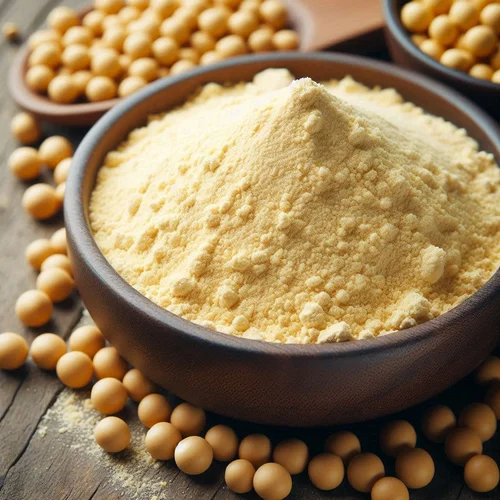
In the competitive world of functional beverages and nutritional products, ingredient selection isn’t just a technical decision—it’s a competitive strategy. Your formulation must deliver on taste, stability, mouthfeel, and consumer expectations for health benefits. Hydrolyzed Lecithin for Nutritional Drinks is a uniquely positioned ingredient that addresses multiple formulation challenges while enhancing product functionality. If you oversee formulation, procurement, or production in your factory, understanding both the science and the supply strategy behind hydrolyzed lecithin can elevate your product performance and reduce operational risks.
At MT Royal, we work with beverage manufacturers and ingredient specialists across continents, helping them source high‑performance raw materials that are reliable, traceable, and cost‑effective. In our collaboration with various factories, we have seen that choosing the right hydrolyzed lecithin—especially when used in water‑based systems like nutritional drinks—can reduce phase separation, improve mouthfeel, and enable cleaner labels. This article unpacks why hydrolyzed lecithin has become an essential functional emulsifier in the beverage sector and how you can assess, source, and implement it on an industrial scale.
Throughout this guide, you’ll find actionable technical insights, common industrial sourcing pitfalls, practical comparisons, specialized production tips, and answers to real questions from factory managers and procurement teams. Whether you’re launching a new protein drink or reformulating an existing electrolyte beverage, mastering how hydrolyzed lecithin behaves in your systems can save time, money, and product reformulation headaches.
What Is Hydrolyzed Lecithin and Why It Matters in Nutritional Beverages
Fundamental Definition of Lecithin and Hydrolyzed Lecithin
Lecithin is a complex phospholipid extract that is often sourced from soy, sunflower, or rapeseed. Traditionally used as an emulsifier in oil‑in‑water systems, lecithin is prized for its ability to align at interfaces and stabilize mixtures of otherwise immiscible components.
Hydrolyzed lecithin is created through a controlled enzymatic process that increases the hydrophilic (water‑loving) portion of the molecule. By partially breaking down the phospholipids, hydrolyzed lecithin becomes significantly more soluble in water, making it especially suited for beverages and liquid formulations.
In the context of beverage production, the advantages of hydrolyzed lecithin include:
- Superior dispersion in aqueous systems
- Enhanced emulsification and stabilizing action
- Improved mouthfeel and texture
- Better compatibility with high‑protein formulas
- Reduced risk of phase separation over shelf life
For nutritional drinks that combine proteins, fats, vitamins, and botanical extracts, this functional flexibility makes hydrolyzed lecithin a valuable ingredient.
Why Hydrolyzed Lecithin for Nutritional Drinks Is Gaining Traction
The rise of the functional beverage market—projected to grow at double‑digit CAGR in many regions—has prompted manufacturers to rethink formulations. Consumers demand products that are clean‑label, stable, and enjoyable, while production teams need ingredients that can scale, withstand thermal processing, and deliver predictable performance.
Hydrolyzed lecithin addresses many of these needs:
- It reduces creaming and oil floatation in fortified drinks.
- It improves wetting and solubility of powders when reconstituted.
- It enhances the sensory experience without masking flavors.
- It supports stability in cold‑filled and high‑protein systems.
- It enables reduction of synthetic stabilizers or emulsifiers.
These characteristics make it ideal for products such as:
- Protein shakes and recovery beverages
- Meal‑replacement drinks
- Electrolyte and energy beverages
- Vitamin‑fortified waters
- Functional teas and botanical drinks
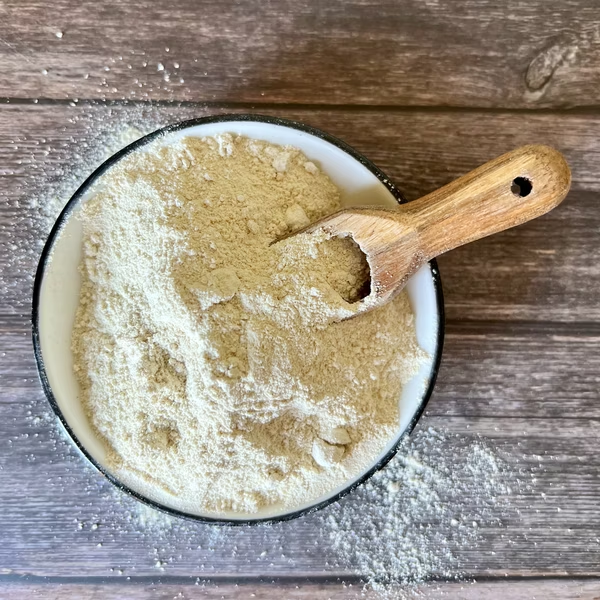
The Science Behind Hydrolyzed Lecithin Performance
To fully grasp why hydrolyzed lecithin performs differently from standard lecithin in nutritional drinks, it helps to look at its molecular behavior.
Hydrophilic‑Lipophilic Balance (HLB) and Solubility
Lecithin’s emulsification capacity is rooted in its amphiphilic nature—it has both hydrophilic and lipophilic regions. Hydrolysis shifts this balance, increasing water affinity and making the lecithin more soluble in aqueous environments.
This higher hydrophilic‑lipophilic balance (HLB) means that hydrolyzed lecithin can:
- Form stable micelles around oil droplets
- Improve interactions with proteins and polysaccharides
- Enable homogeneous dispersions without creaming
For high‑protein nutritional drinks where solubility and clarity are paramount, this property is a game changer.
Interactions With Proteins and Other Nutrients
Hydrolyzed lecithin can interact with protein molecules in your beverage system, reducing protein aggregation and improving dispersion. This is especially important in whey‑ or plant‑based protein drinks, where phase separation and sedimentation are common challenges.
By forming a protective layer around protein particles, hydrolyzed lecithin helps:
- Reduce grainy mouthfeel
- Improve shelf‑stability
- Enhance visual clarity or cloud character
These functional outcomes translate into better consumer perception and satisfaction.
Thermal Stability and Process Compatibility
Many nutritional drinks undergo heat treatment, pasteurization, or UHT processing. Hydrolyzed lecithin has demonstrated resilience in such environments, maintaining its emulsification action even after thermal stress. This makes it suitable for a wide range of beverage formats beyond room‑temperature products.
Common Mistakes in Industrial Sourcing of Hydrolyzed Lecithin
Even experienced procurement and formulation teams can make errors when sourcing hydrolyzed lecithin. These common mistakes can lead to quality inconsistencies, production delays, or cost overruns.
Mistake #1: Treating All Lecithin as Interchangeable
One of the most frequent errors is assuming that standard lecithin and hydrolyzed lecithin are functionally equivalent. In nutritional beverages, this is rarely true. Standard lecithin often lacks the water solubility required for phase‑stable, cold‑filled products. Always ensure the supplier clearly specifies the lecithin grade and its intended application.
Mistake #2: Ignoring Functional Specifications
Specifications such as HLB value, moisture content, dispersibility, and phospholipid profile are not optional details—they define how the ingredient will behave in your system. Insisting on robust Certificates of Analysis (COAs) ensures consistency between lots and supports audit‑ready documentation.
Mistake #3: Prioritizing Price Over Performance
Like any ingredient in industrial formulation, price is a factor. But prioritizing lowest cost without context can result in:
- Batch‑to‑batch performance variability
- Increased use rates to achieve desired functionality
- Additional stabilizers or process modifications
A consultative approach that balances price with documented performance, supplier reliability, and technical support often yields better long‑term outcomes.
Mistake #4: Failing to Validate Supplier Traceability and Compliance
For fortified beverages—especially those targeting regulated markets like children’s nutrition or medical nutrition—traceability and compliance documentation are critical. Certificates demonstrating non‑GMO status, allergen declarations, and manufacturing GMP standards should be part of your supplier evaluation.
Choosing the Right Hydrolyzed Lecithin for Your Beverage Line
Selecting the right variant of hydrolyzed lecithin depends on your formulation goals, production conditions, and market expectations. Here’s a practical comparison to help you align ingredient selection with functional outcomes.
Functional Comparison of Lecithin Types
| Feature | Standard Lecithin | Hydrolyzed Lecithin | Modified (Non‑Enzymatic) Lecithin |
|---|---|---|---|
| Water Solubility | Low | High | Moderate |
| Emulsification in Beverages | Limited | Superior | Variable |
| Mouthfeel Improvement | Moderate | High | Variable |
| Compatibility with Proteins | Moderate | High | Moderate |
| Cold‑Fill Applications | Poor | Excellent | Fair |
| Heat Stability | Moderate | High | Variable |
| Clean Label Potential | Good | Very Good | Depends |
This table helps clarify when hydrolyzed lecithin is the right choice: essentially whenever water solubility, protein compatibility, and emulsification strength are priorities.
Strategic Industrial Tips for Large‑Scale Beverage Production
Scaling from pilot batches to full production reveals challenges that aren’t always visible in development labs. The following tips reflect real industrial experience.
Tip #1: Validate Functional Performance With Your Exact Formula
Don’t assume that supplier performance claims automatically transfer into your product. Differences in pH, viscosity, nutrient load, and processing conditions can affect how hydrolyzed lecithin behaves. Controlled pilot trials are essential.
Tip #2: Integrate Supplier Technical Support Into Your R&D Cycle
A strong supplier relationship—like those MT Royal cultivates—can provide deeper technical insights, formulation optimization strategies, and analytical support. Treat your supplier as a partner in performance, not just a source of goods.
Tip #3: Optimize Dry Blending and Liquid Dispersion Steps
Hydrolyzed lecithin’s performance can be maximized when dispersion techniques are aligned with its functional properties:
- Pre‑hydrate in controlled shear mixers
- Use progressive cavity pumps for continuous blending
- Match temperature and pH parameters to improve solubility
Aligning process conditions with ingredient characteristics minimizes variation on the line.
Tip #4: Build Quality Control Protocols Around Key Parameters
Key metrics for hydrolyzed lecithin performance in beverages include:
- Particle size distribution
- HLB range
- Moisture content
- pH compatibility
- Viscosity in finished product
Establishing in‑house quality checks ensures your production line catches anomalies early—before products leave the facility.
Tip #5: Plan for Supply Chain Resilience
Hydrolyzed lecithin is a specialty ingredient and, depending on your location and global market conditions, lead times may fluctuate. Consider:
- Safety stock levels aligned with production cycles
- Dual‑sourced supply arrangements
- Forecast horizon visibility with your supplier
These precautions help avoid last‑minute scramble for materials that can disrupt production schedules.
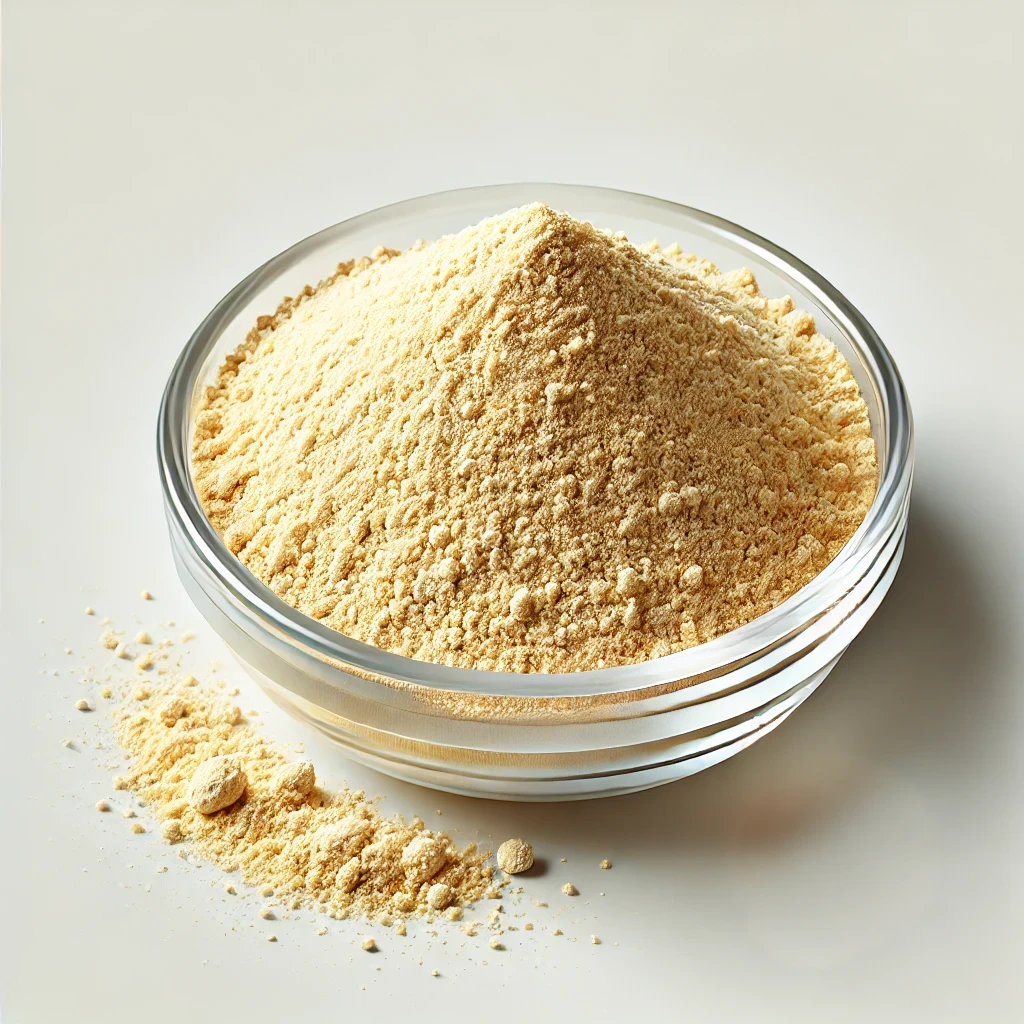
Frequently Asked Questions From Factory Managers and Procurement Teams
What Is the Typical Usage Level of Hydrolyzed Lecithin in Nutritional Drinks?
Usage varies significantly by formulation, but effective rates often range between 0.1% and 1.0% of total formulation, depending on fat content, protein load, and desired sensory profile. Always refine through pilot testing.
How Does Hydrolyzed Lecithin Affect Mouthfeel?
Hydrolyzed lecithin reduces friction between ingredients, improving smoothness and reducing graininess—especially in high‑protein beverages where mouthfeel can be a common complaint.
Can Hydrolyzed Lecithin Replace Synthetic Stabilizers?
In many formulations, hydrolyzed lecithin can reduce or replace synthetic stabilizers, such as mono‑ and diglycerides or certain gums. However, this depends on the overall formulation balance and processing conditions.
Is Hydrolyzed Lecithin Allergen‑Free?
This depends on the source. Soy lecithin may carry allergen declarations in some markets, whereas sunflower lecithin is often chosen specifically for its allergen‑friendly profile. Confirm sourcing and certification with your supplier.
What Documentation Should We Require From a Supplier?
At a minimum, your hydrolyzed lecithin supplier should provide:
- Batch‑specific Certificates of Analysis (COA)
- Allergen and source declarations
- Manufacturing process details
- Regulatory compliance documentation
- MSDS and technical data sheets
Emerging Trends Impacting Nutritional Beverage Formulation
Several industry trends are reshaping how manufacturers approach functional ingredients like hydrolyzed lecithin.
Rising Demand for Clean Label and Plant‑Based Ingredients
Consumers increasingly scrutinize ingredient lists, favoring recognizable, natural components. Hydrolyzed lecithin—especially when sourced from sunflower or non‑GMO soy—aligns with clean‑label positioning while delivering functional value.
Growth in High‑Protein and Functional Beverages
The global protein beverage market continues to grow steadily, driven by fitness trends, aging populations, and lifestyle nutrition. These products demand ingredients that support solubility, stability, and sensory appeal—areas where hydrolyzed lecithin excels.
Regulatory Focus on Additives and Processing Aids
Regulatory bodies are tightening scrutiny on additives and processing aids, particularly in fortified drinks or products marketed for children and medical use. Suppliers who can provide thorough documentation and traceability empower manufacturers to stay compliant.
Advances in Analytical Quality Control
Modern analytical techniques—such as high‑performance liquid chromatography (HPLC) and differential scanning calorimetry (DSC)—allow R&D teams to understand ingredient behavior at a granular level. Integrating these tools into supplier qualification processes elevates formulation predictability.
Taking a Strategic Approach to Ingredient Sourcing
Your choice of Hydrolyzed Lecithin for Nutritional Drinks is more than a checkbox on a purchase order. It’s a strategic decision that influences product stability, sensory experience, processing efficiency, and regulatory compliance. When you pair purposeful ingredient specification with disciplined procurement processes, your factory gains measurable advantages:
- Greater consistency across production runs
- Reduced waste from formulation instability
- Faster scale‑ups from R&D to commercial batches
- Better alignment with market and regulatory demands
At MT Royal, we approach ingredient sourcing as a collaborative journey, working alongside manufacturers to ensure that every batch of hydrolyzed lecithin meets the stringent functional, regulatory, and performance standards required in today’s beverage industry. Investing time in supplier evaluation, functional testing, and supply chain planning today reduces risk and unlocks new opportunities for product innovation tomorrow.
Whether you are reformulating existing beverages or designing next‑generation nutritional drinks, mastering the role of hydrolyzed lecithin in your systems is a strategic investment—one that yields dividends in product quality, production stability, and market success.

No comment