

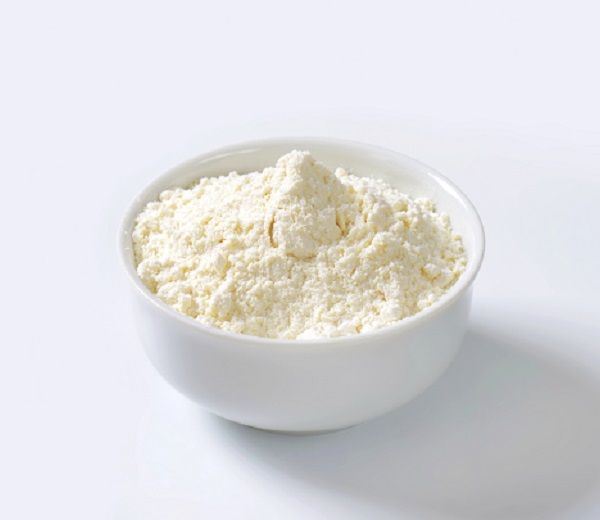
In today’s highly competitive processing environment, even the smallest formulation choices can ripple through your production line, product quality, and regulatory compliance. For factories producing baked goods, margarine, ice cream, nutritional bars, spreads, and emulsified sauces, Mono‑ and Diglycerides E471 Supplier isn’t just a vendor line item — it’s a strategic decision that impacts texture, stability, process efficiency, shelf life, and consumer acceptance. When your factory depends on consistent performance from emulsifiers, stabilizers, and surface‑active ingredients, selecting the right supplier becomes as critical as defining the functional specification itself.
At MT Royal, we understand these challenges from the inside out. In our collaboration with various factories, we have seen that partnering with a reliable Mono‑ and Diglycerides E471 Supplier who can consistently deliver quality, provide robust documentation, and support regulatory compliance is a decisive competitive advantage. This goes beyond simply buying an emulsifier — it’s about integrating a critical ingredient into complex formulations where reliability, traceability, and performance under pressure truly matter.
This in‑depth article is designed to equip your team — from procurement and QA to formulation and process engineering — with the most comprehensive industrial insights available on E471 sourcing, specification, and application. You’ll get clear explanations of core concepts, practical comparisons, common sourcing mistakes to avoid, advanced tips for large‑scale production, and answers to the critical questions every factory manager and procurement specialist is asking.
Mono- and Diglycerides Emulsifier – Latamarko Supplier
Understanding Mono‑ and Diglycerides E471: Definitions and Core Concepts
What Are Mono‑ and Diglycerides (E471)?
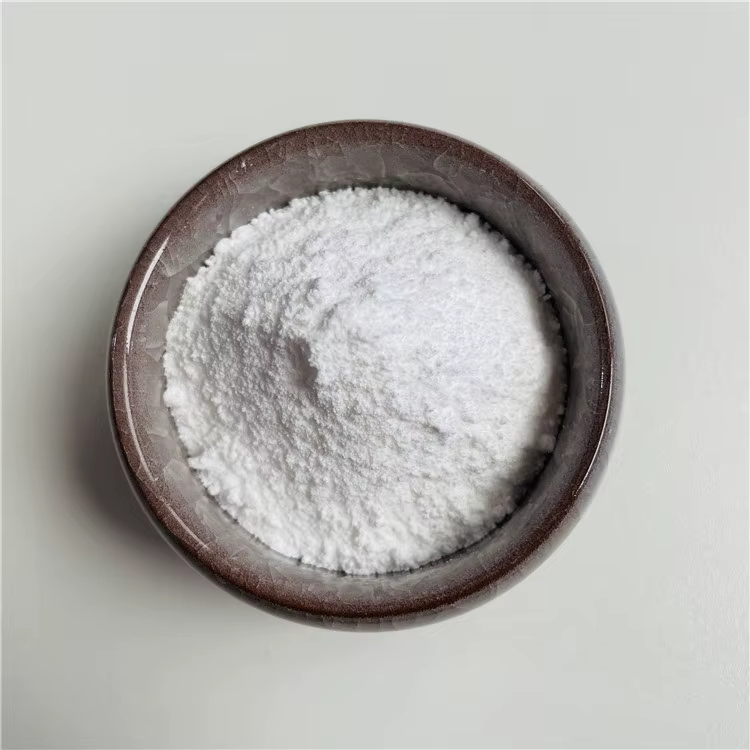
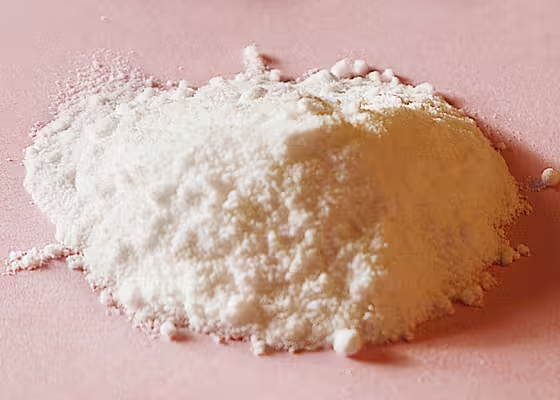
“E471” refers to mono‑ and diglycerides of fatty acids — food‑grade emulsifiers widely used in industrial food applications. Technically, mono‑ and diglycerides are glycerol molecules esterified with one or two fatty acid chains. These molecules act as surface‑active agents (emulsifiers) that reduce interfacial tension between immiscible phases such as oil and water, enhancing stability, texture, and shelf life.
Despite their simple chemical name, mono‑ and diglycerides E471 play a complex role in formulations by:
- Improving water‑fat dispersion
- Stabilizing emulsions
- Modifying crystallization in fats
- Enhancing aeration in batters and doughs
- Extending product freshness
These functionalities make E471 indispensable in bakery products, confectionery, dairy applications, and industrial sauces.
Functional Role in Industrial Formulations
In industrial bakery lines, E471 helps doughs achieve desired rheology, supports consistent volume in yeast breads, and enhances crumb structure without adding harsh functional agents. In frozen desserts and dairy blends, it prevents ice crystal coarsening, supports smooth mouthfeel, and stabilizes fat networks under freeze–thaw cycles. In spreads and dressings, it keeps oil and water phases together without separation over prolonged shelf periods.
From a technical perspective, E471 molecules consist of:
- Monoesters (mono‑glycerides) — strong emulsifying activity
- Diesters (di‑glycerides) — added stability and textural modification
The ratio of mono to diglycerides can vary depending on source and production, and this ratio influences functional outcomes.
Regulatory Context of E471
Mono‑ and diglycerides are globally recognized as safe food additives and are approved in major jurisdictions including the EU, US (FDA GRAS status), and many Asian markets. However, regulatory compliance is not automatic — documentation, labeling, and certificate availability must align with target market requirements.
This means your choice of Mono‑ and Diglycerides E471 Supplier isn’t just about cost — it’s about credible documentation and traceability that simplify audits and product registration globally.
Why the Right Supplier Matters in Industrial Production
Quality Consistency Underpins Product Reliability
Variability in emulsifier performance can cause:
- Phase separation in finished goods
- Variation in dough rheology during mixing
- Inconsistent gas retention in proofed products
- Textural defects in frozen or refrigerated products
In our work with food manufacturers, we’ve seen that even slight inconsistencies in functional additives can lead to significant process disruption — especially at high operating speeds where minor deviations get amplified across multiple shifts.
The right Mono‑ and Diglycerides E471 Supplier provides stable, lot‑to‑lot performance backed by detailed Certificates of Analysis (COAs), functional data, and documentation that supports food safety systems like FSSC 22000 and ISO 22000.
Documentation and Compliance Are Non‑Negotiable
For regulated products — especially those destined for export or institutional supply — documentation plays a central role in:
- Labeling compliance
- Allergen and additive declarations
- Safety audits
- Traceability and recall readiness
Leading suppliers support your QA team with:
- Batch‑specific COAs
- MSDS safety data sheets
- Regulatory certifications
- Traceability files from raw material to finished emulsifier
This level of documentation separates reactive supply relationships from strategic procurement partnerships.
The Supplier’s Role in Supply Chain Resilience
Procurement teams are all too familiar with how quickly supply chains can be disrupted — whether due to feedstock fluctuations, logistics bottlenecks, or regulatory delays at ports. A reliable Mono‑ and Diglycerides E471 Supplier builds contingency into supply agreements and helps you plan:
- Forecast visibility
- Long‑term contracts with volume safeguards
- Dual‑source strategies
- Flexible logistics options
This proactive approach minimizes downtime risk and supports predictable production planning.
Common Mistakes in Industrial Sourcing of E471
Even experienced professionals can make avoidable errors when sourcing emulsifiers at scale. Understanding these missteps can save your factory time, money, and quality headaches.
Mistake #1: Prioritizing Price Over Performance and Documentation
A low price per kilogram might appear attractive, but the hidden costs often show up in:
- Increased variability in product performance
- Higher usage rates to achieve functional targets
- Additional stabilizers needed to compensate
- More frequent quality deviations
Total Cost of Ownership (TCO) — including performance, waste reduction, and compliance support — should always outweigh simple price metrics.
Mistake #2: Relying on Generic Quality Declarations
Generic documentation without lot‑specific detail is a red flag. In regulated industries, generic certificates can expose you to audit risk and downstream compliance failures. Always require:
- Lot‑linked Certificates of Analysis
- Detailed test results for critical functional parameters
- Source and processing declarations
These documents support your QA system and simplify external verification.
Mistake #3: Ignoring Functional Variability Between Grades
Not all E471 is created equal. Differences in fatty acid profiles, free glycerol content, and mono‑ to di‑glyceride ratios can cause variations in performance. Without functional testing tied to your line conditions, you may find:
- Unanticipated mixing characteristics
- Unexpected effects on dough stability
- Inconsistent aeration in emulsified batters
- Separation challenges in high‑fat products
A supplier who understands functional outcomes can guide you toward the most appropriate grade for your application.
Mistake #4: Overlooking Supply Chain and Documentation Support
Even a technically sound emulsifier won’t make up for weak logistics or incomplete documentation. Failure to verify supplier capability in export compliance, lead time reliability, and customs readiness can result in production delays that cascade through KPIs and delivery schedules.
Practical Comparison: Emulsifier Options for Industrial Applications
To help manufacturers evaluate emulsifier choices, here’s a comparative snapshot of mono‑ and diglycerides versus other common emulsifiers:
| Feature | Mono‑ & Diglycerides E471 | DATEM (Diacetyl Tartaric Esters) | SSL/PSL (Sodium Stearoyl Lactylate) | Lecithin |
|---|---|---|---|---|
| Emulsification Strength | Strong | Very Strong | Moderate | Moderate |
| Dough Conditioning | Good | Excellent | Excellent | Lower |
| Frozen Stability | Very Good | Good | Fair | Fair |
| Bread Volume | Good | Very Good | Excellent | Moderate |
| Creaminess in Dairy | Very Good | Fair | Good | Good |
| Label Recognition | High | Moderate | Moderate | High |
| Flexibility Across Applications | Very High | Application‑Specific | Bakery Focus | General Use |
| Suitable for Clean Labels? | Yes (Depending on source) | Yes | Yes | Yes |
This comparison illustrates that while other emulsifiers have niche strengths, mono‑ and diglycerides provide a powerful blend of versatility and consistent functional performance across many food categories.
Advanced Industrial Tips for Large‑Scale Production
When you scale from pilot trials to full production, the stakes change — small formulation deviations become big process realities. Here are expert tips drawn from industrial experience to help you integrate E471 effectively:
Match Emulsifier Grade to Processing Conditions
Not all mono‑ and diglycerides behave the same under heat, shear, or extended mixing. Evaluate grades based on:
- Thermal stability under your bake or cook profiles
- Performance under mechanical shear on mixers
- Compatibility with sugar, fat, and protein levels
- Behavior under freeze–thaw cycling
Functional testing under real line conditions is essential.
Optimize Addition Points in Production Flow
Where and when you add emulsifier in your process affects functionality. Best practices often involve:
- Introducing E471 during early hydration stages
- Ensuring even dispersion before high shear
- Avoiding delayed addition that leads to clumping
A consistent addition protocol improves dispersion and minimizes variability.
Calibrate Mixing Equipment With Emulsifier Characteristics
Viscosity modifiers like E471 interact with equipment differently compared to bulk ingredients. Work with process engineers to:
- Adjust impeller speeds
- Fine‑tune batch sizes
- Modify mixing times
- Standardize temperature profiles
These adjustments reduce energy use and improve batch uniformity.
Monitor Quality Attributes Across Lots
Even with a stable supplier, lot‑to‑lot checks are essential. Recommended in‑house quality checks include:
- Melting point range
- Free glycerol content
- Fatty acid distribution
- Functional validation in pilot mixing
These safeguards maintain line performance and ensure predictable outcomes.
Build Redundancy and Forecast Visibility
Industrial supply chains benefit from visibility and resilience. Work with your supplier to:
- Share demand forecasts months ahead
- Lock in volume tiers and pricing bands
- Establish safety stock thresholds
- Track supplier performance metrics
This planning mitigates risk and reduces last‑minute sourcing stress.
Frequently Asked Questions from Procurement and Factory Teams
What Are Typical Usage Levels of E471 in Industrial Formulations?
Usage varies by application. For example:
- Bakery products: 0.2–1.0% of flour weight
- Margarines and spreads: 0.5–1.5% of total fat
- Ice creams and frozen desserts: 0.1–0.5% of mix weight
- Dressings and sauces: 0.2–0.8% of total formulation
Always validate these ranges through pilot evaluations tailored to your product matrix.
How Do I Verify Supplier Quality Documentation?
Your supplier should provide:
- Batch‑specific COAs
- Functional performance data
- MSDS and safety data
- Traceability from raw feedstock
Review documentation in conjunction with your QA system standards (FSSC 22000, HACCP, ISO 22000).
Can E471 Help With Stale‑Life Improvement?
Yes — by strengthening the emulsification of fats and water, E471 can reduce fat migration and improve moisture retention, which slows staling in bakery products.
Is E471 Suitable for Clean Label Positioning?
It depends on the raw material source and labeling rules in your market. E471 can be compatible with clean label strategies when sourced from non‑GMO or natural feedstocks.
How Should E471 Be Stored in Bulk?
Best storage practices include:
- Cool, dry conditions
- Sealed packaging
- FIFO inventory rotation
- Protection from heat and humidity
Proper storage preserves emulsifier quality and functional integrity.
Emerging Trends and Market Insights
Trend: Demand for Multi‑Functional Ingredients
Manufacturers increasingly seek ingredients that deliver more than a single function. E471’s combination of emulsification, dough conditioning, and shelf‑life enhancement makes it valuable in multi‑functional formulation strategies.
Trend: Clean Label and Transparency
Clean label demands are reshaping ingredient sourcing. Suppliers who provide source transparency, non‑GMO options, and detailed traceability documentation support manufacturers seeking premium positioning.
Trend: Advanced Analytical Quality Control
Modern production facilities adopt advanced analytical tools (e.g., DSC, rheometry, chromatography) to quantify emulsifier performance and validate functional outcomes at scale — elevating quality control beyond traditional sensory checks.
Trend: Supply Chain Resilience Planning
Global logistics volatility has driven manufacturers to tighten inventory planning, build diversified sourcing strategies, and invest in supplier performance tracking — all of which support operational continuity.
Strategic Considerations When Choosing a Supplier
Selecting the right Mono‑ and Diglycerides E471 Supplier is more than a cost negotiation — it’s a strategic partnership. When you work with a supplier who understands your functional needs, can provide robust documentation, and supports long‑term planning, you level up your operational resilience.
At MT Royal, we work with manufacturers who seek technical clarity, supply chain predictability, and performance confidence. We encourage teams to ask suppliers deep technical questions, validate specifications through functional tests, and align procurement goals with production realities.
Great ingredient partnerships are built on shared expectations, mutual understanding, and shared performance metrics — not just the lowest price.
Choosing the right emulsifier partner empowers your product development, improves your line reliability, and supports long‑term strategic growth. When your factory’s output depends on consistency under pressure, every decision counts — especially the one you make about who supplies your emulsifiers.


Dear Sir or Madam,
I am Leonardo Lamanna, Professor at the University of Salento. We are currently developing high-fat-content food emulsions for an industrial application, with the aim of introducing these products directly to the market.
We are looking for food-grade E471 mono- and diglycerides. We have tested several commercial products and obtained promising results in some cases; however, the mono-/diglyceride content is not always clearly specified, nor is the fatty acid composition used in their production.
We would like to know whether you can develop customized formulations or whether you already have suitable products in your portfolio. One aspect we have observed is that a broad distribution of molecular species may be beneficial for our system. In this regard, DSC analysis would probably be the most useful characterization technique to assess whether your existing formulation could meet our requirements.
Could you help us? Any available technical information, specifications, or thermal characterization data would be highly appreciated.
I remain at your disposal for any further clarification and look forward to hearing from you.
Sincerely,
Leonardo
Dear Professor Leonardo Lamanna,
Thank you for your email and for your interest in our food ingredient solutions.
We are pleased to learn about your research and development work regarding high-fat-content food emulsions and their industrial commercialization.
At MT Royal Co., through our GUMATINO® product range, we supply food-grade E471 mono- and diglycerides for various food applications. We would be glad to evaluate your technical requirements and determine whether one of our existing products may be suitable for your system.
Regarding your inquiry, we would appreciate receiving additional information about:
The intended application of the emulsion
Fat composition and fat content of the system
Processing conditions
Desired melting profile and functional characteristics
Any target DSC parameters or thermal behavior requirements
Based on this information, we can discuss the most appropriate formulation options. We can also check with our manufacturing partners regarding the availability of detailed technical documentation, including mono-/diglyceride composition, fatty acid profile, DSC data, and other analytical information where available.
If required, we may also evaluate the possibility of a customized formulation subject to technical feasibility and commercial quantities.
We would be pleased to receive further details about your project and explore potential cooperation.
Thank you once again for contacting us, and we look forward to your reply.
Best regards,
Dr. Meryem Bilgin
Commercial Manager
MT Royal Co.
GUMATINO® Food Ingredients