

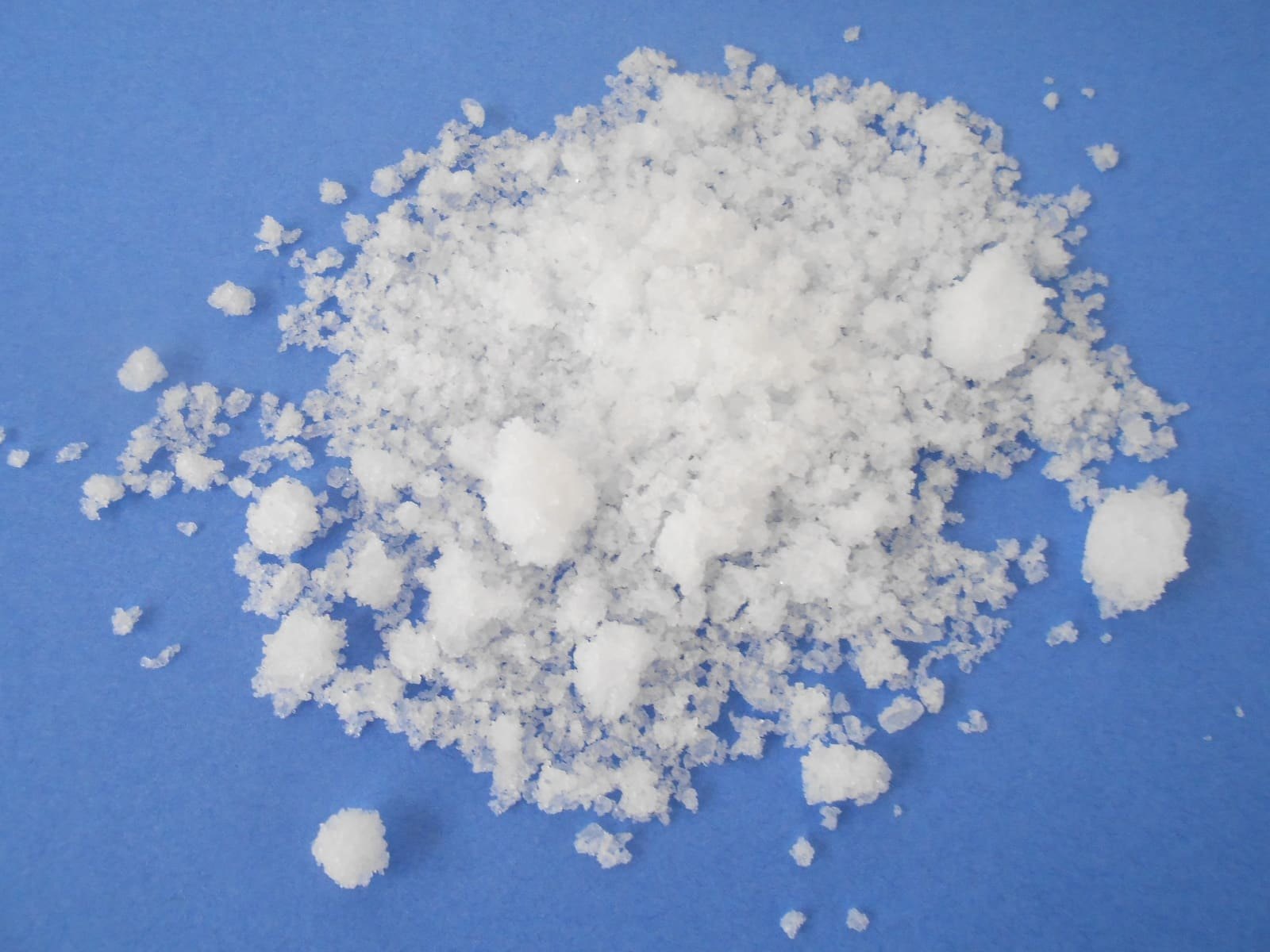
In industrial food production, the choice of emulsifiers can significantly influence product quality, consistency, and process efficiency. Ammonium Phosphatides E442 have become an essential ingredient in chocolate, confectionery, and fat-based systems, offering unique emulsification and flow control properties that simplify large-scale production. Selecting a trusted Ammonium Phosphatides E442 Exporter like MT Royal ensures not only reliable sourcing at competitive prices but also access to multiple brands, technical guidance, and regulatory documentation, all of which are vital for high-volume manufacturing.
Understanding how E442 functions, its applications, industrial processing tips, and sourcing best practices enables factories to optimize formulations, reduce waste, and achieve predictable production outcomes. This comprehensive guide explores everything you need to know to make informed decisions about incorporating ammonium phosphatides into your manufacturing processes.
What Are Ammonium Phosphatides (E442)?
Ammonium Phosphatides (E442) are a class of emulsifiers derived from lecithin and ammonium salts of phosphoric acid esters. These molecules are particularly valued for their ability to control viscosity, improve flow properties, and stabilize fat-containing systems.
Key functional attributes include:
- Emulsification – E442 aligns at oil-water interfaces to create stable emulsions, preventing phase separation in chocolate, cocoa butter substitutes, and other fat-based products. This is crucial for maintaining product consistency across high-speed production lines.
- Viscosity Modification – By reducing the viscosity of chocolate and cocoa mass, E442 improves moldability, pumping, and coating efficiency, enabling smoother operations in automated systems.
- Plasticity Enhancement – In confectionery, E442 improves spreadability and softens textures without compromising structural integrity, allowing more uniform product appearance and mouthfeel.
- Process Efficiency – It minimizes sticking in extruders, molds, and depositor nozzles, reducing cleaning frequency and downtime.
Factories incorporating E442 into their processes benefit from enhanced product stability, improved machinability, and reliable performance across large-scale operations.
Importance of Partnering with a Reliable Exporter
Sourcing E442 is not simply about purchasing an emulsifier—it is a strategic decision impacting quality, compliance, and operational continuity:
- Batch Consistency – A dependable exporter provides emulsifiers with uniform composition, reducing variability and ensuring predictable behavior across production runs.
- Regulatory Compliance – Industrial buyers require full certificates of analysis (COA), food-grade certifications, and adherence to international standards for export markets.
- Supply Chain Reliability – High-volume lines cannot afford interruptions. Partnering with exporters like MT Royal ensures timely delivery of bulk shipments, minimizing downtime.
- Technical Consultation – Experienced exporters offer guidance on dosage optimization, process integration, and troubleshooting, providing value beyond the product itself.
In our collaboration with multiple factories, we have observed that working with strategic exporters significantly reduces production variability and enhances overall operational efficiency.
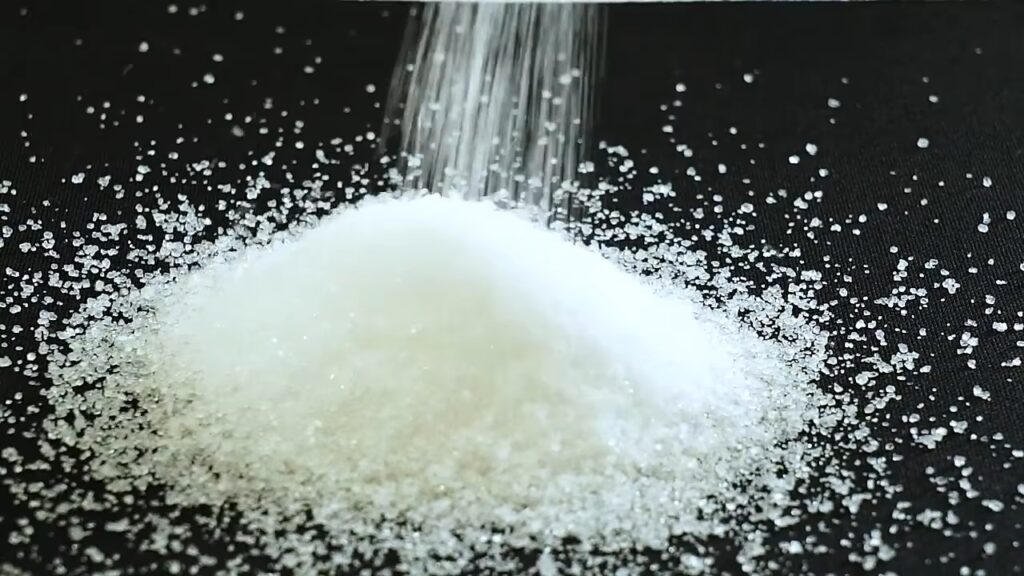
Industrial Applications of Ammonium Phosphatides E442
E442 is versatile and widely used in multiple sectors. Understanding application-specific benefits allows manufacturers to maximize both performance and cost-effectiveness.
Chocolate and Cocoa-Based Products
- Viscosity Reduction – E442 decreases chocolate viscosity, facilitating pumping, molding, enrobing, and coating processes without altering flavor or appearance.
- Fat and Sugar Distribution – Enhances dispersion of sugar and fat, preventing grainy textures in chocolate and confectionery fillings.
- Tempering Stability – Improves handling properties of chocolate during tempering, allowing more predictable crystal formation and uniform shine.
Confectionery and Spreadable Products
- Plasticity Control – E442 improves the spreadability of fat-based creams, nut pastes, and fondants, ensuring consistent texture in deposits, creams, or layers.
- Aeration Management – Stabilizes foamed or aerated systems in marshmallows, nougats, and mousse, maintaining uniformity throughout production.
- Shelf-Life Extension – Reduces fat migration and texture degradation over time, enhancing product longevity and customer satisfaction.
Bakery and Fat-Based Systems
- Dough and Crumb Quality – When incorporated in laminated doughs or bakery fats, E442 improves plasticity, making dough easier to handle and reducing tearing or cracking.
- Emulsion Stabilization – Prevents phase separation in margarine, shortenings, and fillings, ensuring consistent spreadability and performance.
Industrial and Specialty Applications
- Nutritional and Functional Products – E442 stabilizes emulsions in plant-based spreads, dietary bars, and fortified foods, supporting uniform nutrient distribution.
- Export-Ready Formulations – For manufacturers supplying international markets, E442 ensures consistency in texture, melting behavior, and flow properties required for global standards.
Technical Specifications to Consider
Choosing the right E442 for industrial use requires careful evaluation of technical parameters:
- Purity and Active Content – High purity ensures effective emulsification, predictable dosage, and reduced variability.
- Phosphoric Acid Ester Ratio – Determines the emulsifier’s strength and interaction with fats, impacting chocolate viscosity and plasticity.
- Moisture Content – Excess moisture can compromise stability and dispersibility in fat systems.
- Solubility and Particle Size – Fine, uniform particles disperse rapidly, ensuring consistent emulsification and viscosity control.
- Organoleptic Properties – High-grade E442 is flavor- and odor-neutral, preventing alteration of the final product’s sensory qualities.
Evaluating these factors helps manufacturers select the right grade for specific applications, improving batch consistency and process reliability.
Common Sourcing Mistakes in Industrial Procurement
Even experienced procurement teams can make errors when sourcing E442:
- Focusing Only on Price – Low-cost alternatives may require higher dosage, reduce process efficiency, or compromise product consistency.
- Overlooking Supplier Documentation – Missing certificates of analysis or regulatory compliance can cause legal or logistical challenges.
- Neglecting Storage Considerations – E442 is sensitive to humidity and temperature; improper storage can reduce functionality and shelf life.
- Ignoring Technical Support – Suppliers lacking process expertise may limit your ability to optimize emulsifier performance or troubleshoot effectively.
Avoiding these mistakes ensures that E442 contributes positively to both production efficiency and product quality.
Comparisons with Other Emulsifiers
Manufacturers often evaluate E442 alongside other emulsifiers such as Lecithin, Glycerol Monostearate (GMS), and Polyglycerol Esters:
- E442 vs Lecithin – E442 provides stronger viscosity control and better plasticity in chocolate and fat-based systems, while lecithin primarily enhances emulsification.
- E442 vs GMS – GMS improves dough machinability and moisture retention, but E442 excels in chocolate flow control and plasticity enhancement.
- E442 vs Polyglycerol Esters – Polyglycerol esters are effective in complex emulsions, but E442 offers multifunctional advantages in confectionery, bakery, and fat systems, particularly for viscosity and flow optimization.
Selecting the right emulsifier requires understanding both product goals and production requirements.
Industrial Processing Tips for Maximum Efficiency
To maximize E442 performance in high-volume manufacturing:
- Optimal Dosage – Typically ranges from 0.2% to 0.5% depending on chocolate or confectionery type. Excessive usage may lead to overly soft texture or altered melting characteristics.
- Dispersion Techniques – Pre-mixing with fats or cocoa mass ensures uniform integration and prevents localized over-concentration.
- Temperature Management – Controlled addition during tempering or fat melting preserves functional properties and prevents crystallization issues.
- Synergistic Use – Combining E442 with other emulsifiers or stabilizers can optimize texture, shelf life, and process efficiency.
Applying these techniques reduces variability, enhances product consistency, and improves overall line efficiency.
Quality Control and Storage
Maintaining E442 integrity is crucial for predictable industrial outcomes:
- Cool, Dry Storage – Prevents moisture uptake and caking.
- Sealed Packaging – Maintains emulsifier functionality during transport and storage.
- FIFO Inventory Management – Ensures older stock is used first, preserving consistency.
- Routine Performance Checks – Pilot testing ensures that the emulsifier meets expected performance before large-scale production.
Proper storage and monitoring prevent production interruptions and safeguard ingredient value.

Cost-in-Use Perspective
Price per kilogram is only one factor when evaluating industrial emulsifiers:
- Dosage Efficiency – High-quality E442 reduces required quantities, lowering overall ingredient costs.
- Yield Improvement – Enhanced flow and spreadability reduce waste and improve throughput.
- Downtime Reduction – Consistent functionality minimizes stoppages and labor interventions.
- Waste Minimization – Slower texture degradation and reduced fat migration extend product shelf life.
We have observed that strategic sourcing of E442 often results in measurable improvements in production efficiency and product consistency, outweighing minor price differences between exporters.
Emerging Trends in E442 Use
Industrial applications of E442 are influenced by evolving market trends:
- Clean Label and Transparency – Export markets increasingly require ingredient traceability, certifications, and sustainable sourcing practices.
- Automation – High-speed production lines demand emulsifiers with predictable behavior under mechanical stress.
- Sustainability Focus – Eco-friendly sourcing and energy-efficient production methods are becoming significant competitive differentiators.
Suppliers who provide both technical support and sustainability documentation enable manufacturers to meet these evolving industry demands.
Supplier Selection Considerations
When choosing an Ammonium Phosphatides E442 Exporter, consider the following:
- Batch Consistency – Ensures predictable performance in large-scale production.
- Regulatory Documentation – COA, food-grade certifications, and export compliance reports are essential.
- Logistics Reliability – Timely deliveries prevent line stoppages and maintain production schedules.
- Technical Consultation – Expert guidance on dosage, processing, and troubleshooting enhances production outcomes.
MT Royal offers multiple brands, reliable documentation, and consultative support, helping manufacturers optimize both sourcing and production performance.
Frequently Asked Questions
Q: Is E442 suitable for all chocolate types?
A: Yes, but viscosity reduction and plasticity effects may vary with cocoa content. Dosage adjustments optimize results.
Q: Can E442 replace lecithin entirely?
A: Not always. E442 offers better viscosity and plasticity control, while lecithin may complement emulsification in some formulations.
Q: Does E442 affect flavor?
A: High-quality E442 is neutral in taste and odor, ensuring the final product’s sensory profile remains unchanged.
Q: What is the shelf life of bulk E442?
A: Typically 12–24 months under proper storage conditions.
Q: Can E442 be combined with other stabilizers?
A: Yes, synergistic use can improve texture, flow properties, and shelf-life stability.
Final Perspective
Ammonium Phosphatides E442 are more than functional emulsifiers—they are strategic tools for industrial efficiency, product consistency, and international competitiveness. By understanding the chemical properties, industrial applications, and processing considerations, manufacturers can reduce variability, enhance texture, and maintain optimal flow properties in chocolate, confectionery, bakery, and fat-based systems.
Partnering with a trusted Ammonium Phosphatides E442 Exporter like MT Royal ensures access to consistent, high-quality ingredients, regulatory documentation, and technical expertise. Thoughtful integration of E442 into production lines transforms a routine additive into a critical factor for operational resilience, cost optimization, and superior product performance, supporting factories in achieving high-quality output, efficient production workflows, and long-term competitive advantage.
LATAMARKO LM60 – Premium Spanish-Origin Cocoa Powder
latamarko alkalized cocoa powder lm60
cocoa powder for chocolate production-Best price
Food industry raw materials – list of products
Types of Gelatin from Turkish Manufacturer


No comment