

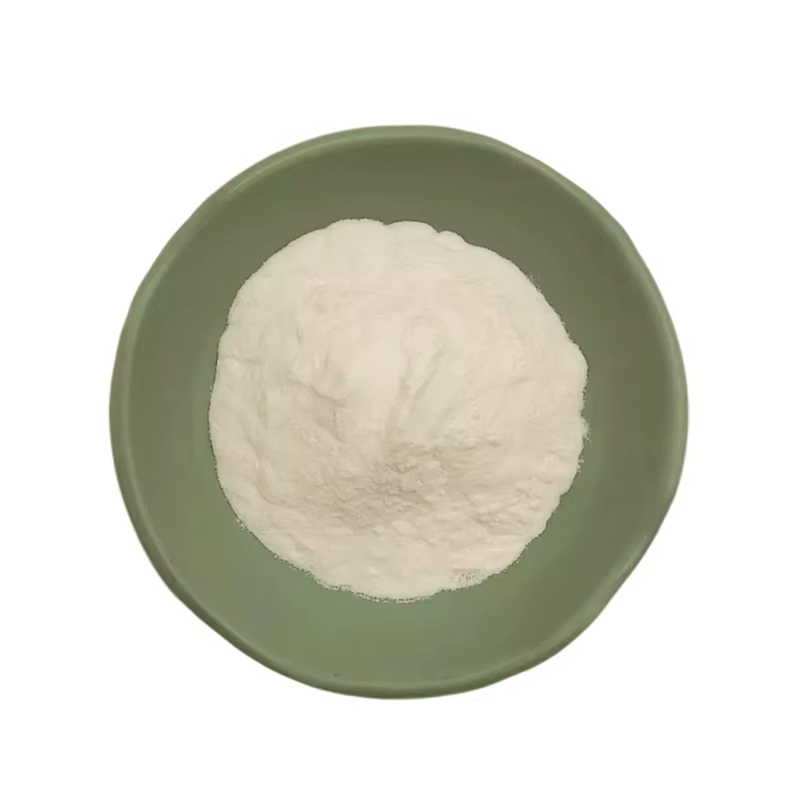
In the complex world of large-scale food manufacturing, product consistency, texture, and stability are not optional—they are essential. Every batch of jam, beverage, dairy product, or bakery filling relies on precise gelling and stabilizing agents to deliver the expected quality. Selecting a reliable Stabilizer Pectin E440 Supplier is therefore not just a procurement decision; it is a strategic operational choice. Factories and production teams that prioritize high-quality sourcing can prevent costly reformulations, production downtime, and inconsistencies that affect consumer trust. Suppliers like MT Royal provide not only consistent multi-brand products but also technical support, regulatory compliance guidance, and reliable logistics, all of which are crucial for large-scale production environments.
This guide explores pectin E440 from the perspectives of industrial function, sourcing strategies, operational optimization, and practical application. Whether you are a procurement manager, R&D specialist, or factory operations leader, the insights provided here are designed to optimize both product quality and manufacturing efficiency.
Understanding Stabilizer Pectin E440: Industrial Definitions and Fundamentals
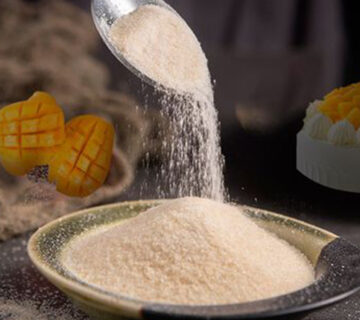
Pectin, classified under E440, is a natural polysaccharide extracted primarily from citrus peels and apple pomace. It is a versatile hydrocolloid widely employed for its gelling, thickening, and stabilizing capabilities. In industrial applications, pectin is valued for its ability to modify texture, improve product stability, and support clean-label formulations.
Key Functional Properties
- Gelling Agent: Pectin forms stable gels, particularly in acidic and sugar-rich environments, making it indispensable in jams, jellies, and confectionery.
- Thickening and Stabilization: Enhances viscosity and prevents phase separation in beverages, dairy, and plant-based products.
- Texture Enhancement: Contributes to smooth mouthfeel, firmness, and elasticity in bakery fillings, yogurt, and dessert applications.
- Water Retention: Reduces moisture loss in baked goods, frozen desserts, and processed fruit products.
- Synergy with Other Hydrocolloids: Works in combination with starches, gums, and carrageenan to fine-tune texture, gel strength, and viscosity.
Types of Pectin
Pectin E440 is generally categorized based on the degree of esterification and solubility characteristics:
| Type | Characteristics | Common Applications |
|---|---|---|
| High Methoxyl (HM) Pectin | Gel formation in high sugar environments | Jams, jellies, confectionery |
| Low Methoxyl (LM) Pectin | Requires calcium ions for gelation | Low-sugar or sugar-free jams, dairy gels |
| Amidated Pectin | Modified for improved calcium tolerance | Functional beverages, processed fruits |
Choosing the correct type is essential for consistent gelling and stability. Using an HM pectin in a low-sugar formulation, for example, can result in inadequate gel formation and syneresis.
Why the Choice of Stabilizer Pectin E440 Supplier Matters
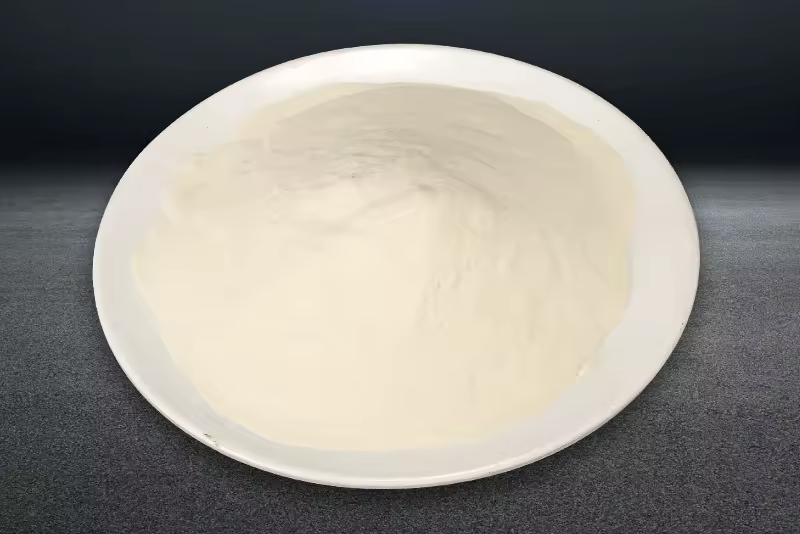
Industrial-grade pectin is not uniform. Variations in raw material source, extraction method, degree of esterification, and particle size distribution can significantly influence functional performance. A reliable Stabilizer Pectin E440 Supplier provides:
- Batch-to-Batch Consistency: Minimizing variability in gel strength and viscosity.
- Technical Documentation: Certificates of Analysis (COA), MSDS, and application guidance.
- Regulatory Compliance: Adherence to FDA, EFSA, Halal, and Kosher standards.
- Technical Support: Guidance on hydration, pH optimization, ion interactions, and formulation synergies.
- Supply Chain Reliability: Secure sourcing and multi-brand access to avoid production disruptions.
In our collaboration with various factories, we have seen that even slight deviations in pectin’s degree of esterification or particle size can disrupt high-speed production lines, particularly in automated filling or mixing operations.
Industrial Applications of Pectin E440 Bulk
Jams and Confectionery
Pectin is a cornerstone of fruit preserves, jams, and jelly products. Its ability to form thermoreversible gels in high-sugar, acidic environments ensures product stability and desirable texture.
- Key Advantage: High clarity gels with consistent spreadability.
- Industrial Tip: Low-sugar formulations benefit from LM pectin or amidated pectin for reliable gelation.
Beverages and Nutraceuticals
Pectin stabilizes suspended particles in juices, functional beverages, and fortified drinks. By preventing sedimentation, it ensures uniform texture and consumer satisfaction.
Dairy and Frozen Desserts
In yogurts, dairy drinks, and puddings, pectin enhances viscosity, prevents whey separation, and improves mouthfeel without significantly altering flavor.
Bakery Fillings
Pectin improves the structure and water retention of fruit fillings and creams, maintaining consistency during baking, freezing, and storage.
Plant-Based Alternatives
With the growth of vegan and plant-based products, pectin provides structural integrity and texture in dairy substitutes, protein gels, and plant-based desserts.
Common Sourcing Mistakes in Industrial Pectin
Even experienced factories encounter issues if sourcing is not carefully managed:
- Prioritizing Price Over Quality: Low-cost pectin may compromise gel strength, particle size consistency, or degree of esterification, leading to reformulation.
- Ignoring Application-Specific Grades: LM pectin should not be substituted for HM in high-sugar jams.
- Overlooking Technical Support Needs: Guidance on hydration, pH control, and calcium interaction can prevent costly production errors.
- Neglecting Supply Chain Stability: Seasonal fluctuations, raw material availability, and logistics can interrupt production if a supplier lacks multiple sourcing channels.
Practical Checklist for Evaluating a Stabilizer Pectin E440 Supplier
For industrial procurement, a structured checklist ensures sourcing reliability and product performance. Each item includes an operational explanation:
1. Degree of Esterification (DE) Verification
- Explanation: DE affects gelation properties and required sugar/calcium levels.
- Action: Confirm DE against product specifications and perform small-scale trials.
2. Viscosity Consistency
- Explanation: Influences pumping, mixing, and final product texture.
- Action: Test multiple batches to verify uniform viscosity.
3. Particle Size Distribution
- Explanation: Finer particles hydrate faster, reducing mixing time and ensuring uniform gels.
- Action: Request particle size data and perform dispersion tests.
4. Mineral Sensitivity
- Explanation: LM pectin gels require calcium ions; water hardness can alter performance.
- Action: Adjust formulation water and verify calcium tolerance with supplier guidance.
5. Purity and Microbiological Standards
- Explanation: Impurities or microbial contamination can reduce gel strength and shelf life.
- Action: Review HACCP, ISO certifications, and batch microbiology reports.
6. Storage and Shelf-Life Specifications
- Explanation: Pectin is hygroscopic; exposure to humidity reduces functional performance.
- Action: Store in controlled warehouses and rotate inventory properly.
7. Grade Matching
- Explanation: HM, LM, and amidated pectins are designed for specific industrial applications.
- Action: Verify grade suitability for your product formulation.
8. Supply Chain Reliability
- Explanation: Delays can halt production.
- Action: Assess exporter network, lead times, and backup sourcing options.
9. Technical Support
- Explanation: Ensures correct hydration, pH adjustment, and integration with other stabilizers.
- Action: Confirm access to application support and troubleshooting.
10. Regulatory Compliance
- Explanation: Essential for global market access and labeling requirements.
- Action: Verify FDA, EFSA, Halal, and Kosher certifications and documentation.
Industrial Tips for Optimizing Pectin Performance
Hydration and Temperature Control
Pectin requires proper hydration and often mild heating for complete dispersion. Inadequate hydration can lead to clumping, uneven gelation, or phase separation.
pH Monitoring
Gel formation is pH-dependent, particularly for HM pectin, which requires acidic conditions. Regular pH checks ensure consistent gel strength.
Calcium and Ion Management
LM and amidated pectins rely on calcium for gelation. Optimizing calcium concentration prevents weak gels or over-set textures.
Synergy with Other Hydrocolloids
Combining pectin with xanthan, guar, or agar can enhance gel elasticity, viscosity, and stability in complex formulations.
Storage Considerations
Pectin bulk powders must be stored in low-humidity, temperature-stable warehouses to preserve gel functionality and avoid caking.
Frequently Asked Questions (FAQs)
Q1: What differentiates HM, LM, and amidated pectin in industrial use?
A1: HM pectin requires high sugar and acidic conditions; LM pectin gels with calcium; amidated pectin offers improved calcium tolerance and consistency in low-sugar products.
Q2: Can pectin be used in reduced-sugar or sugar-free jams?
A2: Yes. LM or amidated pectins are ideal for low-sugar formulations, maintaining gel strength and texture.
Q3: How can I ensure consistent gel strength in production?
A3: Use a supplier providing COA, particle size, DE data, and technical guidance. Conduct in-house small-scale trials before full-scale runs.
Q4: What are common production issues with low-quality pectin?
A4: Weak or inconsistent gels, syneresis, clumping, sedimentation, and increased production time.
Q5: How does water hardness affect pectin performance?
A5: High calcium or magnesium can prematurely gel LM pectin; water treatment or formulation adjustments are necessary.
Advanced Industrial Insights
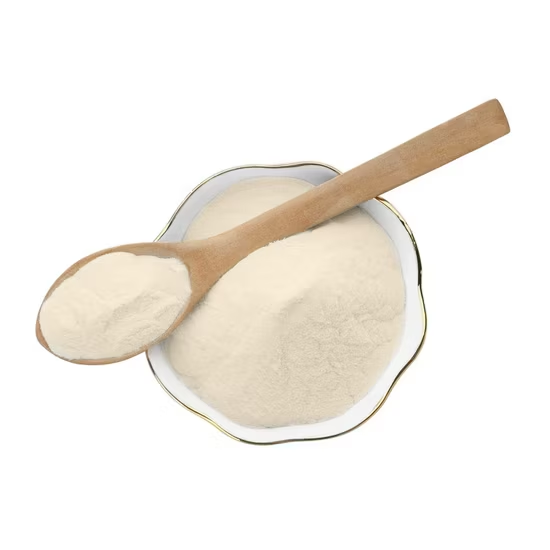
Choosing a reliable Stabilizer Pectin E440 Supplier impacts not only product quality but operational efficiency, yield, and cost control. Factories that partner with trusted suppliers like MT Royal benefit from multi-brand options, technical guidance, and resilient supply chains.
Understanding the interaction of pectin with sugar, acid, calcium, and other hydrocolloids enables manufacturers to fine-tune gel properties, texture, and stability. In our experience, factories that integrate this knowledge see measurable improvements in consistency, reduced waste, and enhanced consumer satisfaction.
Industrial procurement is more than buying an ingredient; it is securing the backbone of your product’s quality and reliability. By selecting the right pectin type, grade, and supplier, your factory maintains operational agility and meets evolving market demands with confidence.
LATAMARKO LM60 – Premium Spanish-Origin Cocoa Powder
latamarko alkalized cocoa powder lm60
cocoa powder for chocolate production-Best price
Food industry raw materials – list of products
Types of Gelatin from Turkish Manufacturer
Alkalized Cocoa Powder Price: Complete Buyer Guide for 2026


No comment