

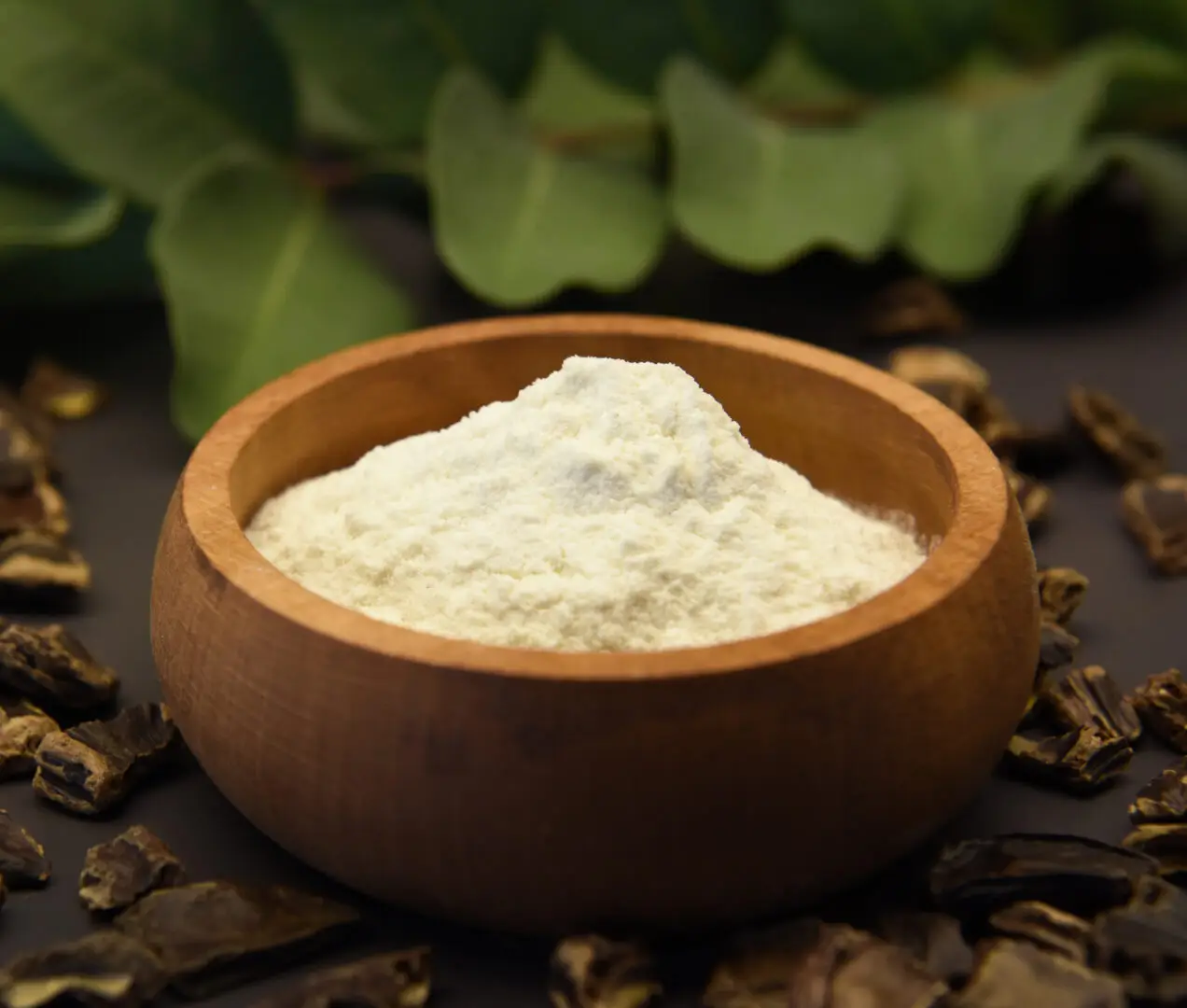
In modern food manufacturing, maintaining consistent texture, stability, and mouthfeel across thousands of production units is a non-negotiable standard. Every pudding, dairy dessert, beverage, or confectionery product relies on reliable hydrocolloids to ensure quality, shelf life, and consumer satisfaction. One such indispensable stabilizer is Locust Bean Gum E410, a natural hydrocolloid that plays a crucial role in thickening, stabilizing, and enhancing the texture of industrial-scale products. Choosing the right source of E410 is more than a procurement decision—it’s a strategic choice that directly impacts your factory’s operational efficiency, production consistency, and ultimately, your product’s market performance.
Suppliers like MT Royal offer multi-brand access, technical support, and batch-to-batch consistency, allowing manufacturers to navigate the complexities of large-scale production while maintaining optimal quality. This guide provides an in-depth exploration of Locust Bean Gum E410, its industrial applications, sourcing best practices, and operational insights that every factory manager, procurement specialist, and R&D professional needs.
Understanding Stabilizer Locust Bean Gum E410: Definitions and Industrial Relevance
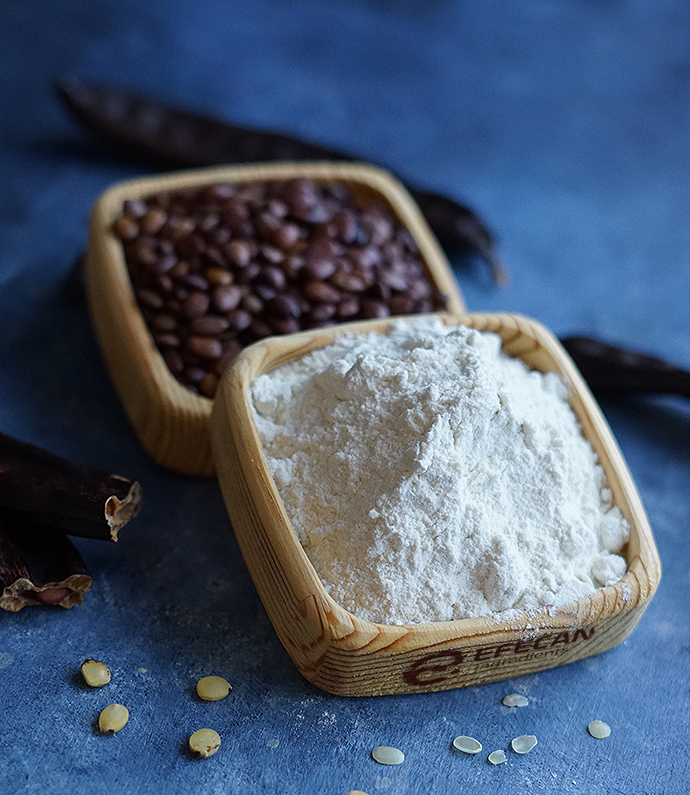
Locust Bean Gum (LBG), classified as E410, is a galactomannan polysaccharide extracted from the seeds of the carob tree (Ceratonia siliqua). Recognized for its high viscosity and synergistic properties with other hydrocolloids, LBG is widely used as a stabilizer, thickener, and texturizer in industrial food processing.
Key Functional Properties
- Thickening Agent: LBG significantly increases viscosity even at low concentrations, optimizing mouthfeel and product stability.
- Stabilization: Maintains emulsions and prevents phase separation in beverages, dairy, and sauces.
- Texture Improvement: Enhances creaminess, smoothness, and structural integrity in bakery fillings, ice creams, and puddings.
- Water Retention: Reduces syneresis and moisture loss in processed foods, frozen desserts, and gels.
- Synergistic Gelling: Works in combination with carrageenan, agar, and xanthan gum to create strong, elastic gels.
Types and Functional Variants
Industrial-grade LBG is primarily categorized by extraction method, particle size, and viscosity profile:
| Type | Characteristics | Common Applications |
|---|---|---|
| Standard LBG Powder | High viscosity, natural purity | Dairy desserts, sauces, soups |
| Refined LBG | Low impurities, consistent solubility | Ice cream, yogurt, plant-based gels |
| Synergistic Blends | Pre-formulated with carrageenan/xanthan | Confectionery gels, frozen desserts |
Selecting the right type ensures your product maintains consistent texture, structural integrity, and stability throughout its shelf life.
Why the Choice of Stabilizer Locust Bean Gum E410 Supplier Matters
Not all LBG is created equal. Variations in seed source, extraction method, particle size, and viscosity can significantly influence functionality. A professional Stabilizer Locust Bean Gum E410 Supplier provides:
- Batch-to-Batch Consistency: Ensures predictable gel strength and viscosity.
- Technical Documentation: Certificates of Analysis (COA), MSDS, and usage guidelines.
- Regulatory Compliance: Adherence to FDA, EFSA, Halal, and Kosher standards.
- Technical Support: Guidance on hydration, shear, pH optimization, and hydrocolloid synergy.
- Supply Chain Reliability: Multi-brand sourcing and contingency plans reduce production disruptions.
In our collaboration with multiple factories, we have seen how subtle differences in particle size or hydration time can cause gel inconsistencies, particularly in high-speed automated production lines. Ensuring the right supplier prevents operational setbacks and reduces waste.
Industrial Applications of Locust Bean Gum E410
Dairy and Frozen Desserts
LBG is essential in ice creams, yogurt, and puddings. Its high viscosity improves creaminess, prevents ice crystal formation, and enhances structural integrity.
- Key Insight: LBG delays melting in ice cream and provides a smooth, elastic texture.
- Production Tip: Synergistic combinations with carrageenan or agar increase gel strength without increasing stabilizer concentration.
Beverages and Nutraceutical Drinks
In functional beverages and fruit juices, LBG prevents sedimentation and stabilizes pulp or protein suspensions, ensuring uniform texture and appearance.
- Industrial Consideration: Low concentrations are sufficient for viscosity enhancement, reducing cost impact.
Bakery Fillings and Confectionery
LBG improves texture and moisture retention in jams, jellies, cream fillings, and nougat. It prevents water leakage during baking and freezing, maintaining product consistency.
- Example: LBG-carrageenan blends in jelly candies create elastic gels with clean mouthfeel.
Plant-Based and Vegan Products
The growth of vegan alternatives has increased demand for natural stabilizers. LBG supports texture and structure in:
- Plant-based cheeses and spreads
- Vegan yogurts and puddings
- Meat analogues
Sauces, Soups, and Dressings
LBG stabilizes emulsions, prevents separation, and enhances viscosity in industrial sauces and condiments. Its ability to withstand high temperatures and pH variations makes it versatile across applications.
Common Sourcing Mistakes in Industrial Locust Bean Gum
Even experienced factories face pitfalls when sourcing LBG:
- Focusing Only on Price: Low-cost LBG may compromise viscosity, solubility, or batch consistency.
- Incorrect Grade Selection: Standard LBG may be unsuitable for refined dessert gels; refined LBG may be unnecessary for sauces.
- Ignoring Technical Support: Understanding hydration kinetics, shear tolerance, and synergistic effects is essential.
- Supply Chain Vulnerability: Relying on a single-source exporter increases risk during seasonal harvest fluctuations or logistics delays.
Practical Checklist for Evaluating a Stabilizer Locust Bean Gum E410 Supplier
A structured approach ensures quality, functionality, and operational efficiency. Each checklist item includes a detailed explanation for industrial use:
1. Viscosity Verification
- Explanation: Determines product thickness and mouthfeel.
- Action: Check supplier COA and conduct in-house viscosity testing at production concentrations.
2. Particle Size Distribution
- Explanation: Fine particles hydrate faster, ensuring uniform gel formation.
- Action: Request particle size data and perform dispersion tests under production conditions.
3. Hydration Time and Temperature
- Explanation: LBG requires specific hydration protocols to achieve optimal viscosity.
- Action: Verify recommended hydration temperature and mixing time with supplier.
4. Synergistic Compatibility
- Explanation: LBG enhances gel strength when combined with carrageenan, agar, or xanthan.
- Action: Confirm compatibility and ratio guidance with your supplier to optimize texture.
5. Purity and Microbiological Standards
- Explanation: Impurities or microbial contamination can compromise texture and shelf life.
- Action: Review HACCP, ISO certifications, and batch microbiology reports.
6. Storage and Shelf-Life
- Explanation: LBG is hygroscopic; moisture exposure reduces solubility and functionality.
- Action: Store in low-humidity, temperature-controlled warehouses and implement proper inventory rotation.
7. Grade Suitability
- Explanation: Different grades support sauces, dairy, or confectionery applications.
- Action: Verify grade selection aligns with product requirements.
8. Supply Chain Reliability
- Explanation: Prevents production stoppages due to delayed shipments.
- Action: Review exporter network, lead times, and contingency planning.
9. Technical Support
- Explanation: Guides hydration, shear management, and hydrocolloid integration.
- Action: Ensure access to technical consultation and troubleshooting.
10. Regulatory Compliance
- Explanation: Necessary for global distribution and food labeling.
- Action: Verify FDA, EFSA, Halal, and Kosher certifications and documentation.
Industrial Tips for Optimizing Locust Bean Gum Performance
Hydration Protocols
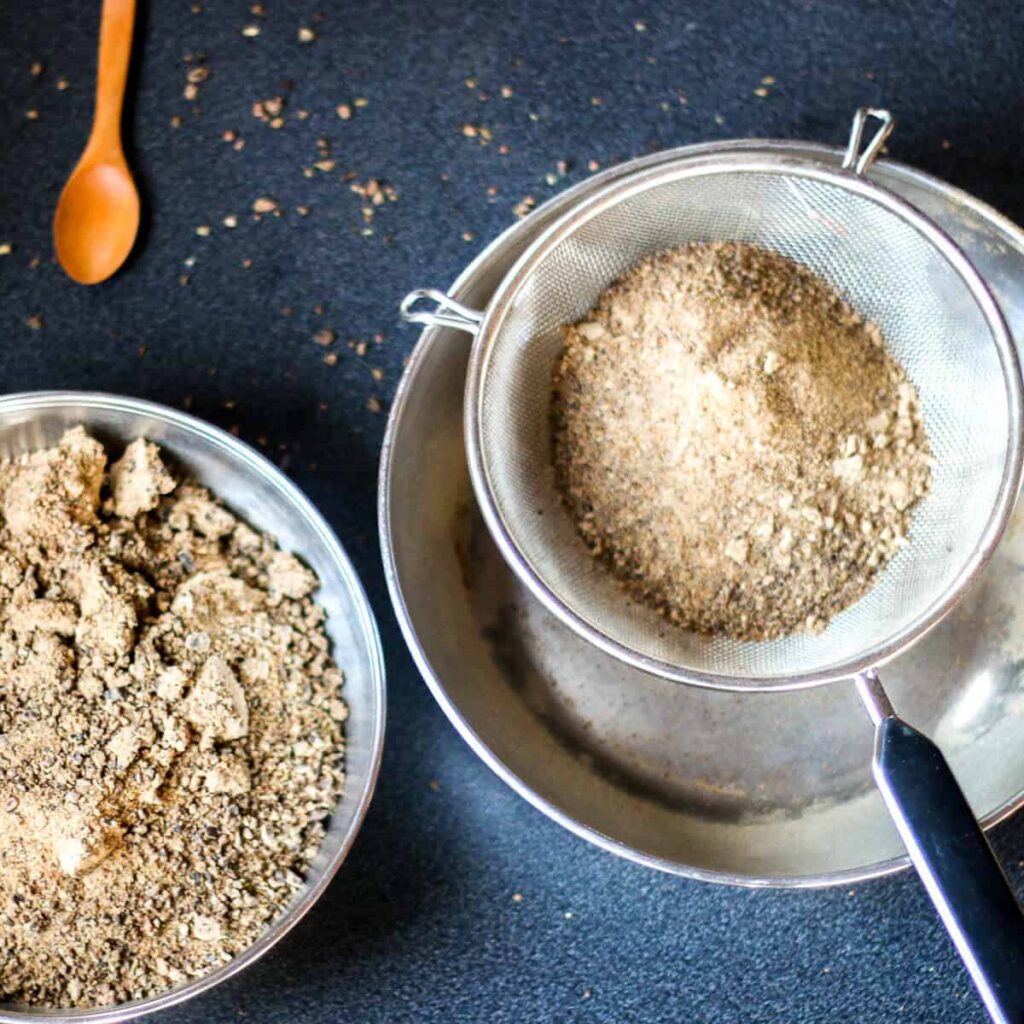
LBG requires gradual dispersion in cold water before heating to prevent clumping and ensure consistent viscosity.
Shear Management
Moderate shear promotes uniform hydration. Excessive shear post-hydration can reduce gel strength.
pH Considerations
LBG is stable across a wide pH range but may require formulation adjustments in highly acidic or alkaline products.
Synergistic Hydrocolloid Blends
Combining LBG with xanthan, agar, or carrageenan can enhance gel elasticity, viscosity stability, and mouthfeel in complex products.
Storage Best Practices
Store LBG in moisture-controlled, temperature-stable conditions to preserve functional performance in bulk storage.
Frequently Asked Questions (FAQs)
Q1: How does LBG E410 differ from other hydrocolloids like guar gum or xanthan?
A1: LBG has higher gel synergy, moderate viscosity, and excellent water-binding properties, making it ideal for dairy, dessert, and confectionery applications.
Q2: Can LBG be used in plant-based or vegan formulations?
A2: Yes. It provides gelation, texture, and water retention without animal-derived components.
Q3: How do I ensure batch-to-batch consistency?
A3: Work with suppliers providing COA, particle size, viscosity data, and technical guidance. Conduct small-scale validation before production scaling.
Q4: What are common issues with low-quality LBG?
A4: Inconsistent viscosity, clumping, poor gel formation, syneresis, and uneven texture in finished products.
Q5: How does LBG interact with other hydrocolloids?
A5: LBG synergizes with carrageenan, xanthan, and agar to increase gel strength, elasticity, and stability, reducing overall stabilizer concentration required.
Advanced Industrial Insights
Selecting a trusted Stabilizer Locust Bean Gum E410 supplier is critical for operational reliability, product quality, and manufacturing efficiency. Factories that partner with experienced exporters like MT Royal gain access to multi-brand sourcing, technical expertise, and consistent supply chains.
Understanding the hydration kinetics, particle size distribution, and synergistic properties of LBG allows manufacturers to fine-tune texture, viscosity, and stability across diverse product lines. In our experience working with various factories, those integrating supplier guidance and technical knowledge see measurable improvements in yield, product consistency, and consumer satisfaction.
Industrial procurement is more than ingredient acquisition; it is securing the foundation of your product’s quality and operational efficiency. By selecting the appropriate grade, particle size, and supplier, your factory ensures consistent, high-performance results across all production lines.
LATAMARKO LM60 – Premium Spanish-Origin Cocoa Powder
latamarko alkalized cocoa powder lm60
cocoa powder for chocolate production-Best price
Food industry raw materials – list of products
Types of Gelatin from Turkish Manufacturer
Alkalized Cocoa Powder Price: Complete Buyer Guide for 2026


No comment