

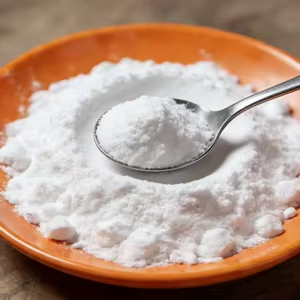
In modern industrial manufacturing, selecting the right stabilizer can determine the consistency, efficiency, and quality of your products. Among hydrocolloids, ammonium alginate has become a versatile and reliable ingredient for a wide array of applications, from textiles and coatings to food and pharmaceuticals. Partnering with a reputable Stabilizer Ammonium Alginate Supplier is not simply a procurement task—it is a strategic decision that impacts your factory’s production reliability, formulation accuracy, and scalability.
Factories seeking high-quality ammonium alginate in bulk often collaborate with trusted distributors like MT Royal. MT Royal is recognized for offering multiple brands at competitive prices, alongside technical guidance, consistent supply, and quality assurance. By working with suppliers who understand the technical nuances of ammonium alginate, manufacturers can optimize their processes and maintain product performance across large-scale operations.
This guide provides an exhaustive exploration of ammonium alginate, covering its chemical properties, industrial applications, sourcing strategies, processing best practices, common mistakes, and emerging market trends. It is designed to equip procurement managers, production engineers, and R&D specialists with actionable insights for informed decision-making.
Understanding Ammonium Alginate: Chemistry and Industrial Significance
Ammonium alginate is the ammonium salt derivative of alginic acid, a naturally occurring polysaccharide extracted from brown seaweed. Its molecular structure consists of repeating units of mannuronic acid (M) and guluronic acid (G), which allow it to form viscous solutions and gel networks under specific conditions. These properties make it a valuable stabilizer in diverse industrial contexts.
Key Functional Properties
- Viscosity control: Ammonium alginate solutions can achieve tailored viscosity levels, essential for smooth coatings, thickening agents, and film-forming applications.
- Water retention and stabilization: It binds water efficiently, reducing syneresis, maintaining moisture content, and supporting product shelf life.
- Gel formation: In combination with cations, it can form stable gels that improve texture and structural integrity.
- Thermal and pH stability: Resistant to moderate heat and a wide range of pH conditions, making it suitable for industrial-scale production.
- Emulsion stabilization: Prevents phase separation in liquid systems, improving uniformity in coatings, adhesives, and food emulsions.
A reliable Stabilizer Ammonium Alginate Supplier should provide detailed specifications regarding viscosity grades, molecular weight distribution, solubility, and compatibility with other hydrocolloids to ensure optimal industrial performance.
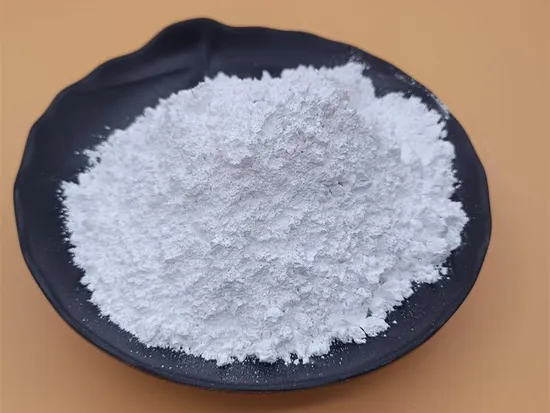
Industrial Advantages of Ammonium Alginate
Using ammonium alginate in manufacturing provides multiple operational and product-level benefits:
- Process efficiency: It reduces mixing time, prevents lump formation, and ensures consistent texture.
- Formulation flexibility: Compatible with other stabilizers, emulsifiers, and additives, allowing precise control of viscosity and gelation.
- Cost-effective performance: Delivers functional results at lower concentrations than many alternative hydrocolloids.
- Improved product stability: Water retention and gel networks help prevent phase separation and maintain product integrity.
- Regulatory and market alignment: Naturally derived and generally recognized as safe (GRAS), supporting clean-label initiatives.
In our collaboration with various factories, we have observed that ammonium alginate not only simplifies formulation adjustments but also significantly reduces batch-to-batch variability, particularly in large-scale operations.
Key Industrial Applications
Ammonium alginate’s versatility makes it applicable in several industries:
Textile and Coatings
Used as a thickening agent for dyes, inks, and paints, ammonium alginate ensures even color distribution, prevents dripping, and maintains viscosity during industrial processing. Its thermal stability supports high-temperature curing and drying processes.
Food Industry
In food and beverage applications, it serves as a stabilizer, thickener, and water-binding agent. It can enhance texture in sauces, desserts, and functional beverages while maintaining clarity and smoothness in emulsions.
Pharmaceutical and Nutraceutical Applications
Ammonium alginate is employed in controlled-release tablets, capsules, and fiber-enriched supplements. Its gel-forming properties allow precise release profiles and protect sensitive active ingredients.
Adhesives and Paper
In industrial adhesives and paper coating formulations, it provides uniformity, tackiness control, and improved film formation. Its viscosity and water-binding capabilities contribute to consistent application and reduced defects.
Specialty Applications
Ammonium alginate is also used in biotechnology and encapsulation technologies, where its gel-forming ability and biocompatibility facilitate microencapsulation of enzymes, probiotics, or bioactive compounds.
Common Sourcing Mistakes and How to Avoid Them
Even experienced procurement teams can encounter challenges when sourcing ammonium alginate in bulk. Avoidable mistakes include:
- Focusing solely on price: Lower-cost materials may lack consistent molecular weight or viscosity, affecting process efficiency.
- Neglecting batch-to-batch variability: Differences in molecular structure can cause inconsistency in viscosity, gel strength, or coating performance.
- Skipping pilot testing: Each industrial system reacts differently; preliminary trials are essential to prevent large-scale failures.
- Overlooking storage and handling requirements: Moisture absorption, improper packaging, or high humidity can compromise flowability and stability.
- Choosing suppliers with limited technical support: Lack of guidance on hydration, compatibility, and application can increase operational risk.
Factories that partner with reliable suppliers like MT Royal benefit from consistent quality, multi-brand options, and actionable technical guidance.
Technical Selection Criteria for Manufacturers
Evaluating a Stabilizer Ammonium Alginate Supplier requires attention to technical specifications that influence large-scale production:
- Viscosity grade: Determines flow characteristics and texture control.
- Molecular weight distribution: Impacts gelation, stability, and functional performance.
- Solubility and hydration rate: Ensures efficient processing and energy savings.
- Particle size and flow properties: Smooth handling reduces dust generation and equipment fouling.
- Cation sensitivity: Important when gels or emulsions are influenced by calcium or other divalent ions.
- Microbiological and chemical stability: Guarantees compliance with regulatory standards and shelf-life integrity.
Understanding these factors enables manufacturers to select the appropriate ammonium alginate grade for their specific process and product requirements.
Industrial Processing Tips
Even high-quality ammonium alginate requires careful handling to maximize its performance:
- Pre-blending with dry components: Prevents lump formation and promotes uniform dispersion.
- Temperature management: Moderate heating aids dissolution without compromising viscosity or gel properties.
- Control of cations: Essential in emulsions or gelled systems to achieve predictable results.
- Sequential addition of ingredients: Adding oils, flavors, or active components after hydration ensures consistent texture and stability.
- Proper storage: Keep in sealed, low-humidity environments to preserve flowability and shelf life.
We have seen factories optimize production performance and reduce downtime by applying these handling and operational strategies.
Emerging Trends and Market Insights
The demand for ammonium alginate is increasing due to multiple industrial trends:
- Clean-label product growth: Consumers prefer naturally derived stabilizers.
- Functional and fiber-enriched foods: Ammonium alginate contributes dietary fiber and stabilizes textures.
- Textile and industrial coatings expansion: Consistent viscosity and film-forming capabilities are critical for high-quality finishes.
- Pharmaceutical applications: Controlled-release formulations continue to grow globally.
Analysts predict a compound annual growth rate (CAGR) of 5–7% for hydrocolloids, with ammonium alginate among the most versatile and increasingly demanded ingredients.
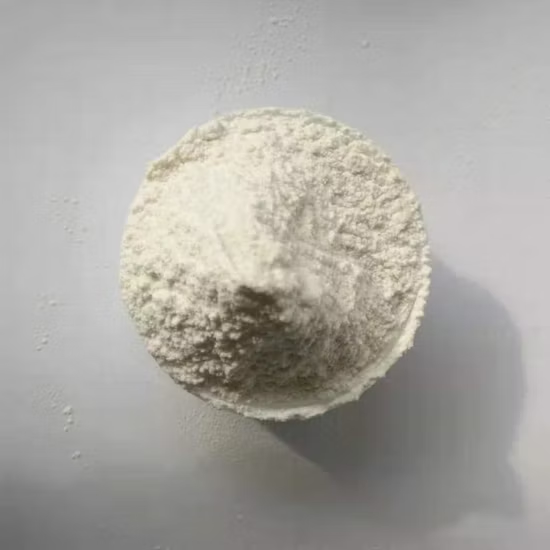
Advantages of Working with Multi-Brand Suppliers
Sourcing ammonium alginate from a supplier offering multiple brands provides tangible benefits:
- Pricing flexibility: Access to different grades enables cost optimization.
- Supply continuity: Alternative sources reduce production interruptions.
- Formulation customization: Specific grades suit unique industrial requirements.
- Technical support: Guidance on dosage, hydration, and compatibility improves process reliability.
MT Royal supports manufacturers with diverse brand portfolios, technical assistance, and consistent quality, allowing for both operational stability and strategic flexibility.
Frequently Asked Questions
- What is the typical dosage range?
0.1%–1.5% depending on application and desired viscosity. - Is ammonium alginate suitable for acidic systems?
Yes, it maintains stability across moderate pH variations. - Can it replace other stabilizers or hydrocolloids?
Often yes, especially in emulsions, coatings, and gelled systems. - Shelf life?
Generally 24 months under sealed, dry conditions. - Heat stability?
Yes, compatible with moderate thermal processing, but extreme conditions should be validated.
Strategic Value of Choosing the Right Supplier
Although stabilizers represent a small portion of ingredient costs, their impact on product quality, stability, and production efficiency is substantial. Partnering with a knowledgeable Stabilizer Ammonium Alginate Supplier transforms routine procurement into a strategic advantage.
Manufacturers who emphasize technical compatibility, consistent quality, and long-term supplier relationships experience reduced batch variability, improved process efficiency, and enhanced competitiveness. A reliable supplier like MT Royal becomes more than a vendor—they are a strategic partner, ensuring reliable production, facilitating innovation, and supporting scalable industrial operations.
In our experience, factories that collaborate with multi-brand, technically capable suppliers gain both flexibility and resilience, turning a single ingredient into a cornerstone for operational excellence and industrial success.
LATAMARKO LM60 – Premium Spanish-Origin Cocoa Powder
latamarko alkalized cocoa powder lm60
cocoa powder for chocolate production-Best price
Food industry raw materials – list of products
Types of Gelatin from Turkish Manufacturer
Alkalized Cocoa Powder Price: Complete Buyer Guide for 2026


No comment