

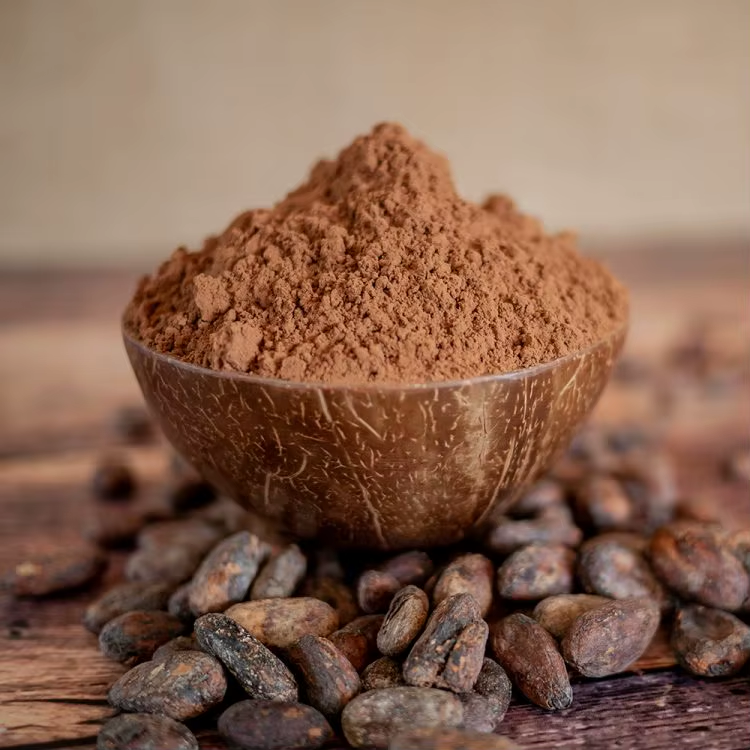
For chocolate manufacturers, bakeries, and industrial confectionery facilities in Qatar, selecting the right cocoa powder is more than an ingredient choice—it’s a critical operational decision. Cocoa Powder for Chocolate Qatar directly impacts flavor, texture, production efficiency, and cost-effectiveness. Understanding the market, quality parameters, and supplier options is essential for factory managers, production supervisors, and procurement officers seeking consistent, premium results in bulk production.
At MT Royal, we have years of experience supplying Cocoa Powder for Chocolate Qatar to industrial clients, offering a broad portfolio of brands, including premium European options like Latamarko. Over time, we’ve observed that manufacturers who prioritize quality, consistency, and supplier expertise can significantly reduce downtime, maintain production quality, and enhance product appeal in competitive markets. This guide explores everything you need to know about sourcing, handling, and utilizing cocoa powder in large-scale chocolate production.
Understanding Cocoa Powder
Cocoa powder is the dry, finely ground product obtained after extracting cocoa butter from roasted cocoa beans. Its composition, acidity, and functional properties make it a versatile ingredient for chocolate, baked goods, beverages, and industrial applications.
Types of Cocoa Powder
- Natural Cocoa Powder: Slightly acidic, robust chocolate flavor, ideal for baked goods and chocolate beverages.
- Alkalized (Dutched) Cocoa Powder: Neutral pH, smooth flavor, darker color, used in premium chocolate, confectionery, and ice cream applications.
Choosing the right type affects not only taste but also chemical interactions in recipes, production efficiency, and final product quality.
Industrial Benefits of Cocoa Powder for Chocolate
Sourcing high-quality cocoa powder in bulk offers several advantages for manufacturing facilities:
- Flavor Consistency: Ensures uniform taste across batches, critical for branded products.
- Textural Stability: Influences viscosity, melt behavior, and mouthfeel in chocolate formulations.
- Operational Efficiency: Reduces blending issues, clumping, and processing delays.
- Regulatory Compliance: High-quality suppliers maintain certifications and traceability for industrial standards.
In our experience supplying chocolate factories, facilities that select premium cocoa powders, including Latamarko products, notice fewer production inconsistencies and improved end-product appeal.
Common Pitfalls in Bulk Procurement
Even seasoned procurement managers can encounter challenges:
- Neglecting Functional Properties: Particle size, fat content, and solubility affect process efficiency.
- Prioritizing Cost Over Quality: Low-cost powders may require extra processing, affecting yield and product consistency.
- Ignoring Supplier Reliability: Inconsistent deliveries can halt production lines, affecting timelines and profit margins.
Avoiding these missteps ensures smoother operations and consistent chocolate quality.
Applications in Chocolate Production
Cocoa powder is a critical component influencing multiple aspects of chocolate production.
Functional Considerations
- Particle Size: Smaller particles blend more smoothly, reducing graininess in finished chocolate.
- Fat Content: Determines richness, mouthfeel, and compatibility with cocoa butter or emulsifiers.
- Acidity & pH: Impacts taste and chemical reactions in chocolate and baked goods.
- Solubility: Crucial for beverages, ganache, or chocolate sauces where smooth texture is paramount.
Industrial Storage Guidelines
- Keep cocoa powder in a cool, dry, and odor-free environment.
- Use sealed bulk bags or intermediate bulk containers to prevent moisture absorption.
- Rotate stock regularly to maintain freshness and prevent degradation.
Premium options like Latamarko, known for Spanish engineering and rigorous quality control, are especially suited for factories requiring consistent, high-performance cocoa powder.
Selecting the Right Supplier
Choosing a supplier is as important as choosing the cocoa itself. Follow these steps:
- Identify Production Requirements: Determine batch sizes, functional specifications, and desired flavor profiles.
- Assess Supplier Credentials: Check certifications, quality protocols, and industrial experience.
- Request Samples: Conduct trial runs to verify solubility, flavor, and compatibility with your processes.
- Evaluate Technical Support: Ensure guidance on storage, handling, and recipe optimization is available.
- Negotiate Bulk Terms: Clarify pricing, delivery schedules, and contingency plans for supply interruptions.
We’ve seen chocolate manufacturers benefit from suppliers who provide both product quality and operational expertise, helping optimize production lines and reduce waste.
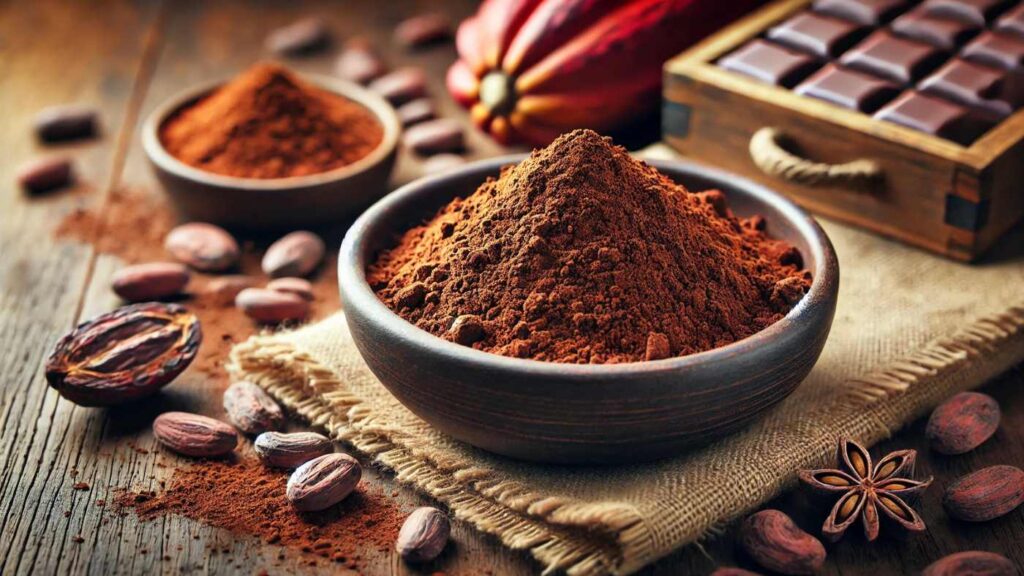
Real-Life Industrial Examples
A confectionery factory in Doha struggled with uneven chocolate texture due to inconsistent cocoa powder particle size. After switching to a premium European supplier like Latamarko, they achieved uniform texture, improved flavor, and minimized production loss.
Similarly, beverage producers using natural cocoa powder for chocolate beverages reported smoother consistency and reduced sediment, leading to better consumer satisfaction and repeat orders.
Comparison Table: Cocoa Powder Types
| Type | pH Level | Flavor Profile | Ideal Applications | Solubility | Notes |
|---|---|---|---|---|---|
| Natural Cocoa Powder | Acidic | Robust, intense | Baking, chocolate drinks | Moderate | Retains original cocoa flavor |
| Alkalized Cocoa Powder | Neutral | Smooth, mellow | Premium chocolate, desserts | High | Darker color, less acidity |
Tips for Efficient Bulk Procurement
- Plan Bulk Orders: Optimize inventory and reduce unit costs.
- Blend Suppliers: Local suppliers for fast delivery, European brands for premium consistency.
- Integrated Logistics: Choose suppliers that manage shipping, customs, and storage.
- Technical Assistance: Suppliers providing operational guidance reduce trial-and-error in production.
At MT Royal, we combine bulk supply with expertise, enabling manufacturers to secure reliable cocoa powder while improving operational efficiency.
Frequently Asked Questions
Q1: How much cocoa powder is ideal for industrial chocolate production?
A: Large-scale factories typically use 2–5 tons monthly depending on production capacity.
Q2: How should bulk cocoa powder be stored to maintain quality?
A: Keep it in a cool, dry, and sealed environment, away from light and strong odors, for a shelf life of 12–18 months.
Q3: Why choose premium brands like Latamarko for chocolate production?
A: European brands offer superior particle consistency, solubility, and certifications, essential for high-quality chocolate products.
Closing Thoughts
The Cocoa Powder for Chocolate Qatar market is dynamic, demanding careful consideration of quality, functionality, and supplier reliability. Selecting the right cocoa powder impacts flavor, texture, and operational efficiency. By evaluating supplier credentials, testing samples, and focusing on functional properties, industrial buyers can achieve predictable, high-quality results.
MT Royal provides trusted bulk supply options, blending affordability and premium European brands like Latamarko for consistency and performance. When was the last time you reviewed your cocoa powder sourcing strategy? The right choice today could elevate both your production line efficiency and the chocolate experience for your customers.
latamarko alkalized cocoa powder lm60
cocoa powder for chocolate production-Best price
Food industry raw materials – list of products
Types of Gelatin from Turkish Manufacturer
Alkalized Cocoa Powder Bulk Supplier



No comment