

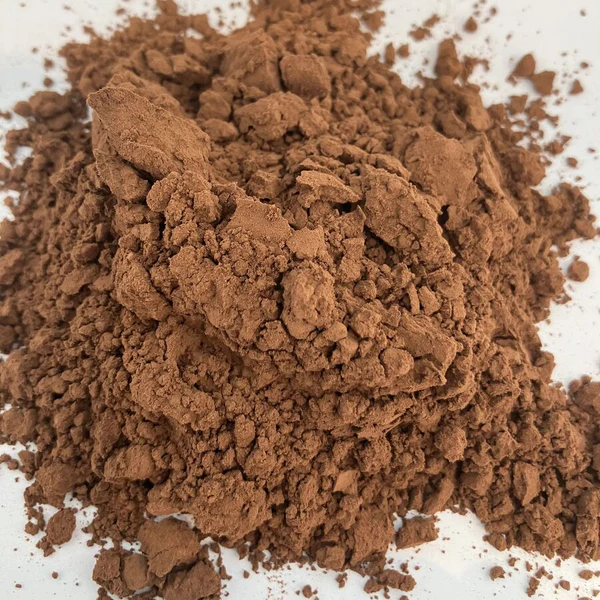
In today’s highly competitive food manufacturing sector, sourcing the right ingredients isn’t just about availability—it’s about strategy. For production plants across Palestine, one of the most critical components in chocolate, bakery, and beverage formulations is cocoa powder. Its texture, flavor intensity, and processing performance determine not just the final product’s taste but also its shelf life, consistency, and consumer appeal.
Finding a dependable Cocoa Powder Supplier in Palestine is therefore not merely a procurement decision—it’s a cornerstone of operational efficiency and long-term profitability. In an era where ingredient integrity and traceability shape market reputation, every kilogram of cocoa powder impacts the brand identity of the products being made.
At MT Royal, we’ve worked closely with production facilities across the Middle East, helping manufacturers source premium cocoa powder that meets strict industrial standards. From European-origin powders like Latamarko, renowned for their purity and uniformity, to cost-effective blends suitable for large-scale production, our experience has shown one truth: reliable sourcing transforms manufacturing performance from the ground up.
Understanding Cocoa Powder: The Foundation of Flavor and Functionality
Cocoa powder is far more than a colorant or flavoring—it’s a structural element in countless products. Derived from fermented, roasted, and pressed cocoa beans, the powder retains polyphenols, fats, and aromatic compounds that give chocolate and cocoa-based items their characteristic richness.
There are two major categories of cocoa powder used in manufacturing:
- Natural Cocoa Powder:
- Has a lighter color and sharper, fruitier flavor profile.
- Commonly used in applications where acidity and freshness are desired (like bakery fillings or dry mixes).
- Alkalized (Dutch-Processed) Cocoa Powder:
- Treated with an alkalizing agent to neutralize acidity.
- Offers darker color, smoother taste, and improved dispersibility in liquids—ideal for industrial beverages, coatings, and confectionery.
For manufacturers in Palestine, the choice between these types depends on their product lines, machinery, and desired sensory output. A biscuit producer, for example, might prioritize color consistency, while a beverage manufacturer may focus on solubility and suspension stability.
The Industrial Importance of a Reliable Cocoa Powder Supplier in Palestine
Supply consistency is the heartbeat of production. In manufacturing environments where downtime costs thousands per hour, a missed delivery or inconsistent batch can disrupt entire operations. A trusted Cocoa Powder Supplier in Palestine must therefore provide more than product—they must deliver assurance.
Key benefits of reliable supply include:
- Batch-to-Batch Consistency: Preventing deviations in flavor or color that affect end-product quality.
- Operational Predictability: Allowing production managers to schedule runs confidently without last-minute ingredient changes.
- Cost Optimization: Bulk purchasing from trusted sources minimizes fluctuations and storage losses.
- Compliance & Certification: Food-grade assurance, Halal certification, and documentation that simplify export processes.
At MT Royal, we understand how small inconsistencies can translate into significant operational challenges. That’s why we work only with globally recognized manufacturers and provide full traceability documentation, ensuring every shipment meets industrial and regulatory standards.
Cocoa Powder in Manufacturing: Applications Beyond Chocolate
Cocoa powder’s functionality extends well beyond confectionery. In the Palestinian manufacturing landscape, it plays a critical role in multiple product categories:
- Chocolate & Compound Coatings: Determines texture, gloss, and mouthfeel.
- Bakery Products: Enhances color, taste, and visual appeal in cakes, muffins, and cookies.
- Dairy & Beverages: Acts as a flavor enhancer and emulsifying component in milk drinks, protein shakes, and dessert mixes.
- Nutritional Bars & Health Foods: Adds natural antioxidants and polyphenols, supporting “clean label” formulations.
- Ice Cream & Frozen Desserts: Improves viscosity and enhances sensory perception of richness.
The versatility of cocoa powder makes it a foundational ingredient in diverse production sectors—from family-owned factories to multinational processing plants operating in Palestine and neighboring regions.
Quality Parameters Manufacturers Should Evaluate
When sourcing cocoa powder for industrial use, several key performance indicators determine whether the product will integrate seamlessly into your operations.
| Parameter | Industrial Significance |
|---|---|
| Fat Content | Influences mouthfeel, texture, and compatibility with other fats. |
| pH Level | Affects color intensity, flavor, and reactivity with leavening agents. |
| Particle Size | Impacts solubility and uniform mixing in powders or liquids. |
| Moisture Content | Determines shelf life and microbial stability. |
| Microbiological Safety | Essential for food safety compliance. |
| Color Uniformity | Ensures consistent product appearance. |
High-end brands like Latamarko, known for their Spanish precision and advanced processing, have established global benchmarks in these metrics. Their powders deliver excellent dispersibility and predictable color behavior even under variable manufacturing conditions—a trait that factory supervisors deeply value.
Challenges in Cocoa Powder Sourcing Across the Region
Manufacturers in Palestine often face logistical and operational challenges when sourcing cocoa powder, including:
- Supply Chain Disruptions: Global cocoa price volatility and shipping delays impact cost and timing.
- Storage Conditions: Cocoa powder is sensitive to humidity and temperature; improper storage can cause clumping or off-flavors.
- Inconsistent Quality: Purchasing from low-cost traders without quality controls can result in unpredictable batches.
- Documentation Gaps: Lack of proper certification (Halal, ISO, or food-grade reports) complicates audits and export readiness.
These challenges highlight the necessity of working with a structured, transparent supplier network. At MT Royal, we’ve seen that even small manufacturers benefit greatly from strategic sourcing relationships—reducing risks and improving product reliability.
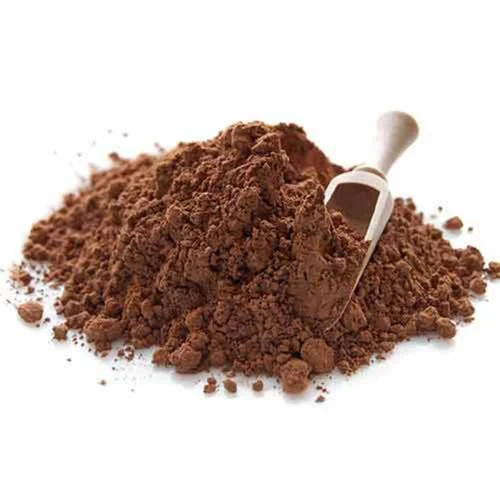
Why Partnering with MT Royal Strengthens Your Supply Chain
In our experience supplying factories across the Middle East, including Palestine, we’ve learned that manufacturers don’t just need cocoa powder—they need confidence.
At MT Royal, we take a consultative approach. We help clients identify:
- The right cocoa powder type for their process line (spray drying, extrusion, coating, etc.)
- Optimal bulk packaging to reduce handling losses.
- Consistent sourcing from reputable global brands, including Latamarko for high-end formulations.
We also offer flexible volume options and consolidated shipping, minimizing logistical complexities for factories operating in regions with limited port access or import restrictions.
Our clients appreciate that we act not just as a supplier but as an industrial partner—providing formulation insights and helping troubleshoot raw material challenges.
Latamarko: European Quality with Industrial Precision
Spanish manufacturers like Latamarko have long been recognized for their commitment to quality and consistency in cocoa processing. Their advanced milling systems and refined alkalization methods ensure that every batch performs predictably under diverse manufacturing conditions.
For producers seeking premium results—especially in luxury confectionery, high-fat coatings, or export-grade chocolates—Latamarko’s powders deliver exceptional results in both taste and stability.
Their consistent pH levels, dark hue, and rich cocoa flavor are engineered for precision-driven manufacturing environments. In comparison studies across European brands, Latamarko consistently ranks among the most stable performers for large-scale production.
When integrated into MT Royal’s sourcing portfolio, Latamarko allows Palestinian factories to compete with international benchmarks while maintaining reliable supply access.
Pro Tips for Factory Managers and Procurement Officers
Drawing on our experience in industrial ingredient sourcing, here are several actionable insights that can help optimize cocoa powder procurement and utilization:
- Evaluate Multiple Batches Before Commitment:
Test sample lots from various suppliers to assess compatibility with your existing formulation. - Store Smart:
Maintain cocoa powder in cool, dry storage below 20°C with humidity under 60%. Rotate stock every 6–8 weeks to prevent caking. - Consider Application-Specific Powders:
Don’t rely on one universal cocoa powder across all product lines. Customize sourcing for beverage, bakery, and coating needs separately. - Work with Suppliers Who Offer Documentation Support:
Certificates of Analysis, Halal and Kosher certifications, and batch traceability simplify audits and export requirements. - Integrate Quality Feedback Loops:
Regularly communicate with your supplier about performance results. At MT Royal, we encourage clients to share feedback for continuous optimization.
Industrial Insight: Real-World Case Study
A mid-sized chocolate manufacturer in Ramallah recently faced inconsistent flavor profiles due to variable fat content in their cocoa powder supply. After switching to MT Royal’s Latamarko line, their production yield stabilized by over 8%, and rework batches dropped by half.
This improvement wasn’t achieved by upgrading machinery—it came from sourcing consistency. As the production manager later shared, “Having predictable raw material quality allowed us to focus on process optimization rather than constant troubleshooting.”
Such examples underline the often-overlooked truth in manufacturing: ingredient consistency is a form of efficiency.
Frequently Asked Questions
1. What’s the best type of cocoa powder for industrial chocolate production in Palestine?
Alkalized (Dutch-processed) cocoa powder generally provides better color uniformity and taste smoothness, especially for industrial-scale operations.
2. Does MT Royal supply directly to Palestinian manufacturers?
Yes. MT Royal supplies to various food and beverage manufacturers across Palestine, offering both premium and cost-effective options.
3. How can I ensure the cocoa powder I import complies with food safety standards?
Always request a Certificate of Analysis (COA), microbial test results, and relevant certifications (Halal, ISO). Trusted suppliers like MT Royal provide these by default.
4. Are European brands like Latamarko suitable for local market production?
Absolutely. Latamarko’s cocoa powders have consistent performance and stability, making them ideal for both local and export-oriented products.
Closing Insights: Building the Future of Cocoa-Based Manufacturing in Palestine
Cocoa powder procurement is not simply a supply chain task—it’s a strategic decision that shapes your product’s quality, reliability, and profitability. For Palestinian manufacturers aiming to compete on both regional and international stages, aligning with experienced suppliers like MT Royal creates the foundation for lasting success.
By integrating high-quality options from Latamarko and other global producers, factories can achieve greater consistency, improve operational flow, and safeguard their reputation in a market where quality is currency.
At MT Royal, we believe every great product begins with great ingredients—and that sourcing the right cocoa powder is the first step toward manufacturing excellence.
latamarko alkalized cocoa powder lm60
cocoa powder for chocolate production-Best price
Food industry raw materials – list of products
Types of Gelatin from Turkish Manufacturer
Alkalized Cocoa Powder Bulk Supplier


No comment