


In the complex ecosystem of food manufacturing, choosing the right ingredient supplier can define the success of your product, your production stability, and ultimately your margin. For factories that depend on consistent quality, predictable functionality, and competitive industrial pricing, Lactose and Dairy Sugars from TÜRKİYE for Food Production represent more than raw materials; they represent strategic industrial assets.
From bakery lines to confectionery systems, from dairy-based beverage platforms to protein-fortified nutrition products, the role of milk sugar and lactose derivatives is foundational. Yet, many manufacturers underestimate how critical supplier expertise and material specifications are in influencing performance on the line, textural outcomes, and downstream processing efficiency.
As an experienced industrial partner embedded in global supply chains, MT Royal has worked with processors navigating the nuances of dairy sugars. We understand that sourcing lactose at scale is not merely about buying a commodity; it is about aligning specifications with production goals. In our collaborations with various factories, we have seen that a refined understanding of lactose purity, crystallization behavior, solubility profiles, and supplier reliability directly impacts product quality, cost control, and regulatory compliance.
This article unpacks the technical, commercial, and operational considerations that matter most to procurement teams, R&D specialists, and production managers seeking to leverage lactose and dairy sugars from Türkiye—an increasingly competitive and quality‑driven supplier market.
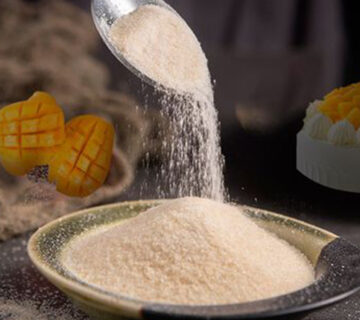
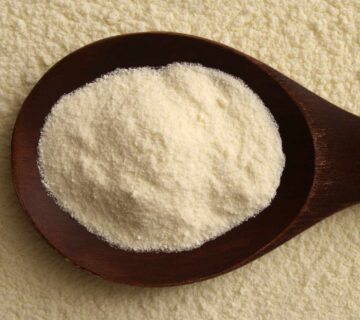
Demineralized whey powder with low lactose content
Low Lactose Demineralized Whey Powder
What Are Lactose and Dairy Sugars? Definitions and Industrial Significance
Lactose: The Central Milk Sugar
Lactose is a disaccharide sugar naturally found in milk, composed of glucose and galactose molecules. In food production, lactose functions as:
- A functional carbohydrate that impacts sweetness, browning reactions, and mouthfeel.
- A carrier molecule in spray-dried dairy powders.
- A filling agent in tablets and chewable applications.
- A fermentation substrate for probiotics and starter cultures.
Unlike sucrose or glucose syrups, lactose has lower relative sweetness (~16% relative to sucrose), which makes it ideal when you want sweetness modulation without overpowering flavor.
From an industrial perspective, lactose is available in various grades, such as:
- Food‑grade lactose for confectionery, bakery, and dairy applications.
- Pharmaceutical‑grade lactose with stringent microbiological controls.
- Spray-dried dairy sugar tailored for blending with functional proteins.
Dairy Sugars: Beyond Lactose
While lactose is the primary sugar in milk, dairy sugars also encompass other carbohydrate solutions and syrups derived from milk solids. These include:
- Lactose monohydrate – crystalline form used in powders.
- Whey permeate solids – containing lactose and micronutrients.
- Hydrolyzed lactose syrups – higher sweetness and solubility.
- Dairy blends optimized for specific functionalities.
For food manufacturers, the distinction matters. Lactose monohydrate behaves differently in processing than a whey permeate blend, particularly in terms of solubility, sweetness, Maillard reaction potential, and hygroscopicity.
Why Source Lactose and Dairy Sugars from TÜRKİYE for Food Production?
Türkiye’s Strategic Advantages in Dairy Sugar Production
Türkiye has evolved into a robust producer of lactose and dairy sugar ingredients. Its geographic position, integrated dairy sector, and export orientation support competitive pricing and high quality control standards.
Some key supply advantages include:
- Access to high‑quality milk pools, enabling consistent raw input quality.
- Competitive production costs due to local economies of scale.
- Proven compliance with EU and Middle East food safety regulations.
- Growing export infrastructure that supports reliable logistics to Europe, Asia, and the Middle East.
From an industrial sourcing standpoint, these factors translate into dependable lead times, consistent material performance, and easier alignment with multinational specifications.
MT Royal’s network across Türkiye enables factories to access multiple lactose and dairy sugar types tailored to specific applications, including functional bakery blends, confectionery‑grade crystalline lactose, and specialized dairy ingredient syrups.
Common Industrial Challenges in Sourcing Dairy Sugars — And How to Avoid Them
When procurement teams begin sourcing lactose and dairy sugars, several pitfalls are frequent:
1. Ignoring Functional Specifications
Not all lactose grades are created equal. Many manufacturers make the mistake of assuming all lactose will behave similarly. In reality:
- Solubility and crystal size determine dissolution rates in beverage and syrup systems.
- Purity levels affect Maillard browning during baking.
- Moisture content impacts shelf stability and flowability.
Tip: Always request a detailed specification sheet that includes:
- Lactose monohydrate percentage
- Impurity profile
- Microbiological limits
- Particle size distribution
- Moisture and ash content
This ensures you’re sourcing the right grade for your exact process.
2. Oversimplifying Sweetness and Flavor Impact
Lactose has a lower sweetness profile than sucrose or glucose. Many formulators overlook how this impacts flavor balance, particularly in products that rely on perceived sweetness (e.g., confectionery or flavored milk).
Comparative sweetness:
| Sweetener | Relative Sweetness (vs. Sucrose) |
|---|---|
| Sucrose | 100 |
| Lactose | ~16 |
| Glucose | ~70 |
| Fructose | ~140 |
Industrial rationalization: If your product depends on sugar‑derived sensory impact, lactose should be balanced with other sweeteners—especially when product quality is sensitive to flavor.
3. Failing to Account for Maillard Reactions
Because lactose participates in Maillard browning (between amino acids and reducing sugars), its selection matters in baked goods and extruded snacks. Some manufacturers inadvertently source high‑reactivity dairy sugars that accelerate browning, impacting color and texture.
Tip: Work with technical teams to understand how lactose grade influences your product’s thermal profile and adjust your choice accordingly.
4. Underestimating Supply Chain Risk
Lactose markets can face volatility based on milk supply cycles, regulatory shifts, or export demands. Relying on a single supplier without visibility into alternative sources exposes production to risk.
Risk mitigation frameworks:
- Multi‑supplier sourcing agreements
- Safety stock calibration
- Flexible contract terms with volume options
- Supplier performance metrics tied to delivery reliability
MT Royal’s supplier portfolio across Türkiye helps mitigate these risks by offering alternative brands and grades without compromising requirements.
Lactose and Dairy Sugars in Practical Production Applications
Understanding industrial functionality requires examining how lactose and dairy sugars perform in real manufacturing environments. Below are key use cases with technical considerations.
Bakery and Confectionery Systems
Lactose’s role in bakery extends beyond sweetness: it influences crust color development, moisture retention, and crumb structure.
Functional contributions in bakery:
- Improves Maillard browning for desirable crust color.
- Aids in moisture control to extend shelf life.
- Reduces sweetness impact while enhancing browning reactions.
Confectionery roles:
- Acts as a carrier in gum and toffee systems.
- Controls stickiness and sugar crystallization patterns.
- Acts as a bulking agent in low‑calorie formulations.
Beverage and Dairy Drink Manufacturing
In dairy beverage production, solubility and dissolution rates matter intensely. Lactose with poor solubility can cause sedimentation or haze.
Key performance parameters:
- Particle size distribution – smaller particles dissolve faster.
- Moisture control – critical for stable liquid dispersions.
- Heat stability – essential in UHT processes.
Specialized dairy sugar syrups—blends derived from whey permeate or hydrolyzed lactose—offer higher solubility and better functional performance where clarity and mouthfeel are priorities.
Nutritional and Supplement Production
In high‑protein shakes or clinical nutrition products, dairy sugars provide carbohydrate balance while minimizing sweetness. Lactose’s low relative sweetness makes it a preferred choice when flavor must be controlled without disruptive sweetness.
Manufacturers often combine lactose with functional proteins to achieve:
- Desired osmolarity profiles.
- Controlled caloric density.
- Compatibility with probiotic or enzymatic systems.
Technical Selection Guide for Procurement and R&D Teams
To help your factory streamline selection and specification, here is a comparative guide to lactose and dairy sugar options.
| Feature / Requirement | Crystalline Lactose | Lactose Monohydrate | Whey Permeate Solids | Hydrolyzed Lactose Syrup |
|---|---|---|---|---|
| Sweetness Level | Low (~16%) | Low | Moderate | Moderate‑High |
| Solubility | Moderate | Moderate | High | Very High |
| Maillard Activity | Yes | Yes | Yes | Reduced |
| Functional Use | Bakery, tablets | Confectionery, dairy | Beverage, blending | Beverage, nutritional |
| Flowability | Good | Moderate | Poor‑Moderate | Syrup form |
| Cost Efficiency | High | High | Medium | Medium‑High |
This table illustrates that no single material is universally “best”—the right choice depends on your processing targets, equipment capabilities, and product specifications.
Industrial Quality Standards and Regulatory Context
For food manufacturers sourcing Lactose and Dairy Sugars from Türkiye for Food Production, compliance with international standards is non‑negotiable. Relevant certifications and quality systems include:
- ISO 9001 – Quality management systems
- HACCP – Hazard analysis and critical control points
- FSSC 22000 – Food safety systems for food ingredients
- Kosher / Halal certifications – For specific export markets
Procuring lactose and dairy sugars with traceable documentation, batch testing data, and consistent quality certificates helps ensure your production remains compliant with EU, GCC, and North American import requirements.
Emerging Trends in Dairy Sugars and Lactose Demand
1. Functional Beverages and Soluble Dairy Sugars
Across the global beverage market, there’s a growing demand for soluble dairy sugars that deliver clean taste and clear solutions. This trend reinforces the need for lactose variants engineered for high solubility and low haze.
2. Plant‑Forward Foods and Dairy Sugar Alternatives
While plant‑based alternatives have risen, lactose remains essential for traditional dairy applications and hybrid systems. Manufacturers are innovating blends where lactose complements plant proteins to improve mouthfeel and processing behavior.
3. Personalized Nutrition and Prebiotic Focus
Recent research underscores lactose’s role as a fermentable substrate for probiotic cultures, particularly in clinical nutrition. This supports product differentiation in nutritional supplement spaces.
4. Supply Chain Visibility Tools
Digitization in ingredient sourcing—such as blockchain traceability and real‑time quality reporting—are reshaping how manufacturers monitor lactose supply performance and compliance.
Frequently Asked Questions by Production Teams
What grade of lactose should I choose for a carbonated dairy beverage?
For carbonated systems, prioritize highly soluble dairy sugar syrups or hydrolyzed lactose with small particle size to ensure complete dissolution and avoid sedimentation.
How does lactose affect the browning of baked products?
Lactose participates in Maillard reactions, contributing to crust color development. However, because it is a reducing sugar, it can accelerate browning more than sucrose. Choose lower‑reactivity grades or balance formulations if color control is critical.
Can lactose help extend shelf life?
Indirectly, yes. Lactose’s functional properties in moisture regulation and its relatively low sweetness can contribute to balanced moisture profiles in bakery and dairy products, positively affecting textural stability.
Is lactose suitable for use in high‑temperature extrusion?
Yes, provided the grade offers stability under high shear and temperature. Consult with technical representatives to ensure compatibility with your extrusion parameters.
How do I assess lactose quality from a new supplier?
Request comprehensive specifications, perform trial runs, and review certificates of analysis. Compare historical batch data for consistency and align quality benchmarks with your product needs.
Strategic Considerations for Your Sourcing Roadmap
- Define Your Exact Functional Targets
Before issuing RFQs, align quality, solubility, sweetness, particle size, and purity metrics with your process engineers. - Develop Multi‑Tier Supplier Benchmarks
Identify primary and secondary sourcing options to hedge supply risk. - Negotiate Flexible Contract Terms
Collaborate with partners like MT Royal to build agreements that allow volume scaling, quality guarantees, and responsive logistics. - Invest in Technical Support Collaboration
Work with supplier technical teams on formulation trials to reduce time‑to‑market.
A Final Word for Production, R&D, and Procurement Teams
In industrial food production, ingredients like lactose and dairy sugars are not commodities to be acquired with a generic checklist—they are engineered materials with nuanced performance profiles. Especially when sourced from dynamic markets such as Türkiye, the opportunity lies in tapping into a rich supply base that offers both quality and strategic advantage.
When you align your functional requirements with precise specifications and reliable supply partners, you unlock smoother processing, better product consistency, and stronger control over your production outcomes.


No comment