

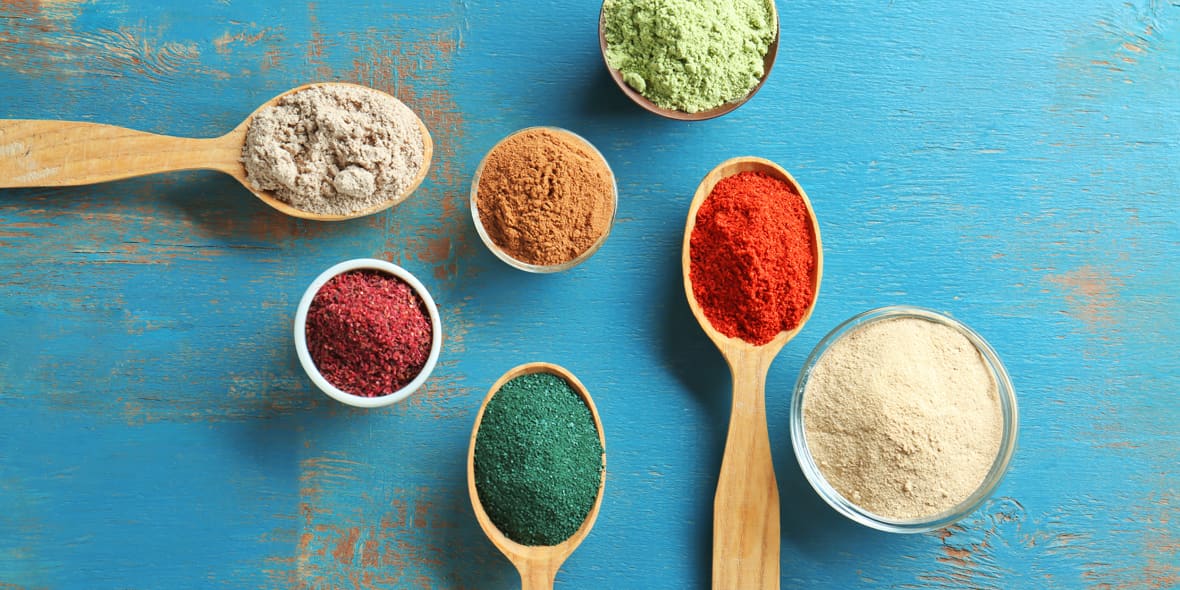
Color is often the very first promise your product makes to the consumer. Before taste, before texture, before even aroma, the eye decides whether a product feels fresh, indulgent, healthy, or trustworthy. For manufacturers navigating today’s clean-label, export-driven, and regulation-heavy markets, Natural Food Colorants from TÜRKİYE have become far more than a visual detail—they are a strategic ingredient choice.
Factories across bakery, confectionery, dairy, beverage, savory, and plant-based categories are actively reformulating to remove synthetic dyes. At the same time, they face pressure to maintain visual consistency, process stability, and cost control at industrial scale. This tension is exactly where Türkiye has emerged as a reliable sourcing hub, and where experienced ingredient partners such as MT Royal play a decisive role.
This article is written for decision-makers: factory owners, R&D managers, procurement specialists, and technical directors who need clarity, not marketing noise. If your production line depends on safe, vibrant, and scalable natural food color solutions, this guide is designed to answer the real questions behind the search.
What Are Natural Food Colorants? A Practical Industrial Definition
Beyond the Label: What “Natural” Really Means
Natural food colorants are coloring ingredients derived from plant, mineral, or microbial sources and processed using approved physical or enzymatic methods. Unlike artificial dyes, they originate from materials such as fruits, vegetables, spices, algae, and edible plants.
From an industrial perspective, “natural” is not a vague claim—it is a regulatory status. Natural food colorants must comply with:
- EU food additive regulations
- FDA color additive rules (where applicable)
- Clean-label expectations in retail markets
For manufacturers exporting across regions, this compliance determines whether your product passes customs or gets stuck in documentation review.
Common Sources of Natural Food Colorants
Natural food colorants typically come from:
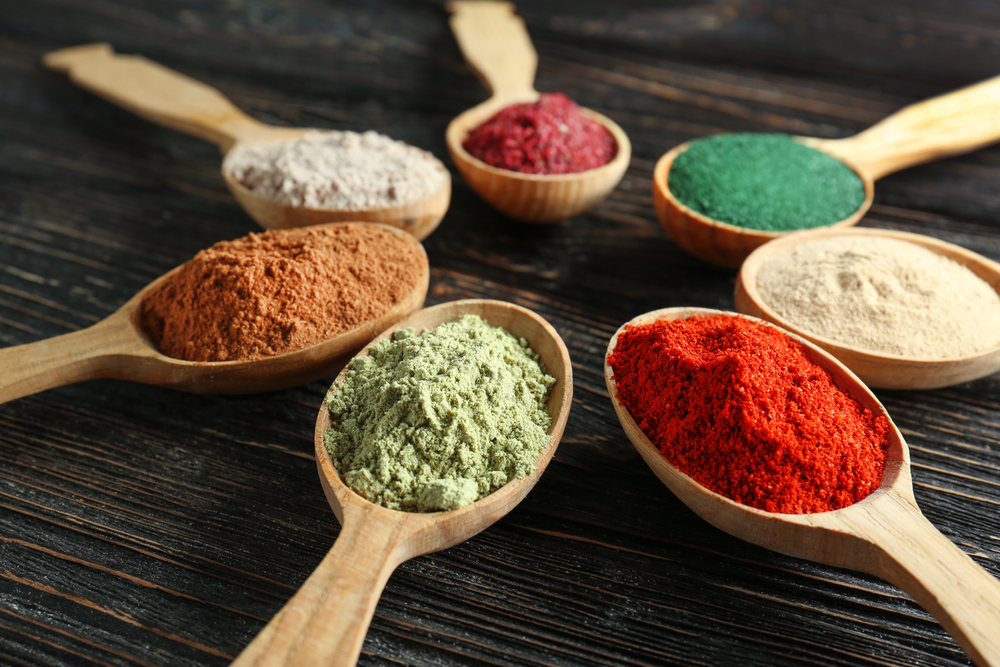
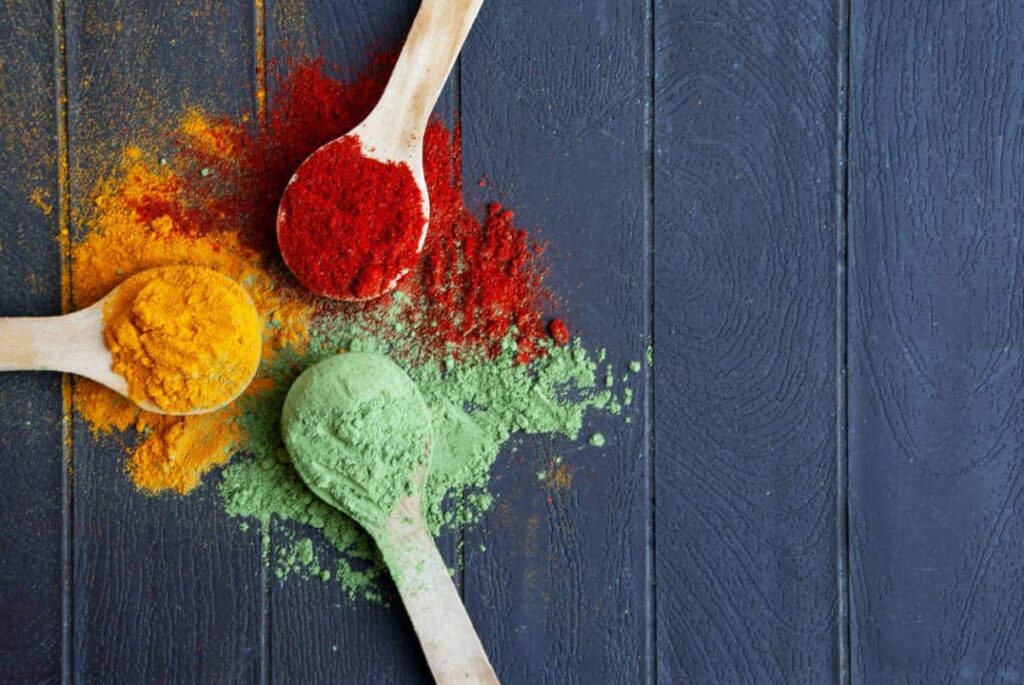
- Paprika (reds and oranges)
- Turmeric and curcumin (yellow)
- Beetroot (red and pink)
- Spirulina (blue and green)
- Carrot, pumpkin, safflower, and hibiscus
- Anthocyanin-rich fruits such as grape skin or black carrot
Each source behaves differently under heat, light, pH, and oxygen exposure. Understanding these behaviors is essential when scaling production.
Why Natural Food Colorants from TÜRKİYE Are Gaining Global Attention
Türkiye as a Strategic Sourcing Hub
Türkiye sits at the intersection of Europe, Asia, and the Middle East—geographically and commercially. This positioning allows ingredient suppliers to serve diverse markets efficiently while aligning with international regulatory frameworks.
For industrial buyers, sourcing Natural Food Colorants from TÜRKİYE offers:
- Shorter lead times compared to distant origins
- Competitive pricing through regional processing
- Familiarity with EU compliance standards
- Flexible logistics for bulk and container shipments
Türkiye is not just a transit country; it has developed a strong ecosystem of food ingredient processors, extraction facilities, and export-focused distributors.
Agricultural Diversity and Raw Material Access
Türkiye’s climate supports a wide range of agricultural raw materials used in natural pigments. From paprika fields to fruit-processing byproducts repurposed into colorants, this agricultural base strengthens supply continuity.
We have seen manufacturers benefit from this proximity to raw materials, especially during global supply disruptions when single-origin sourcing becomes risky.
The Shift from Synthetic Dyes to Natural Food Colors
Why Manufacturers Are Reformulating
The move away from artificial food coloring is no longer driven only by consumer trends. It is now influenced by:
- Retailer clean-label policies
- Regulatory pressure in export markets
- Brand transparency commitments
- Parental concerns in children’s products
Synthetic dyes may offer stability and low cost, but they increasingly limit market access.
The Real Challenge: Performance at Scale
Natural food colorants behave differently from synthetic ones. They are more sensitive to:
- Heat treatment
- Light exposure
- Oxygen
- pH variation
Factories that underestimate these factors often experience color fading, batch inconsistency, or unexpected interactions with other ingredients.
This is where industrial-grade natural colorants—and the right supplier—make the difference.
Common Mistakes in Industrial Sourcing of Natural Food Colorants
Mistake 1: Choosing Color by Shade Alone
Color charts are helpful, but they do not tell the full story. Two red shades may look identical in a sample, yet behave very differently in your production process.
Factors often overlooked include:
- Thermal stability during baking or pasteurization
- pH sensitivity in beverages or dairy
- Interaction with fats, proteins, or sugars
Mistake 2: Ignoring Process Conditions
Natural colorants must be selected based on your actual production conditions. A color that works in cold-fill beverages may fail in UHT processing.
We have worked with factories that had to halt production because the color performed well in trials but failed during continuous industrial runs.
Mistake 3: Treating Natural Colors as Drop-in Replacements
Natural food colorants are not always one-to-one replacements for synthetic dyes. Dosing, dispersion method, and timing often need adjustment.
Without technical guidance, reformulation becomes expensive and time-consuming.
Types of Natural Food Colorants Used in Industrial Production
Carotenoid-Based Colorants
Derived from paprika, carrot, or annatto, carotenoids offer yellow, orange, and red hues. They are widely used in:
- Snacks
- Margarine
- Cheese
- Sauces
They perform well in fat-based systems but require proper emulsification.
Anthocyanin-Based Colorants
Extracted from black carrot, grape skin, or berries, anthocyanins provide red, purple, and blue shades. Their key characteristic is pH sensitivity, making them ideal for:
- Beverages
- Confectionery
- Fruit preparations
Chlorophyll and Spirulina
Used for green and blue shades, these are popular in clean-label and plant-based products. Stability depends heavily on formulation and packaging.
Curcumin and Turmeric Extracts
These provide bright yellow shades and are widely accepted across markets. They offer good stability but can interact with light.
Industrial Applications of Natural Food Colorants
Bakery and Cereals
High-temperature processes demand colorants with strong thermal stability. Dosage accuracy is critical to avoid browning or fading.
Dairy and Plant-Based Alternatives
Natural food colorants must disperse evenly without affecting texture or flavor. pH control plays a major role.
Beverages
Clear and opaque beverages require different color strategies. Natural pigments must remain stable throughout shelf life.
Confectionery
In candies and gummies, color intensity and consistency define brand identity. Natural colorants must withstand sugar concentration and heat.
Key Technical Criteria for Selecting Natural Food Colorants
Stability Profile
Evaluate stability against heat, light, oxygen, and pH. This determines shelf life and visual consistency.
Solubility and Dispersion
Water-soluble vs oil-soluble colorants must match your formulation system.
Dosage Efficiency
Higher-quality natural colorants often reduce required dosage, improving cost efficiency over time.
Documentation and Compliance
Certificates of analysis, allergen statements, and regulatory documentation are essential for audits and exports.
At MT Royal, we prioritize suppliers who can consistently deliver on these technical parameters, not just visual appeal.
Natural Food Colorants vs Artificial Dyes: A Strategic Comparison
Artificial dyes offer:
- High stability
- Low cost
- Strong color intensity
Natural food colorants offer:
- Clean-label compatibility
- Market access
- Brand trust
- Regulatory flexibility
For manufacturers with export ambitions or premium positioning, natural colorants are no longer optional—they are inevitable.
Industrial Supply Chain Considerations
Consistency Over Time
Natural raw materials are subject to seasonal variation. Professional suppliers standardize extracts to maintain color consistency year-round.
Scalability
Your supplier must support volume growth without compromising quality.
Risk Management
Diversified sourcing and buffer stocks reduce exposure to crop failures or geopolitical disruptions.
We have seen how proactive sourcing strategies protect production continuity even during volatile periods.
Frequently Asked Questions from Factory Managers and Buyers
Are natural food colorants safe for children’s products?
Yes, when properly sourced and compliant with food regulations. They are often preferred in children’s foods.
Do natural colorants affect flavor?
High-quality colorants are designed to be neutral at recommended dosages.
Are natural food colors more expensive?
Unit price may be higher, but optimized dosing and market access often balance total cost.
Can natural food colorants be customized?
Yes, within regulatory limits. Shade adjustment and concentration tuning are common in industrial supply.
The Role of MT Royal in Natural Food Colorant Sourcing
MT Royal operates as a bridge between global manufacturers and reliable ingredient producers. Rather than pushing a single solution, the focus is on matching product requirements with technically suitable natural food colorants.
We have seen that factories succeed when sourcing is treated as a technical collaboration, not a transactional purchase. Our experience working with diverse production lines allows us to anticipate challenges before they appear on the factory floor.
Why Natural Food Colorants from TÜRKİYE Are a Long-Term Advantage
The global shift toward transparency, safety, and clean labeling is irreversible. Manufacturers who adapt early gain flexibility, credibility, and access to high-value markets.
Choosing Natural Food Colorants from TÜRKİYE is not simply about geography—it is about aligning your production strategy with reliability, regulatory confidence, and scalable quality.
Color tells a story. In today’s market, that story must be natural, consistent, and trustworthy—batch after batch, market after market.
LATAMARKO LM60 – Premium Spanish-Origin Cocoa Powder
latamarko alkalized cocoa powder lm60
cocoa powder for chocolate production-Best price
Food industry raw materials – list of products
Types of Gelatin from Turkish Manufacturer
Alkalized Cocoa Powder Price: Complete Buyer Guide for 2026

No comment