

In almost every food and beverage factory, sweetness is not just a sensory attribute—it is a functional backbone. Texture, shelf life, browning reaction, mouthfeel, fermentation behavior, and even cost structure are deeply tied to the sweetening system you choose. For manufacturers searching for Sweeteners and Glucose Syrup Suppliers in TÜRKİYE, the real question is not availability. It is reliability, technical fit, price stability, and long-term supply security.
Türkiye has quietly become one of the most strategic sourcing hubs for industrial sweeteners and glucose syrup. With strong agricultural inputs, modern starch-processing infrastructure, and access to multiple export corridors, the country offers a unique balance of quality, flexibility, and competitiveness. When combined with experienced ingredient distributors such as MT Royal, sourcing from Türkiye turns into a strategic advantage rather than a procurement risk.
This article is written for factory managers, purchasing directors, formulation specialists, and business owners who need more than a product list. If your production depends on sweeteners and glucose syrup suppliers in Türkiye, this guide is designed to answer the operational, technical, and commercial questions behind that search.
Understanding Sweeteners and Glucose Syrup in Industrial Production
What Are Industrial Sweeteners?
Industrial sweeteners are ingredients used to provide sweetness, functional properties, or both, in food and beverage formulations. They include:
- Caloric sweeteners such as glucose syrup, sucrose, and fructose
- High-intensity sweeteners used at very low dosages
- Functional syrups that influence viscosity, freezing point, and moisture retention
In large-scale manufacturing, sweeteners are rarely chosen for sweetness alone. Their behavior during processing often matters more than their taste.
What Is Glucose Syrup?
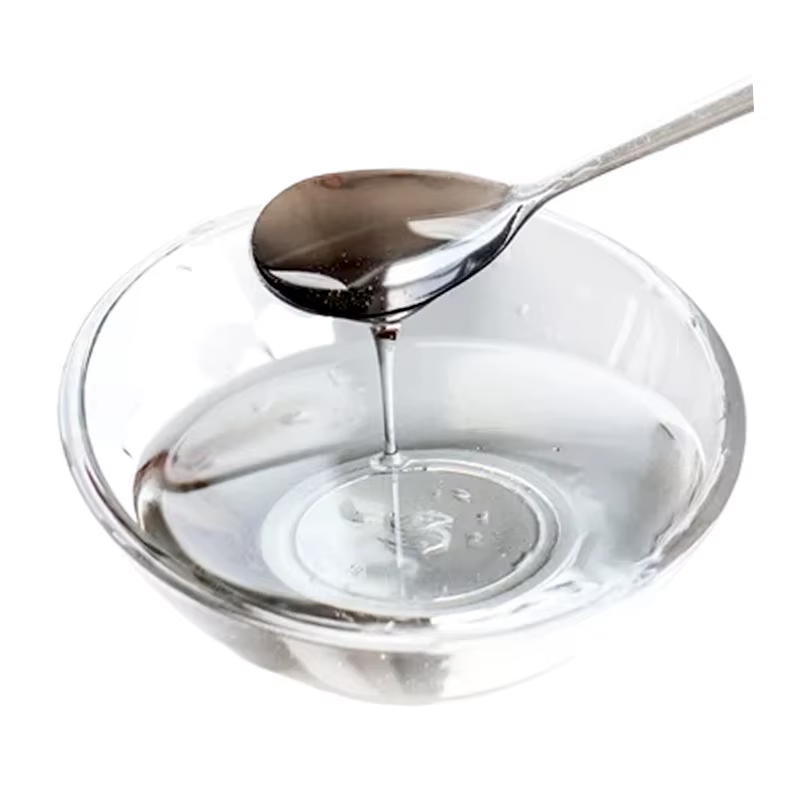
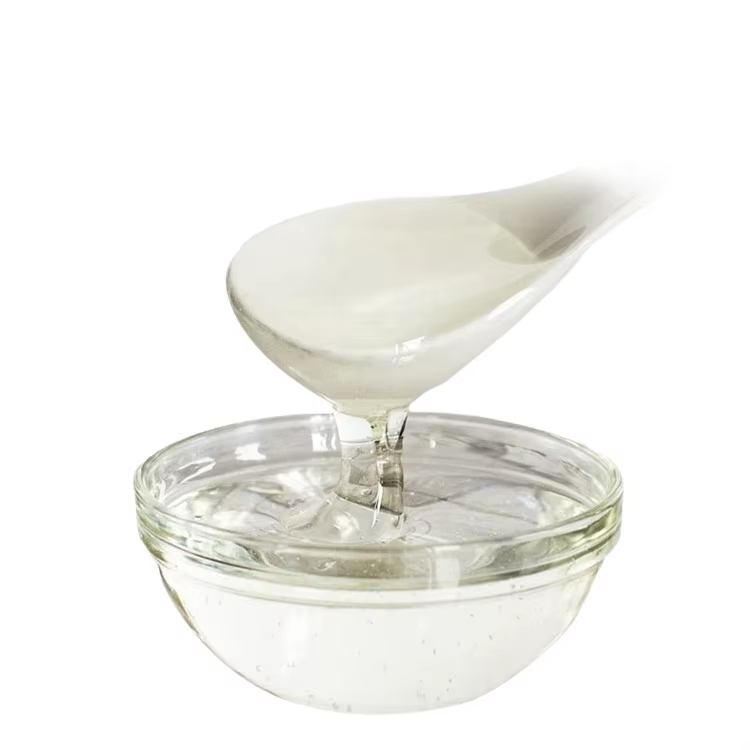
Glucose syrup is a refined carbohydrate solution produced by hydrolyzing starch, most commonly from corn or wheat. It contains varying proportions of glucose, maltose, and higher saccharides, depending on the degree of hydrolysis.
Key characteristics of glucose syrup include:
- Controlled sweetness level
- Viscosity contribution
- Anti-crystallization properties
- Shelf-life extension
Because of this multifunctionality, glucose syrup is a cornerstone ingredient in confectionery, bakery, dairy, beverages, and processed foods.
latamarko alkalized cocoa powder lm60
Food industry raw materials – list of products
Cocoa Powder Exporter from Türkiye
Alkalized Cocoa Powder Supplier
Why Türkiye Is a Strategic Source for Sweeteners and Glucose Syrup
Strong Agricultural Foundations
Türkiye has consistent access to starch-rich crops, particularly corn and wheat, which form the base of glucose syrup production. This local raw material availability reduces dependency on imported inputs and improves supply stability.
For industrial buyers, this means fewer disruptions caused by global commodity fluctuations.
Advanced Processing Infrastructure
Over the past two decades, Türkiye has invested heavily in modern starch conversion and sweetener production facilities. Many producers operate with:
- Enzymatic hydrolysis systems
- Continuous processing lines
- Strict quality control protocols
As a result, sweeteners produced in Türkiye meet international food-grade standards and are suitable for demanding industrial applications.
Export-Oriented Supply Chains
Sweetener and glucose syrup suppliers in Türkiye are accustomed to exporting to Europe, the Middle East, Africa, and Asia. This experience translates into:
- Proper documentation
- Regulatory alignment
- Efficient logistics
At MT Royal, we have seen how this export readiness reduces friction for manufacturers operating across multiple markets.
Types of Sweeteners Commonly Supplied from Türkiye
Glucose Syrup (DE Variants)
Glucose syrup is classified by its Dextrose Equivalent (DE), which indicates the degree of starch hydrolysis.
- Low DE glucose syrups offer low sweetness and high viscosity
- High DE syrups provide more sweetness and lower viscosity
Choosing the correct DE value is critical for product performance.
Fructose and Glucose-Fructose Syrups
Used extensively in beverages and processed foods, these syrups offer higher sweetness intensity and good solubility.
Maltodextrin
Often used as a bulking agent or carrier, maltodextrin provides minimal sweetness but strong functional benefits.
Specialty Sweetener Blends
Some suppliers offer tailored blends designed to optimize sweetness, texture, and cost simultaneously.
Industrial Applications of Sweeteners and Glucose Syrup
Confectionery Production
In candies, gummies, and chocolates, glucose syrup prevents sugar crystallization and improves chewiness. Without it, texture control becomes nearly impossible at scale.
Bakery and Baked Goods
Sweeteners influence:
- Browning reactions
- Moisture retention
- Crumb structure
Selecting the wrong syrup can lead to dry products or inconsistent coloration.
Dairy and Ice Cream
Glucose syrup affects freezing point depression, which directly impacts scoopability and mouthfeel in frozen desserts.
Beverage Manufacturing
In beverages, sweeteners must dissolve cleanly, remain stable, and integrate smoothly with flavors and acids.
Processed Foods and Sauces
Sweeteners balance acidity, improve viscosity, and extend shelf life.
Common Mistakes in Sourcing Sweeteners and Glucose Syrup
Mistake 1: Buying on Price Alone
Sweeteners are often treated as interchangeable commodities. In reality, small differences in composition can cause major processing issues.
We have seen factories face production downtime because a cheaper syrup behaved differently under heat or shear.
Mistake 2: Ignoring Batch Consistency
Inconsistent sweetener composition leads to variable product quality. Reliable suppliers prioritize standardization across batches.
Mistake 3: Overlooking Regulatory Fit
Sweeteners must comply with labeling laws, allergen declarations, and export regulations. Documentation gaps can delay shipments or block market entry.
Key Technical Parameters Buyers Should Evaluate
Dextrose Equivalent (DE)
DE value determines sweetness, fermentability, and viscosity. Selecting the wrong DE can disrupt formulation balance.
Dry Solids Content
This affects sweetness intensity, water activity, and shelf stability.
Microbiological Quality
Industrial sweeteners must meet strict microbiological standards to avoid contamination risks.
Sensory Neutrality
High-quality glucose syrup should be clean-tasting, without off-notes.
At MT Royal, we emphasize these technical checks because they directly affect production efficiency.
Sweeteners vs Sugar: A Practical Comparison
While sucrose remains widely used, sweeteners and glucose syrup offer advantages:
- Improved texture control
- Reduced crystallization
- Enhanced shelf life
- Cost optimization in large-scale production
For many applications, replacing part of the sugar with glucose syrup improves both performance and economics.
Trends Shaping the Sweetener Market in Türkiye
Demand for Functional Sweeteners
Manufacturers increasingly seek ingredients that do more than sweeten. Syrups that improve texture and stability are gaining popularity.
Cost Optimization Under Volatile Markets
As global sugar prices fluctuate, glucose syrup offers a more stable alternative.
Clean Label and Transparency
Even in sweeteners, buyers now demand clear sourcing and processing information.
Supply Chain Resilience
Factories prioritize suppliers with diversified raw material access and robust logistics.
Industrial Procurement Strategies for Long-Term Success
Establish Technical Specifications
Clear specifications reduce variability and supplier misunderstandings.
Build Supplier Partnerships
Long-term relationships improve pricing stability and priority allocation during shortages.
Plan for Volume Growth
Your supplier must scale with your production without compromising quality.
We have seen that proactive procurement strategies save far more money than reactive buying.
Frequently Asked Questions from Factory Managers and Buyers
Are sweeteners from Türkiye suitable for export products?
Yes. Most suppliers operate in compliance with EU and international food standards.
Can glucose syrup replace sugar completely?
In some applications yes, but often partial replacement delivers the best results.
Is consistency guaranteed year-round?
With the right supplier, yes. Standardization protocols ensure batch stability.
Are customized formulations available?
Many suppliers offer tailored sweetener solutions for specific applications.
The Role of MT Royal in Sweetener and Glucose Syrup Supply
MT Royal works with established producers to deliver consistent, industrial-grade sweeteners to manufacturers across sectors. Rather than offering one-size-fits-all solutions, the focus is on matching sweetener characteristics to real production conditions.
We have seen that when sourcing decisions are supported by technical understanding, factories reduce waste, improve consistency, and protect margins. Our role is to make sourcing predictable, not complicated.
Why Choosing the Right Supplier in Türkiye Matters
Sweeteners and glucose syrup sit at the heart of countless formulations. A reliable supply partner ensures that sweetness remains a controlled variable—not a production risk.
Choosing experienced Sweeteners and Glucose Syrup Suppliers in TÜRKİYE means gaining access to stable raw materials, modern processing, and export-ready infrastructure. When combined with a knowledgeable distributor, this sourcing strategy strengthens both product quality and operational confidence.
In industrial manufacturing, the smallest ingredients often carry the largest responsibility. When sweetness is managed correctly, everything else falls into place.

No comment