

In an era where nutraceuticals are no longer a niche but a cornerstone of health‑driven consumer products, sourcing top‑quality ingredients reliably, cost‑effectively, and at scale has become a strategic advantage for industrial manufacturers like you. As demand for nutraceutical ingredients—including active botanicals, vitamins, functional extracts, and specialty nutrients—continues to surge globally, one market has emerged as particularly compelling: Turkey.
Turkey’s unique geographic location between Europe, Asia, and the Middle East, combined with its expanding industrial base, positions it as a dynamic exporter of nutraceutical raw materials. For your factory’s supply chain strategy, understanding who the leading exporters are, what they offer, and how they operate is key to reducing risk, improving margins, and delivering high‑performance products.
In this comprehensive article, we’ll walk you through everything from the basics of nutraceutical ingredients to insights on leading Turkish exporters, practical strategies for industrial procurement, common pitfalls to avoid, and actionable recommendations for optimizing your sourcing strategy. Throughout, we share expertise from MT Royal, where we’ve helped multiple manufacturers secure premium nutraceutical inputs at competitive pricing and consistent quality.
Nutraceutical Ingredients: Foundational Concepts You Need to Know
To begin, let’s clarify what we mean by nutraceutical ingredients in the context of industrial production.
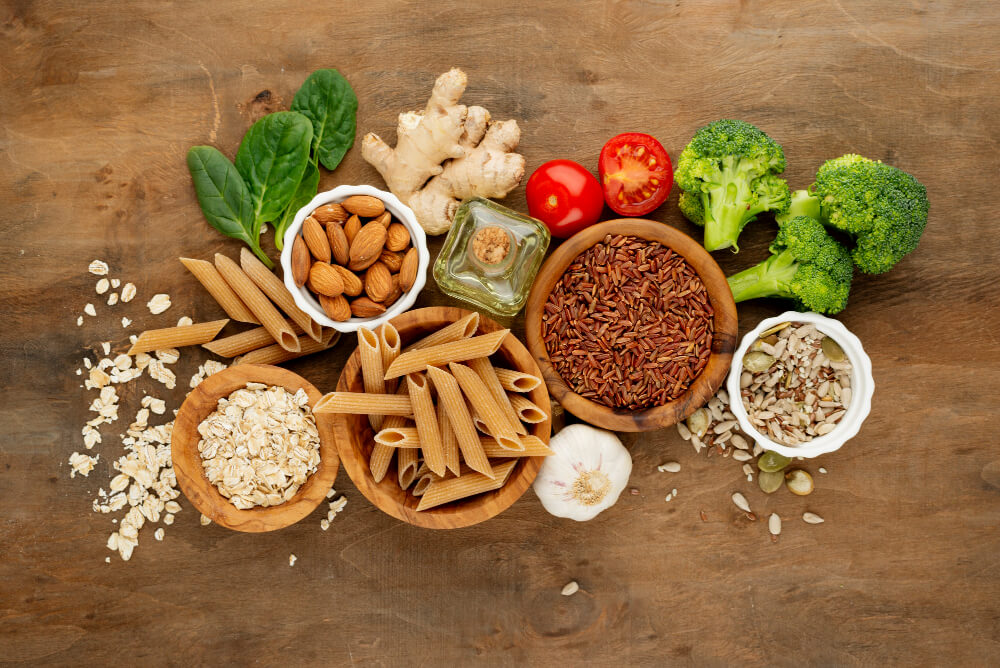
Nutraceuticals refer to substances that are derived from natural sources and offer health benefits beyond basic nutrition. These ingredients play a crucial role in the formulation of dietary supplements, functional foods, nutraceutical‑enhanced beverages, specialized clinical nutrition products, and even cosmeceuticals.
Typical categories of nutraceutical ingredients include:
- Vitamins and Provitamins – essential micronutrients with measurable health benefits.
- Botanical Extracts and Phytochemicals – such as curcumin, green tea extract, and flavonoids.
- Amino Acids and Peptides – for performance, metabolic support, or clinical nutrition.
- Probiotics and Prebiotics – biologically active cultures and substrates that support gut health.
- Functional Lipids and Specialty Fats – like omega‑3 concentrates or MCT oils.
Food ingredient datasets tracking Turkish exports reveal that Turkish suppliers are active in exporting biologically active food components like magnesium citrate, vitamin complexes, and mineral blends—all of which can be employed as functional ingredients in nutraceutical formulations.
These components are often utilized by manufacturers for formulation innovation, targeted health claims, and product differentiation.
The Strategic Importance of Turkish Exporters in Your Supply Chain
Turkey’s role in global supply chains extends beyond traditional goods into high‑value functional ingredients, including many used in nutraceuticals. There are several compelling reasons why Turkey has become a strategic sourcing hub for nutraceutical ingredient exporters:
A. Geographic & Logistics Advantage
Turkey’s positioning enables relatively short transit times to Europe, North Africa, and the Middle East. Its export infrastructure supports expedited shipping and regulatory compliance for many international destinations.
B. Cost‑Value Balance
Turkey’s manufacturing and processing costs are typically competitive with European markets but with quality standards that often align with EU or international GMP expectations—critical if your end products require regulated labeling or cross‑border certification.
C. Diversity of Exported Ingredient Types
Turkish exporters provide a range of food ingredients and nutraceutical precursors—from standardized herbal extracts to mineral complexes, and flavor‑neutral carriers—which manufacturers can blend into final formulations.
Data from export shipment analytics shows that companies like IFF Turkey Aroma ve Esans Urunleri account for a significant share of Turkey’s export shipments in food ingredients, which overlaps with nutraceutical raw material categories relevant to industrial formulations.
Leading Nutraceutical Ingredient Exporters from Turkey
Below we highlight several notable Turkish exporters and distributors that are either directly supplying nutraceutical ingredients or are significant players in functional food and ingredient export markets.
A. Barentz Turkey – Broad Ingredient Expertise
Barentz is a well‑established international distributor with a strong presence in Turkey, offering specialty ingredients for human nutrition, pharmaceuticals, and personal care. Their presence in Istanbul enables close collaboration with ingredient manufacturers and international logistics support.
They serve as a conduit for high‑quality nutraceutical raw materials—including botanical actives, stabilizers, and nutritional compounds—helping you secure ingredients from global sources while leveraging local distribution efficiencies.
B. Bursa Jelatin Gıda San. Ve Ticaret A.S. – Specialty Functional Ingredients
Bursa Jelatin is a Turkish producer that has expanded into global markets with halal edible gelatin, an important functional ingredient in many nutraceutical production lines—especially in softgels and encapsulation. Their facilities emphasize food safety and traceability, which are critical for compliance‐oriented manufacturers.
C. Tunçkaya Chemicals – Functional Food Additives
With decades of experience in food additives, emulsifiers, thickening agents, and functional gums, Tunçkaya Chemicals’ export capabilities enhance supply chains for manufacturers seeking complex ingredient systems used in stabilizing or texturizing nutraceutical products.
D. Other Export Players and Supplier Networks
Export directories list multiple Turkish companies involved in food and supplementary ingredient exports, such as:
- Voltar Kumanyacilik ve Gida Urunleri – active in ingredient exports.
- IFF Turkey Aroma ve Esans Urunleri – flavors and raw food ingredients that can also play a role in nutraceutical formulations.
These players, among others, help create a diversified Turkish export portfolio for nutraceutical inputs.
While some companies focus more on food ingredients, the overlap with nutraceutical production is significant, especially where functional ingredients and bioactive nutrient complexes are concerned.

Common Mistakes in Industrial Nutraceutical Sourcing and How to Avoid Them
As procurement managers and factory leaders increasingly turn to international suppliers, there are pitfalls that can negatively impact timelines, quality, and compliance:
Mistake #1: Prioritizing Price Over Specification Transparency
Simply selecting the lowest‑cost exporter often results in quality mismatches or delayed certification compliance. Always require detailed technical data sheets (TDS), certificate of analysis (COA), and stability studies.
Mitigation: Conduct multi‑tier testing and insist on batch traceability.
Mistake #2: Ignoring Regulatory Compatibility
Different export markets have varying regulatory requirements (EU, FDA, GCC, etc.). Assuming a Turkish supplier’s product automatically meets all standards can be risky.
Mitigation: Collaborate early with your own regulatory experts and align supplier documentation with intended markets.
Mistake #3: Limited Supplier Risk Assessment
Solely relying on supplier reputation without evaluating their supply continuity can cause production stoppages.
Mitigation: Establish dual sourcing strategies where feasible and monitor supplier financial health, capacity, and export volume consistency.
How to Evaluate Turkish Nutraceutical Ingredient Exporters
Choosing the right partner requires a structured evaluation framework:
A. Quality Assurance Systems
Determine if the supplier operates under recognized quality management systems such as ISO 22000 or Good Manufacturing Practice (GMP) standards. This is non‑negotiable for pharmaceutical‑grade ingredients.
B. Export Experience and Market Reach
Longstanding exporters typically have streamlined processes for documentation, customs clearance, and compliance with international buyer expectations.
C. Technical Support and Innovation Collaboration
Some suppliers are merely traders, while others provide value‑added formulation support, technical troubleshooting, and co‑development capabilities.
D. Logistics and Supply Chain Transparency
Accuracy in lead times, contingency planning for ports and freight, and visibility into inventory levels can significantly improve your procurement reliability.
Industrial Scale Considerations for Large‑Scale Production
When sourcing nutraceutical ingredients at industrial scale, your strategy must factor in:
Volume Forecasting
Accurate demand planning helps secure favorable contract terms, pricing, and priority production slots at supplier facilities.
Inventory Buffering
Based on your seasonal demand cycles and supplier reliability, balancing buffer stocks against working capital can shield you from supply disruption.
Quality Control Integration
Incorporate regular on‑site audits or third‑party inspections to verify consistency against COA values and bacterial or impurity profiles.
Regulatory Documentation
Maintain meticulous records of import/export certificates, COAs, and labeling documentation necessary for audits or market inspections.
Frequently Asked Questions from Procurement Leaders
Q: What makes Turkey competitive in nutraceutical ingredient exports?
Turkey’s strategic location, competitive production costs, diversified ingredient availability, and established export infrastructure make it an attractive source for global manufacturers.
Q: Are Turkish suppliers compliant with international quality standards?
Many exporters operate under ISO and GMP standards and actively export to the EU, Middle East, and beyond, reflecting a baseline commitment to international compliance.
Q: How do MT Royal’s services fit into this landscape?
At MT Royal, we leverage strong global networks to connect you with verified Turkish ingredient suppliers, ensuring compliance, competitive pricing, and proactive supply chain support.
Q: Can small‑volume manufacturers also benefit from Turkish exporters?
Yes—most reputable exporters can accommodate both bulk industrial orders and segmented shipments, as long as lead times and MOQ requirements are discussed early in procurement negotiations.
Conclusion
If your factory or procurement team is looking to elevate supply chain efficiency, diversify supplier risk, and secure high‑performance nutraceutical ingredients, Turkey offers a compelling and increasingly sophisticated export market.
By applying a structured evaluation process, aligning supplier quality systems with your product specifications, and leveraging seasoned partners like MT Royal, you can transform your sourcing model from transactional to strategic—optimizing quality, cost, and delivery performance.
Thank you for exploring this guide with us. We hope it provides clarity, actionable insights, and a practical roadmap for navigating Turkey’s nutraceutical export environment with confidence.


No comment