

In beverage manufacturing, raw materials do not simply support production—they define it. Long before a bottle reaches a shelf or a can is cracked open by a consumer, the success or failure of that product is already embedded in the sourcing decisions made inside the factory. Among those decisions, few are as influential as the choice of fruit juice concentrates.
Turkish fruit juice concentrates have quietly become a cornerstone for beverage manufacturers who value consistency, formulation control, and predictable costs. This is not a trend driven by marketing hype, but by years of operational experience across juice plants, soft drink facilities, and functional beverage lines. At MT Royal, we have worked alongside manufacturers who learned—sometimes the hard way—that not all concentrates perform the same once they enter a real production environment.
This article is written for decision-makers who look beyond certificates and price lists. If you are responsible for product quality, procurement stability, or production efficiency, this is meant to answer the questions you actually face on the factory floor—not the ones suppliers prefer to talk about.
latamarko alkalized cocoa powder lm60
Food industry raw materials – list of products
Cocoa Powder Exporter from Türkiye
Alkalized Cocoa Powder Supplier
What Fruit Juice Concentrates Really Mean in Industrial Production
In theory, fruit juice concentrate is a simple concept: remove water, preserve soluble solids, ship efficiently. In practice, for beverage manufacturers, concentrates behave more like process-sensitive ingredients than basic commodities.
A concentrate influences flavor release, acidity balance, color stability, and even how your beverage reacts to heat treatment or carbonation. Two apple juice concentrates with the same Brix on paper can behave very differently once blended, pasteurized, and stored. This is where many factories begin to see the difference between sourcing decisions made for cost alone and those made with technical awareness.
Turkish fruit juice concentrates are produced with industrial beverage applications in mind. Evaporation systems are designed to preserve aroma fractions while maintaining stable sugar-acid ratios. This matters more than most procurement teams realize, especially when production runs stretch into hundreds of thousands of liters per batch.
Why Turkey Has Earned Trust Among Beverage Manufacturers
Turkey’s role in the global fruit concentrate market is not just about volume. It is about repeatability—the ability to deliver similar performance across seasons, contracts, and markets.
The country’s agricultural scale allows processors to blend fruit from multiple regions, reducing the sharp fluctuations that often appear in single-origin supply chains. This blending capability is one reason Turkish concentrates are favored by manufacturers who need their beverage to taste the same in March as it does in October.
There is also a structural advantage. Turkish processors have grown alongside export markets, not behind them. Their facilities are designed around international beverage standards, which means traceability, documentation, and food safety systems are part of daily operations—not add-ons.
From our experience working with multiple factories, manufacturers often underestimate how much smoother production becomes when raw material documentation arrives complete, consistent, and aligned with audit requirements.
Core Turkish Fruit Juice Concentrates Used in Beverage Manufacturing
Rather than listing products mechanically, it is more useful to look at how Turkish concentrates behave inside beverage formulations.
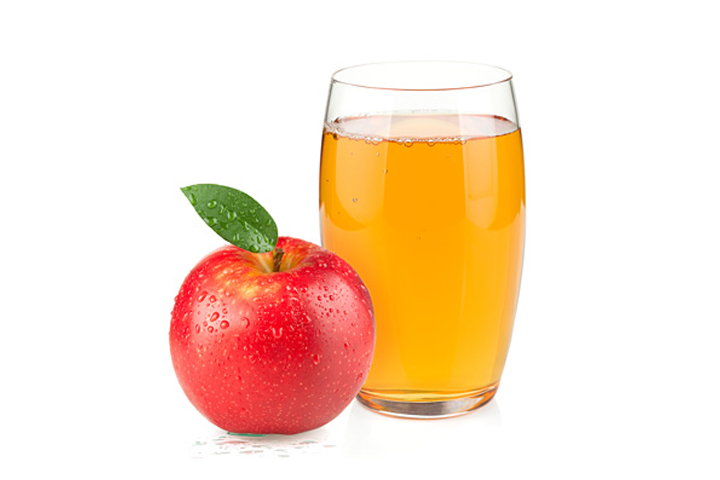
Apple juice concentrate is often chosen not because it is exciting, but because it is reliable. Its neutral profile allows it to support blends without dominating them. Many manufacturers quietly use it as a structural backbone for multi-fruit beverages, flavored waters, and even reduced-sugar formulations.
Grape juice concentrate plays a different role. With its natural sweetness and mouthfeel contribution, it is frequently used in energy drinks, functional beverages, and products where sweetness needs to feel rounded rather than sharp. Turkish grape concentrates tend to perform well in this role due to their stable glucose-fructose balance.
Pomegranate juice concentrate deserves special attention. It is one of Turkey’s strongest export categories and one of the most technically challenging fruits to work with. High polyphenol content brings both marketing appeal and formulation complexity. Turkish processors have developed clarification and filtration techniques that reduce bitterness without stripping functional compounds—something beverage manufacturers quickly appreciate during scale-up.
Citrus concentrates from Turkey, particularly orange and lemon, are widely used in carbonated beverages and syrups. Their value lies not in novelty, but in predictable acid behavior during carbonation and heat processing.
Where Beverage Manufacturers Often Make Costly Sourcing Mistakes
In sourcing discussions, price per ton often dominates early conversations. Yet inside factories, that initial saving can disappear within weeks.
One common issue manufacturers face is over-adjustment during formulation. When Brix or acidity varies slightly between shipments, production teams compensate manually. Over time, this leads to inconsistent taste profiles and increased raw material consumption. The concentrate may be cheaper, but the beverage is no longer optimized.
Another frequent oversight is ignoring crop-year effects. Fruit is agricultural, not synthetic. Suppliers who do not actively manage blending across seasons pass variability downstream. At MT Royal, we have seen factories stabilize entire product lines simply by switching to suppliers who proactively manage this variability rather than reacting to it.
Documentation gaps create a different kind of risk. Delayed COAs, incomplete microbiological data, or unclear origin statements can halt production—not because the ingredient is unsafe, but because compliance cannot be demonstrated in time.
Why Turkish Concentrates Work Well in High-Volume Production
For beverage manufacturers scaling production, consistency becomes more valuable than perfection. A concentrate that performs “very well” once but inconsistently thereafter creates operational stress.
Turkish fruit juice concentrates are well-suited for long production runs. Their processing methods emphasize uniformity, which reduces formulation drift over time. This is particularly important for brands supplying multiple markets where taste consistency is non-negotiable.
There is also a logistical advantage. Higher natural Brix levels mean less concentrate is needed per liter of finished beverage. Over a year of production, this translates into measurable savings in storage, handling, and freight—costs that rarely appear in ingredient price comparisons but strongly affect profitability.
Turkish Fruit Juice Concentrates Compared to Other Origins
When manufacturers compare origins, the discussion often begins with cost and ends with performance.
Chinese concentrates can be attractive from a pricing perspective, but factories frequently report wider batch variability and longer lead times. South American concentrates offer strength in specific fruits, particularly citrus, but shipping times and seasonal volatility add planning complexity.
Turkey occupies a middle ground that many manufacturers find practical. Transit times are shorter to Europe, the Middle East, and parts of Asia. Pricing is competitive without pushing processors into aggressive cost-cutting that compromises quality. Most importantly, communication and documentation standards align well with international beverage operations.
What Quality Parameters Actually Matter on the Production Line
While laboratory specifications are essential, not all parameters carry equal weight in real-world production.
Brix consistency affects dosing accuracy and sweetness perception. pH and titratable acidity influence not only taste, but microbial stability and carbonation behavior. Color stability matters more than marketing teams sometimes realize, especially in clear or lightly colored beverages where even small shifts are visible to consumers.
Factories that focus only on passing specifications often miss how these parameters interact during heat treatment, storage, and distribution. This is why experienced beverage manufacturers increasingly evaluate concentrates through pilot runs rather than paperwork alone.
Questions We Regularly Hear from Beverage Manufacturers
Managers often ask whether Turkish fruit juice concentrates can support low-sugar or reduced-calorie beverages. In practice, many manufacturers already use them as part of hybrid sweetening systems that rely less on refined sugars.
Another common question concerns shelf life. When properly packed and stored, Turkish concentrates typically maintain stability for 18 to 24 months, making them suitable for long-term production planning.
Organic availability also comes up frequently. For key fruits such as apple, grape, and pomegranate, certified organic Turkish concentrates are available, though volumes should be planned in advance.
The Importance of Supplier Partnership in Beverage Manufacturing
Raw material sourcing is not a transactional activity—it is an operational relationship. Factories that treat concentrate suppliers as interchangeable often find themselves constantly adjusting formulations and firefighting quality issues.
At MT Royal, we position ourselves as a technical and sourcing partner rather than a simple distributor. We have seen how manufacturers benefit when supply decisions are aligned with production realities, not just procurement targets. Working with multiple approved Turkish producers allows us to balance price, availability, and performance without forcing factories into compromise.
We have also learned that transparency builds trust. When suppliers communicate openly about crop conditions, lead times, and potential variability, factories can plan proactively instead of reacting under pressure.
A Strategic Perspective for Beverage Manufacturers
Turkish fruit juice concentrates are not a shortcut or a trend. They are a practical solution shaped by agricultural scale, industrial discipline, and export experience. For beverage manufacturers focused on consistency, scalability, and long-term cost control, they offer a balance that few origins manage to deliver.
The factories that succeed are not those chasing the lowest price, but those building sourcing strategies that support production stability and brand integrity. When raw materials work with your process—not against it—everything downstream becomes easier.


No comment