


In the competitive landscape of confectionery and snack production, the choice of sweeteners and functional sugars can define the sensory quality, shelf life, production efficiency, and cost‑effectiveness of your products. Among these, bulk dextrose supply for Palestine’s sweets and snacks industry plays a strategic role that goes far beyond simple sweetness. Whether you are producing gummies, hard candies, snack bars, cakes, or coated nuts, dextrose’s unique properties — from rapid fermentability to precise crystalline structure — make it a staple in industrial formulations.
As a supply chain partner to food manufacturers across the Middle East and beyond, MT Royal understands the technical and operational considerations that go into choosing, sourcing, and integrating a major food ingredient like dextrose. We’ve worked with factories at every scale, and we’ve seen how informed decisions about ingredient procurement dramatically affect production continuity, quality control, and profitability. This article will serve as your go‑to resource on bulk dextrose supply — covering definitions, industrial uses, sourcing strategies, common mistakes, scale‑up insights, and practical answers to the most pressing questions procurement and R&D professionals face.
latamarko alkalized cocoa powder lm60
cocoa powder for chocolate production-Best price
Food industry raw materials – list of products
What Is Dextrose and Why It Matters for Sweets and Snacks
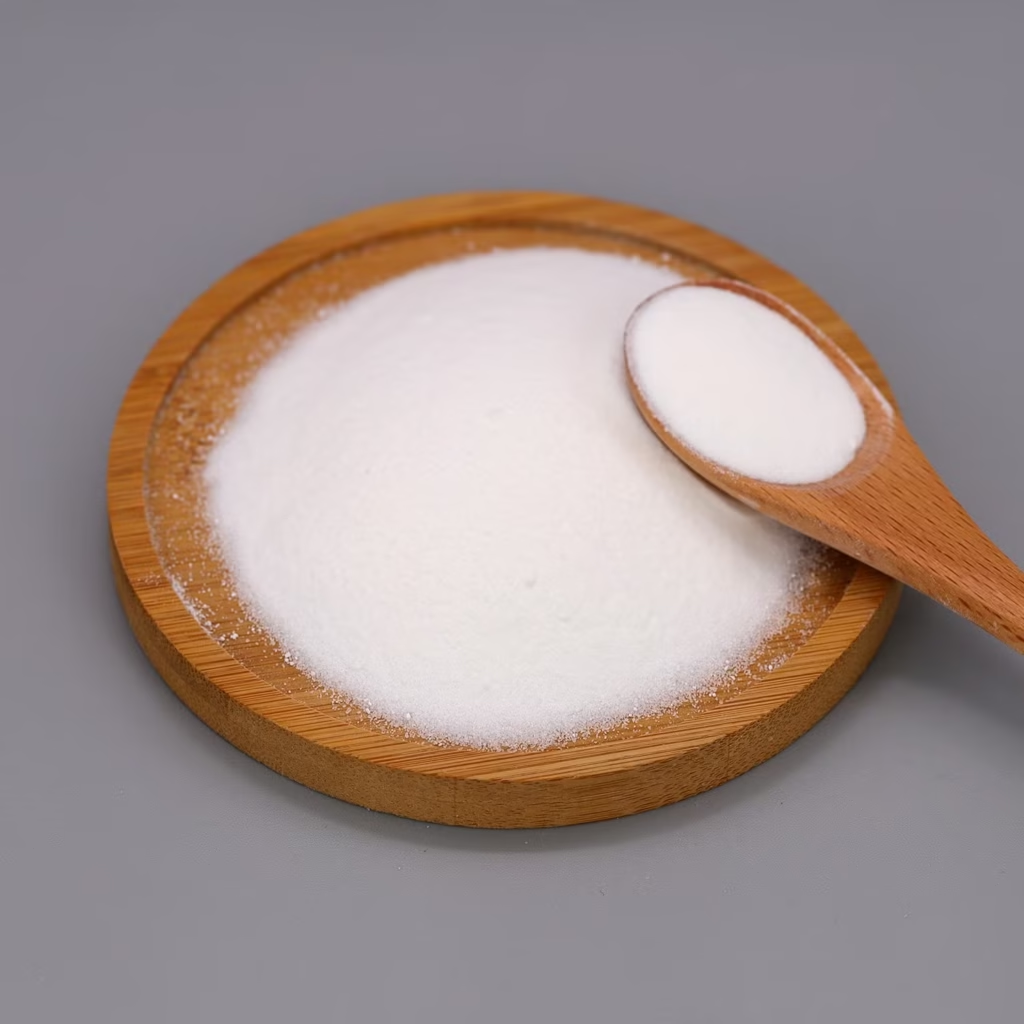
Dextrose — often referred to as glucose or corn sugar — is a simple carbohydrate derived from the hydrolysis of starch, typically corn starch. In industrial food production, dextrose serves several important functions:
• Sweetening with a clean, mild profile
• Browning and Maillard reactions in baked goods
• Fermentation feedstock for yeast‑based products
• Humectancy and texture modification
• **Crystallization control in candies and confections
Unlike sucrose, which is a disaccharide composed of glucose and fructose, dextrose is a monosaccharide — meaning it is rapidly fermentable and quickly absorbed. Its functional attributes make it ideal in high‑output environments where consistency and predictability are essential.
In the context of Palestine’s sweets and snacks industry, dextrose isn’t a niche additive — it’s a cornerstone raw material that influences both product quality and production economics.
Fundamental Properties of Dextrose in Food Production
To appreciate why bulk dextrose supply is so critical, you must understand a few technical properties that distinguish it from other sweeteners:
Crystallization Behavior
Dextrose has a unique tendency to crystallize under specific conditions. In confectionery like fondants, fudges, and certain hard candies, controlled crystallization helps create desirable textures. Uncontrolled crystallization, however, can lead to graininess. Understanding and managing this behavior is essential for consistent quality.
Hygroscopicity and Moisture Control
Dextrose is moderately hygroscopic; it attracts moisture from the environment. This property can be beneficial in baked goods (improves mouthfeel) but requires careful storage in dry, climate‑controlled warehouses to prevent caking or clumping. This is a crucial consideration in climates like Palestine’s, where humidity can fluctuate seasonally.
Sweetness Potency Relative to Sucrose
On a sweetness scale, dextrose is less sweet than sucrose. This means formulations using dextrose often adjust total sugar percentages to reach the desired sweetness — a balance that experienced formulation teams know to tune for flavor and functional performance.
Fermentability
In yeast‑based products (e.g., certain biscuits or leavened snacks), dextrose serves as an easily fermentable carbohydrate that supports consistent dough rise and volume development.
Industrial sweetener technicians and formulation scientists acknowledge these properties not as abstract concepts but as practical levers that affect texture, shelf stability, and sensory experience on a commercial scale.
Why Bulk Dextrose Supply Is Strategic for Palestine’s Sweets and Snacks Industry
For food producers in Palestine, reliable access to bulk dextrose supply touches multiple strategic dimensions:
Cost Efficiency at Scale
Buying in bulk reduces per‑unit cost, which is essential in large‑volume baking and confectionery. When you negotiate directly with reputable suppliers like MT Royal, you secure competitive pricing structures that support tighter margins without sacrificing quality.
Consistent Production Continuity
We have seen in collaboration with several manufacturers that inconsistent ingredient supply leads to production stoppages, emergency sourcing at premium prices, and ultimately stockouts. Securing a dependable bulk supply minimizes these risks.
Regulatory and Quality Assurance
Industrial dextrose intended for food production must meet specific food safety standards — including limits on impurities, moisture content, and microbial safety. Trusted suppliers provide detailed Certificates of Analysis (COAs) and traceability documentation that factories can integrate into their quality systems.
Formulation Flexibility
Whether your product line focuses on traditional sweets, modern snack bars, or specialized functional treats, having a consistent bulk source of dextrose allows your R&D teams to innovate without being constrained by irregular supply or variable ingredient performance.
Key Industrial Applications of Dextrose in Sweets and Snacks
1. Hard and Soft Confectionery
In candy production, dextrose influences:
• Texture (chalky versus glassy structures)
• Dissolution rate
• Mouthfeel
For hard candies, dextrose’s crystalline characteristics help control clarity and preventing unwanted sugar bloom. For soft candies, it interacts with other sweeteners and humectants to achieve chewiness.
2. Baked Goods and Pastries
In cookies, cakes, and sweet breads, dextrose contributes to:
• Maillard browning (surface color and flavor)
• Moisture retention
• Dough conditioning
The rapid fermentability of dextrose can be advantageous for achieving rise and loaf volume in yeast‑based products.
3. Snack Bars and Energy Treats
Many snack bars integrate dextrose as part of a carbohydrate matrix that delivers quick energy and binds ingredients effectively. Its moderate sweetness and functional properties make it compatible with nuts, oats, dried fruits, and syrups.
4. Coatings and Glazes
Dextrose’s solubility and sweetness profile make it suitable for sugar coatings, glazes, and decorative applications where crystal size and dissolution rate influence final texture.
Each application domain calls for precise specification management — particle size, moisture level, and crystalline form all matter when dextrose moves from silo to production line.
Bulk Supply Logistics: What Manufacturers Must Know
Securing bulk dextrose is not just about buying a commodity; it’s about effective logistics and supply chain coordination:
Minimum Order Quantities and Contract Terms
Industrial sweetener suppliers often set minimum order quantities (MOQs) to optimize freight logistics, storage planning, and cost structures. Negotiating long‑term contracts can lock in pricing and delivery schedules that align with production forecasts.
Storage and Handling Requirements
Bulk dextrose must be stored in conditions that preserve quality:
• Dry, climate‑controlled warehouses to minimize moisture uptake
• Palletized storage with access control to prevent contamination
• FIFO (First‑In, First‑Out) protocols to manage turnover
Poor storage can lead to clumps, degradation, or microbial concerns — issues that no quality assurance team wants to face.
Packaging Considerations
Bulk dextrose is typically packaged in:
• Multi‑wall paper sacks with inner liners
• Flexible intermediate bulk containers (FIBCs) or “big bags”
• Specialty moisture‑resistant packaging where required
Selection depends on order size, transportation mode, and storage conditions at your facility.
Customs and Import Coordination
For producers in Palestine, aligning with reliable import documentation and compliance protocols ensures smooth clearance at borders. A trusted supplier like MT Royal supports this process by providing complete documentation — COAs, certificates of origin, and food safety compliance documents — to reduce friction at customs.
Common Mistakes in Industrial Sourcing and How to Avoid Them
Even seasoned procurement teams occasionally make avoidable errors. Here’s what to watch out for:
Mistake 1: Prioritizing Price Over Performance
While a lower price per ton may appear attractive, it often masks inconsistent quality or poor functional performance. Dextrose that doesn’t meet specification can affect sweetness, texture, or shelf stability.
Mistake 2: Neglecting Quality Documentation
Skipping detailed QA documentation or failing to verify Certificates of Analysis can lead to batches that don’t meet internal quality standards or regulatory audits. Always require batch‑specific documentation.
Mistake 3: Inadequate Storage Planning
Overlooking climate requirements for bulk storage is a classic industrial oversight. Moisture uptake can cause caking, which impairs dosing accuracy and can interrupt automated production lines.
Mistake 4: Reactive Instead of Strategic Contracting
Waiting until production slackens before sourcing more dextrose often forces emergency buys at higher costs and with compromised delivery timelines. Strategic volume forecasting and early contracting with suppliers like MT Royal prevent this.
Avoiding these errors keeps your production on schedule and within budget.
Comparative Framework: Dextrose vs. Other Sweeteners
To help production and R&D teams make prioritized decisions, here’s a clear comparison:
| Feature | Dextrose | Sucrose | Fructose | Glucose Syrup |
|---|---|---|---|---|
| Sweetness Level | Mild | Standard | Very High | Moderate |
| Crystallization Control | High | Moderate | Low | Low |
| Fermentability | Rapid | Moderate | Variable | Variable |
| Browning Contribution | Strong | Moderate | Weak | Moderate |
| Moisture Control (Hygroscopic) | Moderate | Low | High | High |
| Functional Use in Snacks | Excellent | Good | Variable | Good |
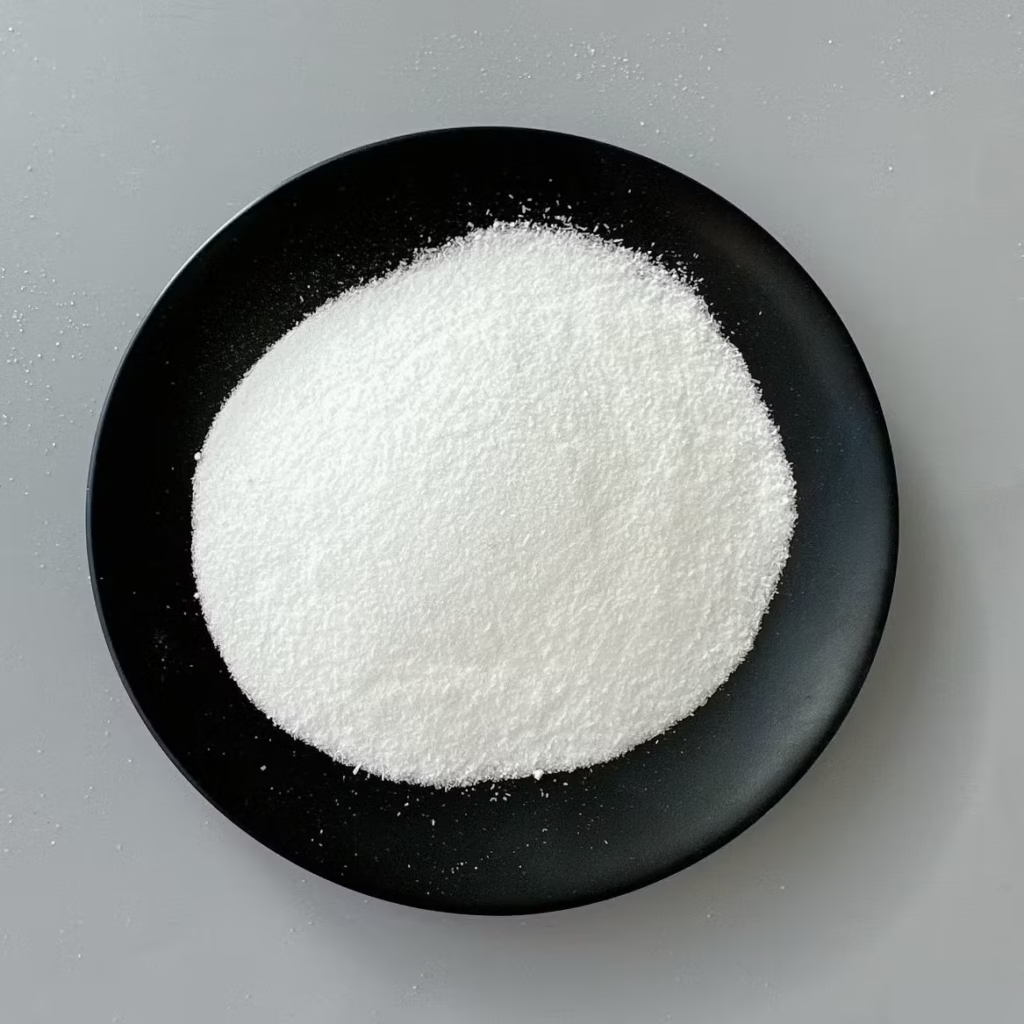
This comparative lens helps your formulation team decide when dextrose is the right choice and when blending sweeteners might achieve the desired sensory and processing outcomes.
Industrial‑Scale Production Considerations
When your factory operates at scale — producing hundreds of tons annually — supply strategy and ingredient performance become mission‑critical:
1. Integration With Automated Systems
High‑volume snack plants often integrate dosing systems directly from bulk silos. Dextrose that flows predictably and resists bridging or arching is essential for uninterrupted automation.
2. Quality Assurance and Traceability
Large‑scale producers implement QA systems that track ingredient lots from receipt through production and into finished goods. Traceability helps in internal audits, regulatory compliance, and customer queries.
3. Seasonal Demand Coordination
Sweets and snacks often experience seasonal peaks (e.g., holidays, school months). Coordinating bulk dextrose supply with seasonal demand cycles requires careful forecasting and contracts that allow flexibility without forcing excess inventory.
4. Cross‑Functional Collaboration
Procurement, QA, R&D, and operations teams must collaborate to align specifications, inventory plans, and production schedules. Misalignment can cause line stoppages or costly reformulations.
We at MT Royal frequently assist manufacturing teams with cross‑functional planning sessions that align supply contracts with production needs and quality expectations.
Practical Sourcing Tips for Palestine’s Manufacturers
Here are actionable tips to refine your dextrose supply strategy:
• Benchmark Multiple Suppliers: Don’t rely on a single source; supplier diversity strengthens supply chain resilience.
• Audit Supplier Facilities: Quality assurance goes beyond documentation — periodic audits help verify practices.
• Negotiate Volume Discounts: Long‑term commitments often unlock pricing advantages.
• Integrate Freight Planning Early: Bulk volumes benefit from coordinated logistics planning.
• Collaborate on Specifications: Work with your supplier to define exact particle size, moisture limits, and crystalline forms that align with your processes.
Frequently Asked Questions by Factory Procurement Managers
Q: How much dextrose should be used in sweet formulations?
A: The ideal percentage depends heavily on product type. Hard candy formulations may use dextrose as a primary sweetener up to 100%, while baked goods might blend it with sucrose for balanced sweetness and browning.
Q: Is industrial dextrose safe for all consumer segments?
A: Yes. Food‑grade dextrose meets international safety standards when used within regulatory guidelines. Ensure your supplier provides food safety documentation.
Q: What’s the difference between food‑grade and pharmaceutical dextrose?
A: Pharmaceutical grade is held to stricter purity standards for medical uses. Food‑grade dextrose is appropriate and cost‑effective for sweets and snacks production.
Q: Can dextrose affect shelf life?
A: Yes — its hygroscopic nature influences moisture migration. Proper formulation and packaging help manage shelf stability.
Conclusion
For Palestine’s sweets and snacks industry, mastering the art and science of bulk dextrose supply is both a technical necessity and a strategic differentiator. Dextrose’s functional versatility — from controlled sweetness and crystallization behavior to predictable browning and texture modulation — makes it far more than a simple sweetener. It’s a functional building block in industrial formulations that stands at the intersection of quality, cost, and innovation.
When you partner with a reliable supplier like MT Royal, you gain more than consistent ingredient delivery — you benefit from experience in quality management, logistical coordination, and industry insights that help you prioritize productivity and product excellence. We have seen factories streamline operations, improve sensory profiles, and secure sustainable supply strategies by aligning dextrose sourcing with data‑driven planning and quality standards.
Every decision you make about bulk ingredients impacts multiple layers of your production ecosystem — from sensory experience and regulatory compliance to line uptime and cost efficiency. By treating your dextrose supply strategy as a core component of growth planning, you position your factory to meet demand reliably, innovate confidently, and deliver sweets and snacks that delight consumers and elevate your brand.




No comment