

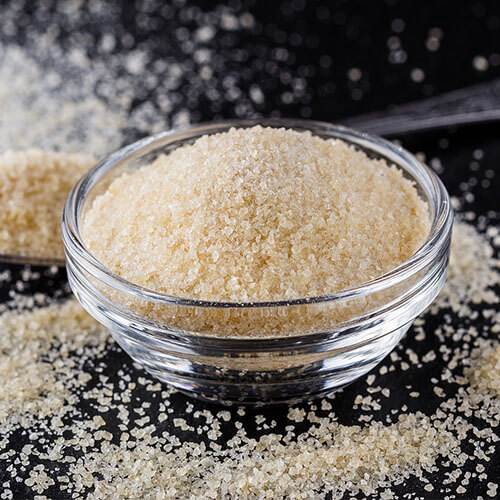
In Palestine’s food and pharmaceutical industries, gelatin is not just another functional ingredient. It sits at the intersection of religious compliance, consumer trust, regulatory scrutiny, and industrial performance. For manufacturers operating in a predominantly Muslim market, the question is no longer whether gelatin performs well technically, but whether it is unequivocally halal—and provably so. This is why the halal certification importance for gelatin in Palestine has become a decisive factor in sourcing, formulation, and long-term brand credibility.
Manufacturers who collaborate with MT Royal often reach this realization early. When gelatin enters your factory—whether for confectionery, dairy, capsules, or medical nutrition—it carries more than bloom strength and viscosity. It carries responsibility. This article is written for factory owners, production managers, quality assurance teams, and procurement professionals who need clarity, depth, and real-world insight into why halal-certified gelatin is non-negotiable in Palestine, and how to source it intelligently.
latamarko alkalized cocoa powder lm60
cocoa powder for chocolate production-Best price
Food industry raw materials – list of products
Understanding Gelatin: More Than a Functional Ingredient
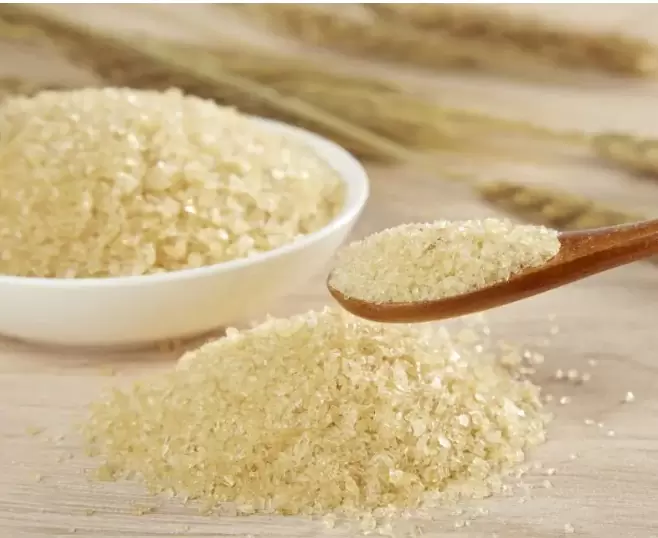
From a technical standpoint, gelatin is a protein derived from collagen, typically sourced from bovine or porcine raw materials. It is widely used for its gelling, stabilizing, emulsifying, and texturizing properties.
Industrially, gelatin plays a critical role in:
- Gummies and confectionery
- Yogurt and dairy desserts
- Meat products
- Pharmaceutical capsules
- Nutraceuticals and supplements
However, unlike many additives, gelatin’s origin and processing method directly determine its religious acceptability. In Muslim-majority markets such as Palestine, this distinction defines whether a product can exist on the shelf at all.
What Halal Certification Really Means for Gelatin
Halal certification is often misunderstood as a simple label. In reality, it is a comprehensive verification system that covers the entire production chain.
For gelatin to be considered halal, it must meet several non-negotiable conditions:
- The source animal must be halal (typically bovine or fish)
- The animal must be slaughtered according to Islamic law
- Processing equipment must not be contaminated with non-halal materials
- Transportation and storage must maintain segregation
In Palestine, where consumers are increasingly informed, halal certification without credible documentation is not enough. Authorities, retailers, and end consumers expect traceability and transparency.
Why Halal Certification Is Especially Critical in Palestine
Religious and Cultural Context
Palestine is a market where religious values are deeply embedded in daily life. Consumers do not treat halal as a preference; they treat it as a baseline requirement. Any ambiguity around gelatin sourcing can lead to immediate rejection of a product.
Regulatory Expectations
Local authorities and certification bodies in Palestine increasingly align with international halal standards. Products containing gelatin are subject to closer scrutiny, especially imported goods.
Market Sensitivity and Brand Trust
One gelatin-related scandal can permanently damage a brand. In tightly knit communities, reputational damage spreads faster than any marketing campaign can repair.
The Industrial Reality: Gelatin Without Halal Certification Is a Liability
From an operational perspective, using non-certified or poorly documented gelatin introduces multiple risks:
- Product recalls
- Distribution bans
- Loss of retailer confidence
- Export limitations
- Consumer backlash
We have seen factories invest heavily in production efficiency, only to face market resistance because gelatin compliance was treated as an afterthought. In Palestine, this is a costly mistake.
Halal vs Non-Halal Gelatin: A Practical Comparison
| Aspect | Halal-Certified Gelatin | Non-Certified Gelatin |
|---|---|---|
| Market Acceptance | High | Restricted |
| Regulatory Risk | Low | High |
| Consumer Trust | Strong | Fragile |
| Export Potential | Broad | Limited |
| Brand Positioning | Ethical & compliant | Questionable |
This comparison highlights why the halal certification importance for gelatin in Palestine extends far beyond religious observance—it is a commercial necessity.
Common Mistakes Manufacturers Make When Sourcing Gelatin
Mistake 1: Assuming “Bovine” Automatically Means Halal
Bovine origin alone is not enough. Slaughter method and processing conditions matter just as much. Many gelatin suppliers provide bovine gelatin without halal certification, which is insufficient for Palestinian markets.
Mistake 2: Relying on Expired or Weak Certificates
Halal certificates must be current, issued by recognized authorities, and linked directly to the production site. Generic or outdated documents are red flags.
Mistake 3: Ignoring Cross-Contamination Risks
Even halal gelatin can lose its status if processed on shared lines without proper segregation. This detail is often overlooked until audits begin.
Industrial Applications Where Halal Gelatin Is Non-Negotiable
Confectionery Manufacturing
Gummies, marshmallows, and jellies are among the most sensitive products. Consumers are acutely aware that gelatin is involved, making halal certification essential.
Pharmaceutical Capsules
In medicine and supplements, halal-certified gelatin is increasingly required, especially for products intended for broad public distribution in Palestine.
Dairy and Desserts
Gelatin used as a stabilizer in yogurts and desserts must meet halal standards to avoid regulatory and consumer challenges.
Why Sourcing Halal Gelatin Is More Complex Than It Appears
Halal gelatin supply chains are narrower than conventional ones. Producers must manage:
- Certified slaughterhouses
- Dedicated processing facilities
- Continuous audits
- Export documentation
This complexity is why many manufacturers prefer to work with experienced sourcing partners rather than navigating the market alone.
The Role of MT Royal in Halal Gelatin Supply
MT Royal operates as a trusted sourcing partner, connecting Palestinian manufacturers with reputable gelatin producers that meet strict halal requirements. We work with multiple international brands to ensure supply continuity, competitive pricing, and full documentation.
We have seen that factories partnering with experienced suppliers reduce compliance risks and shorten approval timelines. Our role is not to push a single origin, but to align technical needs with religious and regulatory realities.
Halal Certification Bodies and Their Relevance to Palestine
Not all halal certificates carry equal weight. Palestinian authorities and importers often recognize certifications issued by:
- Well-established international halal bodies
- Organizations with transparent audit processes
- Certifiers experienced in gelatin production
Choosing gelatin with widely accepted certification simplifies both local distribution and export planning.
Frequently Asked Questions from Factory Managers and QA Teams
Is fish gelatin a safer halal option?
Fish gelatin is generally halal, but availability, cost, and functional differences must be considered.
Can halal gelatin be used for export outside Palestine?
Yes. Halal-certified gelatin often meets broader ethical and regulatory standards, increasing export flexibility.
Does halal gelatin cost more?
Sometimes marginally, but the cost is negligible compared to the risk of market rejection or recalls.
Market Trends Influencing Halal Gelatin Demand
- Rising consumer awareness of ingredient sourcing
- Expansion of halal-certified pharmaceuticals
- Increased scrutiny of imported food ingredients
- Growth of ethical and faith-based branding
These trends reinforce the long-term relevance of halal-certified gelatin in Palestine.
Industrial Strategy: Treat Halal as a System, Not a Label
Halal compliance should be integrated into:
- Supplier qualification
- Quality assurance protocols
- Documentation management
- Product development
When halal certification is treated as part of the production system, rather than a last-minute requirement, factories operate more smoothly and confidently.
A Decision That Defines Market Legitimacy
The halal certification importance for gelatin in Palestine cannot be overstated. Gelatin may represent a small percentage of a formulation, but it carries disproportionate weight in determining whether a product is accepted, trusted, and legally marketable.
Manufacturers who understand this do not ask whether halal gelatin is necessary. They ask how to secure it reliably, transparently, and sustainably. Those who make the right sourcing decisions early protect not only their products, but their reputation and future in one of the most values-driven markets in the region.


No comment