

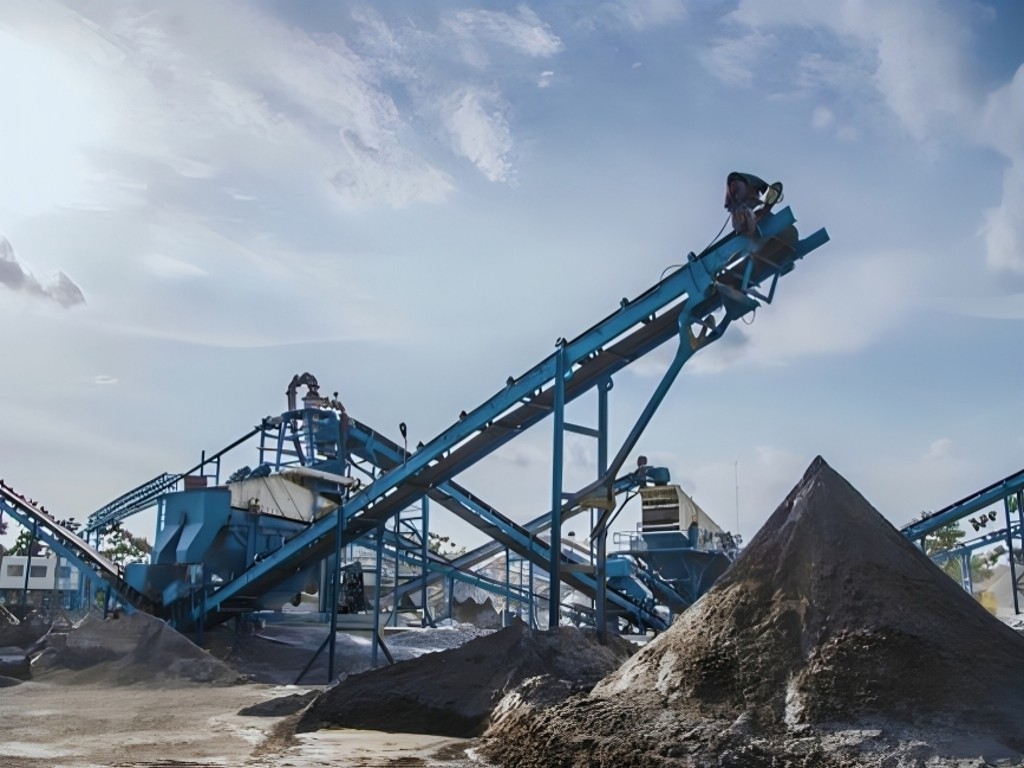
In Canada’s aggregate industry, margins are shaped long before the first truck leaves the yard. They are defined when production managers and procurement teams decide how their crushing plants for aggregate production in Canada are designed, sourced, and supported. This is why experienced producers increasingly turn to MT Royal—not for flashy promises, but for access to proven crushing solutions from multiple trusted brands, combined with a clear understanding of industrial realities.
If your operation supplies aggregates for infrastructure, concrete, asphalt, or large-scale construction, you already know that consistency, uptime, and scalability matter more than theoretical capacity. This article is written for factories and quarry operators who want a deeper, more practical understanding of crushing plants in the Canadian context—one that goes beyond catalog descriptions and speaks directly to production challenges on the ground.
Understanding Crushing Plants for Aggregate Production in Canada
At its core, an aggregate crushing plant is a coordinated system of machines designed to reduce raw rock into graded materials suitable for construction and industrial use. In Canada, these systems must operate under unique conditions: wide temperature variations, strict environmental regulations, and demanding customer specifications.
What Defines a Modern Aggregate Crushing Plant?
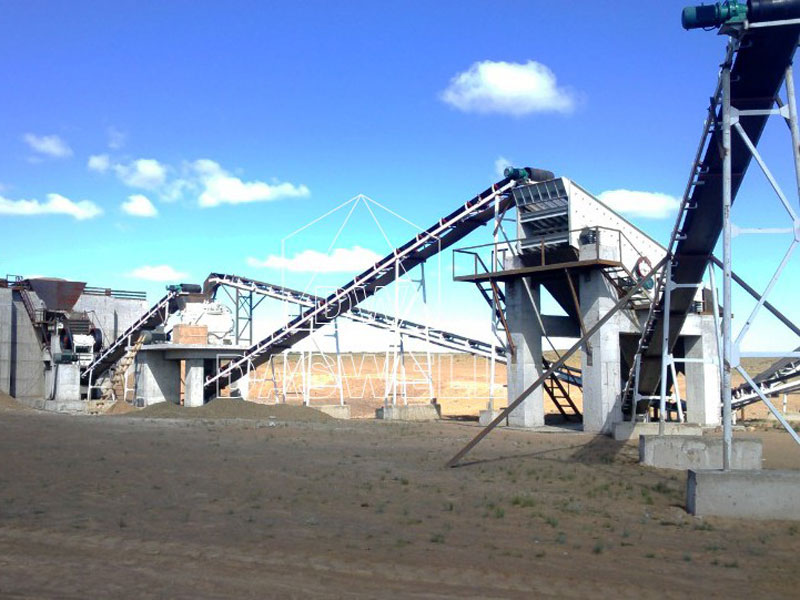
A complete crushing plant typically includes:
- Primary crushers (jaw or gyratory)
- Secondary and tertiary crushers (cone or impact)
- Vibrating screens for classification
- Conveyors, feeders, and control systems
What differentiates high-performing crushing plants for aggregate production in Canada is not just the equipment list, but how these components are engineered to work together under continuous load.
Why Aggregate Production Is Strategically Important in Canada
Canada’s infrastructure spending, urban expansion, and resource-driven economy create constant demand for aggregates. Roads, bridges, housing developments, and energy projects all rely on stable aggregate supply. For producers, this means long production cycles, tight delivery schedules, and little tolerance for downtime.
The Canadian Context: Climate, Regulation, and Logistics
Aggregate producers in Canada operate within constraints that significantly influence plant design and equipment selection.
Climate and Operating Conditions
Extreme cold, seasonal temperature swings, and abrasive materials place extra stress on machinery. Crushing plants must be robust enough to maintain performance during winter operations without excessive maintenance.
Environmental and Regulatory Considerations
Canadian regulations emphasize dust control, noise reduction, and environmental protection. Modern crushing plants integrate suppression systems, enclosed conveyors, and efficient screening to meet these standards without sacrificing output.
Logistics and Distance
Canada’s vast geography means aggregates often travel long distances. This reality increases pressure on producers to maintain consistent gradation and quality, as reprocessing or returns are costly.
Core Components of Aggregate Crushing Plants
Understanding individual components helps clarify where quality differences matter most.
Primary Crushing Stage
The primary crusher handles the largest feed sizes and sets the tone for downstream efficiency. Jaw crushers are commonly used due to their reliability and ability to handle variable feed.
A poorly selected primary crusher can bottleneck the entire plant, regardless of how advanced the secondary stages are.
Secondary and Tertiary Crushing
Cone crushers and impact crushers refine material to meet specific gradation requirements. In aggregate production, cone crushers are often favored for their ability to produce consistent shape and size with lower wear costs.
Screening and Classification
Screens determine the final product mix. Accurate screening reduces waste, re-circulation, and energy consumption. In high-volume plants, screening efficiency can be the difference between meeting contracts and missing deadlines.
Common Mistakes in Sourcing Crushing Plants
Even experienced producers can make costly errors when expanding or upgrading their plants.
Mistake 1: Designing for Peak Capacity Only
Plants designed solely around maximum throughput often operate inefficiently at normal loads. A balanced design that performs well across operating ranges delivers better long-term results.
Mistake 2: Underestimating Integration Complexity
Crushing plants are systems, not collections of machines. Compatibility between crushers, screens, and conveyors is critical. Mismatched components lead to vibration, spillage, and uneven wear.
Mistake 3: Choosing Suppliers Instead of Partners
Suppliers who simply deliver equipment may disappear when operational challenges arise. Strategic partners remain involved throughout the equipment lifecycle.
Fixed vs. Mobile Crushing Plants in Canada
Choosing between fixed and mobile configurations is a fundamental decision in aggregate production.
Fixed Crushing Plants
Fixed plants offer higher capacity, lower operating cost per ton, and better integration with long-term quarry operations. They are ideal for producers with stable reserves and predictable demand.
Mobile and Portable Crushing Plants
Mobile plants provide flexibility, faster setup, and lower initial infrastructure investment. They are often used for remote sites, short-term projects, or satellite operations.
In Canada, many producers use a hybrid approach—combining fixed primary installations with mobile secondary units to adapt to changing production needs.
Industrial-Scale Considerations for High-Volume Producers
As production scales, small inefficiencies multiply.
Throughput Stability
Consistent feed and crusher performance stabilize downstream processes. Well-designed crushing plants maintain steady material flow even when feed characteristics vary.
Energy Consumption
Energy efficiency is increasingly important as electricity and fuel costs rise. Optimized crushing circuits reduce power consumption per ton without sacrificing output.
Wear Part Strategy
High-volume plants benefit from standardized wear parts and predictable replacement schedules. This reduces inventory complexity and unexpected downtime.
We have seen that producers who plan wear part logistics alongside plant design experience smoother operations year-round.
Technology Trends in Aggregate Crushing Plants
Canadian producers are increasingly adopting advanced technologies to remain competitive.
Automation and Control Systems
Modern control systems monitor load, vibration, and temperature in real time. This enables predictive maintenance and performance optimization.
Data-Driven Production
Data analytics help producers identify bottlenecks, optimize crusher settings, and reduce waste. Over time, these insights translate into measurable cost savings.
Sustainability-Focused Design
Lower emissions, reduced noise, and efficient material handling are no longer optional. Crushing plants designed with sustainability in mind align better with regulatory and community expectations.
Frequently Asked Questions from Aggregate Producers
How long does a crushing plant typically last?
With proper maintenance, core structures can operate for decades. Most upgrades focus on crushers, screens, and control systems rather than complete replacement.
Can existing plants be upgraded?
Yes. Many producers modernize older plants by replacing key components or adding automation, extending plant life without full reconstruction.
How important is supplier support after installation?
Critical. Aggregate production is continuous, and support responsiveness directly affects uptime.
The Role of MT Royal in Aggregate Crushing Solutions
Sourcing crushing plants for aggregate production in Canada is not just about equipment availability. It is about understanding how different brands, configurations, and technologies perform in real operations.
MT Royal works with multiple established manufacturers, allowing producers to compare options objectively. Rather than pushing a single solution, the focus is on alignment with production goals, material characteristics, and long-term operating strategy.
We have seen that when producers approach plant sourcing with this mindset, they reduce costly revisions and achieve faster stabilization after commissioning.
Strategic Insight: Crushing Plants as Long-Term Assets
A crushing plant shapes production culture. Reliable plants encourage proactive maintenance and optimization. Unreliable ones create reactive environments where teams constantly manage breakdowns.
The difference is not always visible on paper. It becomes clear over years of operation, in maintenance logs, energy bills, and delivery consistency.
Producers who treat crushing plants as long-term assets—rather than short-term expenditures—position themselves for stable growth in a competitive market.
Looking Ahead: The Future of Aggregate Production in Canada
Infrastructure renewal, urban development, and sustainability initiatives will continue to drive aggregate demand. At the same time, producers face rising costs and tighter regulations.
Crushing plants that combine efficiency, adaptability, and reliable support will define the next generation of successful aggregate operations.
Choosing the right configuration, the right technology, and the right sourcing partner is not a single decision—it is a strategic direction.
A Thought Worth Carrying Forward
Every ton of aggregate tells a story about decisions made upstream. About equipment chosen, systems designed, and partners trusted.
When you invest in well-designed crushing plants for aggregate production in Canada, you invest in predictability. In fewer surprises. In operations that run quietly and confidently, even under pressure.
That kind of performance does not come from chance. It comes from informed choices made with a long view of production, people, and purpose.

No comment