

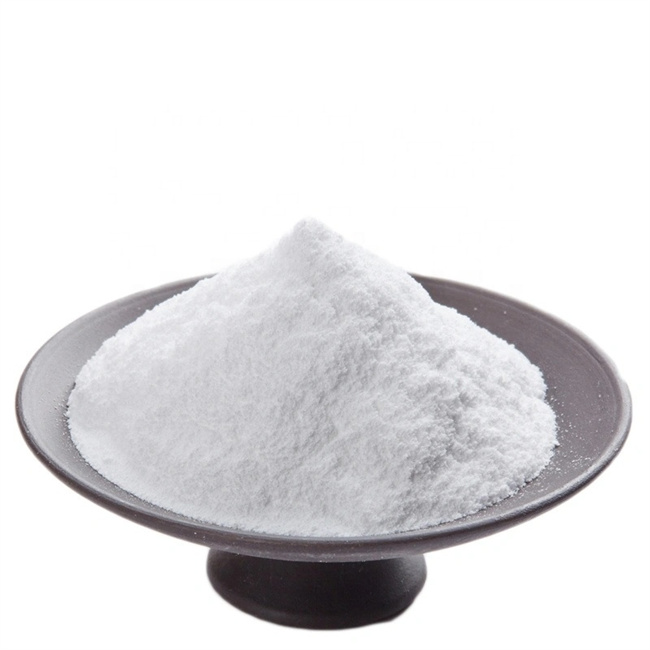
When it comes to the dynamic world of food‑grade raw materials — especially for producers of crackers and biscuits — the quality of your starting materials sets the tone for everything. If you are looking to procure export‑quality ammonium bicarbonate from Türkiye — a substance that ensures lasting crispness, uniform texture, and compliance with international standards — this guide is precisely what your factory or production line needs. Through years of collaboration with both domestic and international manufacturers, we have witnessed firsthand how a correct choice of source transforms final product quality. So if you need a reliable, experienced supplier offering quality and competitive pricing, MT Royal stands out as a partner you can count on.
In the following sections, with an advisory and technical tone, we examine in detail what constitutes export‑quality ammonium bicarbonate from Türkiye: from foundational definitions and quality criteria, to technical usage tips, common pitfalls, export processes, and the factors that guide a smart purchasing decision — ultimately helping you elevate your end-product.
Ammonium bicarbonate (chemical formula NH₄HCO₃) is a classic leavening agent widely used in the production of biscuits, wafers, crackers, and other low‑moisture baked goods. Unlike baking powder or baking soda, ammonium bicarbonate thermally decomposes during baking — typically in the temperature range of 150°C to 230°C — releasing gases such as carbon dioxide, ammonia, and water vapor. The result is a product with a light, porous, crispy, and dry texture — ideal for crackers and biscuits with long shelf-life and stable crunch.
The key advantage of ammonium bicarbonate is that after baking, no chemical residue remains; therefore, the taste and aroma of the final product remain neutral, without the alkaline aftertaste that might result from alternative leaveners. This feature makes ammonium bicarbonate — provided it is food-grade and produced under controlled conditions — uniquely suited for manufacturers who demand consistent, high-quality output.
latamarko alkalized cocoa powder lm60
cocoa powder for chocolate production-Best price
Food industry raw materials – list of products
Types of Gelatin from Turkish Manufacturer
Alkalized Cocoa Powder Bulk Supplier
Why “Export Quality” Matters — and Why Türkiye is a Strategic Source
When we speak of “export quality,” we mean a standard high enough to meet the strict demands of international food and industrial markets. This includes high purity, uniform particle distribution, controlled moisture content, appropriate packaging, and a robust manufacturing process. Türkiye — thanks to its geographic position, developed industrial infrastructure, and export experience — has become a key source for such high-grade raw materials.
Factories and companies aiming to serve markets in Europe, the Middle East, or Central Asia often require materials that:
- meet food-grade standards,
- maintain their quality integrity through international transport,
- and provide batch-to-batch consistency.
This is exactly what export-quality ammonium bicarbonate from Türkiye delivers. Supplying such material reliably involves three critical elements:
- A manufacturer with industrial experience and high production standards,
- Precise quality control before dispatch,
- Export-grade packaging and international-ready logistics.
At MT Royal, we recognize these necessities and have established collaborations with reputable Turkish producers — delivering material with consistent quality and dependable traceability to manufacturers across borders.
Key Quality Criteria for Export‑Grade Ammonium Bicarbonate
To ensure you receive a suitable material for food production — especially for crackers and biscuits — you must scrutinize at least these four major parameters:
Purity (Purity Level)
For food‑industry use, purity should be 99% or higher. Lower-purity material risks off-flavors, reduced baking efficiency, inconsistent gas release, and possible mineral or chemical contaminants.
Moisture Content
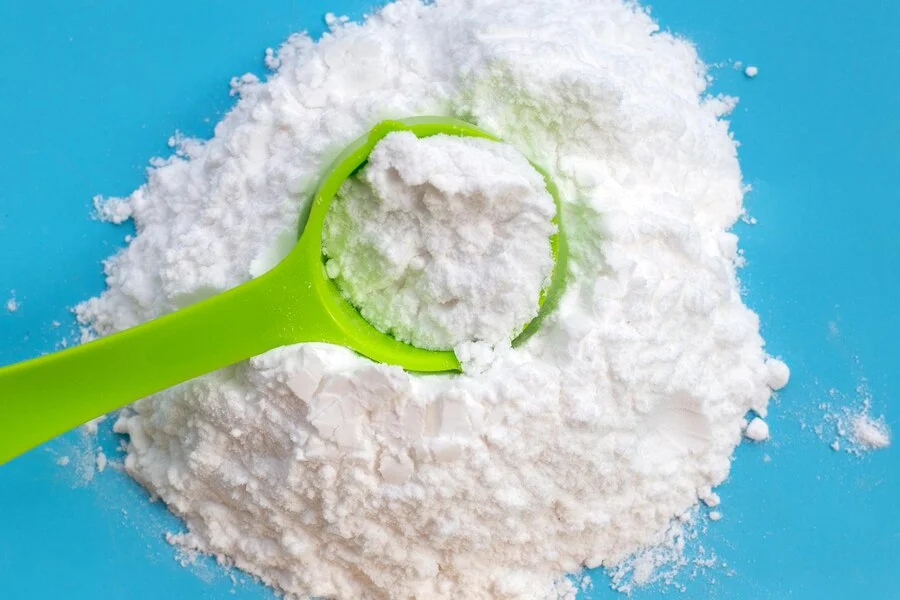
Ammonium bicarbonate is hygroscopic — it readily absorbs moisture from the air. If moisture content is high, the product can cake or lump, degrading its leavening performance. Strict moisture control is essential both before export and upon reception.
Particle Size Distribution
Particle size affects how uniformly the material disperses in the dough. Very fine particles may release gas prematurely; overly coarse particles can lead to uneven texture or visible flaws in the baked product. For large-scale industrial lines, a medium, consistent particle size is preferred.
Packaging and Export‑grade Handling
To ensure safe international transport and preserve quality, packaging must be resistant to moisture and rough handling. Typically, multi-layer bags with an inner polyethylene lining and a sturdy outer shell are used. Equally important is the logistics: storage and shipping under controlled, dry conditions ensures the material arrives in optimal state.
Turkish Manufacturing Lines: How High Quality is Achieved
Over the past decades, Türkiye has significantly developed its chemical‑raw‑materials sector — supplying food‑grade chemicals domestically and internationally. In major Turkish ammonium bicarbonate plants, strict procedures are followed to guarantee export‑grade quality:
- Use of high-purity petrochemical precursors,
- Controlled production under exact temperature and pressure conditions,
- Crystallization and drying under regulated hygiene standards (e.g., HACCP / GMP),
- Precise screening and particle-size classification to ensure uniform distribution,
- Packaging under dry, clean conditions into export‑ready bags.
Such systematic manufacturing ensures that the final product meets the expectations implied by the label “Export Quality Ammonium Bicarbonate from Türkiye.”
Common Mistakes Buyers and Factories Make When Procuring This Raw Material
In the process of procurement — especially when dealing with materials intended for export or high-quality production — there are pitfalls that happen all too often. From our collaborations with various exporting factories, we have observed recurring errors such as:
- Choosing solely on price: Low price may indicate poor quality; in contrast, consistent performance comes with cost.
- Neglecting particle size and moisture verification: Receiving a shipment with high moisture or inappropriate particle distribution will lead to inconsistent dough behavior and final product defects.
- Disregarding labeling standards (Food Grade / Export Grade): Some local providers may supply industrial-grade ammonium bicarbonate unsuitable for edible products.
- Improper storage after receipt: Even high-quality material loses effectiveness if stored in a humid, hot environment.
- Inadequate export packaging and handling: Weak packaging can lead to moisture ingress or breakage during transit, spoiling the batch before it reaches the production floor.
In one case we witnessed, a shipment procured purely on cost grounds lost most of its leavening power after just a few months in storage — resulting in a final biscuit product with poor texture and unacceptable quality. Such instances underscore the importance of sourcing from reputable exporters who follow consistent quality control and packaging standards.
Key Guidelines for Buyers and Importers: How to Make the Right Choice
To ensure that your procurement leads to stable, high-quality production, observe these best practices:
- Request a Certificate of Analysis (CoA) — each shipment should include documentation of purity, moisture content, particle size distribution, and compliance with food‑grade standards.
- Visually inspect packaging and raw material before acceptance — bags should be intact, material free from lumps or discoloration, without signs of moisture absorption.
- Check particle size distribution when possible — sample and test dispersion properties before blending into bulk dough.
- Plan for proper storage at your site — dry environment, good ventilation, humidity control, and away from direct heat or sunlight.
- Define optimal dosing in your formulation — starting typically at 0.3% to 1% of flour weight, but fine adjustments should be based on trial baking.
- Ensure clear agreement on export logistics — including Incoterms, packaging standards, insurance, and handling instructions.
If you are importing for the first time from Türkiye, partnering with a trusted supplier like MT Royal offers major advantages: we have years of export and quality‑control experience, access to reliable Turkish manufacturers, and knowledge of international shipping and compliance requirements.
Export Process from Türkiye: Regulations, Packaging, and Logistics for Food‑Grade Chemicals
Exporting food‑grade chemicals involves compliance with protocols ensuring safety, traceability, and quality. The typical export process includes:
- Food Safety Certification (HACCP / ISO 22000 or equivalent) — ensuring hygienic production and traceability.
- Export‑grade Packaging — usually 25 kg or 50 kg multi-layer bags, moisture-resistant and sealed properly, designed to withstand transport.
- Proper Labeling — including product name (Ammonium Bicarbonate – Food Grade), batch number, net weight, origin country (Turkey), production and expiry dates, storage conditions, and safety instructions.
- Controlled Storage During Transit — dray, cool containers; avoiding moisture, extreme temperatures, or rough handling; maintaining integrity until arrival.
- Compliance with Customs/Import Regulations — many countries require special import permits or documentation for food-grade chemical imports; ensure you check regulations in your destination market before ordering.
- Supplier Liability & Shipping Insurance — the exporter should accept responsibility for proper packaging and safe transport. At MT Royal, we typically include these conditions in our supply contracts to minimize risk for our clients.
Comparison: Domestic (Local) Ammonium Bicarbonate vs. Turkish Export‑Grade — A Detailed Look
| Feature / Parameter | Local (Domestic) Sample | Export-Grade from Türkiye |
|---|---|---|
| Purity (Purity) | 95–97% (variable) | ≥ 99% (controlled) |
| Moisture Control | Often uncertain or uncontrolled | Precisely measured and controlled |
| Packaging | Simple bags, often single-layer | Multi-layer, moisture-resistant export-grade bags |
| Batch-to-Batch Consistency | Usually fluctuates | Uniform, predictable across batches |
| Food-grade / Regulatory Compliance | Often missing or inconsistent | Certified, export-ready, compliant with international standards |
| Suitability for Export / International Use | Not always acceptable | Specifically prepared for international markets and export |
This comparison underscores a simple fact: if you aim to produce high-quality products — especially for export or demanding clients — compromising quality for low cost is not a viable strategy.
Frequently Asked Questions from Production Managers and Procurement Officers
Q: Does higher quality necessarily mean much higher price?
A: Sometimes yes. But when superior raw material leads to consistent production, fewer rejects, stable shelf-life, and compliance with safety standards, the overall cost per finished product often decreases — and efficiency and profitability increase.
Q: How can I confirm the material is truly “food grade”?
A: Ask the supplier for a Certificate of Analysis (CoA), food‑safety certificates (e.g. HACCP / ISO), and batch traceability. If possible, sample the material on arrival to test moisture, particle size, and purity before integrating it into production.
Q: If the material arrives lumped or moisture-absorbed, can I still use it?
A: Strongly not recommended. Lumped or moisture‑laden material likely indicates partial degradation, which will cause inconsistent gas release, poor dough aeration, and substandard final texture.
Q: Could we substitute ammonium bicarbonate with another leavening agent for crackers/biscuits?
A: For dry, crispy products like crackers and dry biscuits, ammonium bicarbonate remains irreplaceable. Baking powder or soda typically produce softer, more cake‑like textures — entirely unsuitable for products that require dryness, crispness, and a long shelf‑life.
Why Choosing Export‑Quality Ammonium Bicarbonate from Türkiye is a Smart Strategic Move for Your Factory
- Ensures consistent crispness and uniform texture across every batch and every production cycle.
- Supports high-speed production lines and short-bake cycles without compromising final product quality.
- Reduces waste, rejections, and variability — leading to cost savings and predictable outputs.
- Facilitates export-ready production, enabling access to international markets or high-standard domestic clients.
- Saves time and resources on quality control, storage management, and reformulating recipes.
In our experience at MT Royal, factories that switched from low-grade domestic raw materials to export-grade Turkish ammonium bicarbonate saw marked improvements — not just in the crunch and stability of their products, but also in their ability to open new markets with confidence and reliability.
A Strategic Step Toward Professional, Export‑Ready Production
Selecting the right raw material is no longer optional when you aim for industrial-scale, high-quality biscuit or cracker production — especially if international markets or discerning clients are on your horizon. Export Quality Ammonium Bicarbonate from Türkiye offers a foundation of stability, consistency, and compliance. But its true value emerges when paired with a supplier who enforces stringent quality control, reliable logistics, and export-grade packaging — such as MT Royal.
And because final product quality depends not only on raw ingredients but also on correct handling, storage, formulation, and baking conditions, attention to detail at every step can elevate your output to a level your competition cannot easily match — transforming your factory from a basic production line into a trusted brand capable of delivering excellence, batch after batch.

No comment