

In today’s competitive food and beverage industry, the quality and consistency of ingredients can make or break your production line. For factories and manufacturers in Afghanistan, sourcing reliable glucose syrup is a strategic necessity. Partnering with a trusted glucose syrup supplier in Afghanistan, like MT Royal, ensures that your production processes run smoothly, your products meet industry standards, and your operations maintain cost-efficiency. MT Royal has earned a reputation for providing high-quality glucose syrups from reputable global brands at competitive prices, helping manufacturers achieve consistent results and superior product performance.
This article provides a thorough, expert-level overview of glucose syrup, its applications, sourcing considerations, and practical guidance for industrial buyers. We explore fundamental concepts, highlight common procurement mistakes, compare product specifications, and answer frequently asked questions from factory managers and procurement specialists. By the end of this guide, you will fully understand how to select the ideal glucose syrup supplier to maximize your factory’s efficiency and product quality.
What is Glucose Syrup?
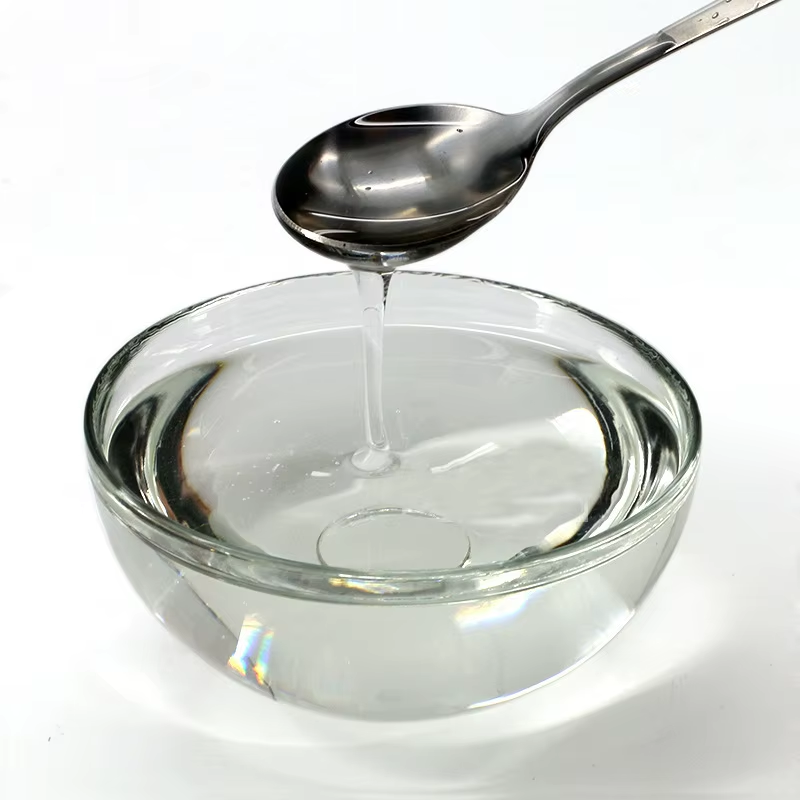
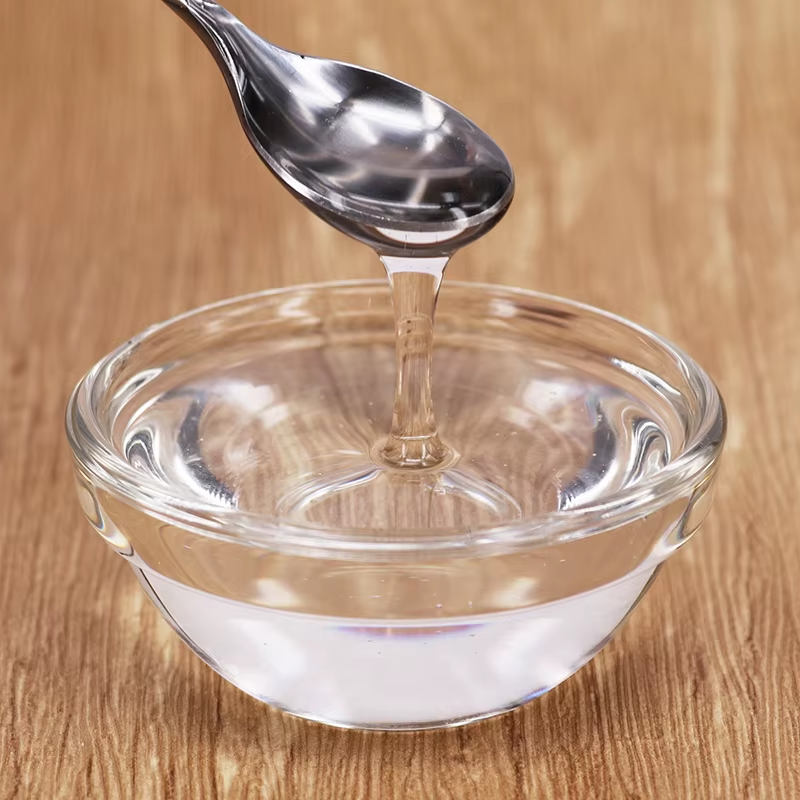
Glucose syrup, also known as corn syrup in some regions, is a concentrated sugar solution derived from the enzymatic hydrolysis of starch. It is primarily composed of glucose, with varying amounts of maltose and higher saccharides depending on the degree of hydrolysis. Industrially, glucose syrup is classified based on dextrose equivalent (DE), which indicates the sweetness and fermentability of the syrup:
- DE 20–30: Suitable for confectionery and brewing.
- DE 40–50: Common in baking, dairy, and beverages.
- DE 70–90: High sweetness, often used in candies and soft drinks.
Glucose syrup offers multiple benefits in industrial applications:
- Consistent sweetness and flavor
- Moisture retention and texture control
- Prevention of crystallization in confectionery
- Improved browning and color development in baked goods
The functional properties of glucose syrup make it a cornerstone ingredient for factories producing confectionery, bakery items, beverages, dairy products, and nutritional formulations.
Why Afghan Manufacturers Need Reliable Glucose Syrup Suppliers
1. Ensuring Product Consistency
In large-scale industrial production, even minor variations in syrup quality can impact texture, sweetness, or shelf life. Using a reliable glucose syrup supplier in Afghanistan like MT Royal guarantees batch-to-batch consistency, which is critical for brand reputation and consumer satisfaction.
2. Supporting Diverse Applications
Glucose syrup serves multiple functions: as a sweetener, humectant, texture enhancer, and stabilizer. Manufacturers producing candies, chocolates, baked goods, and beverages require syrups with precise DE values and functional properties.
3. Streamlining Supply Chain
Sourcing locally or through dependable suppliers ensures continuous availability, reduces lead times, and minimizes risks of production halts. We at MT Royal have observed that manufacturers with stable glucose syrup supply experience fewer disruptions and can focus on innovation rather than troubleshooting ingredient issues.
4. Cost Efficiency
Glucose syrup allows manufacturers to optimize recipes, reduce dependence on more expensive sweeteners, and enhance product yield. Proper sourcing ensures you pay for quality, not inconsistency.

Key Properties to Consider When Selecting Glucose Syrup
Choosing the right glucose syrup goes beyond price. Industrial buyers should evaluate several critical parameters:
Dextrose Equivalent (DE)
DE affects sweetness, viscosity, and browning potential. Selecting the appropriate DE is essential for functional performance in specific applications. For instance, high-DE syrups are ideal for soft candies, while low-DE syrups are better for bakery products requiring moisture retention.
Viscosity
Viscosity influences handling, pumping, and blending in production lines. A syrup that is too thick may require excessive energy for processing, while a low-viscosity syrup may alter product texture.
Moisture Content
Optimal moisture levels prevent microbial growth while ensuring the desired texture in finished products.
Color and Clarity
For confectionery and beverages, syrup color affects the appearance of the final product. Suppliers should provide clear, light-colored syrups unless darker tones are required for specific applications.
Storage Stability
High-quality glucose syrups resist crystallization, microbial contamination, and moisture absorption during storage, ensuring prolonged shelf life and consistent performance.
Common Procurement Mistakes in Industrial Glucose Syrup Sourcing
- Prioritizing Price Over Quality: Low-cost syrups may compromise viscosity, DE, or microbial stability, causing production losses.
- Neglecting Supplier Verification: Without reviewing Certificates of Analysis, batch consistency cannot be guaranteed.
- Ignoring Storage Requirements: Improper storage can result in crystallization or spoilage, disrupting production schedules.
- Overlooking Functional Properties: Selecting the wrong DE or viscosity can alter texture, sweetness, and moisture content in products.
- Limited Supplier Diversification: Relying on a single, unreliable source increases risk of shortages.
By avoiding these common mistakes, manufacturers can ensure product consistency, reduce waste, and optimize operational efficiency.
Industrial Applications of Glucose Syrup
Confectionery
- Prevents sugar crystallization in candies, caramels, and toffees.
- Enhances texture, chewiness, and shelf life.
- Supports color development in baked confections.
Bakery and Pastry
- Maintains moisture in bread, cakes, and pastries.
- Improves softness and freshness retention.
- Enhances browning and flavor during baking.
Beverages
- Provides controlled sweetness and viscosity in fruit drinks, syrups, and flavored milks.
- Reduces sedimentation and improves clarity.
Dairy Products
- Stabilizes ice cream, yoghurts, and cream-based desserts.
- Contributes to smooth texture and prevents ice crystallization in frozen products.
Nutritional and Industrial Applications
- Used in protein shakes, energy bars, and pharmaceutical formulations.
- Acts as a fermentable sugar in brewing and ethanol production.
We at MT Royal have collaborated with Afghan factories across these sectors to identify the optimal glucose syrup grade, enabling them to achieve consistent results and reduce operational inefficiencies.
Selecting the Right Glucose Syrup Supplier in Afghanistan
A dependable supplier is critical for industrial success. Consider the following when evaluating suppliers:
- Access to international, high-quality glucose syrup brands
- Certificates of Analysis and full technical documentation
- Reliable logistics and consistent stock availability
- Technical support for recipe optimization and troubleshooting
- Competitive pricing without compromising functionality
By choosing a trustworthy partner like MT Royal, manufacturers secure both product quality and operational reliability, allowing them to focus on innovation and efficiency rather than supply issues.
Technical Evaluation for Industrial Buyers
Before placing an order, industrial buyers should assess:
- DE value and functionality for intended application
- Viscosity and flow characteristics
- Moisture and ash content
- Color, clarity, and odor
- Microbial load and storage stability
Monitoring these parameters ensures predictable behavior in processing lines, prevents waste, and maximizes product performance.
Frequently Asked Questions
Which DE value is ideal for soft candies?
A DE of 70–90 is optimal for chewiness, smooth texture, and high sweetness.
How should glucose syrup be stored in Afghan climates?
In a cool, dry environment with sealed containers to prevent moisture uptake and crystallization.
Can glucose syrup reduce production costs?
Yes, by standardizing sweetness, improving yield, and reducing reliance on alternative sweeteners.
How do viscosity and DE affect product outcomes?
Higher DE increases sweetness, while viscosity affects texture, handling, and mixing efficiency.
What is the typical MOQ for industrial supply?
Suppliers can offer flexible quantities tailored to factory scale and production requirements.
Conclusion
Selecting the right glucose syrup supplier in Afghanistan is not merely a purchase—it is a strategic decision that influences product quality, operational efficiency, and profitability. Reliable suppliers like MT Royal provide consistent, high-quality glucose syrups with technical support, helping factories meet market demands, maintain product standards, and optimize production. Choosing the right partner ensures your operations remain smooth, products are consistent, and your factory thrives in Afghanistan’s competitive industrial landscape.


No comment