

In Afghanistan’s dynamic food and beverage industry, achieving consistent product quality is more than just following recipes—it hinges on sourcing reliable raw materials. Baking powder, a critical leavening agent, plays a pivotal role in texture, volume, and overall sensory appeal. Choosing the right baking powder supplier is not merely a procurement task but a strategic decision that affects your entire production chain.
At MT Royal, we specialize in supplying industrial-grade baking powder to Afghan manufacturers, ensuring consistent quality, regulatory compliance, and competitive pricing. Our experience across multiple food sectors has shown that partnering with a dependable supplier translates into smoother operations, fewer production disruptions, and superior final products. In this comprehensive guide, we delve into the fundamentals of baking powder, common sourcing mistakes, industrial tips for large-scale production, and strategic considerations for Afghan factories.
Understanding Baking Powder: Definition and Industrial Applications
What is Baking Powder?
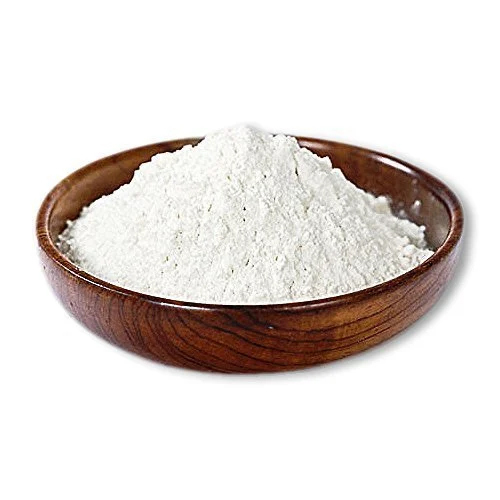
Baking powder is a chemical leavening agent composed primarily of a carbonate or bicarbonate and a weak acid. Upon activation, typically through moisture and heat, it releases carbon dioxide, which aerates the batter or dough, giving baked goods their soft, fluffy texture. Unlike yeast, baking powder offers immediate leavening, making it indispensable for a variety of industrial and artisanal baked products.
Types of Baking Powder
- Single-Acting Baking Powder: Reacts fully when mixed with a liquid. Suitable for quick recipes but requires immediate baking.
- Double-Acting Baking Powder: Reacts in two stages—once when mixed with liquid and again when exposed to heat. This type is widely used in industrial baking for consistent results.
- Aluminum-Free Baking Powder: Preferred for taste-sensitive applications, as aluminum can impart a metallic flavor.
Industrial Applications
Baking powder is used in a broad range of products, including:
- Cakes, muffins, and cupcakes
- Biscuits and cookies
- Quick breads and pastries
- Pancakes and waffles
For Afghan manufacturers, sourcing high-quality baking powder ensures uniform texture, consistent rise, and reproducible results across batches—critical factors in consumer satisfaction and brand reputation.
Common Mistakes in Sourcing Baking Powder
Even experienced procurement managers can fall into traps when selecting suppliers. Understanding these mistakes can save costs and prevent production issues:
- Prioritizing Cost Over Quality: Low-cost powders may save money upfront but can result in inconsistent leavening, inferior texture, and increased waste.
- Ignoring Supplier Reliability: Interruptions in supply can halt production lines, leading to missed deadlines and financial losses.
- Neglecting Regulatory Compliance: Baking powders must meet local and international food safety standards. Non-compliance risks fines and recalls.
- Overlooking Technical Support: Suppliers who provide guidance on storage, handling, and formulation adjustments reduce operational errors.
At MT Royal, we combine competitive pricing with full technical support, ensuring Afghan factories maintain operational efficiency and product excellence.
Choosing the Right Supplier: What Afghan Manufacturers Should Look For
Selecting a trusted baking powder supplier involves multiple considerations:
1. Consistent Product Quality
Baking powder consistency affects every batch of baked goods. Variability can cause uneven rise, off-textures, or flavor alterations. MT Royal conducts rigorous quality assurance and batch testing to ensure uniformity.
2. Supply Chain Reliability
Afghanistan’s manufacturing sector can face logistical challenges. Reliable suppliers maintain buffer stock, timely shipping, and responsive customer service, minimizing disruptions in production.
3. Regulatory Compliance
Suppliers should provide full documentation, including certificates of analysis (COA) and food safety compliance. MT Royal ensures all products meet local and international standards.
4. Technical Expertise
Beyond supplying ingredients, industrial suppliers should offer guidance on formulation optimization, storage conditions, and shelf-life management. Our team has extensive experience advising Afghan manufacturers on these aspects.
Industrial Tips for Large-Scale Production
Scaling baking powder use from small batches to industrial production requires careful planning:
- Accurate Weighing: Use calibrated industrial scales to maintain consistent ratios of baking powder to flour.
- Mixing Techniques: Proper integration prevents clumping and ensures uniform distribution throughout dough or batter.
- Temperature Control: Baking powder’s reaction rate can vary with temperature; adjust baking times and oven settings accordingly.
- Storage Conditions: Keep baking powder in cool, dry conditions to preserve its potency. Moisture can prematurely trigger carbon dioxide release.
Our collaboration with various factories in Afghanistan has demonstrated that adherence to these practices significantly enhances product quality and reduces waste.
Frequently Asked Questions by Afghan Manufacturers
Q1: How long can baking powder be stored without losing effectiveness?
Typically, industrial-grade baking powder has a shelf life of 12–24 months if stored in airtight containers, away from humidity and heat.
Q2: Can we switch suppliers without affecting product quality?
Yes, but ensure the new supplier provides batch consistency, regulatory documentation, and technical support to avoid variations.
Q3: Does the type of baking powder affect flavor?
Aluminum-containing powders can impart a metallic taste. For sensitive recipes, aluminum-free options are recommended.
Q4: How do I calculate the correct dosage for industrial recipes?
Most recipes require 1–1.5% baking powder relative to flour weight. MT Royal provides dosage guidelines and formulation support tailored to your production needs.
Advantages of Partnering with MT Royal
We are not just a supplier—we are a partner invested in your success:
- Premium Quality Products: Consistently tested for performance and compliance.
- Competitive Pricing: Cost-effective solutions without compromising quality.
- Expert Consultation: Guidance on formulation, storage, and industrial scaling.
- Reliable Supply Chain: Timely delivery and responsive customer service.
We have seen firsthand how Afghan manufacturers improve operational efficiency and product consistency when leveraging a trusted supplier like MT Royal.
Strategic Insights for Afghan Manufacturers
In Afghanistan’s growing industrial landscape, sourcing baking powder strategically can create competitive advantages:
- Operational Efficiency: Reliable suppliers reduce downtime and production interruptions.
- Quality Consistency: Uniform product characteristics strengthen brand reputation.
- Regulatory Assurance: Compliance with safety standards minimizes risks of recalls or legal issues.
- Innovation Support: Suppliers offering formulation advice enable product differentiation in competitive markets.
Investing time and resources into selecting the right supplier transforms baking powder from a simple ingredient into a strategic asset.
Conclusion
For manufacturers in Afghanistan, baking powder is far more than a leavening agent—it is fundamental to achieving consistent quality, operational efficiency, and market competitiveness. Partnering with a reliable supplier ensures:
- Uniform product quality across batches
- Compliance with regulatory standards
- Access to technical expertise and formulation guidance
- Smooth, uninterrupted supply chains
By choosing MT Royal, your factory gains a trusted partner who delivers industrial-grade baking powder, hands-on consultation, and dependable support, enabling you to scale efficiently, innovate, and thrive in Afghanistan’s competitive food and beverage sector. We have observed that manufacturers leveraging such partnerships consistently outperform competitors in product quality, production efficiency, and consumer satisfaction.


No comment