

In the fast-growing UAE food manufacturing landscape, whole milk powder has quietly become one of the most strategic ingredients across several industrial sectors. From bakeries and confectionery plants to large beverage factories and dairy-processing facilities, the demand for a stable, high-quality dairy base has never been stronger. Every month, dozens of procurement managers begin searching for a reliable whole milk powder supplier in the UAE—only to discover that the process is far more complex than simply choosing a competitive price point.
Those who have been in the food industry long enough already understand this: a supplier is not just a vendor. A supplier becomes a partner who influences your product’s texture, stability, flavor, production speed, storage conditions, and even your long-term operational efficiency. That is why manufacturers in the region increasingly lean toward dependable distributors such as MT Royal—companies that understand both the technical requirements of industrial production and the commercial realities procurement teams face.
This article is designed to give you a full, human-centered, in-depth guide on choosing the right whole milk powder supplier in the UAE. It’s structured to address real concerns of factory managers, answer common questions, and offer insights gained from years of industrial experience. If you are responsible for large-scale purchasing, this guide is built to match exactly how you think.
The Industrial Value of Whole Milk Powder in the UAE Today
Whole milk powder (WMP) is more than just dehydrated milk. It is a versatile, concentrated ingredient that supports consistency, controls formulation costs, and stabilizes production lines. One of the main reasons factories rely on it is the flexibility it offers. Unlike fresh milk, which depends heavily on cold-chain logistics, WMP removes the burden of time-sensitive storage and transportation.
Manufacturers also appreciate how stable WMP remains during processing. When you’re running continuous batches—sometimes hundreds per day—any ingredient that behaves unpredictably can disrupt the entire workflow. That’s why the consistency of whole milk powder is central to scaling operations successfully.
What we’ve observed—both from conversations and from practical factory visits—is that procurement teams rarely look for WMP itself. What they actually look for is predictability: predictable texture, predictable solubility, predictable taste, predictable supply, and predictable cost. A good supplier helps achieve this, not only by providing reliable products but by offering full transparency about origin, specifications, and handling.
Understanding What Whole Milk Powder Really Is—and Why It Matters in Production
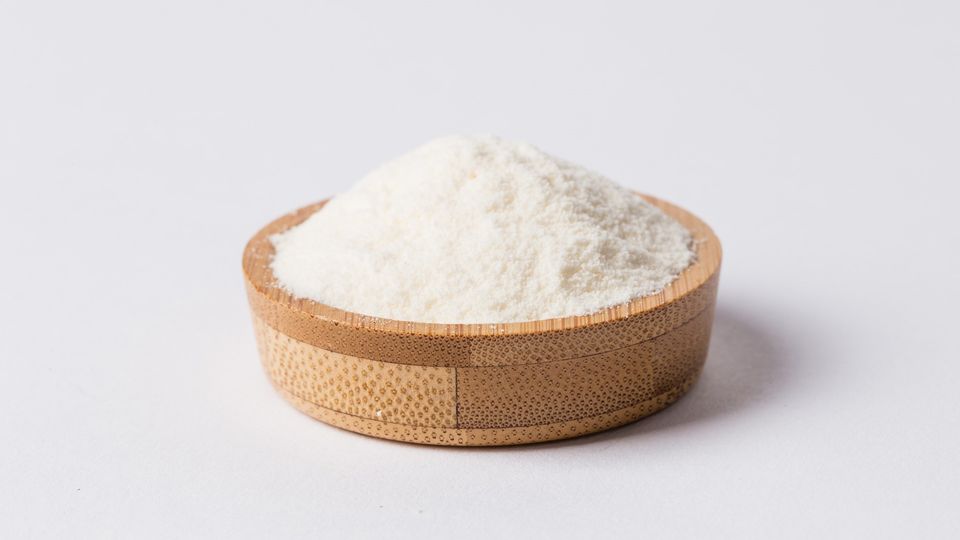
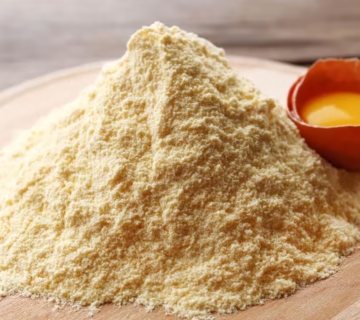
Whole milk powder is essentially fresh cow’s milk that has undergone evaporation and spray drying. What remains is a fine, creamy powder rich in fat (typically 26–28%) and packed with naturally occurring nutrients, proteins, and milk solids. But this basic definition doesn’t tell manufacturers what they really need to know.
What truly matters in industrial production is how WMP behaves under heat, pressure, mixing speed, and specific pH levels. A beverage factory, for example, cares deeply about solubility, while a bakery plant focuses more on browning behavior and fat contribution to dough. Confectionery facilities focus on texture and smoothness. Ice cream lines focus on emulsification and fat distribution.
This is why the supplier’s role becomes important. The right supplier doesn’t just deliver powder—they deliver suitability. They help ensure the powder you’re buying fits your machinery, your processing temperatures, your product positioning, and your quality expectations.
A Natural Rise in Demand Across UAE Food Sectors
Manufacturers all over the UAE—from Abu Dhabi and Dubai to Sharjah and Ras Al Khaimah—have turned to whole milk powder not just for convenience but for strategic and operational reasons.
We’ve seen several trends across the region:
- Growing interest from bakery chains expanding into industrial-scale production
- Confectionery brands improving texture and flavor profiles for premium product lines
- Dairy factories relying on stable ingredients to meet daily high-volume schedules
- Beverage producers needing powders that dissolve cleanly for UHT or RTD formulations
- Nutrition brands seeking consistent protein sources for fortified blends
This rising demand has forced factories to become far more selective with suppliers. Many have learned, sometimes the hard way, that inconsistent powder can increase waste, extend mixing times, or lead to product rejections.
The Hidden Mistakes Procurement Managers Usually Don’t Notice
A significant part of mastering raw material sourcing lies in avoiding subtle mistakes—mistakes that look harmless on paper but become costly in production. After working with various manufacturers, a few common patterns appear repeatedly.
The first mistake: judging quality only by price
Price competition in the dairy market is fierce. But when a powder dissolves poorly or adds unwanted flavors, the savings disappear quickly in rework, rejected batches, or lost output time.
Another common mistake: ignoring the impact of origin
WMP from New Zealand feels different from one sourced in Europe or South America. Fat distribution, flavor notes, solubility, and microbial standards all vary noticeably. Some factories switch origin without adjusting formulations—leading to unpredictable results.
A third frequent issue: neglecting technical documentation
A supplier who hesitates to provide full specifications sends a red flag. COA, moisture levels, solubility index, heat stability, and microbiological results are not “extra papers”—they are the foundation for safe and consistent production.
And finally: storing powder incorrectly
Even the best product loses quality if kept in a non-climatized warehouse. The UAE’s heat and humidity can quickly cause caking, oxidation, or off-flavors.
A strong supplier helps prevent all these issues long before the powder reaches your mixing tank.
What Makes a Trustworthy Whole Milk Powder Supplier in the UAE?
Manufacturers don’t choose suppliers randomly. They evaluate them based on consistency, transparency, and logistical reliability. Over the years, we’ve noticed that factories in the UAE tend to trust suppliers who excel in a few specific areas.
The first is product variety. Factories appreciate having multiple origins and grades to choose from because different production lines require different powder characteristics.
The second is batch consistency. Reliable suppliers ensure every shipment meets the same standards. This reduces the headache of constant adjustments on the factory floor.
Another factor is technical clarity. Procurement teams value suppliers who share specifications openly, discuss functional behavior honestly, and stay reachable when technical questions arise.
Furthermore, a dependable supplier maintains climate-controlled warehouses, preventing heat damage. In a region like the UAE, proper handling after importation is just as important as the quality of the powder itself.
And finally, pricing stability matters. Manufacturers need predictable costs to forecast budgets, especially for large production cycles.
MT Royal has grown in popularity precisely because it combines these elements. Instead of pushing products, the company focuses on long-term cooperation, understanding what factories actually need, and ensuring consistency in both quality and service. The “we” in their approach—based on collective experience with different manufacturers—helps guide procurement decisions and reduce risk.
Where Whole Milk Powder Fits into UAE Industrial Applications
Whole milk powder is one of those ingredients that quietly works behind the scenes, supporting flavor, texture, and stability without drawing attention. Its applications stretch across multiple sectors.
In bakeries, it reinforces dough softness, improves crust color through natural browning reactions, and adds body to pastries. It also enhances the aromatic profile of premium baked goods.
In confectionery manufacturing, it brings smoothness and richness—especially in chocolates, fillings, and caramel spreads. It helps harmonize sweetness and fat, producing the creamy mouthfeel consumers expect in high-quality products.
Beverage producers rely on whole milk powder for consistent reconstitution. When dissolved properly, the powder creates a clean, stable base for flavored milks, RTD products, coffee creamers, and UHT beverages.
Ice cream factories appreciate the emulsifying behavior and fat contribution, which regulate overrun, mouthfeel, and stability during freezing and distribution.
Nutrition brands use it as a concentrated source of milk solids and protein, especially in meal replacements or functional blends.
Its adaptability makes WMP not only a raw material but a strategic tool in product formulation.
Comparing Whole Milk Powder to Other Dairy Ingredients
Although manufacturers often treat dairy powders as one category, the differences between them can significantly affect production. For clarity, here are the two comparisons procurement teams ask about most:
Whole Milk Powder vs. Skimmed Milk Powder
WMP contains 26–28% fat, whereas skimmed milk powder contains less than 1.5%. That fat content shapes flavor, texture, and color in ways SMP simply cannot. Factories choose WMP when they want richness; SMP when they need leaner formulations or higher heat stability.
Whole Milk Powder vs. Whey Powder
Whey powder behaves differently because it is a byproduct of cheese making. It has a distinct protein structure and dissolves differently. WMP is preferred when creaminess and milk-like character are essential.
These distinctions matter because choosing the wrong powder leads to inconsistent results and unnecessary adjustment costs.
Technically Important Quality Indicators Manufacturers Should Always Check
Although suppliers handle most of the testing, manufacturers benefit greatly from understanding a few core parameters:
- Moisture: Lower moisture prevents microbial growth and improves shelf life.
- Solubility: Perhaps the most critical factor for beverage production. It determines whether mixing tanks operate smoothly or struggle with clumps.
- Fat percentage: Needs to match the intended application precisely.
- Heat stability: Especially essential for UHT and retort lines.
- Microbial profile: Critical for dairy-based beverages and ready-to-drink products.
These numbers are not merely specifications. They predict how the powder will behave during heating, mixing, cooling, and packaging.
Origin Matters: How Country of Production Influences Performance
Experienced procurement managers already know this: you can’t assume all whole milk powder behaves the same. New Zealand’s dairy climate produces a flavor profile different from Europe’s. South American WMP may have strong value for cost-effective formulations. Specific origins shine in specific applications.
European powders often stand out for their very clean sensory profile and excellent microbiological standards. New Zealand and Australian powders are known for consistency and strong solubility, which beverage factories appreciate. South American origins often offer an attractive balance between performance and pricing for medium-fat blends or bakery applications.
A knowledgeable supplier doesn’t simply offer origins—they help manufacturers select the right one for their production lines.
Why Many Factories Prefer Working with MT Royal
What manufacturers consistently describe when discussing MT Royal is reliability. They appreciate not just the product range but the way the company handles logistics, technical questions, and batch consistency. Because MT Royal collaborates with multiple global producers, factories can choose between several origins without compromising quality expectations.
The team also takes a consultative approach, something many suppliers neglect. Instead of simply providing pricing, they share insights from what we have observed in collaborations with different factories—details such as how certain origins dissolve in specific mixers, or which fat percentages work better for long UHT runs.
For factories operating under tight schedules, this level of clarity and experience reduces troubleshooting time and adds confidence to procurement decisions.
Questions Procurement Teams Frequently Ask—and Clear Answers
Manufacturers in the UAE often raise similar questions when evaluating whole milk powder suppliers. These questions reflect real industrial concerns rather than theoretical ones.
One recurring question is whether whole milk powder can fully replace fresh milk. The answer is yes—provided that factories manage reconstitution temperature, mixing time, and water quality correctly.
Another common question concerns shelf life. Typically, WMP lasts about 12 months, but only if stored properly. Poor storage reduces shelf life drastically.
Factories also ask about packaging. The standard is 25-kilogram multi-wall bags with inner liners that protect against moisture.
Solubility is another concern. If a powder clumps easily or leaves residue, it slows down production. Good solubility is essential for smooth beverage and dairy lines.
These concerns highlight why choosing the right supplier is such a strategic decision.
Industrial Tips for Maximizing Whole Milk Powder Performance
A few technical practices can significantly improve efficiency:
- Reconstitution works best around 45–55°C, depending on brand and origin.
- Adding powder gradually—not all at once—reduces surface clumping.
- Using two-stage mixing (pre-slurry then dilution) prevents equipment overload on large batches.
Simple techniques like these can enhance both product quality and operational speed.
Where the UAE Dairy Market Is Heading—and What It Means for You
The UAE food sector is rapidly maturing. Demand for premium dairy-based products is rising, new factories are entering the market, and long-term investment in food manufacturing is increasing. This growth comes with higher expectations for raw material consistency and supplier professionalism.
As competition grows, the manufacturers who secure reliable supply chains and maintain stable formulations will gain a real advantage. Whole milk powder is one of the ingredients that define this stability.
Choosing the right supplier—one who understands industrial expectations, offers transparent specifications, and ensures reliable stock—allows factories to operate with confidence and continuity. MT Royal has become a preferred partner in this field because it aligns closely with these expectations, offering manufacturers a dependable pathway to consistent results and long-term operational success.

No comment