

In the competitive landscape of food, beverage, pharmaceutical, and chemical industries in Saudi Arabia, sourcing high-quality raw materials is critical for maintaining consistent production standards. Among these essential ingredients, dextrose plays a pivotal role due to its versatility, high solubility, and functional properties. For factory managers, procurement specialists, and production supervisors, partnering with a reliable dextrose supplier in Saudi Arabia is a strategic move to ensure product quality, operational efficiency, and compliance with industry regulations.
MT Royal has established itself as a trusted supplier, providing a wide range of dextrose products suitable for industrial applications. Our collaborations with numerous manufacturers have shown that inconsistencies in dextrose quality can result in flavor imbalance, textural changes, and even operational inefficiencies. By choosing a dependable supplier, you secure uninterrupted production, superior product consistency, and optimized manufacturing processes.
This comprehensive guide is tailored for industrial buyers, outlining key technical details, common sourcing mistakes, best practices for large-scale manufacturing, and practical insights to maximize the value of dextrose in your production.
What is Dextrose? – Definition and Industrial Relevance
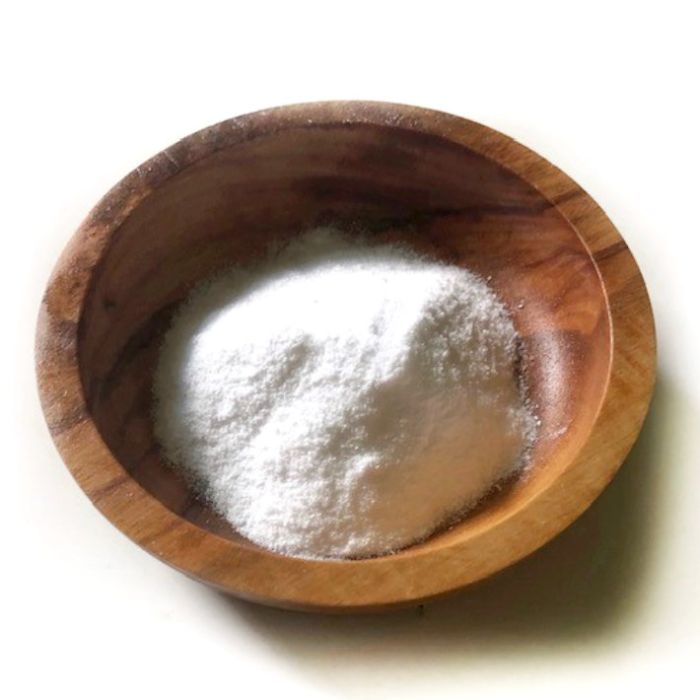
Dextrose, also known as D-glucose or corn sugar, is a monosaccharide commonly derived from starch sources such as corn or wheat. It is chemically identical to glucose found in nature and is widely used as a sweetener, fermentation substrate, preservative, and functional ingredient in diverse industrial applications.
Key Properties and Benefits of Dextrose
- High Solubility – Dextrose dissolves easily in water, making it ideal for beverages, syrups, and liquid formulations.
- Fermentation Substrate – Provides energy for yeast and microbial cultures, essential in baking, brewing, and pharmaceutical fermentations.
- Flavor and Sweetness – Contributes mild sweetness and enhances flavor profiles in confectionery, baked goods, and dairy products.
- Preservative Effect – Reduces water activity in products, contributing to extended shelf-life and microbial stability.
- Functional Versatility – Serves as a humectant, browning agent, and stabilizer in various industrial processes.
Industrial Applications of Dextrose in Saudi Arabia
Food and Beverage Industry
Dextrose is a critical ingredient in baked goods, confectionery, beverages, and processed foods. Its ability to provide consistent sweetness, aid browning in baking, and facilitate fermentation makes it indispensable for large-scale food production in Saudi Arabia. Manufacturers often rely on industrial-grade dextrose to ensure product uniformity, flavor stability, and efficient production cycles.
Pharmaceutical Applications
In pharmaceutical industries, dextrose is used in intravenous (IV) solutions, oral rehydration salts, and as a carrier in tablets and syrups. Its purity, solubility, and stability are vital for maintaining drug efficacy and patient safety.
Cosmetic and Personal Care Industry
Dextrose functions as a humectant and stabilizer in cosmetic formulations. It helps retain moisture in creams, lotions, and personal care products, while ensuring product stability and smooth texture.
Industrial and Fermentation Processes
Dextrose is widely used as a fermentation substrate in industrial biotechnology, including enzyme production, bioethanol, and probiotic cultivation. Its high solubility and fermentable nature make it ideal for large-scale fermentation systems.
Selecting a Reliable Dextrose Supplier in Saudi Arabia
Choosing the right supplier involves more than price considerations. Industrial buyers must assess product quality, supply chain reliability, and technical support.
1. Product Quality and Specifications
Dextrose is available in several forms:
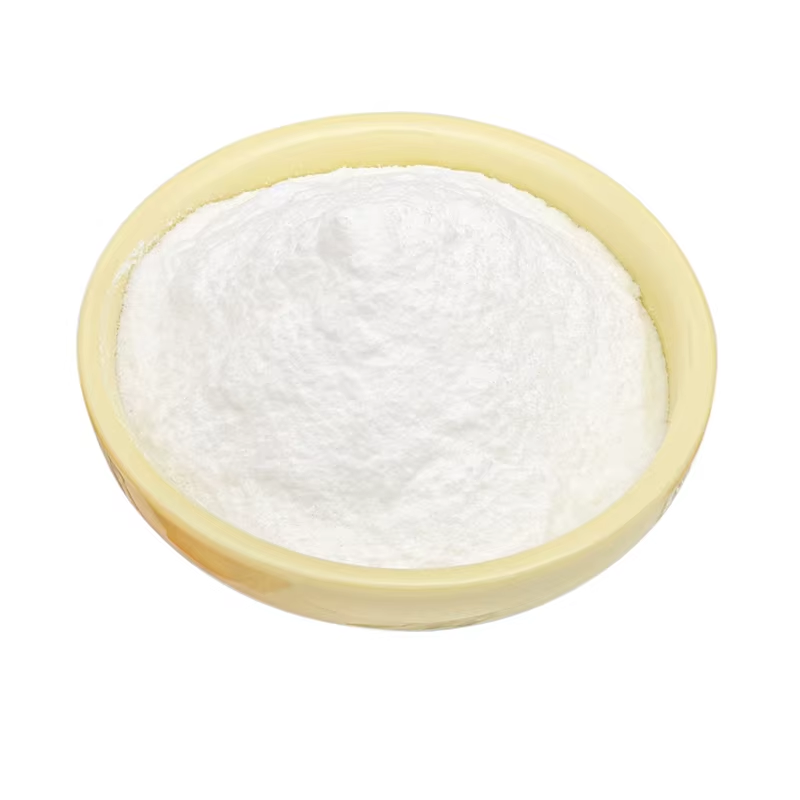
- Dextrose Monohydrate – Commonly used in confectionery, bakery, and beverages. Provides stable crystalline form suitable for storage.
- Anhydrous Dextrose – Lower moisture content, ideal for powder blends and dry applications.
Suppliers should provide Certificates of Analysis (COA) confirming purity, moisture content, heavy metals, and microbiological safety.
2. Batch Consistency
For industrial operations, batch-to-batch consistency is critical. Variations in dextrose quality can affect sweetness, fermentation rates, and product texture. MT Royal ensures consistent production standards to maintain uniformity across all batches.
3. Supply Chain and Logistics
Timely delivery is crucial to avoid production delays. Trusted suppliers maintain stock, offer flexible logistics, and provide emergency support for urgent orders.
4. Technical Support and Consultation
A knowledgeable supplier can provide guidance on dosage optimization, storage, and formulation adjustments. MT Royal works with manufacturers to integrate dextrose seamlessly into industrial processes.
5. Regulatory Compliance
Suppliers must adhere to local and international standards such as ISO, HACCP, Halal, and Kosher certifications, ensuring both legal compliance and consumer trust.
Common Mistakes in Dextrose Procurement
- Focusing Solely on Price – Low-cost options may compromise purity or solubility.
- Ignoring Form Requirements – Using monohydrate instead of anhydrous or vice versa can disrupt production.
- Neglecting Regulatory Compliance – Non-compliant suppliers risk legal penalties.
- Overlooking Storage Needs – Dextrose is hygroscopic; improper storage can lead to caking or microbial contamination.
- Skipping Batch Testing – Continuous quality monitoring is essential to maintain consistent product standards.
Technical Insights for Industrial Applications
Purity and Moisture Content
High-purity dextrose ensures accurate sweetness, proper fermentation, and functional stability. Industrial-grade dextrose typically exceeds 99.5% purity, with controlled moisture levels to prevent clumping.
Particle Size and Solubility
Uniform particle size enhances solubility, crucial for beverage and syrup applications. Coarser crystals are suitable for bakery or dry blend applications.
Storage Recommendations
Dextrose should be stored in cool, dry environments to prevent moisture absorption, caking, or microbial contamination. Climate-controlled storage is particularly important in Saudi Arabia’s hot and humid regions.
Compatibility with Other Ingredients
Dextrose interacts with yeast, enzymes, and other sugars. Understanding its behavior in fermentation or baking processes is essential for achieving consistent results.
Best Practices for Large-Scale Manufacturing
- Pilot Testing – Conduct small-scale trials to determine optimal dosage and functional performance.
- Inventory Management – Maintain safety stock to prevent production disruptions.
- Climate-Controlled Storage – Protect against humidity to maintain product quality.
- Supplier Collaboration – Engage with supplier technical teams for formulation guidance and troubleshooting.
Following these practices ensures high-quality products, efficient production, and reduced operational risk.
Frequently Asked Questions by Industrial Buyers
Q1: Can dextrose be used in non-food applications?
Yes, it is widely used in pharmaceuticals, fermentation, personal care products, and industrial processes.
Q2: What is the difference between dextrose monohydrate and anhydrous?
Monohydrate contains water of crystallization, suitable for wet formulations. Anhydrous has low moisture content, ideal for powders and dry blends.
Q3: How do I choose the right grade for my production?
Consider your application type, solubility requirements, moisture sensitivity, and regulatory standards. MT Royal provides tailored guidance.
Q4: How should dextrose be stored in Saudi Arabia?
Store in sealed containers in cool, dry, and climate-controlled areas to prevent caking and microbial contamination.
Q5: What industries commonly use dextrose?
Food, beverage, pharmaceuticals, cosmetics, fermentation, and industrial biotechnology.
Why MT Royal Is a Trusted Dextrose Supplier
MT Royal combines high-quality product offerings, competitive pricing, supply chain reliability, and technical expertise. By partnering with MT Royal, manufacturers gain access to premium dextrose products, technical support for process optimization, and reliable supply for uninterrupted operations.
Our clients across Saudi Arabia have reported improved product consistency, optimized fermentation performance, and superior sweetness and texture in their final products. This demonstrates the value of working with a supplier who understands both dextrose and industrial production requirements.
Strategic Insights for Manufacturers
Dextrose is far more than a simple sweetener—it is a multifunctional ingredient that plays a critical role across numerous industrial applications. In food production, it directly influences sweetness levels, enhances browning reactions, and contributes to the overall texture and mouthfeel of the final product. In fermentation-based industries, such as baking and beverage manufacturing, dextrose acts as an essential energy source for yeast and microbial cultures, directly affecting fermentation rates, yield, and consistency. Moreover, in pharmaceutical and personal care applications, dextrose contributes to stability, solubility, and shelf-life, ensuring that products meet both functional and regulatory standards.
Partnering with a reliable supplier like MT Royal allows manufacturers to secure a consistent and high-quality source of dextrose, reducing the risk of production delays, quality variations, or regulatory non-compliance. Beyond the raw material itself, MT Royal provides technical guidance on optimizing formulations, storage solutions, and process adjustments, enabling factories to maximize efficiency and product performance.


No comment