

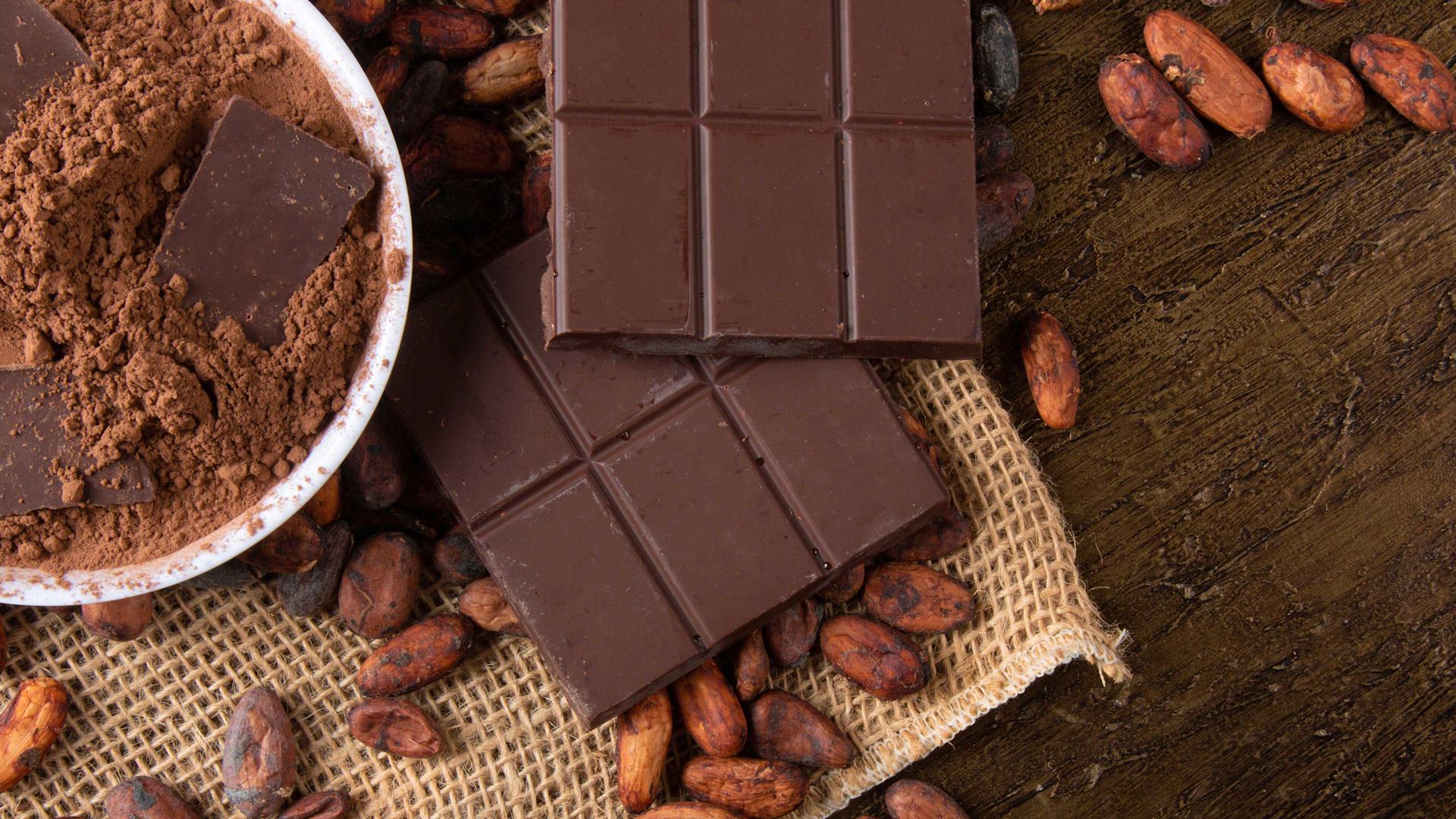
In the heart of Jordan’s growing confectionery sector, production floors are evolving at an unprecedented pace. From small artisanal chocolate makers in Amman to industrial-scale confectionery plants supplying GCC markets, the demand for consistency, quality, and process efficiency has never been higher. At the center of this transformation is cocoa liquor, the foundational ingredient that shapes every batch of chocolate.
But sourcing cocoa liquor isn’t merely about finding a supplier — it’s about securing a partner who understands your operational needs, production pressures, and quality expectations. For factory managers, procurement officers, and production supervisors, the choice of supplier can influence everything from batch consistency to cost-per-unit and product longevity.
Increasingly, Jordanian manufacturers are turning to specialized suppliers like MT Royal for high-quality cocoa liquor options, including premium European brands such as Latamarko, which offer consistency, traceability, and performance suitable for industrial chocolate production.
In this article, we’ll explore the industrial applications, technical considerations, procurement insights, and best practices for sourcing cocoa liquor in Jordan, ensuring that your production lines operate efficiently and your products consistently exceed consumer expectations.
Understanding Cocoa Liquor: Fundamentals Every Factory Manager Should Know
Cocoa liquor, also referred to as cocoa mass, is the unrefined essence of cocoa beans. Produced by roasting, grinding, and pressing cocoa beans, it contains both cocoa solids and cocoa butter in a naturally balanced composition.
From an industrial standpoint, cocoa liquor is prized for:
- Flavor foundation: Determines the chocolate’s bitterness, aroma, and overall flavor profile.
- Texture and viscosity: Cocoa butter content directly impacts melt behavior, mouthfeel, and processing efficiency.
- Batch stability: Uniform cocoa liquor ensures consistent color and texture across multiple production runs.
For production engineers, understanding the cocoa liquor’s fat content, particle size, and moisture levels is critical. These parameters influence tempering behavior, enrobing performance, and downstream processes such as molding or chocolate coating.
Why Jordanian Manufacturers Are Choosing Specialized Cocoa Liquor Suppliers
The chocolate industry’s shift toward premium and industrial-grade products has raised the bar for ingredient suppliers. Traditional commodity sourcing often falls short when it comes to batch consistency, traceability, and technical support.
Here’s why Jordanian factories increasingly rely on specialized suppliers like MT Royal:
1. Consistency Across Batches
Industrial chocolate production demands predictable behavior. Cocoa liquor sourced from reliable suppliers maintains stable fat content, particle size, and flavor notes, ensuring that every batch meets exacting standards.
2. Access to Premium European Brands
Suppliers offering options like Latamarko provide premium, Spanish-engineered cocoa liquor that delivers superior flavor intensity, controlled fat composition, and optimized processing characteristics — ideal for high-end chocolate bars, fillings, and enrobed products.
3. Streamlined Procurement
Working with a trusted supplier simplifies logistics, reduces lead times, and minimizes production disruptions. For example, MT Royal offers a portfolio of cocoa liquor brands and grades, ensuring factories can source bulk volumes without compromising quality.
4. Technical Support
Expert suppliers advise on process integration, including tempering, mixing, and compatibility with other ingredients such as sugar, milk powder, or cocoa butter. This technical guidance minimizes downtime and enhances production efficiency.
Industrial Applications of Cocoa Liquor in Jordan’s Chocolate Manufacturing
Cocoa liquor is versatile and used across a wide range of industrial chocolate applications. Understanding its role in specific processes can help factories optimize performance and reduce waste.
1. Chocolate Bars and Blocks
In mass-produced chocolate bars, cocoa liquor contributes to:
- Texture and mouthfeel: Uniform cocoa mass prevents grainy textures.
- Flavor consistency: Determines bitterness and cocoa intensity.
- Mold release efficiency: Balanced fat content ensures smooth demolding.
Premium brands, particularly Latamarko, offer cocoa liquor with precise specifications for consistent tempering and shine, reducing scrap rates during production.
2. Confectionery Fillings
Chocolate fillings require controlled viscosity and smoothness. Cocoa liquor with uniform fat distribution ensures homogeneous emulsification, improving the flow behavior and stability of ganaches, truffles, and praline fillings.
3. Chocolate Coatings and Enrobing
In industrial enrobing lines, cocoa liquor interacts with added cocoa butter and emulsifiers to create stable coatings that maintain gloss, snap, and adhesion. Proper sourcing reduces line stoppages and ensures high yield.
4. Bakery and Beverage Applications
Beyond solid chocolates, cocoa liquor is used in:
- Chocolate spreads
- Cocoa-enriched bakery products
- Industrial beverage mixes
The stability, solubility, and flavor profile of cocoa liquor directly impact these products’ sensory quality and shelf life.
Technical Considerations When Choosing a Cocoa Liquor Supplier
Selecting cocoa liquor involves more than cost comparison. Factory managers should evaluate suppliers across multiple parameters:
| Parameter | Industrial Importance | Optimal Range |
|---|---|---|
| Fat Content | Affects viscosity, melt, and tempering | 50–55% |
| Particle Size | Impacts mouthfeel and smoothness | 18–25 μm |
| Moisture Content | Influences shelf life and processing | ≤ 1.5% |
| Acidity | Determines flavor stability | 0.2–0.4% |
| Color Consistency | Critical for premium chocolate appearance | Uniform across batches |
At MT Royal, we help factories match these specifications to production line capabilities, reducing variability and ensuring predictable chocolate behavior.
Common Pitfalls in Cocoa Liquor Procurement
Despite its critical role, cocoa liquor sourcing is prone to missteps:
- Overlooking batch consistency: Even small variations in fat content or particle size can disrupt tempering cycles and cause texture defects.
- Ignoring supplier traceability: Without proper origin and quality certification, risk of contamination or inconsistent quality rises.
- Focusing solely on cost: Low-cost cocoa liquor can compromise flavor, tempering behavior, and ultimately, brand reputation.
- Neglecting storage requirements: Cocoa liquor is sensitive to heat, moisture, and odor contamination; improper storage can degrade performance.
Pro Tips for Optimizing Cocoa Liquor in Production Lines
From our experience supplying Jordanian factories, these strategies maximize operational efficiency:
- Test samples in production conditions: Lab tests don’t always replicate industrial-scale tempering or molding.
- Establish long-term supplier partnerships: Reduces variability, ensures priority access, and simplifies logistics.
- Calibrate fat content for end-use: For enrobing or chocolate fillings, slight adjustments can optimize flow and finish.
- Integrate technical feedback loops: Production teams should communicate regularly with suppliers regarding batch performance.
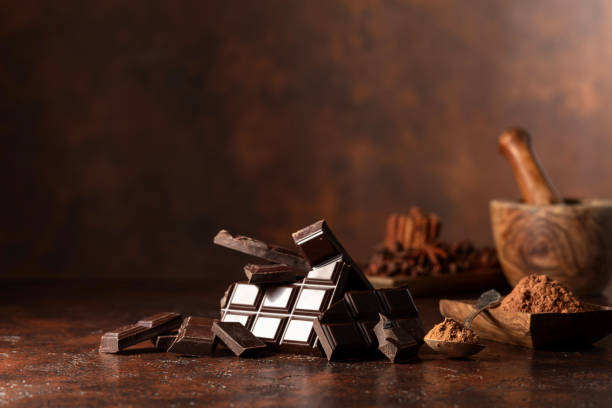
Comparing Cocoa Liquor Brands: Turkish, European, and Latamarko
While several sources provide cocoa liquor, industrial buyers often weigh origin, flavor profile, and technical consistency.
| Origin | Key Advantage | Considerations for Jordanian Manufacturers |
|---|---|---|
| European (Latamarko) | Precision engineering, premium flavor | Higher price point, ideal for luxury chocolate |
| Turkish | Cost-effective, good consistency | Slightly milder flavor, suitable for mass production |
| West African | Strong flavor, widely available | Requires careful tempering, potential variability |
Latamarko sets a high standard for premium chocolate, with Spanish engineering ensuring consistent particle size, fat content, and acidity — critical for high-end production lines.
Industry-Specific Considerations for Jordanian Manufacturers
Jordanian factories face unique operational realities:
- Climatic conditions: High ambient temperatures affect cocoa liquor storage and tempering.
- Export-oriented production: Maintaining flavor consistency for GCC and international markets is crucial.
- Private-label requirements: Clients demand specific flavor profiles, viscosities, and textures.
Choosing a supplier who understands these constraints is essential. MT Royal ensures cocoa liquor deliveries meet Jordanian operational needs while providing technical guidance for process adaptation.
FAQ: Cocoa Liquor in Industrial Production
Q1: Can Latamarko cocoa liquor improve production efficiency?
Yes. Its consistent particle size and fat distribution optimize tempering cycles, reduce scrap, and ensure batch uniformity.
Q2: What storage conditions are optimal?
Store in a cool, dry environment below 25°C, away from strong odors. Shelf life typically ranges from 12–18 months under proper conditions.
Q3: How do I ensure supplier reliability?
Request Certificates of Analysis for multiple batches, verify traceability, and engage suppliers offering technical support.
Final Thought
Industrial success in Jordan’s chocolate sector is not built on machines alone. It depends on ingredients that perform predictably, suppliers who deliver consistently, and production lines that adapt intelligently.
For factory managers and procurement officers, the right cocoa liquor supplier can transform operational efficiency, reduce variability, and elevate product quality. Partnering with experienced suppliers like MT Royal provides access to premium brands like Latamarko, technical guidance, and consistent supply — ensuring that every batch leaving your production line meets the highest standards.
Choosing wisely today ensures your factory’s chocolates continue to delight consumers and maintain competitive advantage across Jordan and the broader GCC markets.
latamarko alkalized cocoa powder lm60
cocoa powder for chocolate production-Best price
Food industry raw materials – list of products
Types of Gelatin from Turkish Manufacturer
Alkalized Cocoa Powder Bulk Supplier


No comment