

In the competitive food, pharmaceutical, and industrial sectors, sourcing high-quality raw materials is a decisive factor in production efficiency and product performance. For manufacturers in Libya, finding a trusted gelatin supplier can directly affect product consistency, shelf life, and overall operational success. MT Royal has established itself as a reliable partner for industrial clients across the region, offering diverse gelatin options at competitive prices while ensuring consistent quality. This comprehensive guide explores everything you need to know about sourcing gelatin in Libya—from basic definitions and industrial applications to procurement tips, quality considerations, and frequently asked questions—empowering factory managers, production supervisors, and procurement officers to make informed decisions.
Understanding Gelatin: Definition and Basics
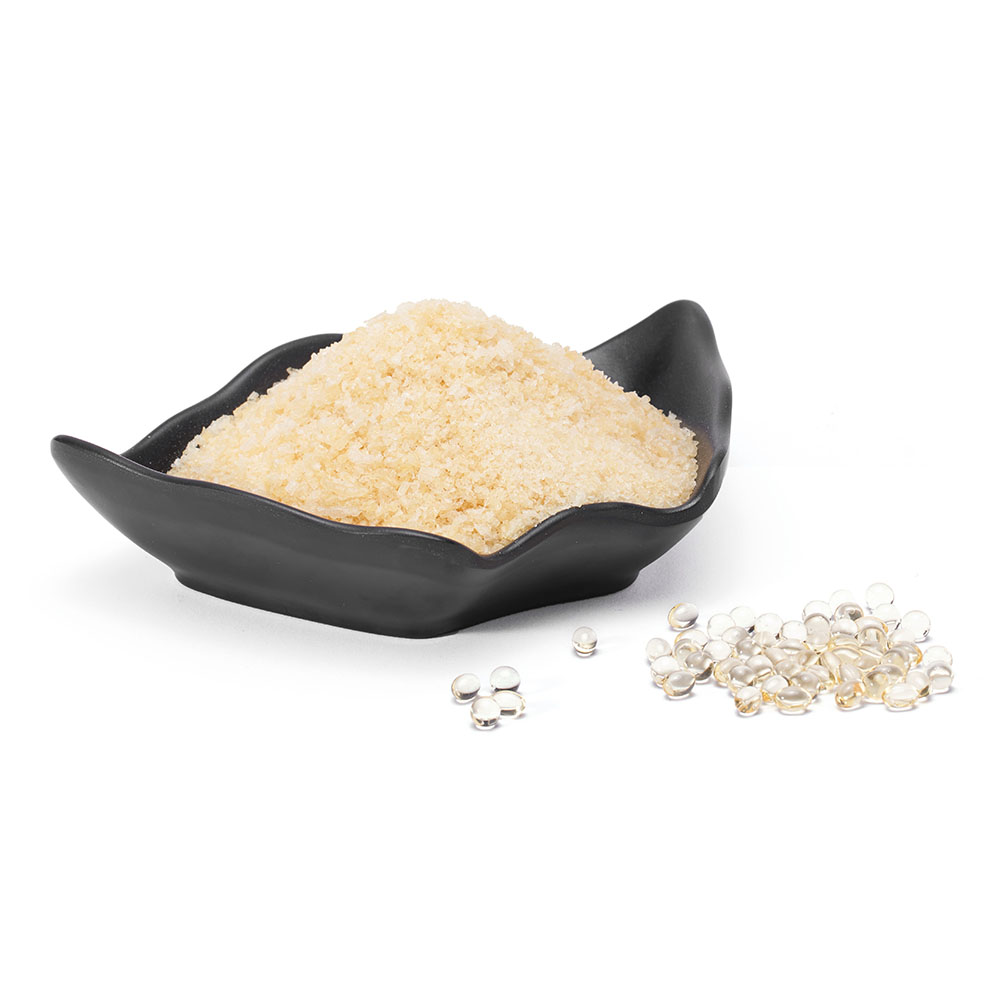
Gelatin is a protein derived primarily from animal collagen, extracted from the bones, skin, and connective tissues of cattle and pigs. It is widely used in food, pharmaceuticals, and technical industries due to its unique gelling, thickening, stabilizing, and emulsifying properties.
Key points to understand about gelatin include:
- Sources: Bovine, porcine, and sometimes fish-derived gelatin, depending on industrial and dietary requirements.
- Forms: Powder, sheets, or granules, suitable for different processing methods.
- Functional Properties: Gel strength (Bloom), viscosity, and melting point are critical parameters for manufacturers.
- Applications: Confectionery (gummies, marshmallows), dairy (yogurts, desserts), pharmaceutical capsules, photographic films, and cosmetic products.
Choosing the right gelatin type and grade is essential for achieving desired textures, stability, and processing performance.
Why Selecting the Right Supplier Matters
Industrial procurement of gelatin is not merely a transactional decision—it has far-reaching implications:
- Consistency in Quality: Variations in Bloom strength or viscosity can compromise product texture or functionality.
- Supply Reliability: Delays in shipment can disrupt continuous production cycles, particularly for large-scale factories.
- Technical Support: Knowledgeable suppliers can provide guidance on usage, storage, and processing.
- Cost Efficiency: Competitive pricing without compromising quality ensures sustainable operations.
We’ve collaborated with multiple manufacturing facilities across Libya and seen how reliable sourcing from MT Royal enhances production stability and reduces waste.
Common Mistakes in Industrial Gelatin Procurement
Even experienced procurement teams can encounter pitfalls when sourcing gelatin:
- Ignoring Bloom Strength Specifications: Using gelatin with inappropriate gel strength affects product firmness and texture.
- Overlooking Source Requirements: Religious or dietary considerations (halal/ kosher) must align with end-user expectations.
- Neglecting Storage Conditions: Gelatin is hygroscopic; improper storage leads to clumping or reduced gelling properties.
- Focusing Only on Price: Low-cost suppliers may compromise quality, leading to operational inefficiencies.
Avoiding these mistakes requires thorough supplier evaluation, including quality testing, certification verification, and logistical assessment.
Industrial Considerations for Large-Scale Production
For factories operating on a commercial scale, several factors are essential:
- Bulk Ordering: Ensure the supplier can deliver large volumes consistently. MT Royal specializes in meeting bulk requirements without compromising delivery timelines.
- Quality Assurance: Batch testing for Bloom strength, moisture content, and microbial safety is essential.
- Processing Compatibility: Gelatin type and grade must match industrial equipment requirements, such as mixers, extruders, or encapsulation lines.
- Storage Infrastructure: Maintain controlled temperature and humidity to preserve gelatin functionality.
Proper attention to these operational details ensures consistent product quality, reduces waste, and enhances overall production efficiency.

Comparing Gelatin Grades and Suppliers
When evaluating suppliers, consider the following criteria:
| Criteria | Ideal Characteristics | Notes |
|---|---|---|
| Bloom Strength | Matches application requirements | Higher Bloom for firmer textures; lower Bloom for softer gels |
| Source & Certification | Halal, Kosher, Bovine, Porcine, Fish | Compliance with dietary laws and market needs |
| Product Forms | Powder, sheets, granules | Flexibility for different industrial processes |
| Supply Reliability | On-time delivery, consistent availability | Prevents production delays |
| Price & Terms | Competitive rates, flexible payment options | Critical for large-scale operations |
| Technical Support | Usage guidance, troubleshooting, storage recommendations | Adds operational value |
Factories partnering with MT Royal benefit from reliable supply, expert advice, and access to multiple gelatin grades suited for diverse industrial applications.
Frequently Asked Questions by Factory Managers
1. How do I select the right Bloom strength for my product?
Soft gummies may require 150–200 Bloom, while firmer jelly products need 220–260 Bloom. Match Bloom to final texture requirements.
2. Can gelatin be replaced with alternatives?
Plant-based alternatives like agar or pectin exist but behave differently in gelling, viscosity, and melting properties. Traditional gelatin remains the industry standard for many applications.
3. How should gelatin be stored in industrial settings?
Store in a cool, dry environment, away from direct sunlight, with sealed packaging to prevent moisture uptake and degradation.
4. Are there specialty gelatin types for pharmaceuticals?
Yes. Suppliers like MT Royal provide capsule-grade, pharmaceutical-quality gelatin meeting USP/FCC standards for medical applications.
Real-World Insights and Anecdotes
In our experience supplying factories in Libya, we’ve seen common operational challenges:
- A confectionery manufacturer initially sourced inconsistent gelatin, resulting in varying gummy firmness. Switching to a reliable supplier with controlled Bloom strength resolved the issue and improved product uniformity.
- Dairy plants using gelatin for yogurts and desserts benefited from grades with optimized viscosity, enhancing product stability and reducing syneresis.
These examples illustrate that selecting the right supplier directly influences operational efficiency, product quality, and customer satisfaction.
Advanced Tips for Industrial Efficiency
- Automated Handling: Ensure gelatin powder or sheets are compatible with dosing and mixing equipment.
- Batch Traceability: Maintain records for quality control audits and regulatory compliance.
- Supplier Communication: Share production forecasts to ensure timely bulk supply.
- Regular Quality Checks: Monitor Bloom strength and moisture to prevent production inconsistencies.
Implementing these practices enhances operational reliability, improves product performance, and strengthens supplier relationships.
Conclusion
Choosing a gelatin supplier in Libya is more than a purchase—it’s a strategic move influencing product quality, operational efficiency, and profitability. By understanding gelatin properties, avoiding common procurement pitfalls, and collaborating with a trusted partner like MT Royal, manufacturers can ensure consistent high-quality gelatin, seamless production processes, and competitive advantage in their respective markets. Thoughtful sourcing combined with industry expertise allows your factory to maintain excellence in every batch and meet customer expectations consistently.


No comment