

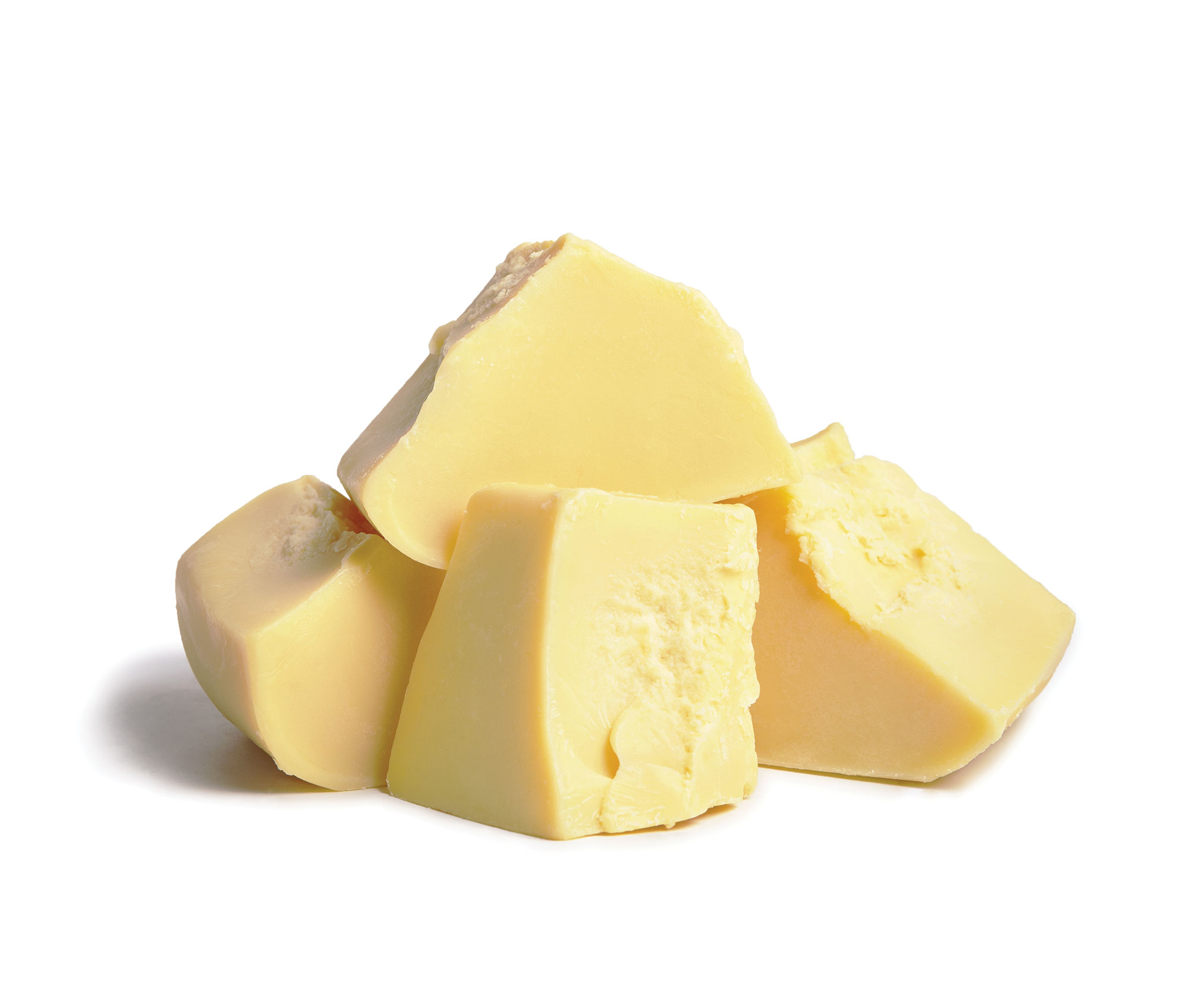
Imagine overseeing a chocolate production line, where every ingredient—from cocoa solids to emulsifiers—must perform flawlessly. Among these, cocoa butter plays a pivotal role. Its melting properties, stability, and flavor-carrying capacity make it essential in chocolate, confectionery, bakery, cosmetic, and pharmaceutical applications.
For manufacturers seeking reliability, sourcing from a trusted cocoa butter supplier in Tunisia has become an increasingly strategic decision. Tunisia offers geographical advantage, competitive pricing, and a growing reputation for high-quality cocoa derivatives.
At MT Royal, we’ve worked with production facilities worldwide and understand that selecting the right supplier is more than a transaction—it’s about ensuring consistent product quality, minimizing downtime, and supporting large-scale production demands. In this guide, we’ll explore everything a factory manager or procurement officer needs to know about sourcing cocoa butter from Tunisia, including quality tiers, industrial applications, pitfalls, actionable advice, and premium brand comparisons with Latamarko.
What Is Cocoa Butter?
Fundamentals and Production
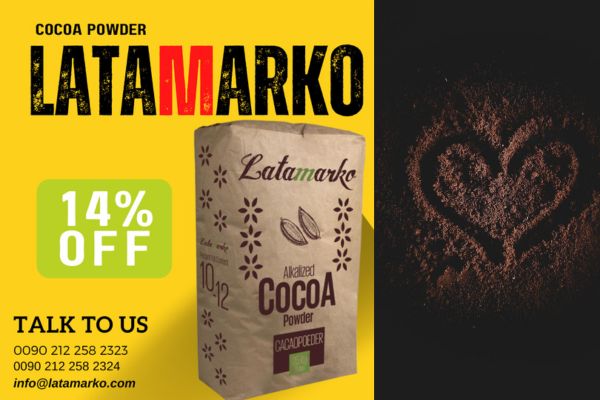
Cocoa butter is the fat extracted from cocoa beans, representing 50–55% of the bean’s weight. It is a pale-yellow, odorless, and tasteless fat, prized for its melting characteristics and smooth texture. Industrial cocoa butter is usually processed using one of two methods:
- Hydraulic Pressing: Cocoa beans are roasted, cracked, and pressed to separate cocoa solids from cocoa butter.
- Solvent Extraction: Used for high-volume production, ensuring maximum fat recovery.
Key industrial parameters include:
- Melting point: 33–36°C, critical for chocolate molding
- Free fatty acids (FFA): Low FFA ensures longer shelf-life
- Color: Light yellow with consistent appearance
- Purity: Minimal contamination from other fats or additives
Applications in Manufacturing
Cocoa butter is versatile, used in:
- Chocolate and confectionery production: For texture, snap, and gloss
- Bakery products: Stabilizing fillings and coatings
- Cosmetics: Lotions, creams, and lip balms due to emollient properties
- Pharmaceuticals: Capsules and topical formulations
High-quality cocoa butter ensures reliable melting, uniform mixing, and a stable end product, making it indispensable for industrial manufacturers.
Why Tunisia Is a Strategic Source for Cocoa Butter
Geographical Advantage
Tunisia’s location at the crossroads of Europe, Africa, and the Middle East offers efficient shipping routes. Major ports, including Tunis, Sfax, and Gabès, facilitate bulk export, enabling manufacturers to maintain a steady supply chain.
Competitive Cost Structure
Compared to Western Europe, Tunisian suppliers often provide cost-effective solutions without sacrificing quality, making it ideal for factories managing large-scale production budgets.
Quality Assurance and Experience
Tunisian cocoa butter suppliers adhere to:
- ISO 22000 and HACCP standards
- Controlled storage and handling for fat-sensitive products
- Batch testing to ensure consistent melting point and FFA levels
At MT Royal, we collaborate closely with these suppliers to ensure that industrial clients receive consistent, high-purity cocoa butter suitable for both standard and premium product lines.
Flexibility in Bulk Supply
Suppliers in Tunisia often provide custom specifications for fat content, moisture levels, and packaging options, critical for production facilities with specialized processing equipment or product formulations.
Benefits of High-Quality Cocoa Butter for Industrial Production
1. Consistency Across Batches
For chocolate manufacturers, uniformity in melting point and fat composition prevents problems like blooming, uneven texture, or production stoppages.
2. Cost-Efficiency
Reliable bulk supply allows production scaling without compromising quality, reducing scrap and wastage.
3. Versatility in Product Formulation
Cocoa butter blends seamlessly with chocolate liquor, emulsifiers, and flavorings, offering flexibility for confectionery, bakery, and cosmetic applications.
4. Extended Shelf Life
Low FFA cocoa butter improves stability of chocolate and finished products, reducing the risk of rancidity and spoilage.
5. Premium Product Differentiation
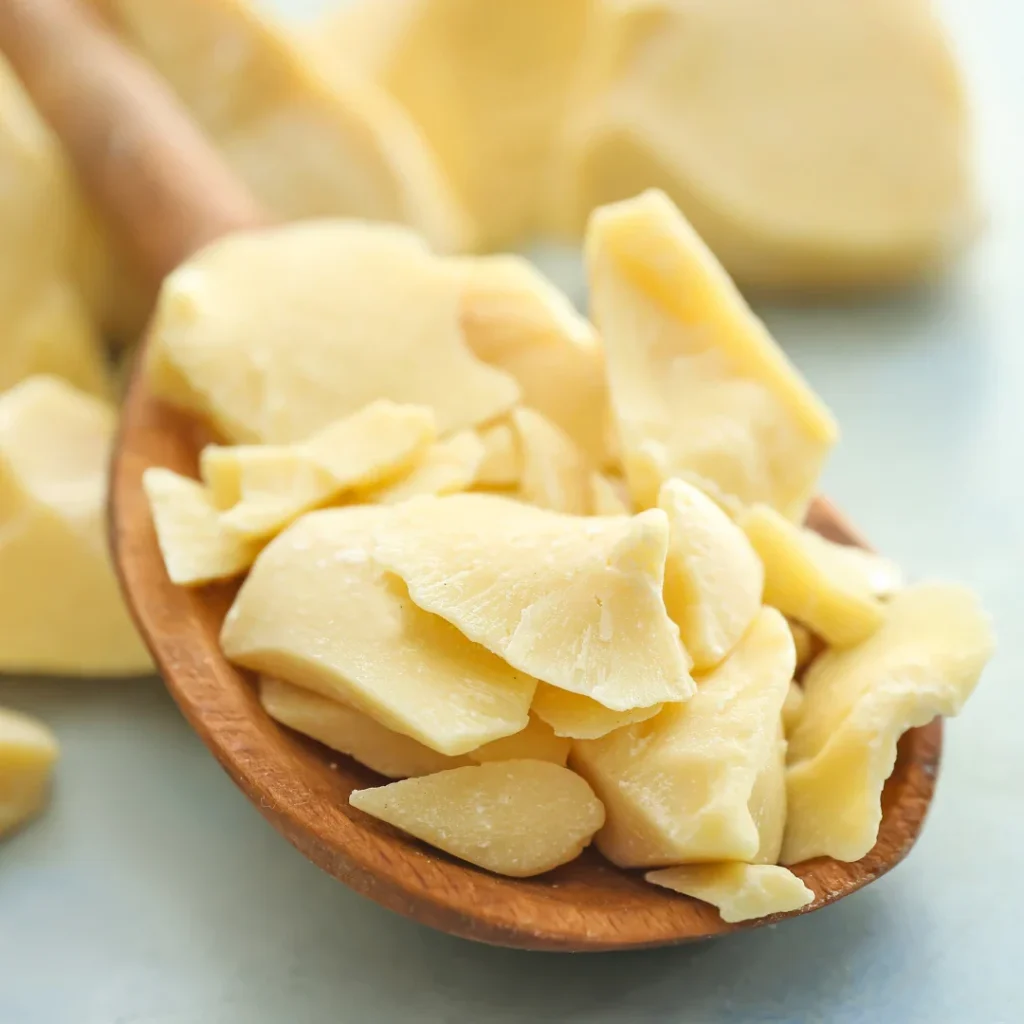
Using high-quality cocoa butter, including European brands like Latamarko, can enhance premium product lines while maintaining operational reliability.
Common Pitfalls in Industrial Procurement
Even experienced procurement officers can face hidden challenges when sourcing cocoa butter. Common pitfalls include:
1. Prioritizing Price Over Quality
Cocoa butter with low purity or high FFA can cause production inconsistencies, poor texture, and shorter shelf-life.
2. Neglecting Supplier Verification
Unverified suppliers may fail to meet regulatory standards, traceability requirements, or certification expectations, impacting both domestic and export production.
3. Ignoring Storage and Handling
Cocoa butter is sensitive to heat, light, and moisture. Improper storage can lead to oxidation, discoloration, or contamination.
4. Overlooking Logistics and Lead Times
Bulk shipments require planning; port congestion, customs procedures, and shipping schedules can disrupt just-in-time manufacturing lines.
Step-by-Step Procurement Guide for Factory Managers
Step 1: Define Material Specifications
Determine:
- Fat content (ideal 99–100% pure)
- Free fatty acid levels (<1%)
- Color consistency
- Packaging and bulk handling requirements
Step 2: Identify and Vet Suppliers
- Review certifications (ISO 22000, HACCP, Organic, Fair Trade if needed)
- Audit production and storage facilities
- Verify reputation, reliability, and previous industrial clients
Step 3: Pilot Testing
- Conduct small-batch trials in your production line to ensure compatibility with mixers, tempering machines, and molds
- Assess melting behavior, mixing, and flavor transfer
Step 4: Calculate Total Landed Cost
Include:
- FOB price and freight
- Customs duties
- Storage, handling, and buffer stock costs
- Quality assurance and testing fees
Sometimes, slightly higher unit cost with Latamarko or other premium brands is justified by reduced downtime and higher product quality.
Step 5: Establish Inventory Buffers
- Maintain 4–6 weeks of stock to prevent interruptions
- Store in temperature- and humidity-controlled warehouses
Step 6: Monitor Supplier KPIs
- Shipment timeliness
- Batch consistency
- Production impact metrics: downtime, scrap, and rework
Industry-Specific Considerations for Large-Scale Production
- Temperature Control: Cocoa butter melts easily at ambient temperatures above 30°C. Maintaining cool storage prevents premature melting.
- Flow and Conveyance: Industrial systems like silos and hoppers must be designed to handle cocoa butter without blockages.
- Supply Chain Resilience: Dual sourcing (Tunisia + European premium) reduces risks of supply disruption.
- Quality Segmentation: Standard Tunisian bulk for mass production, Latamarko for premium lines.
Real-World Example: Cocoa Butter Supply Optimization
A Tunisian chocolate manufacturer faced production stoppages due to inconsistent melting points from an unverified supplier. MT Royal recommended:
- Supplier audit
- Batch testing protocol
- Dual-supplier strategy (Tunisia for standard production, Latamarko for high-end products)
- Inventory buffer system
Result: 20% reduction in downtime, improved product quality, and smoother scaling for export markets.
Comparison Table: Tunisian Bulk vs European Premium Cocoa Butter
| Feature | Tunisian Bulk Cocoa Butter | Premium European (Latamarko) |
|---|---|---|
| Cost | Lower | Higher |
| Purity | 99% | 99–100% |
| Free Fatty Acids | <1% | <0.7% |
| Melting Point Consistency | Moderate | Tight tolerances |
| Lead Time | Moderate | Predictable |
| Ideal Use | Standard production | Premium chocolate, cosmetics, pharma |
| Downtime Risk | Moderate | Low |
Frequently Asked Questions (FAQ)
Q1: What is the difference between Tunisian cocoa butter and European brands like Latamarko?
A1: Tunisian bulk is cost-effective for large-scale production, while European brands offer tighter specifications, consistent color, and premium quality.
Q2: How should cocoa butter be stored in industrial environments?
A2: Cool, dry, low-humidity warehouses; avoid direct sunlight and sealed in proper containers or silos.
Q3: Can Tunisian cocoa butter replace European cocoa butter 1:1?
A3: Yes, for standard production lines, but premium applications may require tighter melting and FFA specifications.
Q4: Why partner with MT Royal for sourcing?
A4: We provide industrial-grade quality control, multi-brand options, bulk supply solutions, and competitive pricing, ensuring production reliability.
Q5: What certifications should industrial buyers verify?
A5: ISO 22000, HACCP, Organic or Fair Trade (if required for export markets), and traceability documentation.
Conclusion
Sourcing cocoa butter from Tunisia is a strategic move for manufacturers seeking cost-efficiency, quality, and operational reliability. With the right supplier, batch verification, and storage practices, factories can achieve consistent chocolate quality, smooth production lines, and premium product differentiation.
In our experience at MT Royal, the optimal approach combines Tunisian bulk for large-scale cost-sensitive production with Latamarko or similar European brands for high-end applications, ensuring both operational efficiency and consumer-grade quality.
By prioritizing supplier verification, material specifications, and inventory strategy, you secure not just cocoa butter, but reliability, market credibility, and long-term operational success. After all, in industrial manufacturing, every gram of cocoa butter counts toward profitability and excellence.
latamarko alkalized cocoa powder lm60
cocoa powder for chocolate production-Best price
Food industry raw materials – list of products
Types of Gelatin from Turkish Manufacturer
Alkalized Cocoa Powder Bulk Supplier



No comment