

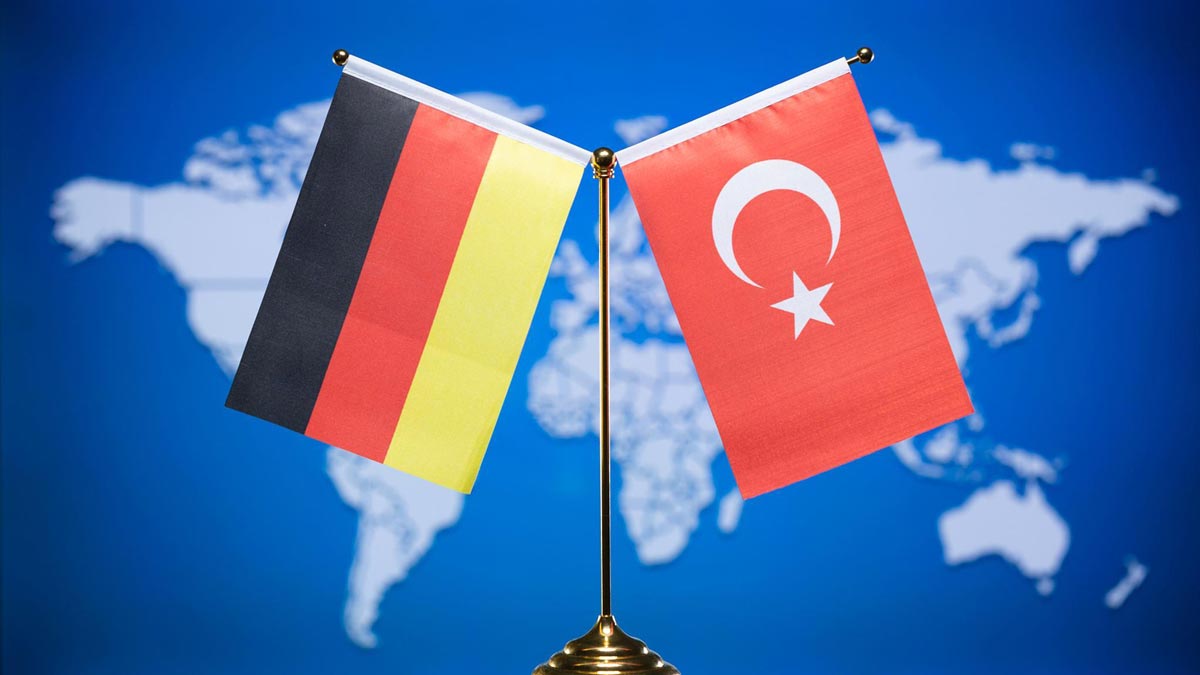
Germany’s manufacturing sector is known for its precision, quality, and efficiency. To maintain a competitive edge in industries ranging from automotive to food production, German companies rely heavily on a steady supply of high-quality raw materials. Türkiye, with its diverse industrial base, strategic geographic location, and competitive pricing, has become a crucial partner for sourcing metals, chemicals, textiles, agricultural products, and more. However, importing raw materials from Türkiye requires more than just placing an order—it demands careful planning, regulatory understanding, logistics optimization, and reliable supplier relationships.
At MT Royal, we have years of experience helping manufacturers across Europe source raw materials from Türkiye efficiently. We understand the challenges German companies face—from navigating customs regulations and tariff structures to ensuring timely delivery without compromising quality. In this guide, we provide a comprehensive roadmap to importing raw materials from Türkiye efficiently, sharing practical insights, industrial best practices, and strategic tips that help your business maintain supply chain reliability while optimizing costs. By the end of this article, you will have a clear understanding of how to streamline your sourcing operations and leverage Türkiye as a strategic supplier.
Understanding the Importance of Raw Material Sourcing
Raw materials form the backbone of any manufacturing operation. The quality, consistency, and reliability of your supply chain directly influence product performance, production efficiency, and ultimately, customer satisfaction. For German companies, sourcing from Türkiye offers several advantages:
- Competitive Pricing: Türkiye’s cost-effective production allows companies to manage procurement budgets without sacrificing quality.
- Proximity and Logistics: Geographic proximity to Europe reduces shipping times and transportation costs compared to suppliers in Asia or the Americas.
- Diverse Product Range: From high-grade metals and chemicals to textiles and agricultural inputs, Türkiye offers an extensive portfolio suitable for multiple industries.
- Regulatory Alignment: Türkiye’s compliance with international standards such as ISO and CE ensures raw materials meet stringent European requirements.
Choosing the right supplier is not just about price—it’s about reliability, product quality, and the ability to support your operational goals.
latamarko alkalized cocoa powder lm60
cocoa powder for chocolate production-Best price
Food industry raw materials – list of products
Types of Gelatin from Turkish Manufacturer
Alkalized Cocoa Powder Bulk Supplier
Common Mistakes German Companies Make When Importing from Türkiye
Many manufacturers underestimate the complexities of cross-border procurement. Avoiding these common mistakes can save time, money, and operational headaches:
- Inadequate Supplier Verification: Failing to assess supplier credibility, certifications, and production capacity often leads to delays or substandard materials.
- Ignoring Regulatory Compliance: Each material may require specific documentation, certifications, or testing. Overlooking compliance can result in customs holds or fines.
- Poor Logistics Planning: Not considering shipping modes, port efficiency, and local transportation infrastructure can extend lead times and increase costs.
- Lack of Contractual Clarity: Ambiguous terms regarding quality, delivery, and payment can lead to disputes and interrupted supply chains.
We at MT Royal have seen firsthand how German companies that engage early with trusted suppliers and implement robust procurement strategies avoid these pitfalls and maintain smooth operations.
Step-by-Step Guide to Importing Raw Materials from Türkiye
1. Identify and Qualify Suppliers
The first step in efficient sourcing is finding reliable suppliers. Evaluate potential partners based on:
- Production Capacity: Can the supplier meet your volume requirements consistently?
- Certifications: ISO, CE, or sector-specific certifications are critical for quality assurance.
- Reputation: Customer reviews, industry references, and long-term market presence signal reliability.
MT Royal connects German manufacturers with verified suppliers in Türkiye, ensuring a balance between cost and quality.
2. Understand Regulatory Requirements
Before shipping, familiarize yourself with:
- Customs Documentation: Commercial invoice, packing list, bill of lading, and certificate of origin.
- Tariffs and Duties: HS codes and tariff classifications determine applicable import duties.
- Product-Specific Standards: Some chemicals, metals, or food ingredients require additional certifications for safety and compliance.
3. Optimize Logistics and Transportation
Efficient shipping involves:
- Selecting the Right Mode: Sea freight for bulk materials, air freight for urgent or high-value goods.
- Port Considerations: Major Turkish ports like Istanbul, Izmir, and Mersin offer different capacities and transit efficiencies.
- Local Transportation: Ensure timely inland delivery from the port to your manufacturing facility in Germany.
4. Negotiate Contracts and Terms
A well-structured contract reduces risk:
- Quality and Specification Clauses: Clearly define material standards and testing protocols.
- Delivery Terms: Include Incoterms (EXW, FOB, CIF) to clarify responsibilities and costs.
- Payment Terms: Balance supplier security with your cash flow needs.
5. Monitor and Manage Supply Chain Risk
Risk management is essential for uninterrupted production:
- Diversify Suppliers: Avoid dependency on a single source.
- Track Shipments: Use digital tools to monitor transit progress and anticipate delays.
- Maintain Buffer Stocks: Safety stock reduces the impact of supply chain disruptions.
Industrial Tips for Large-Scale Imports
- Batch Testing: Conduct random quality checks before full shipment acceptance.
- Forecast Demand Accurately: Align orders with production cycles to prevent overstocking or shortages.
- Streamline Documentation: Maintain digital records of all certificates, invoices, and shipping documents.
- Leverage Forward Contracts: Lock in prices for raw materials to protect against market volatility.
- Engage Customs Brokers: Professionals help navigate complex import regulations and reduce clearance times.

Frequently Asked Questions by German Manufacturers
Q1: How long does shipping from Türkiye to Germany typically take?
Transit times vary: sea freight averages 10–20 days, while air freight can be 1–5 days depending on ports and routes.
Q2: Are Turkish raw materials compliant with EU standards?
Yes, reputable Turkish suppliers adhere to ISO, CE, and other relevant standards required for import into Germany.
Q3: How can MT Royal assist in sourcing from Türkiye?
We provide verified supplier networks, quality assurance, logistics support, and guidance through regulatory compliance, ensuring efficient and secure procurement.
Q4: What are the common challenges in importing from Türkiye?
Challenges include customs delays, fluctuating shipping costs, and miscommunication with suppliers. Strategic planning and experienced intermediaries mitigate these risks.
Comparing Suppliers: Key Factors for Decision-Making
| Factor | Importance for German Manufacturers | Tips for Evaluation |
|---|---|---|
| Production Capacity | High | Request annual output data and references |
| Certification & Compliance | Critical | Verify ISO/CE and industry-specific certificates |
| Reliability & Reputation | Very High | Check client testimonials and long-term market presence |
| Pricing & Payment Terms | Medium | Compare multiple suppliers; clarify all cost components |
| Logistics Support | High | Assess ability to coordinate shipping, customs, and delivery |
Long-Term Strategies for Efficient Imports
- Build Strong Supplier Relationships: Frequent communication and joint planning ensure consistency and reliability.
- Invest in Supply Chain Visibility: Digital platforms allow real-time tracking of shipments and inventory.
- Leverage Bulk Orders: Economies of scale reduce per-unit costs, especially for high-volume raw materials.
- Regularly Audit Suppliers: Periodic site visits and audits maintain quality and compliance standards.
- Stay Updated on Trade Policies: Tariff changes, customs regulations, and international agreements directly affect cost and timelines.
By implementing these strategies, German companies can not only reduce procurement costs but also enhance overall operational efficiency and supply chain resilience.
Conclusion
Efficiently importing raw materials from Türkiye is a strategic advantage for German manufacturers. By selecting reliable suppliers, understanding regulatory requirements, optimizing logistics, and implementing risk management strategies, companies can ensure consistent quality, timely delivery, and cost-effective operations. MT Royal serves as a trusted partner in this journey, providing verified supplier networks, guidance on compliance, and comprehensive logistics support. We have witnessed how German manufacturers achieve operational excellence and sustainable growth when leveraging strategic sourcing from Türkiye. Your sourcing decisions today directly shape the efficiency, competitiveness, and long-term success of your production operations tomorrow.


No comment