

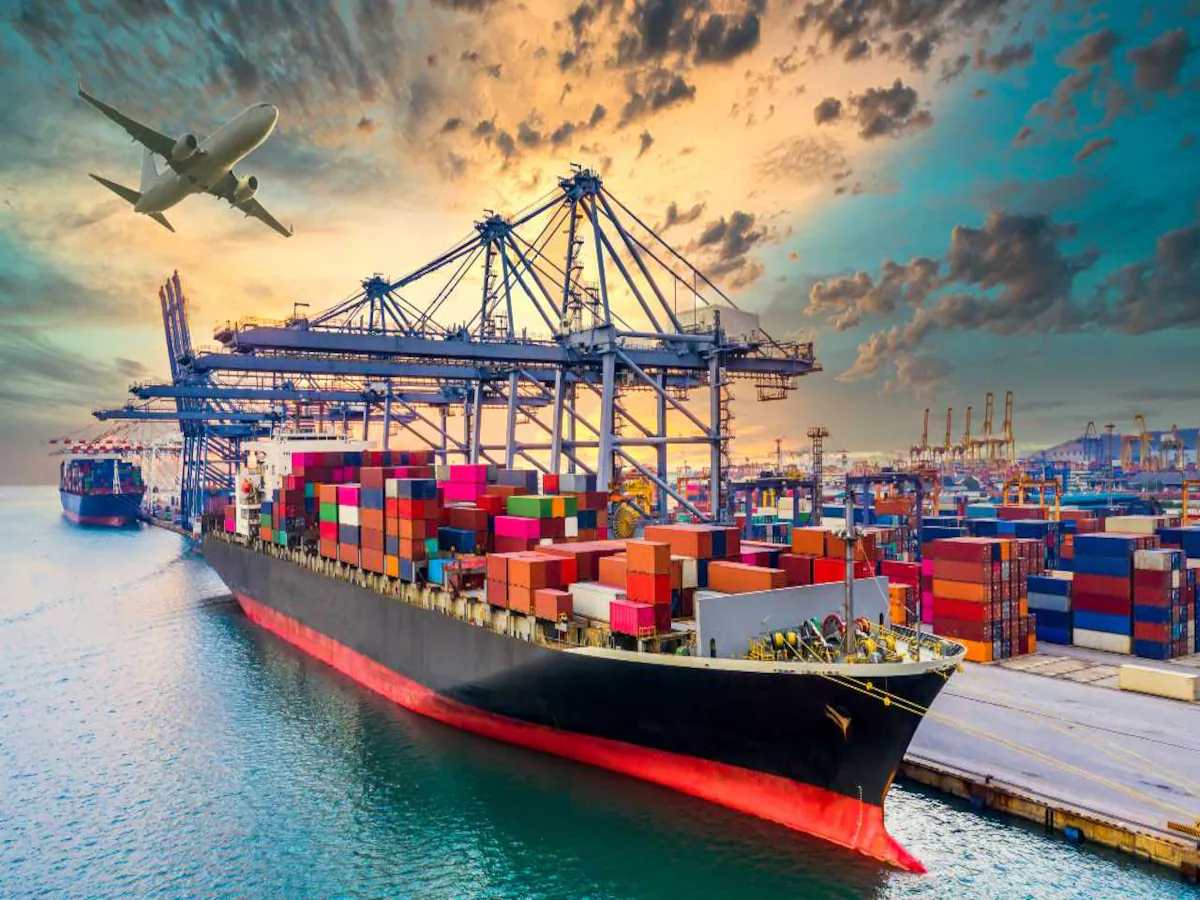
In today’s highly competitive manufacturing landscape, Indian factories are under constant pressure to secure raw materials that are not only cost-effective, but also reliable in quality, stable in supply, and flexible in volume. As procurement managers reassess traditional sourcing hubs, Türkiye has emerged as a strategic alternative—offering industrial-grade raw materials, strong logistics connectivity, and competitive pricing without compromising standards.
This is where experienced international suppliers like MT Royal play a critical role. Over the years, we have seen how Indian manufacturers—from food processing plants to chemical and personal care producers—benefit significantly when Turkish-origin raw materials are sourced through structured, transparent, and professionally managed channels. This guide is designed to walk you through that process step by step, eliminating uncertainty and helping your factory make informed sourcing decisions.
Understanding the Strategic Value of Importing Raw Materials from Türkiye
Türkiye occupies a unique position in the global supply chain. Bridging Europe, Asia, and the Middle East, it combines European-level production standards with cost structures closer to emerging markets. For Indian companies, this creates a powerful sourcing advantage.
Turkish manufacturers are deeply integrated into international trade frameworks, exporting raw materials such as vegetable oils, cocoa derivatives, food additives, oleochemicals, polymers, and industrial ingredients to over 150 countries. Many facilities operate under ISO, HACCP, GMP, and EU compliance systems, making them suitable for regulated Indian industries.
From our direct collaboration with multiple factories, we have observed that Turkish suppliers are particularly strong in batch consistency, customized specifications, and medium-to-large volume scalability, which are essential for uninterrupted production in India.
Key Raw Materials Commonly Imported from Türkiye to India
Before initiating the import process, it is important to understand which product categories offer the strongest value proposition.
Industrial Food Ingredients
Türkiye is a major exporter of cocoa butter equivalents, cocoa butter substitutes, vegetable fats, starch derivatives, emulsifiers, and plant proteins. These are widely used by Indian confectionery, bakery, dairy-alternative, and processed food manufacturers.
Oleochemicals and Specialty Oils
Palm fractions, sunflower derivatives, specialty fats, and functional oils from Türkiye are increasingly used in cosmetics, personal care, pharmaceuticals, and industrial lubricants.
Chemical and Functional Additives
Surfactants, stabilizers, antioxidants, and processing aids produced in Türkiye often meet both EU and international compliance standards, making regulatory alignment smoother for Indian importers.
By working with a consolidated supplier like MT Royal, Indian buyers gain access to multiple Turkish brands through a single procurement channel, reducing administrative and logistical complexity.
Step 1: Define Your Industrial Requirements with Precision
One of the most common mistakes in international sourcing is vague specification. Successful imports begin with clarity.
You should define:
- Technical specifications (purity, melting point, viscosity, fatty acid profile, etc.)
- Application use (food-grade, cosmetic-grade, industrial-grade)
- Monthly or annual volume requirements
- Packaging preferences (bulk, drums, bags, flexitanks)
- Shelf-life expectations and storage conditions
We have seen that factories that invest time at this stage avoid costly reformulations and production disruptions later. At MT Royal, we often help procurement teams translate production needs into supplier-ready technical documentation.
Step 2: Identify Reliable Turkish Suppliers or Consolidated Export Partners
While Türkiye has thousands of manufacturers, not all are export-ready or suitable for long-term industrial partnerships. This is where many Indian companies face challenges.
Direct factory sourcing may seem attractive on paper, but it often involves:
- Communication gaps
- Inconsistent export documentation
- Limited flexibility in payment or logistics
- Difficulty managing multiple suppliers
Working with an established exporter such as MT Royal mitigates these risks. We coordinate with vetted Turkish manufacturers, negotiate stable pricing, and ensure export readiness before any contract is finalized. This structure is especially valuable for Indian factories scaling production or diversifying suppliers.
Step 3: Verify Compliance, Certifications, and Documentation
Regulatory alignment is non-negotiable. Indian importers must ensure that Turkish raw materials comply with Indian standards such as FSSAI, BIS, or relevant industrial regulations.
Key documents typically include:
- Certificate of Analysis (COA)
- Material Safety Data Sheet (MSDS)
- Certificate of Origin
- Health or Phytosanitary Certificates (for food-related materials)
- Packing List and Commercial Invoice
From experience, documentation accuracy directly impacts customs clearance time. We have seen shipments delayed not because of quality issues, but due to minor paperwork inconsistencies. A professional export partner significantly reduces this risk.
Step 4: Understand Indian Import Regulations and HS Code Classification
Correct HS code classification determines applicable duties, GST, and import eligibility. Misclassification can lead to penalties or shipment holds.
Indian companies should:
- Confirm HS codes with customs consultants
- Check import policy status (free, restricted, or prohibited)
- Understand duty structures and exemptions
At MT Royal, we routinely align HS codes between Turkish exporters and Indian importers to ensure consistency across documents, minimizing clearance friction.
Step 5: Logistics Planning and Shipping Mode Selection
Türkiye offers flexible shipping options to India, including:
- Sea freight (FCL and LCL)
- Containerized bulk shipments
- Transit via major ports such as Mersin, Izmir, and Ambarlı
Sea freight remains the most economical option for industrial volumes. Transit times typically range from 18 to 30 days depending on route and port congestion.
Logistics planning should also consider:
- Incoterms (FOB, CIF, CFR)
- Insurance coverage
- Port handling capabilities in India
Factories that plan logistics early experience fewer production interruptions and better inventory control.
Step 6: Payment Terms and Risk Management
International trade requires careful financial structuring. Common payment methods include:
- Advance payment
- Letter of Credit (LC)
- Deferred payment terms for established partners
For Indian companies new to Turkish sourcing, a balanced approach is advisable. We have observed that long-term partnerships allow more flexible terms over time, especially when volumes increase and trust is established.
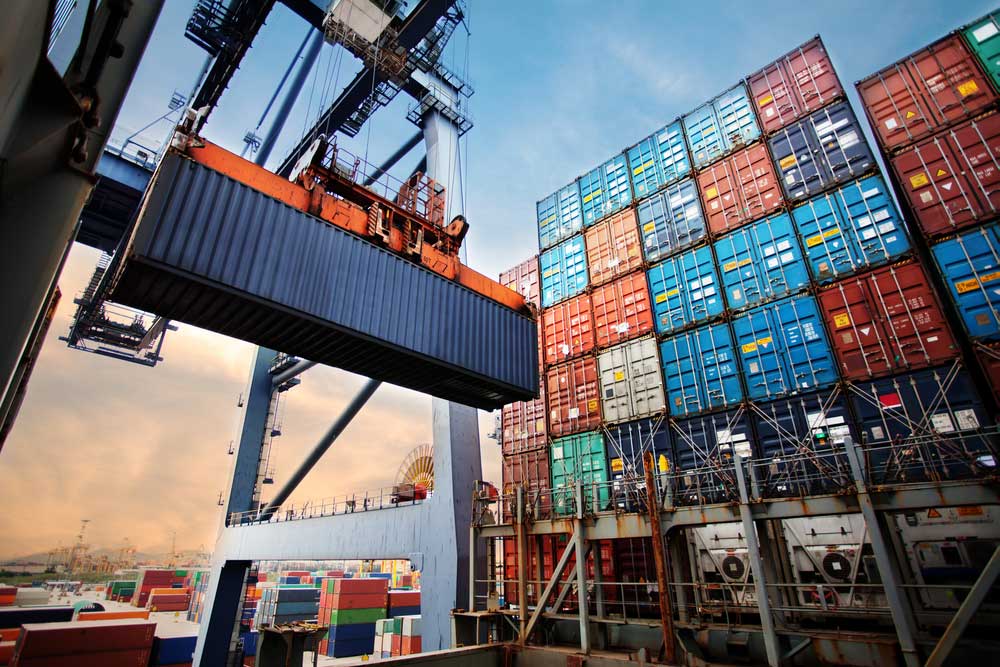
Common Mistakes Indian Companies Make When Importing from Türkiye
Even experienced procurement teams can fall into predictable traps:
- Choosing suppliers based solely on price
- Ignoring batch consistency and repeatability
- Underestimating documentation requirements
- Overlooking post-delivery technical support
International sourcing is not just a transaction—it is an operational extension of your factory. Treating it as such changes outcomes dramatically.
Special Considerations for Large-Scale Indian Manufacturers
High-volume producers face unique challenges:
- Multi-shipment coordination
- Long-term price stability
- Technical adaptation across multiple SKUs
In our work with large factories, we have seen the value of framework agreements and scheduled shipments. These structures protect production planning while reducing exposure to market volatility.
Frequently Asked Questions from Indian Procurement Managers
Is Türkiye a reliable long-term sourcing destination?
Yes. Turkish industry is export-driven and highly diversified, making it resilient and adaptable to global demand shifts.
Are Turkish raw materials accepted by Indian regulators?
In most cases, yes—provided documentation and compliance are properly managed.
Can Turkish suppliers handle customized specifications?
Many can, especially when coordinated through experienced export partners.
How can Indian factories reduce sourcing risk?
By working with consolidated suppliers who manage quality, logistics, and documentation holistically.
Why More Indian Companies Are Choosing Structured Import Models
The global supply chain no longer rewards fragmented sourcing. Indian manufacturers that adopt structured, professionally managed import models gain predictability, scalability, and strategic control.
At MT Royal, we have seen firsthand how the right sourcing framework transforms procurement from a cost center into a competitive advantage. When raw materials arrive on time, meet specifications, and support production goals, the entire operation benefits—from R&D to finished goods.
Türkiye is not just an alternative origin. For many Indian companies, it is becoming a core pillar of their international supply strategy.




No comment