

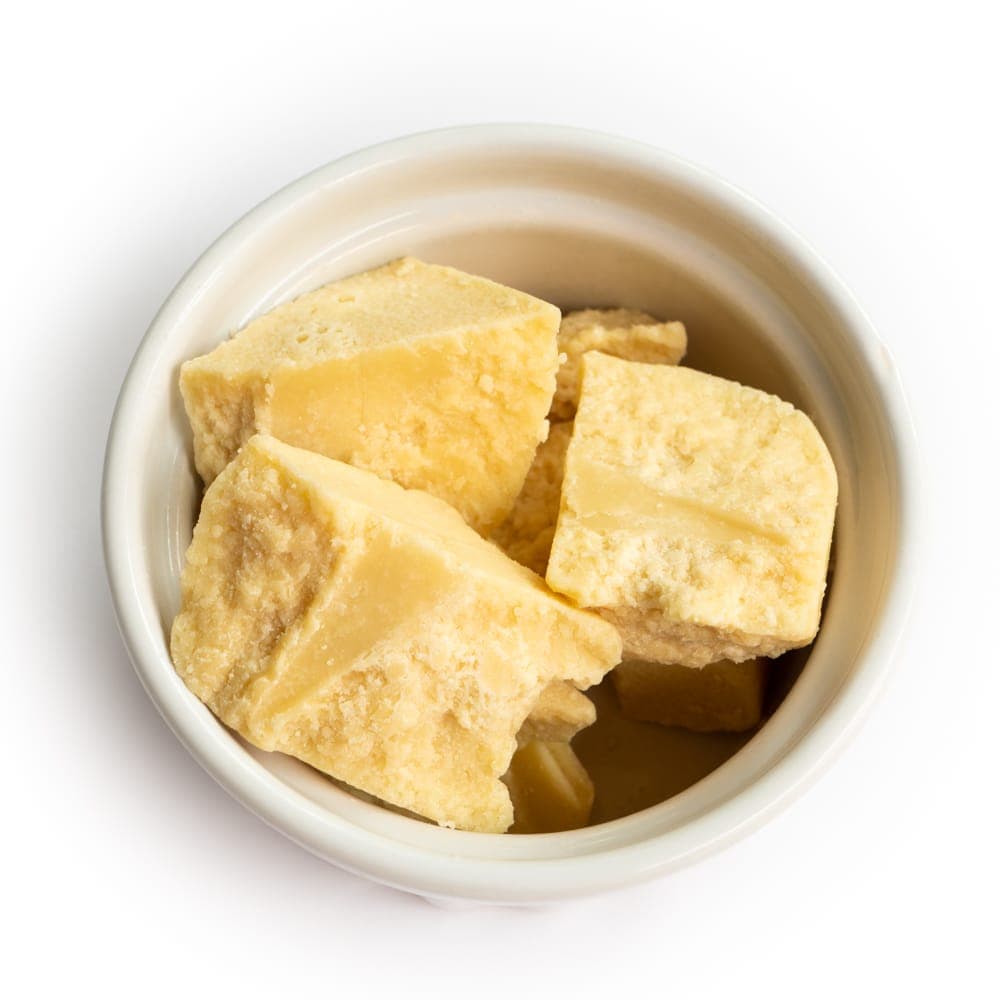
In the competitive world of chocolate and confectionery manufacturing, operational efficiency, cost management, and consistent product quality are paramount. Cocoa butter, the natural fat extracted from cocoa beans, is central to the texture, melting behavior, and mouthfeel of chocolate. However, fluctuating cocoa butter prices, supply limitations, and global demand spikes have prompted manufacturers to explore Cocoa Butter Replacers (CBR) as a viable alternative.
CBR allows production facilities to maintain quality while optimizing costs and ensuring supply chain reliability. At MT Royal, we provide a broad selection of cocoa butter replacers from trusted global suppliers, including premium European options like Latamarko, renowned for precision engineering and consistent quality.
In this article, we delve into the fundamentals, benefits, procurement strategies, and practical guidance on integrating CBR into large-scale chocolate production.
Understanding Cocoa Butter Replacers (CBR)
1. Definition and Composition
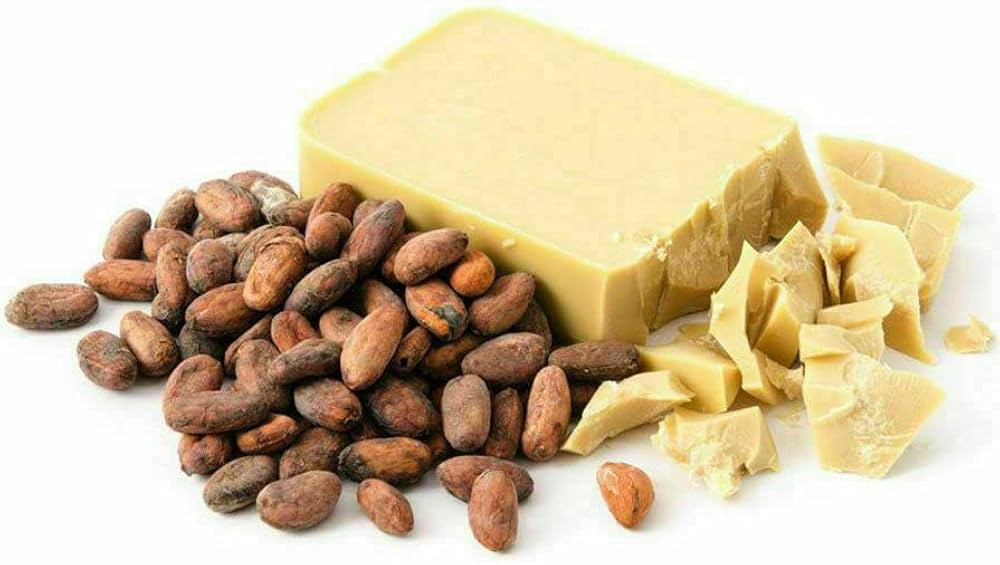
CBR is a fat ingredient designed to mimic the functional properties of cocoa butter while offering advantages in cost, stability, and availability. These replacers are typically derived from vegetable oils such as:
- Palm oil fractions
- Shea or illipe butter
- Kokum or mango kernel fats
CBR is formulated to have similar melting profiles, hardness, and crystallization characteristics as natural cocoa butter, ensuring smooth texture and consumer-pleasing sensory qualities.
2. Functional Differences Between CBR and Cocoa Butter
While CBR replicates many properties of cocoa butter, there are key differences to consider in industrial use:
- Melting Point Adjustments: Some CBRs have slightly higher or lower melting points, affecting mouthfeel.
- Polymorphic Behavior: The crystal structure may differ, requiring careful tempering in chocolate production.
- Flavor Neutrality: Premium CBRs are designed to avoid imparting off-flavors, preserving cocoa’s aroma.
Understanding these nuances allows production teams to select the appropriate CBR for specific applications, from enrobed chocolates to molded bars.
Benefits of Using CBR in Industrial Production
1. Cost Optimization
Cocoa butter prices are volatile due to climate, crop yield, and global demand. By partially replacing cocoa butter with CBR, manufacturers can:
- Reduce raw material costs per kilogram
- Stabilize budgeting and cost forecasting
- Minimize the impact of cocoa price fluctuations on profit margins
2. Consistent Supply
CBR provides a reliable alternative when cocoa butter availability is constrained, reducing the risk of production delays. This reliability is crucial for high-volume chocolate and confectionery manufacturers.
3. Processing Advantages
High-quality CBR is designed for industrial handling:
- Improved flow properties for molding and enrobing lines
- Reduced fat bloom risk in storage and transport
- Enhanced shelf-life stability in finished products
4. Regulatory and Quality Compliance
Premium CBRs, including those from Latamarko, are manufactured according to international standards, offering:
- Food-grade certifications (ISO, HACCP)
- Compliance with labeling and allergen requirements
- Traceability and batch documentation
Industrial Procurement Considerations
1. Supplier Reliability and Brand Selection
Selecting the right CBR supplier is critical. At MT Royal, we work with reputable global brands, ensuring:
- Consistent quality across shipments
- Technical support for large-scale production
- Competitive pricing without compromising functionality
European suppliers like Latamarko offer precision-engineered CBRs with predictable crystallization behavior, ideal for premium chocolate production.
2. Batch Consistency and Testing
Industrial chocolate production relies on exacting specifications. Key parameters to monitor include:
- Melting point and solid fat content (SFC)
- Free fatty acid content
- Oxidative stability for extended shelf life
Regular testing ensures that every batch performs consistently in automated production lines.
3. Storage and Handling Requirements
CBR is sensitive to temperature fluctuations and contamination. Best practices include:
- Storage at controlled temperatures (18–22°C)
- FIFO (First-In-First-Out) inventory management
- Dedicated storage areas to prevent cross-contamination
Pro Tips for Production Managers
- Partial Replacement Strategy: Many factories replace 10–30% of cocoa butter with CBR to balance cost savings and sensory quality.
- Optimized Tempering: Adjust tempering curves to accommodate any differences in melting and crystallization behavior.
- Compatibility Testing: Conduct pilot runs when switching suppliers or CBR formulations.
- Collaborate with Suppliers: Utilize technical guidance from MT Royal or Latamarko to fine-tune formulations for specific chocolate types.
- Shelf-Life Trials: Evaluate the effect of CBR on bloom, hardness, and overall product stability.
Real-World Industrial Applications
1. Chocolate Bars and Confectionery
Many industrial manufacturers incorporate CBR to maintain smooth texture, reduce fat bloom, and manage raw material costs while producing high-volume chocolate bars.
2. Coatings and Enrobing
CBR’s consistent melting properties make it ideal for chocolate coatings on biscuits, pralines, and confectionery centers, ensuring uniform coverage and glossy finish.
3. Specialty and Export Products
Premium CBRs allow manufacturers to create high-quality products for export markets without compromising taste or visual appeal, particularly when using European brands like Latamarko.
Comparison Table: Cocoa Butter vs. CBR
| Feature | Cocoa Butter | CBR | Industrial Implications |
|---|---|---|---|
| Source | Cocoa beans | Vegetable oils | Cost and availability optimization |
| Melting Profile | 34–38°C | 32–36°C (varies) | Requires adjusted tempering |
| Flavor Impact | Natural cocoa flavor | Neutral | Maintains taste with partial replacement |
| Bloom Risk | Medium | Lower | Improved storage stability |
| Cost | High | Lower | Predictable budgeting |
| Certification | Standard | ISO/HACCP/Food-grade | Compliance and traceability |
CBR Integration Strategies for Factories
- Pilot Testing: Start small to evaluate process adjustments.
- Recipe Adjustments: Fine-tune sugar, milk solids, and cocoa ratios for optimal taste.
- Temperature Control: Monitor tempering and cooling lines closely.
- Supplier Collaboration: Leverage MT Royal’s technical support and Latamarko’s premium guidance.
- Documentation: Maintain batch records for traceability and quality assurance.
Frequently Asked Questions (FAQ)
Q1: Can CBR fully replace cocoa butter?
For industrial purposes, full replacement is rare. Partial replacement (10–50%) optimizes cost without compromising quality.
Q2: Does CBR affect chocolate taste?
Premium CBRs are flavor-neutral, ensuring the original cocoa flavor is preserved.
Q3: How should CBR be stored?
Store in a cool, dry place away from strong odors; maintain temperature between 18–22°C.
Q4: Why choose Latamarko for premium applications?
Latamarko offers European-engineered CBR with consistent SFC, excellent flow, and minimal fat bloom—ideal for high-quality chocolates.
Q5: How do I integrate CBR into existing production lines?
Work with technical teams to adjust tempering, flow, and blending protocols; pilot small batches first.
Strategic Takeaways
CBR is not just a cost-saving substitute—it is a strategic tool for maintaining production consistency, managing volatility in raw material costs, and enabling innovation in chocolate and confectionery manufacturing. By partnering with reliable suppliers like MT Royal and exploring premium options such as Latamarko, industrial producers can safeguard quality, enhance operational efficiency, and meet the rising demand for reliable, high-quality chocolate products worldwide.
Incorporating CBR thoughtfully allows factories to balance economic, operational, and market pressures without sacrificing sensory excellence, demonstrating that innovation and efficiency can go hand in hand with quality and sustainability.
Import-Export Companies in Türkiye with 99% discount
Food industry raw materials – list of products

)
No comment