

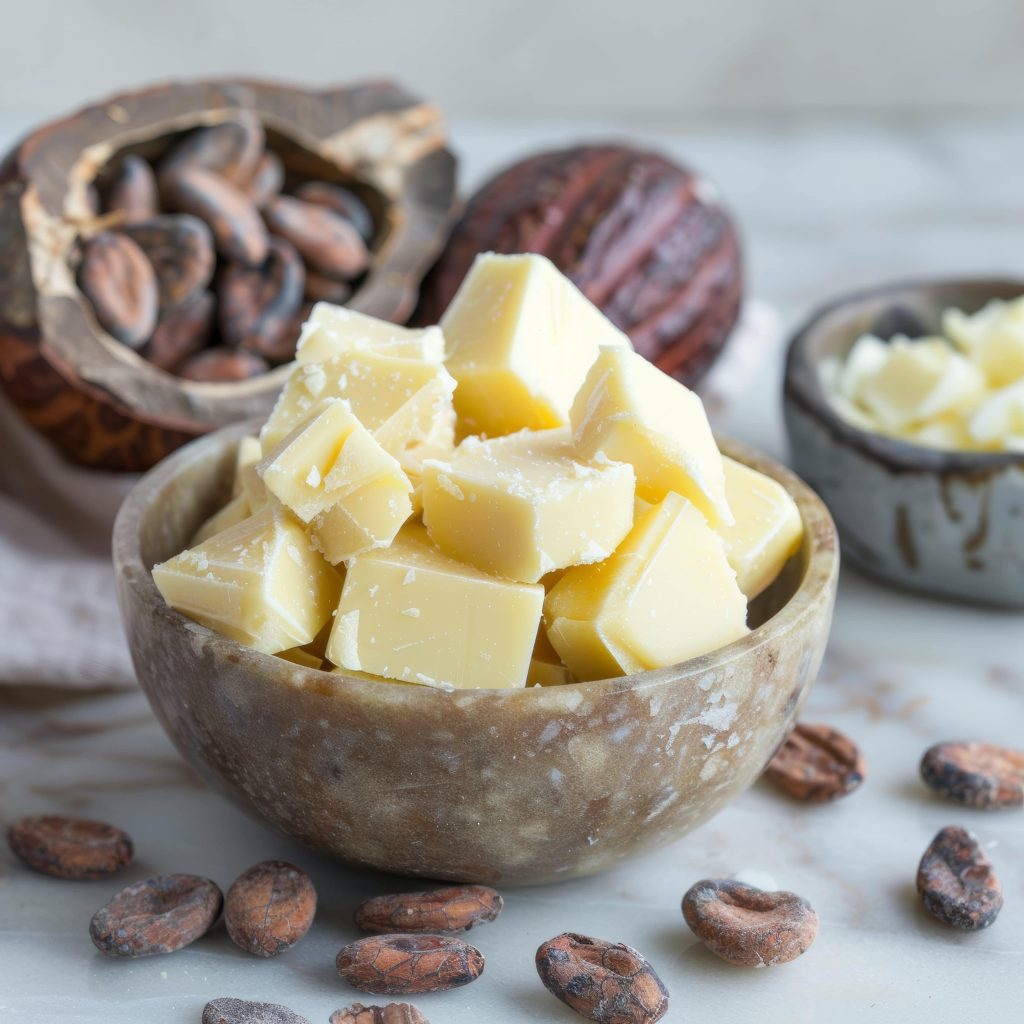
In the evolving world of industrial food and cosmetic production, cocoa butter substitutes are no longer just a cost-saving alternative—they are increasingly recognized for their health and functional benefits. From chocolate manufacturing to bakery fillings and skincare formulations, these substitutes provide production facilities with versatile, safe, and nutritionally optimized options.
At MT Royal, we supply manufacturers with a comprehensive range of cocoa butter substitutes, offering competitive pricing without compromising quality. In this article, we delve into the health benefits of cocoa butter substitutes, explore their industrial advantages, and provide actionable guidance for production managers and procurement professionals.
Health Benefits of Cocoa Butter Substitutes
Understanding the health advantages of cocoa butter substitutes is crucial for manufacturers producing foods or cosmetic products marketed to health-conscious consumers.
1. Lower Saturated Fat Profiles
Many substitutes, particularly palm olein and shea fractions, can be tailored to contain lower levels of saturated fats compared to traditional cocoa butter. Lower saturated fat content supports heart health and aligns with dietary guidelines, particularly for functional foods and nutraceutical products.
2. Rich in Beneficial Fatty Acids
Substitutes often contain healthy fatty acids, including:
- Oleic acid: Supports cardiovascular health and provides smooth mouthfeel in chocolate.
- Linoleic acid: An essential omega-6 fatty acid, beneficial for skin and metabolic function.
- Stearic acid: Neutral on blood cholesterol levels, making it a heart-friendly fat.
In our experience supplying manufacturing facilities, using carefully selected substitutes allows product lines to be reformulated with a healthier lipid profile without compromising texture or flavor.
3. Antioxidant Properties
Some plant-based substitutes retain bioactive compounds such as tocopherols and polyphenols, which act as antioxidants. These compounds contribute to shelf stability and potential health benefits for end consumers. For instance, premium European suppliers, including Latamarko, engineer blends with enhanced stability and trace antioxidants to maintain both health and production quality.
4. Allergen-Free Formulations
Cocoa butter substitutes can be formulated to reduce allergenic compounds, making products suitable for broader consumer segments. Shear, illipe, and certain palm fractions are naturally free from dairy and nuts, supporting allergen-free labeling and vegan product development.
5. Skin-Friendly Applications
Beyond edible products, cocoa butter substitutes are widely used in cosmetics. Many substitutes are emollient-rich, supporting skin hydration, elasticity, and softness, without the risk of comedogenic effects found in some traditional butters. This dual functionality enhances industrial versatility across food and skincare sectors.
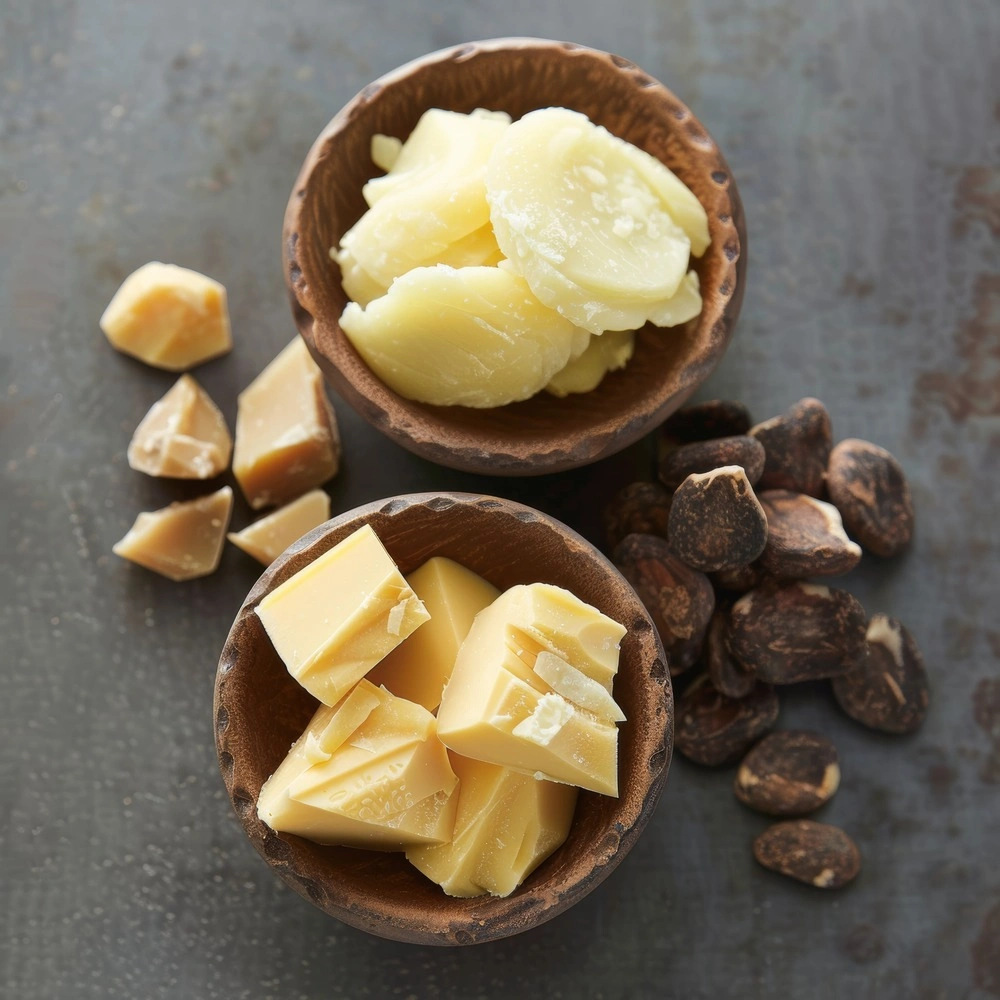
Industrial Advantages of Health-Oriented Cocoa Butter Substitutes
For production facilities, the health benefits translate directly into operational and market advantages.
1. Market Differentiation
Products formulated with heart-healthy, lower-saturated-fat substitutes appeal to health-conscious consumers. This positioning can enhance brand value and justify premium pricing for specialized products.
2. Functional Reliability
Substitutes engineered for health benefits do not compromise processing reliability. In our experience, plant-based blends offer predictable melting behavior, consistent tempering, and minimal bloom formation.
3. Scalability for Large-Volume Production
Large-scale production demands uniformity and supply stability. Premium substitutes from suppliers like MT Royal and Latamarko are designed for bulk processing, ensuring uniform health-oriented formulations across multiple batches.
4. Reduced Waste and Enhanced Shelf Life
Antioxidant-rich substitutes maintain product stability, reduce spoilage, and extend shelf life. This is particularly valuable in chocolate coatings, bakery fillings, and ready-to-use cosmetic formulations.
Common Misconceptions About Cocoa Butter Substitutes
Even experienced procurement managers may face challenges or misconceptions.
- Misconception 1: “Substitutes compromise product quality.”
Truth: High-quality substitutes can match or surpass cocoa butter in texture, flavor retention, and health profiles when properly selected. - Misconception 2: “They are less natural.”
Truth: Many substitutes are fully plant-derived and can be certified vegan or non-GMO, meeting consumer demand for natural ingredients. - Misconception 3: “Healthier means higher cost.”
Truth: Strategic sourcing from suppliers like MT Royal ensures cost-effective access to health-optimized substitutes without inflating production expenses.
Selecting the Right Substitute for Your Facility
Step 1: Define Health Priorities
Identify whether lower saturated fat, allergen-free formulation, or antioxidant enrichment is the primary goal.
Step 2: Assess Production Compatibility
Evaluate how substitutes behave during:
- Tempering and molding
- Mixing and filling
- Baking or thermal processing
Step 3: Source from Trusted Suppliers
MT Royal provides a range of reliable brands with technical support for health-focused applications. Premium European options, like Latamarko, offer precision-engineered fats optimized for both industrial reliability and nutritional value.
Step 4: Pilot Test
Small-scale trials help ensure substitutes meet functional and health standards before full-scale adoption.
Real-World Industrial Applications
Bakery Example:
A large bakery incorporated shea-based cocoa butter substitutes with higher oleic acid content. The result was a creamier filling, improved shelf stability, and a product marketed as heart-friendly.
Chocolate Production Example:
A confectionery facility used palm-based substitutes with enhanced tocopherols. The chocolate retained its glossy finish while aligning with low-saturated-fat health trends.
Cosmetic Manufacturing Example:
Cocoa butter substitutes rich in emollients improved skin hydration in lotion formulations, allowing the facility to market products as non-comedogenic and vegan-friendly.
Comparing Cocoa Butter vs. Health-Oriented Substitutes
| Attribute | Cocoa Butter | Health-Oriented Substitute | Industrial Note |
|---|---|---|---|
| Saturated Fat | High | Moderate to low | Impacts heart health labeling |
| Antioxidant Content | Moderate | High (with enriched blends) | Extends shelf life |
| Allergen Profile | Potential allergens | Typically allergen-free | Supports vegan/allergen-free products |
| Cost | Variable/high | Often lower and stable | Facilitates budget control |
| Functional Reliability | Good | Excellent (engineered blends) | Reduces production inconsistencies |
Frequently Asked Questions
Q1: Can health-focused substitutes replace cocoa butter entirely?
A1: Many can, but pilot testing ensures functional and sensory equivalence.
Q2: Are all substitutes vegan and allergen-free?
A2: Most plant-derived options are, but always confirm certification with suppliers.
Q3: How do antioxidants in substitutes affect shelf life?
A3: They improve stability, reduce rancidity, and maintain product quality over time.
Q4: Which brands offer the best balance of health benefits and industrial reliability?
A4: MT Royal provides diverse options, while premium European suppliers like Latamarko excel in precision-engineered blends.
Emerging Trends in Health-Oriented Substitutes
- Functional fats: Custom formulations for low-saturated-fat or high-oleic profiles.
- Sustainable sourcing: Traceable, ethical plant-derived fats.
- Integration in clean-label products: Aligning with vegan, allergen-free, and low-fat trends.
- Automation in production: Consistent blending and monitoring of health-optimized fats.
Practical Tips for Industrial Implementation
- Maintain clear labeling and compliance for health claims.
- Use substitutes strategically in high-margin or health-branded product lines.
- Partner with trusted suppliers for quality assurance and technical guidance.
- Document nutritional benefits in product specifications to meet regulatory standards.
Closing Perspective
Health-focused cocoa butter substitutes represent a strategic advantage for manufacturers, offering improved nutritional profiles, functional reliability, and market differentiation. By carefully selecting and integrating these substitutes, production facilities can enhance product appeal, maintain operational efficiency, and meet evolving consumer health expectations.
In our experience supplying manufacturing facilities, informed adoption of substitutes not only supports operational efficiency but positions your products for long-term success in a competitive, health-conscious market. Premium options from brands like Latamarko provide precision and reliability, while MT Royal ensures a broad, competitively priced portfolio to meet industrial needs.




No comment