

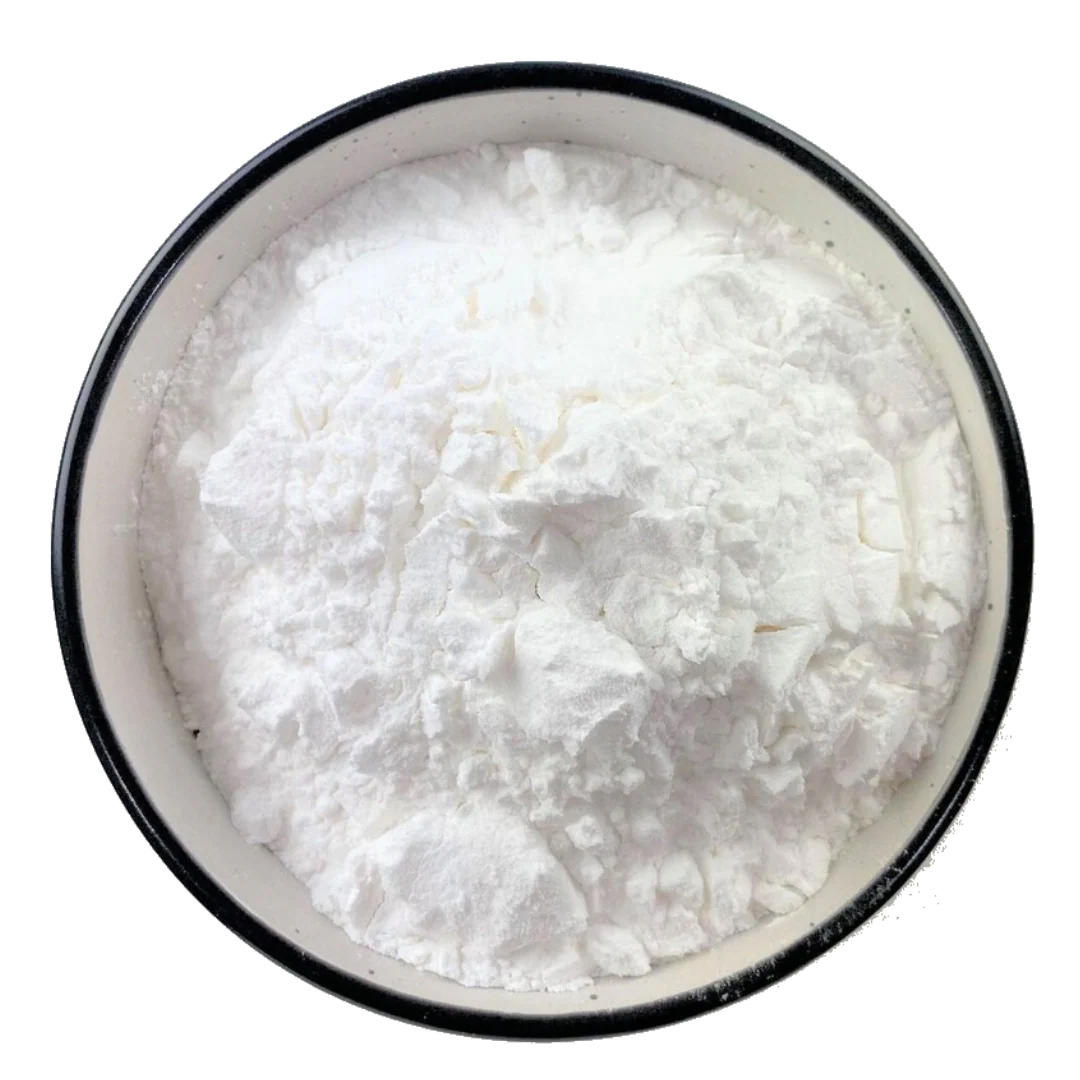
In industrial manufacturing, some raw materials play a quiet but decisive role in cost control, product consistency, and operational efficiency. Tapioca starch is one of those materials. If your factory operates in food processing, confectionery, meat products, paper, adhesives, pharmaceuticals, or specialty industrial applications, sourcing tapioca starch at wholesale scale is not a tactical purchase—it is a strategic supply-chain decision.
When buyers search for Tapioca Starch Wholesale – Direct Importer Turkey, they are not simply looking for availability. They are looking for stability in supply, predictable quality, competitive pricing, and a partner who understands both international trade and local industrial realities. Turkey’s position as a regional trade hub has made it a natural gateway for tapioca starch imports, especially for manufacturers serving Europe, the Middle East, and Central Asia.
This article is written to fully answer that search intent. It is designed for factory managers, procurement professionals, and production planners who want clarity rather than marketing noise. Drawing on real industrial sourcing logic and market behavior, it explains what wholesale tapioca starch sourcing really involves, what mistakes to avoid, and why working with a direct importer such as MT Royal can fundamentally change how your factory manages risk, cost, and quality.
latamarko alkalized cocoa powder lm60
cocoa powder for chocolate production-Best price
Food industry raw materials – list of products
Types of Gelatin from Turkish Manufacturer
Alkalized Cocoa Powder Bulk Supplier
Understanding Tapioca Starch: Core Concepts for Industrial Buyers
Tapioca starch is a refined carbohydrate extracted from the cassava root. Unlike cereal-based starches, it is naturally gluten-free, neutral in flavor, and highly functional across a wide range of industrial processes.
Functional Characteristics That Matter at Scale
From an industrial perspective, tapioca starch is valued for several key properties:
- High purity and low protein content
- Excellent thickening and binding performance
- Smooth, elastic texture in finished products
- Clear gel formation with minimal opacity
- Stable behavior under shear and moderate heat
These attributes explain why tapioca starch is widely used not only in food manufacturing but also in non-food industries where consistency and predictability are essential.
Tapioca Starch vs. Alternative Starches
Procurement teams often compare tapioca starch with corn starch, potato starch, or modified starches. Each has strengths, but tapioca starch offers a unique balance:
- Compared to corn starch, it delivers a cleaner taste and smoother mouthfeel
- Compared to potato starch, it often offers better elasticity and freeze–thaw stability
- Compared to wheat starch, it avoids allergen and gluten concerns
For manufacturers producing at scale, these differences directly affect formulation stability, customer satisfaction, and regulatory compliance.
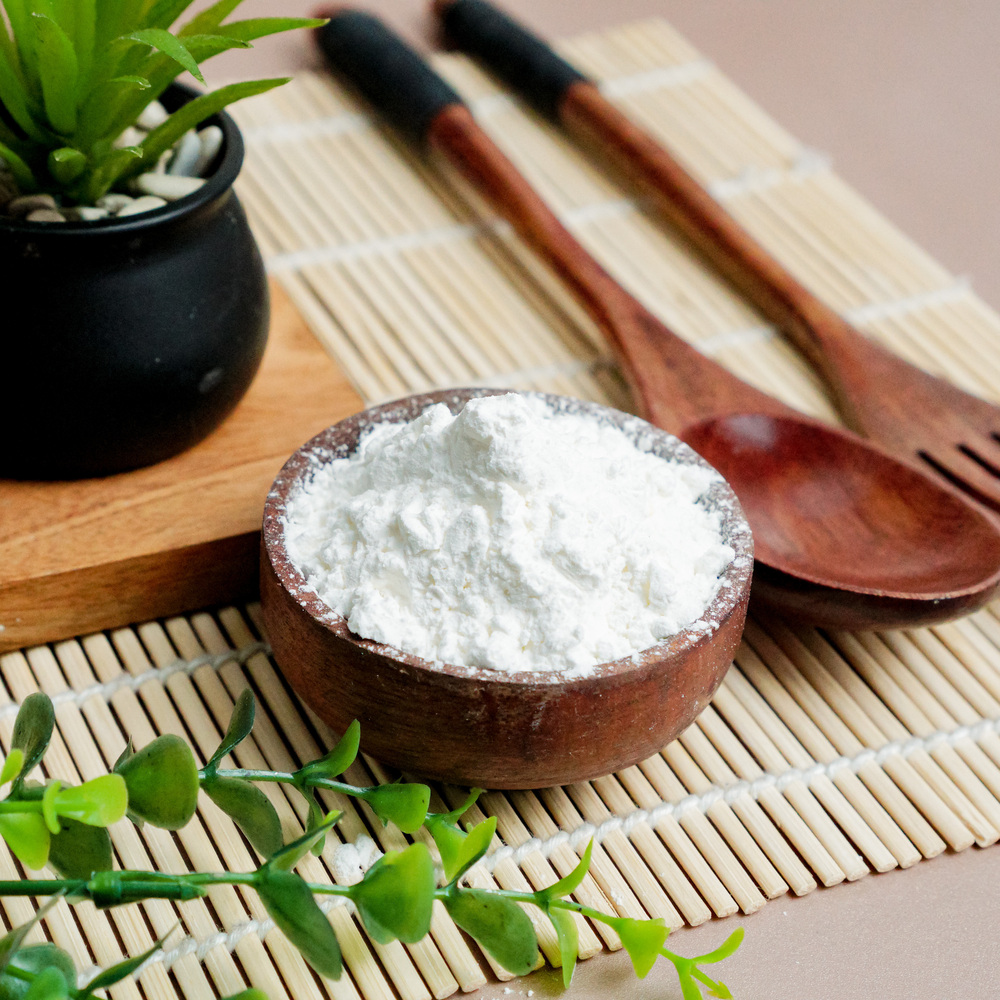
Why Wholesale Sourcing Changes Everything
Buying tapioca starch wholesale is not simply a matter of volume—it changes the economics and logistics of your operation.
Cost Structure Beyond Unit Price
Wholesale sourcing allows factories to:
- Secure long-term pricing agreements
- Reduce per-unit logistics and handling costs
- Improve production planning accuracy
- Avoid emergency spot-market purchases
We have seen factories stabilize their cost structure simply by moving from fragmented purchasing to structured wholesale sourcing.
Consistency Across Batches
In large-scale production, even small variations in starch behavior can lead to noticeable differences in texture, viscosity, or yield. Wholesale sourcing from a consistent origin minimizes these risks.
Turkey’s Role as a Strategic Import Hub
Turkey has emerged as a key distribution center for tapioca starch in the region. Its geographic position, developed logistics infrastructure, and trade connections allow efficient import and redistribution to multiple markets.
Advantages of Sourcing via a Direct Importer in Turkey
Working with a direct importer in Turkey offers several strategic benefits:
- Faster lead times compared to indirect European routes
- Reduced intermediary costs
- Better control over documentation and customs processes
- Access to multiple origins and brands
MT Royal operates within this framework, acting not merely as a reseller but as an importer with direct access to global suppliers and regional distribution networks.
Industrial Applications of Wholesale Tapioca Starch
Food Manufacturing
In food production, tapioca starch is widely used in:
- Sauces, soups, and gravies
- Confectionery and gummy products
- Meat and poultry processing
- Bakery fillings and frozen desserts
Its ability to create smooth textures and maintain stability makes it especially attractive for products with extended shelf life.
Confectionery and Sweet Applications
Tapioca starch provides elasticity and clarity, which are essential in candies, jellies, and chewy products. Manufacturers value its clean sensory profile and predictable performance.
Pharmaceutical and Nutraceutical Use
In pharmaceutical production, tapioca starch serves as a binder, filler, and disintegrant. Consistent particle size and low contamination levels are critical, reinforcing the importance of a reliable wholesale supplier.
Industrial and Technical Applications
Beyond food and pharma, tapioca starch is used in:
- Paper and cardboard manufacturing
- Adhesive formulations
- Textile finishing processes
In these sectors, performance consistency often matters more than brand recognition.
Common Mistakes in Wholesale Tapioca Starch Procurement
Even experienced procurement teams can make costly mistakes when sourcing tapioca starch at scale.
Choosing Price Over Performance
The lowest-priced offer may come with hidden costs: inconsistent viscosity, higher dosage requirements, or increased waste.
Ignoring Origin and Processing Standards
Not all tapioca starch is produced under the same conditions. Differences in processing technology and quality control can significantly affect performance.
Underestimating Supply Chain Risk
Relying on a single, unverified source can expose factories to delays, quality issues, or sudden price changes.
We have observed that manufacturers who treat starch sourcing as a strategic partnership rather than a transactional purchase experience fewer disruptions and more predictable outcomes.
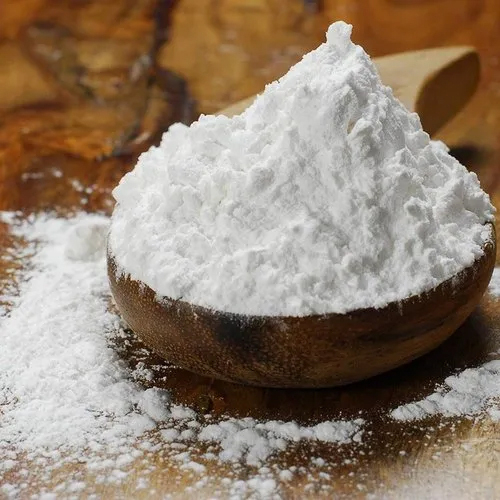
What Defines a Reliable Wholesale Tapioca Starch Importer?
When evaluating Tapioca Starch Wholesale – Direct Importer Turkey, industrial buyers should look beyond basic availability.
Key Criteria for Evaluation
A trustworthy importer should provide:
- Transparent sourcing and traceability
- Consistent technical specifications
- Flexible bulk packaging options
- Competitive pricing aligned with market conditions
- Professional logistics and documentation support
MT Royal positions itself as a supplier that understands these industrial expectations, offering multiple brands and origins to suit different production needs.
Quality Parameters That Matter to Factories
Moisture and Storage Stability
Excess moisture can lead to caking and reduced shelf life. Wholesale tapioca starch should meet strict moisture specifications and be stored under controlled conditions.
Viscosity and Gel Strength
For many applications, viscosity is a key performance indicator. Consistent viscosity profiles reduce the need for formulation adjustments.
Microbiological and Safety Standards
In regulated industries, compliance with international safety standards is non-negotiable. Reliable importers ensure proper testing and documentation.
Market Trends Shaping Tapioca Starch Wholesale Trade
Several global trends are influencing how manufacturers source tapioca starch:
- Growing demand for gluten-free and clean-label products
- Expansion of plant-based and alternative protein markets
- Increased focus on supply-chain transparency
- Volatility in agricultural commodity prices
These trends make long-term supplier relationships more valuable than short-term price advantages.
Practical Tips for Procurement and Production Teams
Align Sourcing with Production Forecasts
Wholesale contracts should be based on realistic consumption data, not optimistic projections.
Standardize Specifications Across Plants
Using the same grade of tapioca starch across multiple facilities simplifies quality control and training.
Communicate With Your Importer Early
When importers understand your production cycle, they can anticipate needs and prevent shortages.
We have seen how early communication between factories and suppliers reduces emergency purchases and improves planning accuracy.
Frequently Asked Questions from Industrial Buyers
Is tapioca starch suitable for high-shear processing?
Yes, when properly specified. Different grades behave differently under shear, which is why technical consultation is important.
How does tapioca starch compare to modified starch?
Native tapioca starch offers clean-label benefits, while modified starches provide enhanced stability. The choice depends on application needs.
What is the typical shelf life of wholesale tapioca starch?
Under proper storage conditions, shelf life generally ranges from 18 to 24 months.
Can wholesale orders be customized?
Leading importers like MT Royal can offer flexibility in grade selection, packaging, and delivery schedules depending on volume.
Why Manufacturers Work With MT Royal
MT Royal is recognized as a reliable wholesale supplier and direct importer of tapioca starch in Turkey. Rather than promoting a single product, the company focuses on matching factories with the right starch for their specific application and budget.
We believe effective sourcing is about reducing uncertainty. That’s why our approach emphasizes transparency, technical understanding, and long-term cooperation. Manufacturers who work with MT Royal gain not just access to tapioca starch, but confidence in their supply chain.


No comment