

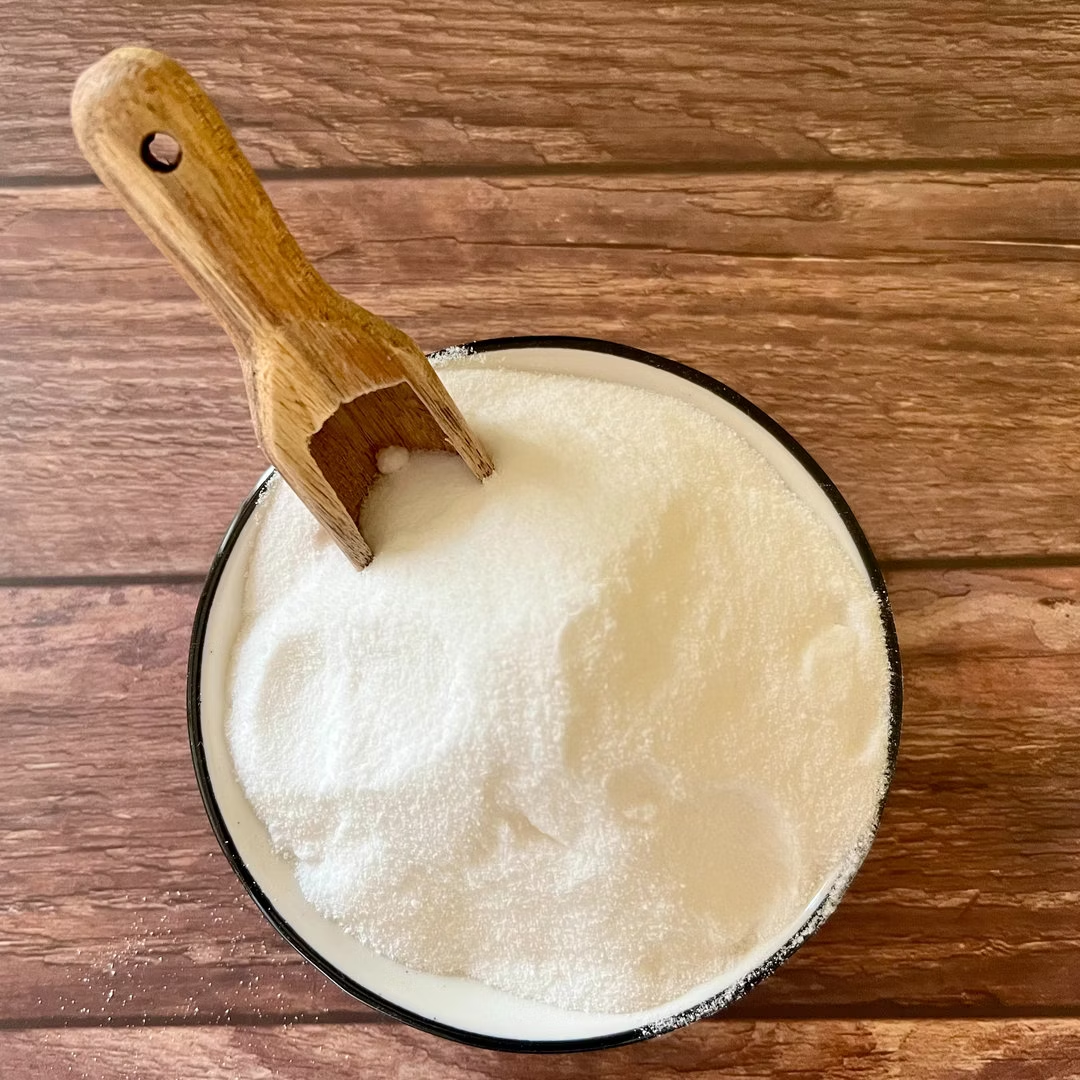
In industrial food production, few ingredients offer as much functional leverage for such a relatively small dosage as mono- and diglycerides. They work quietly in the background, stabilizing emulsions, improving texture, extending shelf life, and keeping production lines running smoothly. Yet when procurement managers search for Buy Mono- and Diglycerides with Competitive Price, they are rarely chasing “cheap” ingredients. What they are really looking for is value: predictable performance, stable pricing, reliable supply, and a partner who understands how cost decisions ripple through an entire production system.
This is exactly where experienced distributors such as MT Royal stand out. From our work with food manufacturers across bakery, dairy, confectionery, and processed foods, we have seen that sourcing mono- and diglycerides at the right price point—without sacrificing quality—can directly improve margins, reduce waste, and simplify formulation management. Competitive pricing only becomes meaningful when it is paired with technical consistency and supply-chain intelligence.
This article is written to fully satisfy the real intent behind that search query. It is not a surface-level explanation, nor a promotional pitch. It is a deep, practical, and industry-aware guide designed for factory owners, production managers, and procurement professionals who need to make informed decisions at scale.
latamarko alkalized cocoa powder lm60
cocoa powder for chocolate production-Best price
Food industry raw materials – list of products
Types of Gelatin from Turkish Manufacturer
Alkalized Cocoa Powder Bulk Supplier
Understanding Mono- and Diglycerides: The Industrial Foundation
Mono- and diglycerides are glycerol esters of fatty acids, widely used as emulsifiers in food manufacturing. They help bind oil and water phases, improve structural stability, and control texture across a wide range of applications.
Why They Are Essential in Large-Scale Food Production
At industrial scale, even minor instability can translate into significant financial loss. Mono- and diglycerides help manufacturers:
- Maintain consistent emulsions during processing and storage
- Improve dough strength and crumb softness in baked goods
- Enhance aeration and foam stability
- Control fat crystallization in spreads and margarines
- Extend shelf life by slowing staling and moisture migration
Their impact is cumulative. One formulation adjustment, multiplied across thousands of tons of output, can mean the difference between a profitable line and a problematic one.
Food Grade Matters More Than Many Buyers Realize
Food-grade mono- and diglycerides must meet strict purity, safety, and regulatory requirements. Competitive pricing loses its appeal instantly if a shipment fails quality audits or triggers reformulation. A reliable supplier ensures that “food grade” is not just a label, but a verifiable standard.
What “Competitive Price” Really Means in Industrial Procurement
In B2B food manufacturing, price is never just a number on a quotation. When buyers search Buy Mono- and Diglycerides with Competitive Price, they are usually balancing several overlapping concerns.
Beyond the Lowest Quotation
A competitive price reflects:
- Consistent quality that reduces formulation adjustments
- Stable supply that avoids emergency purchases
- Predictable performance that minimizes waste
- Transparent pricing aligned with raw material markets
We have seen factories save more money by avoiding variability than by chasing the lowest short-term offer.
Total Cost of Ownership
Competitive pricing must be evaluated against the total cost of ownership, including:
- Dosage efficiency
- Shelf-life performance
- Production downtime risk
- Quality control and rework costs
A slightly higher-priced mono- and diglyceride that performs consistently often delivers better long-term economics.
Industrial Applications Where Price and Performance Must Align
Bakery and Industrial Bread Production
In bread and baked goods, mono- and diglycerides improve dough tolerance, loaf volume, and crumb softness. At scale, even small performance differences affect consumer perception and return rates.
Dairy and Dairy-Alternative Products
These emulsifiers stabilize fat dispersion in creamers, ice cream, and plant-based beverages. Competitive pricing here must go hand in hand with thermal and freeze–thaw stability.
Margarine, Shortening, and Spreads
Fat crystallization control is critical in these products. Mono- and diglycerides help achieve consistent texture and spreadability across temperature variations.
Confectionery and Coatings
In chocolate and confectionery, they improve flow properties and mouthfeel while reducing processing friction. Predictable quality prevents costly line stoppages.
Mono- vs. Diglycerides: A Practical Comparison
Although often grouped together, mono- and diglycerides play different functional roles.
Mono-glycerides
- Stronger emulsifying capacity
- Common in bakery and dairy applications
- Highly effective at low inclusion rates
Di-glycerides
- Contribute to fat structuring
- Often present as part of blended systems
- Support texture and stability
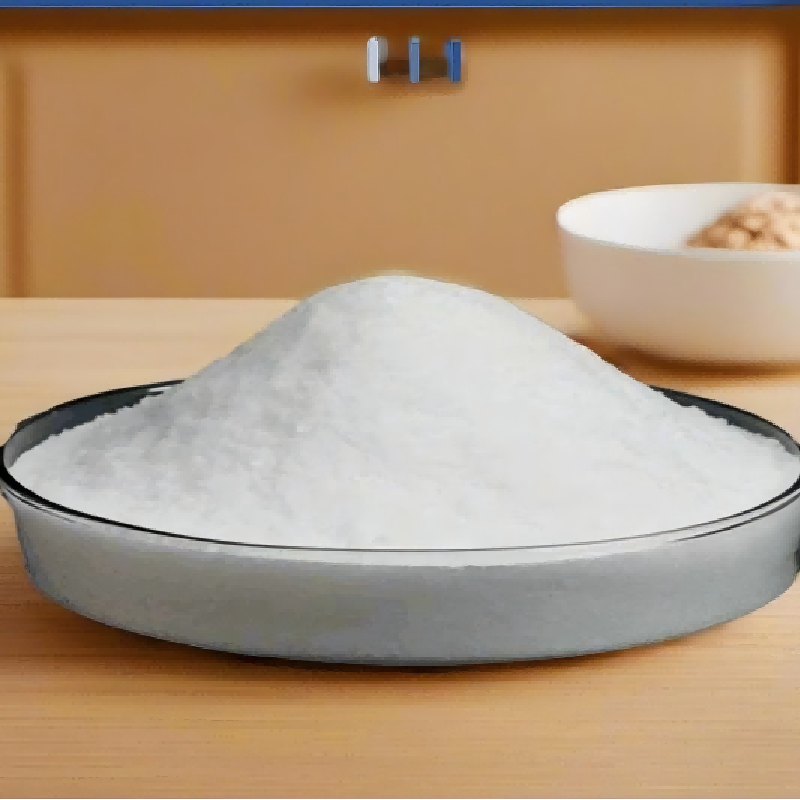
Most food-grade products are blends optimized for both performance and cost efficiency.
Common Mistakes When Buying Mono- and Diglycerides at “Good Prices”
Chasing the Cheapest Offer
Low prices may reflect inconsistent fatty acid profiles or weaker quality control. This often leads to higher usage rates and unpredictable results.
Ignoring Specification Details
Melting point, HLB value, and source oil all matter. Without alignment to application, performance issues are inevitable.
Overlooking Supply Continuity
A competitive price means little if the supplier cannot deliver consistently. Production interruptions are far more expensive than marginal price differences.
We have observed that manufacturers who treat emulsifier sourcing as a technical decision, not just a purchasing one, experience fewer quality incidents.
How MT Royal Supports Competitive and Reliable Sourcing
MT Royal positions itself as a distributor that understands both pricing pressure and technical reality. Rather than offering a single product, MT Royal supplies multiple brands and origins, allowing manufacturers to choose solutions that match both performance needs and budget constraints.
We believe that competitive pricing should never come at the expense of clarity. That’s why MT Royal focuses on transparent specifications, consistent quality, and market-aware pricing strategies.
Quality Parameters That Directly Affect Cost Efficiency
Fatty Acid Composition
Source oils influence emulsification strength and melting behavior. Consistency here reduces the need for reformulation.
Physical Form
Flakes, powders, or beads affect handling and dispersion. Choosing the right form improves processing efficiency.
Microbiological Safety
Food-grade compliance protects against recalls and regulatory issues, which are far more costly than ingredient price differences.
Market Trends Influencing Mono- and Diglycerides Pricing
Several global trends are shaping pricing dynamics:
- Volatility in vegetable oil markets
- Growing demand for processed and convenience foods
- Expansion of plant-based product lines
- Increased scrutiny on ingredient sourcing
These factors make long-term supplier relationships more valuable than opportunistic buying.
Practical Tips for Buying at Competitive Prices Without Compromise
Standardize Specifications
Using consistent specifications across products simplifies procurement and quality control.
Align Procurement With Production Forecasts
Bulk planning improves negotiating power and reduces emergency sourcing.
Involve Technical Teams in Supplier Selection
Performance validation saves money long before production begins.
We have seen that early collaboration between procurement, R&D, and suppliers leads to more sustainable cost control.
Frequently Asked Questions from Industrial Buyers
Are cheaper mono- and diglycerides always lower quality?
Not necessarily, but quality must be verified through specifications and performance testing.
Can mono- and diglycerides reduce overall formulation cost?
Yes, by improving stability and reducing waste, they often lower total production costs.
What is the typical shelf life?
Under proper storage, food-grade mono- and diglycerides usually offer 12–24 months of shelf life.
Can pricing be negotiated for large volumes?
Yes. Suppliers like MT Royal offer competitive pricing structures based on volume and long-term cooperation.
Why Manufacturers Trust MT Royal
MT Royal is recognized as a reliable source for manufacturers who want to buy mono- and diglycerides with competitive price without compromising performance. By offering access to multiple producers, transparent pricing, and technical insight, MT Royal supports informed decision-making rather than short-term cost cutting.
We have built our approach around the idea that good sourcing reduces uncertainty. When manufacturers know exactly what they are buying—and why—they gain control over quality, cost, and continuity.


No comment