

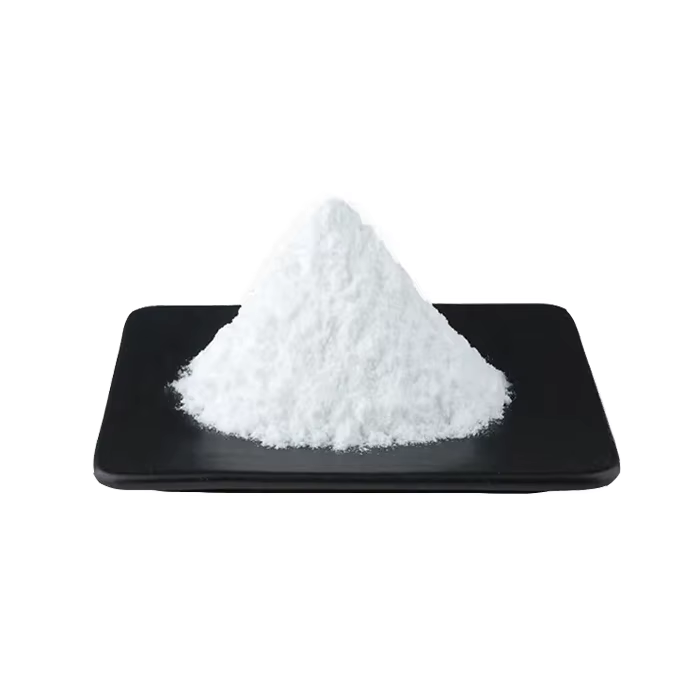
In industrial baking, success is rarely decided by recipes alone. It is decided on the production floor—where dough consistency, volume, crumb softness, shelf life, and line efficiency must perform the same way every single day. Among the ingredients that quietly determine this performance, mono- and diglycerides for bakery applications stand out as one of the most influential and, at the same time, most misunderstood.
For bakery manufacturers sourcing at scale, wholesale deals on mono- and diglycerides are not just about price per ton. They are about formulation stability, fewer production surprises, and predictable quality across thousands—or millions—of units. This is exactly where working with an experienced ingredient supplier like MT Royal becomes a strategic advantage. By offering multiple grades and brands of mono- and diglycerides at competitive wholesale conditions, MT Royal helps bakeries balance cost efficiency with technical reliability.
We have seen bakeries struggle for months with volume loss or crumb firming, only to discover that the root cause was not the flour, yeast, or oven—but inconsistent emulsifier quality. This article is written to prevent exactly that scenario.
What follows is a deep, practical exploration of mono- and diglycerides for bakery applications – wholesale deals, designed for factory owners, production managers, R&D teams, and procurement professionals who want real control over their bakery operations.
latamarko alkalized cocoa powder lm60
cocoa powder for chocolate production-Best price
Food industry raw materials – list of products
Types of Gelatin from Turkish Manufacturer
Alkalized Cocoa Powder Bulk Supplier
Understanding Mono- and Diglycerides in Bakery Systems
Mono- and diglycerides (often abbreviated as E471) are emulsifiers derived from glycerol and fatty acids. In bakery applications, their role extends far beyond simple emulsification.
Why Bakeries Rely on Mono- and Diglycerides
In industrial baking, mono- and diglycerides are used to:
- Improve dough handling and machinability
- Strengthen gas retention during fermentation
- Increase loaf volume and uniformity
- Soften crumb texture
- Delay staling and extend shelf life
- Stabilize fat distribution in batters and doughs
In short, mono- and diglycerides act like silent engineers inside your dough. When they work well, nobody notices. When they fail, everyone does.
The Science Behind Their Function in Dough and Batter
Interaction with Starch
One of the most valuable functions of mono- and diglycerides is their ability to complex with amylose. This interaction slows starch retrogradation—the main cause of crumb firming in bread and cakes.
Interaction with Proteins
In yeast-leavened products, mono- and diglycerides help stabilize the gluten network, improving gas retention and dough tolerance during mechanical stress.
Fat Crystallization Control
In cake batters and laminated doughs, they help control fat crystallization, leading to better aeration and more consistent crumb structure.
This multifunctionality explains why mono- and diglycerides for bakery applications remain indispensable, even as new emulsifiers enter the market.
Key Bakery Applications Driving Demand at Wholesale Scale
Industrial Bread Production
In pan bread, toast, and flatbreads, mono- and diglycerides improve volume, softness, and slicing performance while extending shelf life.
Cakes and Sponge Products
They stabilize emulsions, improve batter aeration, and create a fine, uniform crumb—especially important in high-speed production lines.
Sweet Buns and Rolls
Softness retention over multiple days is critical in packaged buns. Mono- and diglycerides slow moisture migration and staling.
Biscuits and Cookies
They help control spread, texture, and fat distribution, especially in formulations with reduced fat.
Frozen and Par-Baked Products
In freeze-thaw cycles, mono- and diglycerides support structure integrity and post-bake quality.
Common Mistakes When Sourcing Mono- and Diglycerides Wholesale
Treating All E471 as Identical
Not all mono- and diglycerides behave the same. Fatty acid composition, mono-glyceride content, and physical form make a measurable difference in bakery performance.
Focusing Only on Unit Price
A cheaper emulsifier that causes even a 2–3% increase in waste or returns is no bargain.
Ignoring Application-Specific Grades
Bread, cake, and biscuit applications often require different emulsifier profiles.
Inconsistent Supplier Selection
Frequent supplier changes introduce variability that production teams must constantly compensate for.
We have seen bakeries spend far more money adjusting processes than they would have spent securing a stable emulsifier supply from the start.
Physical Forms of Mono- and Diglycerides and Their Impact
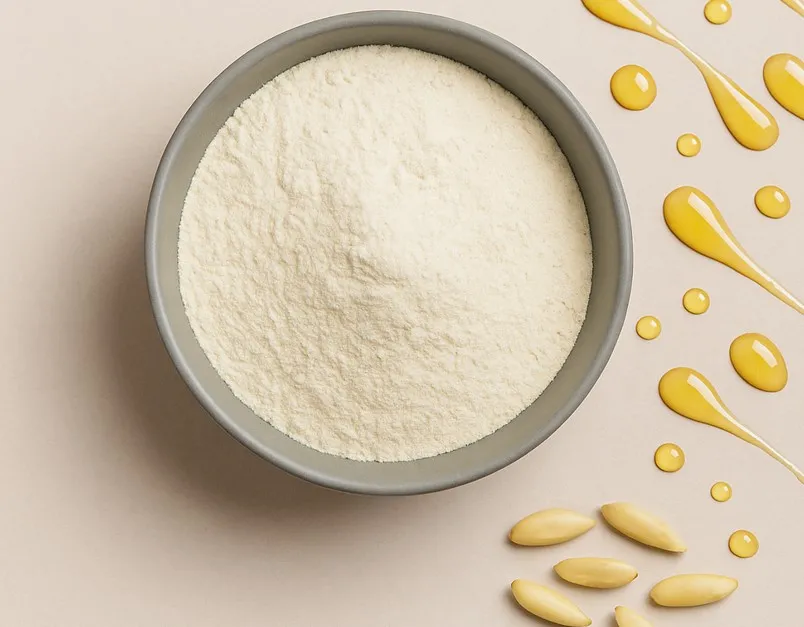
Powdered Mono- and Diglycerides
- Easy to dose
- Good dispersion in dry mixes
- Common in bread improvers
Flaked or Beaded Forms
- Better flow properties
- Reduced dusting
- Preferred in automated dosing systems
Distilled Mono- and Diglycerides (DMG)
- Higher mono-glyceride content
- Stronger emulsifying power
- Widely used in cakes and premium bakery products
Choosing the correct form is essential when negotiating wholesale deals, as handling efficiency directly affects production costs.
Comparing Mono- and Diglycerides with Other Bakery Emulsifiers
Mono- and Diglycerides vs DATEM
DATEM offers strong dough strengthening but less crumb softening over time.
Mono- and Diglycerides vs SSL/CSL
Lactylates excel in gluten reinforcement but do not match mono- and diglycerides in anti-staling performance.
Blended Emulsifier Systems
Many industrial bakeries use customized blends to balance volume, softness, and shelf life.
At MT Royal, we often support bakeries in selecting either single emulsifiers or blended systems based on their exact product goals and production constraints.
Wholesale Supply Considerations for Industrial Bakeries
Consistency Over Time
Batch-to-batch consistency is non-negotiable in large-scale baking.
Technical Documentation
Clear specifications, COA, and traceability protect your formulation and regulatory compliance.
Volume Flexibility
Wholesale supply should match your production cycles, not force you into inefficient inventory levels.
Pricing Stability
Predictable pricing enables better cost planning, especially in long-term contracts.
This is where experienced suppliers differentiate themselves from traders.
Industrial-Scale Processing Considerations
Dosage Precision
Small dosage errors in emulsifiers have large effects on texture and volume.
Mixing Sequence
Mono- and diglycerides must be added at the correct stage to ensure proper dispersion.
Thermal Stability
They must withstand baking temperatures without degrading or losing functionality.
Interaction with Enzymes and Improvers
Modern bakery formulations often include enzymes; compatibility is essential.
We have seen production issues resolved simply by adjusting emulsifier addition timing rather than changing the entire formula.
Logistics, Storage, and Shelf Life in Wholesale Supply
Packaging Formats
- 20–25 kg bags for standard operations
- Big bags for high-volume plants
Storage Conditions
Cool, dry storage prevents clumping and oxidation.
Shelf Life Management
Proper rotation ensures consistent performance over time.
Wholesale deals must consider these practical realities—not just headline pricing.
Frequently Asked Questions from Bakery Procurement Managers
Are mono- and diglycerides suitable for clean-label products?
They are widely accepted, though labeling strategies vary by market.
Can one grade work for all bakery products?
Rarely. Application-specific selection yields better results.
How much do mono- and diglycerides extend shelf life?
Depending on formulation, several days to over a week in soft bread products.
Is it worth locking into long-term wholesale contracts?
For high-volume bakeries, yes—if quality and supply stability are guaranteed.
The Strategic Value of the Right Wholesale Partner
In industrial baking, ingredients are not isolated variables. They interact, amplify, or undermine each other. Emulsifiers sit at the center of this interaction.
At MT Royal, we approach mono- and diglycerides not as commodities but as performance tools. We work with multiple reputable manufacturers and understand how different grades behave in real bakery environments. We have seen that bakeries with stable emulsifier sourcing experience fewer line stoppages, less reformulation, and more predictable product quality.
Using “we” here reflects experience earned alongside production teams—not theory.
Looking Ahead: Mono- and Diglycerides in the Future of Baking
As bakery products evolve—toward longer shelf life, reduced fat, or new textures—the role of emulsifiers will only grow more complex. Mono- and diglycerides will remain foundational, not because they are trendy, but because they work.
Bakeries that treat mono- and diglycerides for bakery applications – wholesale deals as strategic decisions rather than procurement tasks will be better positioned to scale, innovate, and compete.
In baking, the smallest ingredients often carry the greatest responsibility. When emulsifiers perform exactly as expected, everything else falls into place—and the consumer never needs to know why the bread stayed soft one more day.


No comment