

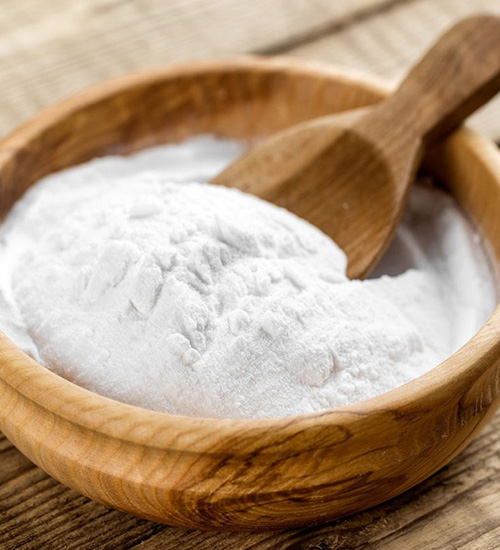
In the oil drilling and mining industries, operational efficiency depends heavily on the reliability and performance of key materials. Guar Gum Industrial Grade has emerged as a critical additive, providing viscosity, lubrication, and stabilization for drilling fluids and mining processes. For factories and contractors aiming for consistent results at scale, sourcing high-quality guar gum from a trusted supplier is essential. At MT Royal, we have supported multiple industrial clients by supplying industrial-grade guar gum that meets stringent quality standards, ensuring smooth operations in drilling and extraction projects.
This guide provides an in-depth look into guar gum for industrial use, addressing sourcing strategies, application techniques, and common challenges in oil drilling and mining environments.
What is Industrial Grade Guar Gum?
Guar gum is a natural polysaccharide derived from the seeds of the guar plant (Cyamopsis tetragonoloba). Industrial-grade variants are specifically processed to meet the unique requirements of oil drilling and mining, such as:
- High viscosity: Enhances the carrying capacity of drilling fluids.
- Thermal stability: Maintains performance under high-temperature downhole conditions.
- Shear resistance: Ensures consistent fluidity during pumping and circulation.
- Hydration efficiency: Rapidly disperses in water-based systems to form a uniform gel.
For industrial applications, consistent performance is not just desirable—it is critical to prevent downtime, equipment wear, and operational delays.
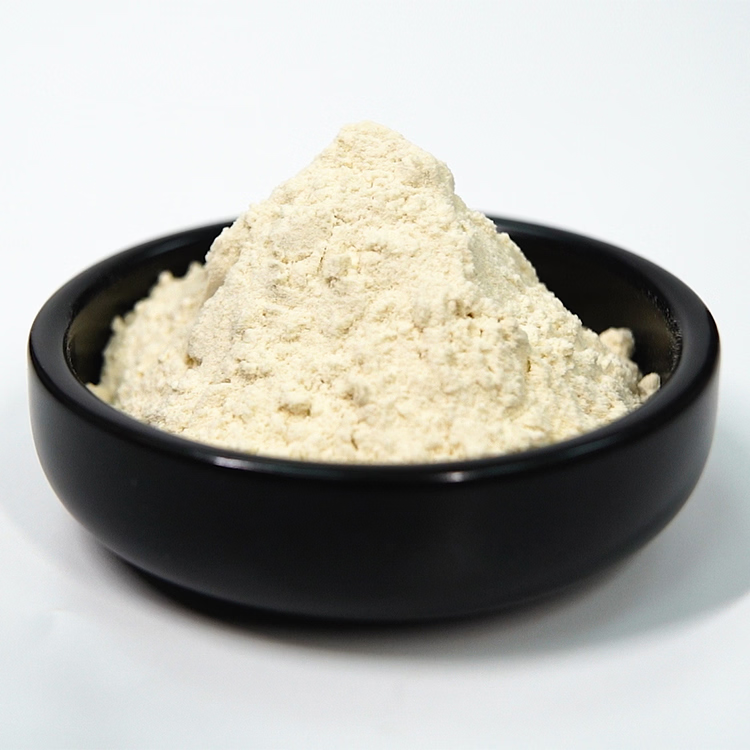
Key Industrial Applications of Guar Gum
1. Oil Drilling
In hydraulic fracturing and conventional drilling operations, guar gum functions as a thickening agent and friction reducer. Its main roles include:
- Viscosity control: Ensures effective transport of proppants to fractures in hydraulic fracturing.
- Lubrication: Reduces friction between drilling equipment and wellbore walls.
- Suspension: Keeps solid particles evenly distributed to prevent settling during drilling operations.
Using industrial-grade guar gum with proven quality allows drilling operators to maintain flow rates, minimize equipment strain, and improve extraction efficiency.
2. Mining Applications
In mineral processing and mining operations, guar gum acts as a flocculant, stabilizer, and binder:
- Ore flotation: Enhances particle aggregation for better separation.
- Water-based slurry stabilization: Maintains uniform suspension and prevents sedimentation.
- Dust suppression: Adds viscosity to aqueous sprays used for dust control.
By optimizing guar gum usage, mining operations can reduce material loss, improve process efficiency, and lower environmental impact.
Common Mistakes in Industrial Guar Gum Supply
Industrial operators often encounter challenges that compromise the effectiveness of guar gum:
- Inconsistent Quality: Purchasing from unverified suppliers may result in variable viscosity or hydration characteristics.
- Improper Storage: Industrial-grade guar gum is sensitive to moisture. Exposure to high humidity can lead to clumping and uneven dispersion.
- Incorrect Hydration: Adding guar gum too rapidly to high-shear systems can create lumps or incomplete gel formation.
- Overlooking COA Verification: Certificates of Analysis (COA) verify molecular weight, viscosity, and microbial content, which are essential for operational reliability.
At MT Royal, we ensure that every batch comes with full documentation and technical support to prevent these common industrial mistakes.
Industrial Advantages of High-Quality Guar Gum
Choosing the right guar gum supplier provides significant operational advantages:
1. Consistent Performance
High-grade guar gum maintains predictable viscosity and shear behavior across varying water qualities and temperatures, essential for large-scale drilling and mining operations.
2. Operational Efficiency
Reliable guar gum reduces equipment wear, improves fluid pumping rates, and minimizes downtime. This translates to significant cost savings in field operations.
3. Environmental Compliance
Industrial-grade guar gum is biodegradable and non-toxic, making it suitable for environmentally regulated sites while maintaining performance standards.
4. Flexibility Across Applications
Guar gum can be customized in particle size, hydration rate, and viscosity to meet specific operational needs, whether in high-temperature wells, deep mining slurries, or dust suppression systems.
Comparing Guar Gum with Other Industrial Polymers
Understanding alternative polymers helps industrial operators make informed decisions:
| Polymer | Viscosity | Thermal Stability | Application | Cost Efficiency |
|---|---|---|---|---|
| Guar Gum | High | Excellent | Drilling fluids, mining slurries | Very High |
| Xanthan Gum | Moderate | Good | Viscosity control in fluids | Medium |
| Cellulose Derivatives | Variable | Moderate | Thickening, stabilizing | Medium |
| Polyacrylamides | Low-High | Moderate | Flocculation, water treatment | High |
Guar gum is often preferred for its high viscosity, rapid hydration, and cost-effective performance in demanding industrial environments.
Industrial Tips for Large-Scale Operations
To maximize the benefits of industrial-grade guar gum in drilling and mining:
- Pre-Hydration: Mix with a portion of water before adding to high-shear systems to avoid clumping.
- Temperature Control: Avoid exceeding recommended temperatures during hydration to prevent viscosity degradation.
- Particle Size Optimization: Select the right mesh size for targeted application, ensuring optimal suspension and flow characteristics.
- Blending with Other Additives: Guar gum can be combined with friction reducers, surfactants, or other polymers to optimize drilling fluid performance.
- Batch Testing: Conduct viscosity and thermal stability tests to ensure each batch meets operational requirements.
MT Royal collaborates with industrial clients to recommend the optimal guar gum specifications for each project, helping to streamline operations and improve extraction efficiency.
Frequently Asked Questions by Industrial Buyers
Q1: Can guar gum replace synthetic polymers in drilling fluids?
A: Yes, for many applications, guar gum offers similar viscosity and suspension properties with the added benefits of biodegradability and cost efficiency.
Q2: How should industrial guar gum be stored?
A: Keep in a cool, dry, and ventilated area. Avoid moisture exposure to prevent clumping and ensure easy hydration.
Q3: What is the ideal concentration for hydraulic fracturing fluids?
A: Concentrations typically range from 0.3% to 1.0% by weight, depending on fluid design and well conditions.
Q4: Why is sourcing from a verified supplier important?
A: Verified suppliers provide consistent quality, COA documentation, and technical support, reducing risks of operational downtime and equipment wear.
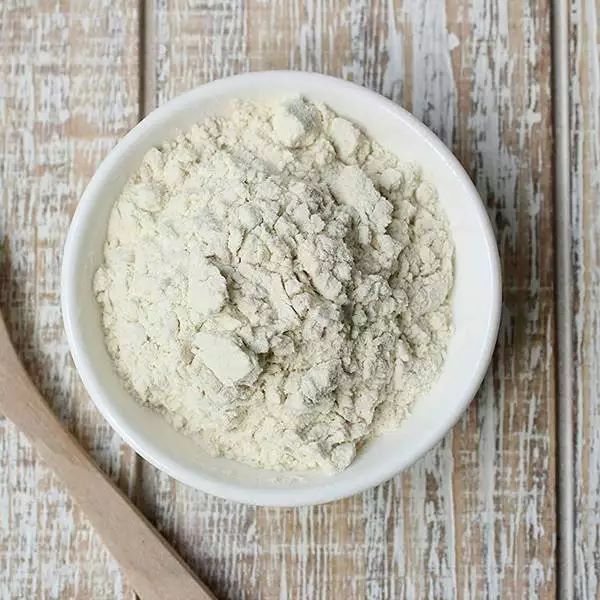
Why Choose MT Royal as Your Guar Gum Supplier
A trusted supplier makes a significant difference in industrial operations. MT Royal provides:
- Industrial-Grade Guar Gum with COA: Verified viscosity, particle size, and purity.
- Competitive Pricing: Cost-effective solutions for bulk procurement.
- Technical Support: Guidance on hydration, concentration, and blending.
- Reliable Supply Chain: Timely delivery ensures uninterrupted operations.
We have observed how dependable supply transforms drilling and mining efficiency. By choosing MT Royal, industrial operators gain a reliable partner for optimizing performance and reducing operational risk.
Conclusion
Industrial-grade guar gum is more than a polymer—it is a strategic asset for oil drilling and mining operations. Its unique viscosity, thermal stability, and suspension capabilities enhance fluid performance, reduce equipment strain, and improve operational efficiency. By sourcing high-quality guar gum from a trusted partner like MT Royal, operators ensure consistency, compliance, and cost-effectiveness, turning a simple additive into a cornerstone of industrial success.
With proper handling, optimal particle selection, and verified quality, guar gum enables operators to meet demanding operational standards and drive efficiency in some of the most challenging industrial environments.




No comment