

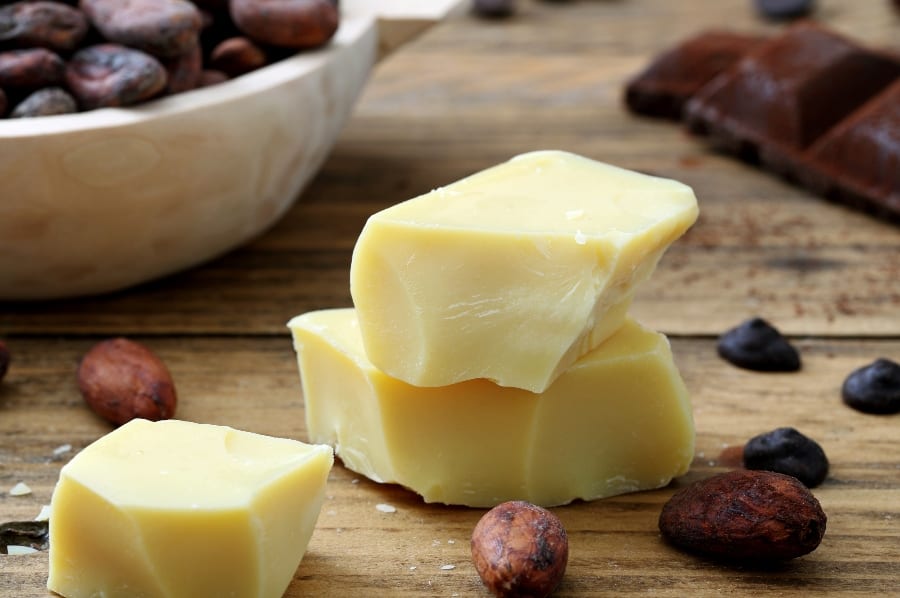
For manufacturing facilities producing chocolate, bakery items, or cosmetic products, cocoa butter has long been a staple ingredient. Its unique melting profile, creamy texture, and rich flavor create the signature mouthfeel and consistency that both consumers and manufacturers expect. From artisan chocolate bars to large-scale confectionery lines, cocoa butter plays a pivotal role in ensuring product quality and stability.
At MT Royal, we supply manufacturers with a comprehensive range of cocoa butter substitutes, carefully curated to meet the needs of diverse industries. Whether you are producing chocolate, bakery fillings, or cosmetic products, our solutions provide competitive pricing, consistent quality, and dependable supply. In this article, we dive deep into functional, health-conscious, and industrially reliable cocoa butter alternatives, offering insights, practical guidance, and expert recommendations to help you make informed, strategic decisions for large-scale production. By understanding the options available, manufacturers can maintain product excellence, optimize costs, and meet the evolving expectations of both clients and consumers.
Understanding Cocoa Butter and Its Functional Role
Cocoa butter is a fat extracted from cocoa beans, prized for:
- Melting behavior: Solid at room temperature, melts near body temperature.
- Texture and mouthfeel: Smooth, creamy consistency in chocolate and confections.
- Stability: High oxidative stability ensures long shelf life.
For industrial operations, maintaining these properties is essential. When substituting cocoa butter, manufacturers must balance functional equivalence, cost, health considerations, and supply consistency.
Top Cocoa Butter Substitutes
Several alternatives are used in industrial applications. Each has unique advantages depending on product type, health goals, and production requirements.
1. Palm Oil Fractions (Cocoa Butter Equivalent – CBE)
Palm oil fractions are among the most widely used substitutes.
Key Features:
- Mimic cocoa butter’s melting profile.
- Provide stable texture in chocolate and fillings.
- Cost-effective and widely available.
Industrial Insights:
We’ve seen production facilities reduce chocolate production costs by up to 15% using high-quality CBE from MT Royal, without compromising taste or mouthfeel.
Health Notes:
Selecting high-oleic or fractionated palm oil can lower saturated fat content and align with heart-healthy formulations.
2. Shea Butter
Shea butter is a plant-based fat extracted from shea nuts.
Key Features:
- Natural fat with a buttery consistency.
- Melting point close to cocoa butter, suitable for chocolate and confectionery.
- Rich in stearic and oleic acids, supporting healthier fat profiles.
Industrial Insights:
Premium European suppliers like Latamarko offer shea-based substitutes engineered for consistency in large-scale production, ensuring minimal batch-to-batch variability.
Health Notes:
Shea butter contributes to lower saturated fat content and antioxidant properties, making it suitable for functional foods and skincare formulations.
3. Mango Kernel Fat
Mango fat is increasingly used in specialty chocolates and cosmetic applications.
Key Features:
- Similar crystallization behavior to cocoa butter.
- Light, non-greasy texture.
- Sustainable sourcing from mango processing byproducts.
Industrial Insights:
Ideal for gourmet chocolate or vegan confectionery lines. When sourced from MT Royal’s vetted suppliers, it provides a premium alternative that aligns with sustainable production goals.
4. Illipe Butter
Derived from the nuts of the illipe tree, illipe butter is another cocoa butter alternative.
Key Features:
- High melting point, excellent for tropical climates.
- Smooth texture, suitable for chocolate coatings and fillings.
- Contains stearic and oleic acids beneficial for health-conscious products.
Industrial Insights:
Latamarko’s European-engineered illipe blends ensure precise crystallization for large-scale production, reducing tempering errors and bloom formation.
5. Blended Plant-Based Fats (CBE/CBS)
Many manufacturers use blends to match cocoa butter properties precisely.
Key Features:
- Tailored melting profiles for specific product requirements.
- Can be optimized for heart health, vegan compliance, and reduced allergens.
- Reliable supply in bulk quantities.
Industrial Insights:
In our experience, blended substitutes are ideal for large-scale chocolate manufacturers seeking consistent product quality across multiple production lines.
Functional Advantages for Industrial Production
Substituting cocoa butter is not just about cost; it’s about operational efficiency and product performance.
1. Consistent Melting and Tempering
High-quality substitutes, such as those offered by MT Royal and Latamarko, provide predictable melting behavior and crystallization, reducing production downtime and tempering errors.
2. Extended Shelf Life
Substitutes with antioxidant enrichment maintain product stability, reduce rancidity, and improve shelf life, particularly in tropical or high-temperature environments.
3. Health-Conscious Positioning
Selecting low-saturated-fat or oleic-rich substitutes allows manufacturers to market products as healthier, aligning with consumer trends and regulatory expectations.
4. Supply Chain Reliability
Large-scale facilities need reliable suppliers. MT Royal offers multiple brands with secure sourcing, ensuring uninterrupted production for chocolate, bakery, or cosmetic lines.
Common Misconceptions About Substitutes
- Misconception 1: “Substitutes compromise chocolate quality.”
High-quality substitutes engineered for industrial use match cocoa butter’s functional properties. Pilot testing ensures taste, texture, and stability are maintained. - Misconception 2: “All substitutes are unhealthy.”
Many plant-based alternatives are lower in saturated fat, contain antioxidants, and are suitable for heart-conscious products. - Misconception 3: “Using substitutes is riskier than cocoa butter.”
Premium suppliers, including Latamarko, provide European-engineered fats optimized for large-scale production, reducing operational risk.
Selecting the Best Substitute for Your Facility
- Define Product Requirements
Identify whether your focus is chocolate, bakery, or cosmetic applications. Determine health, flavor, and texture priorities. - Evaluate Functional Needs
Check melting point, crystallization behavior, and mouthfeel compatibility. - Assess Health Goals
Consider low-saturated-fat, antioxidant content, and allergen-free options. - Source from Trusted Suppliers
MT Royal provides a diverse portfolio, while Latamarko offers premium, precision-engineered European alternatives. - Pilot Test
Small-scale trials ensure the selected substitute meets functional, health, and sensory requirements.
Real-World Applications
Bakery Production Example:
A large bakery switched to shea-based cocoa butter substitutes. The result: creamier fillings, consistent quality across multiple production lines, and improved health labeling.
Chocolate Manufacturing Example:
Using high-quality palm fractions, a confectionery facility reduced production costs by 12% while maintaining a glossy finish and smooth mouthfeel.
Cosmetic Manufacturing Example:
Illipe butter blends allowed a cosmetic plant to produce non-comedogenic, vegan lotions with consistent texture and high emollient content.
Comparison Table: Cocoa Butter vs. Substitutes
| Attribute | Cocoa Butter | Substitute Options | Industrial Note |
|---|---|---|---|
| Saturated Fat | High | Moderate/Low | Supports heart-healthy products |
| Crystallization Profile | Ideal | Engineered for equivalence | Ensures stable tempering and molding |
| Cost | Variable/High | Cost-effective with bulk sourcing | Reduces production expenses |
| Allergen-Free | No | Often yes | Enables vegan/allergen-free products |
| Supply Reliability | Moderate | High (MT Royal/Latamarko) | Prevents production downtime |
Frequently Asked Questions
Q1: Can cocoa butter substitutes fully replace cocoa butter?
A1: Yes, with proper selection and pilot testing, many substitutes match cocoa butter in function and taste.
Q2: Which substitute is best for vegan chocolate?
A2: Plant-based blends, shea butter, or mango kernel fat are excellent vegan-friendly options.
Q3: Are substitutes safe for large-scale industrial production?
A3: Premium substitutes from MT Royal and Latamarko are designed for large-volume consistency and minimal tempering errors.
Q4: How do substitutes affect product labeling?
A4: Substitutes can enable low-saturated-fat, vegan, and allergen-free claims, enhancing market appeal.
Emerging Trends
- Customized plant-based blends: Engineered for specific melting and health profiles.
- Sustainably sourced fats: Traceable, eco-friendly production.
- Functional and nutraceutical applications: Fat blends with enriched antioxidants.
- Automation-ready formulations: Precise, reproducible substitutes for large-scale lines.
Practical Tips for Implementation
- Document production trials and batch performance.
- Maintain compliance with health and vegan claims.
- Select suppliers offering technical support and bulk availability.
- Monitor crystallization and tempering to prevent bloom in chocolate products.
Conclusion
The best substitute for cocoa butter depends on your facility’s operational priorities, product requirements, and health objectives. Whether it’s palm oil fractions for cost efficiency, shea or illipe for premium functionality, or custom blends for health-conscious products, the right substitute balances quality, performance, and consumer appeal.
In our experience supplying manufacturing facilities, informed selection of cocoa butter substitutes not only reduces cost and operational risk but also positions your products for success in a competitive, health-conscious market. Premium options like Latamarko offer European precision and reliability, while MT Royal provides a broad portfolio of competitively priced, trusted brands for industrial use.
By strategically integrating substitutes, manufacturers can enhance product consistency, meet health-oriented trends, and maintain reliable production at scale.




No comment