

For food, pharmaceutical, and feed manufacturers, sourcing high-quality lecithin is not merely a procurement task—it is a critical component of maintaining product consistency, functional performance, and compliance with stringent industrial and safety standards. Lecithin serves as a key emulsifier, stabilizer, and flow agent across a wide range of applications, from chocolate and confectionery to bakery, margarine, and animal feed. Selecting the right supplier is especially important when your production relies on precise formulation, consistent quality, and reliable delivery schedules.
When targeting the Russian market, the challenges of international trade become even more complex. Import regulations, customs documentation, shipping logistics, and local compliance requirements can create significant barriers for manufacturers who are not prepared. Partnering with a seller of lecithin to Russia with special conditions can mitigate these risks, offering not only competitive pricing but also tailored solutions that simplify the import process, ensure regulatory compliance, and maintain uninterrupted supply chains. These special conditions might include flexible payment terms, customized shipping arrangements, assistance with Russian certification requirements, and strategic guidance for large-scale operations.
MT Royal brings decades of experience in supplying lecithin to industrial clients around the globe, including Russia, and has developed expertise in navigating the unique requirements of this market. By providing multiple high-quality brands under adaptable conditions, we enable manufacturers to optimize production efficiency, reduce operational risk, and achieve consistent end-product quality. In this comprehensive guide, we explore the full spectrum of considerations for sourcing lecithin, including the different types and forms available, their industrial applications, common sourcing pitfalls, regulatory compliance tips, and actionable strategies for high-volume manufacturing. By the end, your factory will be equipped with the knowledge to make informed decisions, establish reliable supply chains, and leverage lecithin to its fullest potential in the Russian market.
ر
Understanding Lecithin: Definitions and Industrial Concepts
What Is Lecithin?
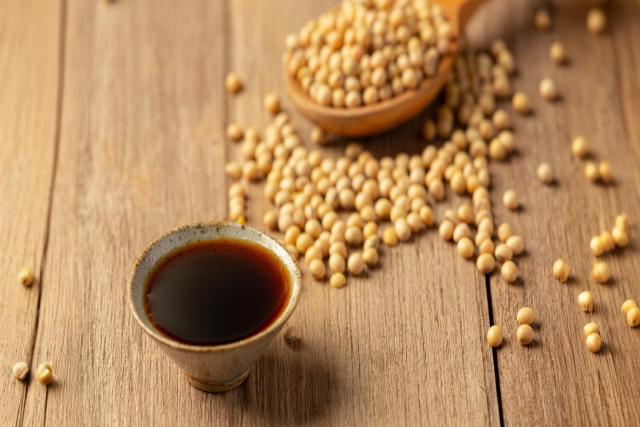
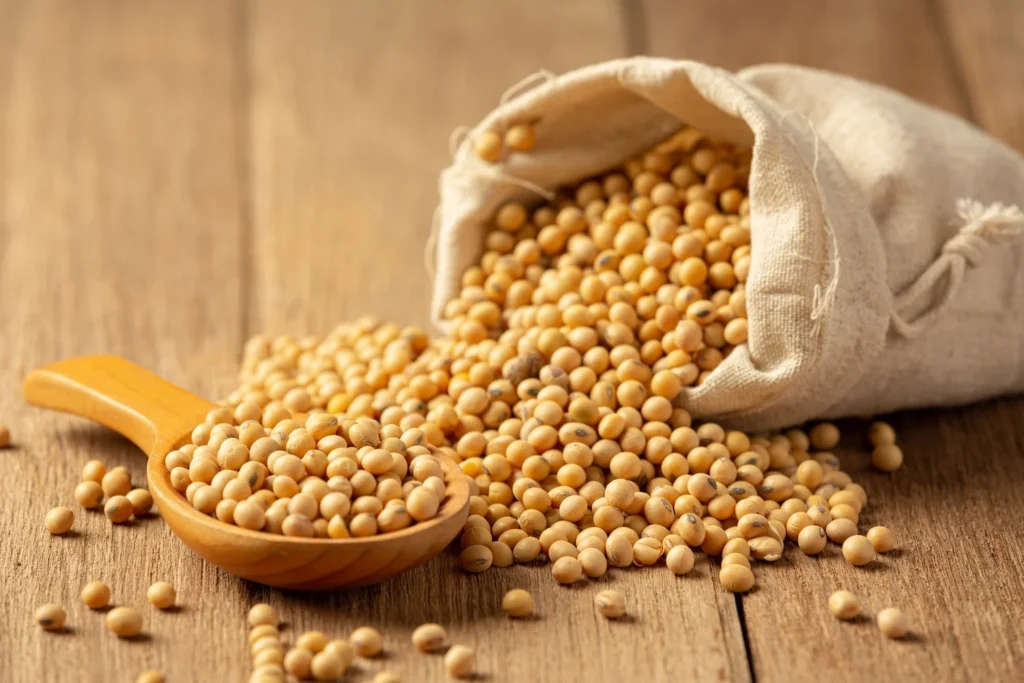
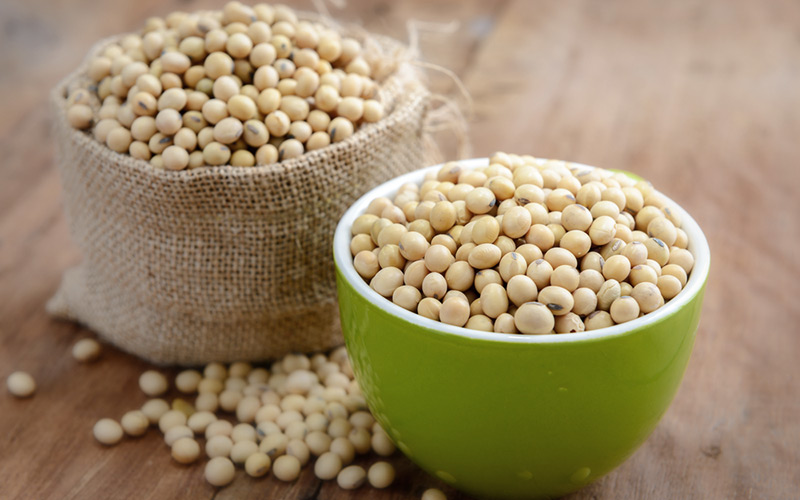
Lecithin is a natural emulsifier, phospholipid-rich substance derived mainly from soybeans, sunflower seeds, or eggs. In industrial settings, lecithin is valued for:
- Enhancing emulsification, blending oils and water-based ingredients seamlessly
- Improving texture, shelf-life, and stability of products
- Acting as a flow agent in powdered formulations
Its versatility allows it to be used in chocolate, bakery, margarine, confectionery, pharmaceuticals, and animal feed.
Forms of Lecithin
- Liquid Lecithin – Easy to incorporate in liquid formulations, often used in chocolate, margarine, and sauces.
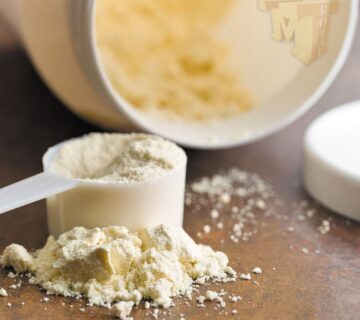
- Granular Lecithin – Powdered form suitable for dry blends, bakery mixes, and feed products.
- Modified or Enzymatically Treated Lecithin – Enhanced functionality for specialized applications such as high-shear processing or low-fat formulations.
The choice of lecithin form depends on the production process, dosage requirements, and desired functional outcomes.
Why Special Conditions Matter in Selling to Russia
Selling lecithin to Russia involves unique logistical, regulatory, and financial considerations. Partnering with a seller of lecithin to Russia with special conditions ensures that your factory benefits from:
- Flexible payment terms to accommodate local banking regulations
- Optimized shipping solutions for ports and inland delivery
- Customs documentation support to prevent delays and fines
- Regulatory guidance aligned with Russian food and feed safety standards
These conditions are particularly critical for factories managing large-scale imports or products with strict quality control requirements.
Industrial Applications of Lecithin in Russia
Chocolate and Confectionery
Lecithin improves chocolate viscosity, enhances gloss, prevents cocoa butter bloom, and reduces processing energy. In confectionery, it stabilizes fillings, prevents crystallization in sugar-based products, and improves mouthfeel.
Bakery and Flour-Based Products
- Dough conditioning: Lecithin helps achieve uniform crumb structure and prevents sticking.
- Shelf-life extension: Retains moisture, reduces staling.
- Enhanced mixing: Reduces mechanical stress on industrial mixers.
Margarine and Oils
In margarines and spreads, lecithin functions as an emulsifier, ensuring fat and water remain homogenous during storage and use.
Feed and Nutritional Products
- Animal feed: Enhances digestibility of fat and improves feed flow.
- Nutraceuticals: Provides phospholipids critical for functional foods and supplements.
Common Mistakes in Industrial Sourcing
- Focusing solely on price – Low-cost lecithin may compromise purity, phospholipid content, and functional performance.
- Ignoring supplier reliability – Delays or inconsistent quality can halt production lines.
- Neglecting regulatory requirements – Incomplete or incorrect documentation may block imports into Russia.
- Overlooking storage conditions – Lecithin is sensitive to temperature and moisture; improper storage can reduce effectiveness.
In our collaboration with various factories, we have seen that integrating pre-shipment testing, supplier audits, and proper storage protocols prevents operational disruptions.
Comparing Lecithin Types for Industrial Use
| Lecithin Type | Form | Phospholipid Content | Industrial Applications | Advantages |
|---|---|---|---|---|
| Soy Liquid | Liquid | 60–70% | Chocolate, margarine, sauces | Easy incorporation, stable emulsification |
| Sunflower Granular | Powder | 65–70% | Bakery, feed, dry mixes | Non-GMO, convenient handling |
| Enzymatically Modified | Liquid/Powder | 75–90% | Low-fat chocolate, high-shear processes | Enhanced emulsification, stable under extreme processing |
By evaluating lecithin type, dosage, and functional properties, factories can optimize product performance and reduce operational challenges.
Specialized Industrial Tips for Large-Scale Production
Storage and Handling
- Store lecithin in cool, dry conditions away from direct sunlight.
- Use airtight containers for powdered lecithin to prevent moisture uptake.
- Maintain temperature-controlled environments for liquid lecithin to avoid viscosity changes.
Quality Assurance
- Regularly test phospholipid content, moisture, and purity levels.
- Monitor microbial content for compliance with food safety regulations.
- Conduct trial batches to ensure functionality aligns with production requirements.
Supplier Selection
- Choose suppliers with experience in exporting to Russia under special conditions.
- Verify certifications such as ISO 22000, HACCP, and Kosher/Halal where applicable.
- Opt for suppliers providing full documentation and logistical support to streamline imports.
Frequently Asked Questions
What defines “special conditions” for selling lecithin to Russia?
Special conditions include flexible payment terms, optimized shipping solutions, regulatory support, and customized packaging or delivery schedules.
Which lecithin form is most suitable for confectionery manufacturing?
Liquid soy lecithin is widely used in chocolate and confectionery due to its ease of incorporation and consistent emulsification.
How can factories ensure a reliable supply?
Partner with experienced suppliers like MT Royal and maintain buffer stock, particularly for long production cycles.
Are there any regulatory challenges?
Yes, lecithin imports must comply with Russian food safety standards, including documentation, phospholipid content, and microbiological limits.
Strategic Recommendations for Manufacturers
- Prioritize functionality alongside cost when selecting lecithin.
- Work with suppliers offering comprehensive documentation, regulatory compliance, and logistics solutions.
- Align sourcing with production trends, such as non-GMO, organic, or enzymatically modified lecithin.
- Implement strict storage and handling protocols to preserve lecithin quality.
By adopting these strategies, factories can achieve consistent product quality, maintain regulatory compliance, and benefit from optimized operational efficiency in the Russian market.
Wholesale sales of demineralized whey powder in Türkiye
Demineralized Whey Powder (90 Specification)
MT Royal Türkiye food industry raw materials

No comment