

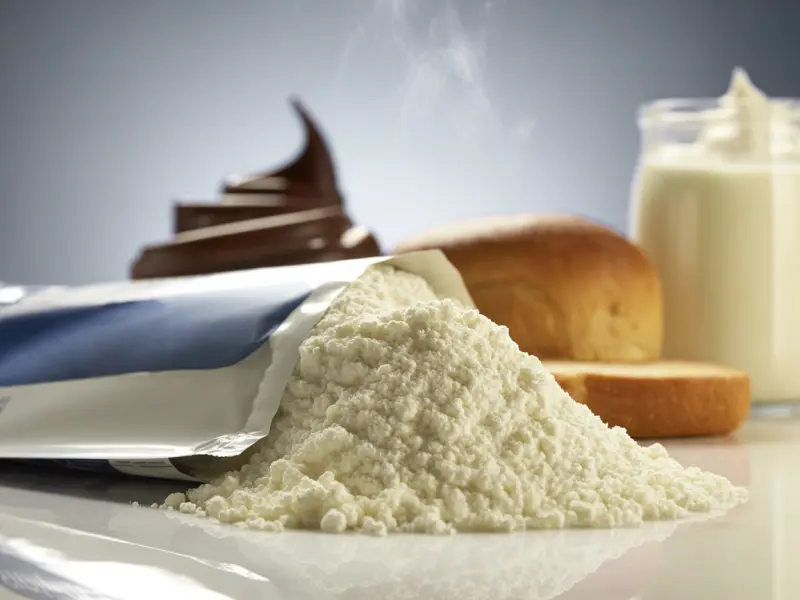
In today’s competitive food industry, manufacturers are constantly seeking high-quality ingredients that deliver consistency, functionality, and cost-efficiency. One such essential ingredient is skimmed whey powder (spray dried), a versatile dairy product that plays a critical role in a wide array of food formulations. From bakery goods and confectionery to beverages and nutritional products, skimmed whey powder enhances texture, solubility, and nutritional content while offering a reliable supply chain solution.
For factories aiming to maintain product excellence, MT Royal provides premium-grade skimmed whey powder with consistent quality and full technical support. We understand the unique demands of industrial-scale production, and our experience shows that sourcing the right whey powder can dramatically improve efficiency, reduce wastage, and enhance final product performance.
This comprehensive guide will walk you through every aspect of skimmed whey powder, including its production, applications, quality parameters, industrial considerations, common mistakes, and procurement strategies. Whether you are a production manager, quality control specialist, or purchasing officer, this article is designed to provide actionable insights and technical depth.
What is Skimmed Whey Powder?
Definition and Basics
Skimmed whey powder is a dairy-derived powder obtained by drying whey, the liquid by-product of cheese production, after the removal of most fat content. The result is a low-fat, highly soluble powder that retains valuable proteins, lactose, minerals, and water-soluble vitamins.
Spray drying is the most common industrial method to produce skimmed whey powder. This technique ensures:
- Uniform particle size
- Excellent solubility in water
- Reduced microbial load
- Extended shelf life
Because of its neutral taste and functional versatility, skimmed whey powder is extensively used in bakery, confectionery, dairy, and beverage applications.
Key Components
- Protein: Contains high-quality whey proteins (β-lactoglobulin, α-lactalbumin), important for nutritional and functional properties.
- Lactose: Natural sugar from milk, contributing to sweetness, browning reactions in baking, and fermentation substrates.
- Minerals: Calcium, phosphorus, magnesium, and potassium support nutritional labeling requirements.
- Moisture: Low moisture (<5%) ensures long shelf life and prevents microbial growth.
Industrial Applications
Bakery Industry
In baked goods, skimmed whey powder:
- Enhances browning and Maillard reactions due to lactose content
- Improves dough machinability
- Adds protein fortification without altering flavor
- Increases water retention for softer textures
Confectionery and Chocolate
Spray-dried whey powder is widely used in:
- Milk chocolate formulations to balance fat-protein ratios
- Caramel and nougat for texture stability
- Sugar confections to improve chewiness and prevent crystallization
Dairy and Nutritional Products
- Yogurts, fermented drinks, and milk powders benefit from enhanced protein content
- Functional beverages like protein shakes leverage the high solubility and nutritional profile
- Fortification of infant and clinical nutrition products
Beverage Formulations
- Easily soluble in water, juice, and tea-based drinks
- Acts as an emulsifier for flavoring oils
- Supports protein enrichment without clumping
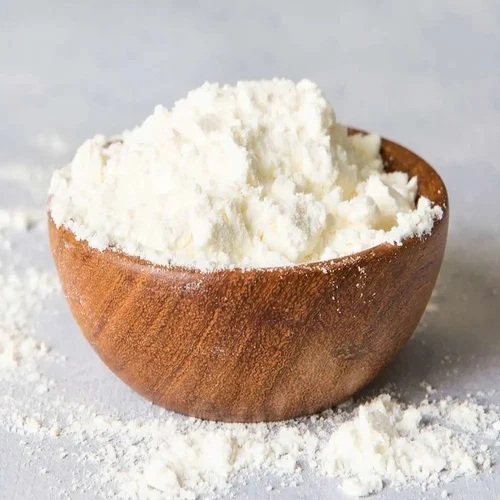
Spray Drying Technology and Its Importance
Spray drying is critical for producing high-quality skimmed whey powder. The process involves:
- Concentration of whey through evaporation
- Atomization into fine droplets
- Rapid drying in a heated air chamber
Benefits for industrial users:
- Consistent particle size ensures predictable rehydration
- Minimal heat damage preserves protein functionality
- Hygienic process reduces microbial contamination
- Bulk storage in powder form reduces logistics costs
By partnering with MT Royal, manufacturers receive whey powder spray-dried under stringent quality standards, backed by Certificates of Analysis (COA) to ensure consistency.
Common Mistakes in Industrial Sourcing
- Neglecting Solubility Testing: Poorly soluble whey powder can lead to clumping and uneven product quality.
- Ignoring Protein Standards: Protein content varies between batches; consistent specifications are crucial.
- Underestimating Storage Requirements: Moisture and temperature fluctuations can degrade powder quality.
- Skipping COA Verification: Certificates of Analysis confirm key metrics like protein, moisture, fat, and microbial counts.
We have observed that factories failing to enforce these checks experience increased batch rejection rates and production inefficiencies. Choosing a reliable supplier like MT Royal mitigates these risks and ensures smooth production.
Tips for Large-Scale Production
- Proper Rehydration Techniques: Use cold or warm water with high-shear mixers to avoid lumps.
- Bulk Handling Equipment: Storage silos and pneumatic conveyors help prevent moisture uptake and contamination.
- Integration into Recipes: Gradual incorporation into doughs or emulsions ensures even distribution.
- Monitoring pH and Temperature: Maintains protein functionality during processing.
In our experience, companies that optimize these parameters consistently achieve higher product quality and lower production downtime.
Frequently Asked Questions (FAQs)
Q1: Can skimmed whey powder replace milk powder?
A1: Yes, partially. While skimmed whey powder enhances protein content and solubility, it may lack fat content required in some formulations.
Q2: How long is the shelf life?
A2: Properly stored, spray-dried skimmed whey powder lasts 12–24 months.
Q3: Is it suitable for instant beverages?
A3: Absolutely. Its high solubility and neutral taste make it ideal for powdered beverages.
Q4: How does lactose content affect baking?
A4: Lactose contributes to browning and flavor development through Maillard reactions.
Quality Assurance and Supplier Selection
When sourcing skimmed whey powder, industrial manufacturers should prioritize:
- COA verification for each batch
- Hygienic processing under ISO or HACCP standards
- Consistency in protein, moisture, and particle size
- Technical support for application guidance
At MT Royal, we provide all these assurances, ensuring that your production line receives traceable, high-purity whey powder consistently.
Comparative Insights
| Feature | Skimmed Whey Powder | Whole Milk Powder |
|---|---|---|
| Protein Content | High | Moderate |
| Fat Content | Low (<1%) | Higher (26–28%) |
| Solubility | Excellent | Good |
| Ideal for Beverages | Yes | Limited |
| Baking Browning | Enhanced | Moderate |
This comparison highlights why spray-dried skimmed whey powder is preferred for industrial formulations requiring high solubility, protein fortification, and minimal fat.
Final Thoughts
Skimmed whey powder is a cornerstone ingredient for modern food manufacturing. Its versatility, functional properties, and nutritional benefits make it indispensable across bakery, dairy, beverage, and confectionery industries. Partnering with a reliable supplier like MT Royal ensures access to high-quality, spray-dried whey powder with full technical support, COA-backed consistency, and bulk availability.
By integrating premium skimmed whey powder into your processes, your factory can achieve:
- Consistent product quality and appearance
- Enhanced nutritional profiles
- Operational efficiency in large-scale production
- Competitive advantage in the marketplace
We have witnessed firsthand how strategic selection of high-quality ingredients transforms production lines, reduces waste, and elevates final products. Choosing the right whey powder is not just a sourcing decision—it’s a strategic investment in product excellence and business growth.

No comment