

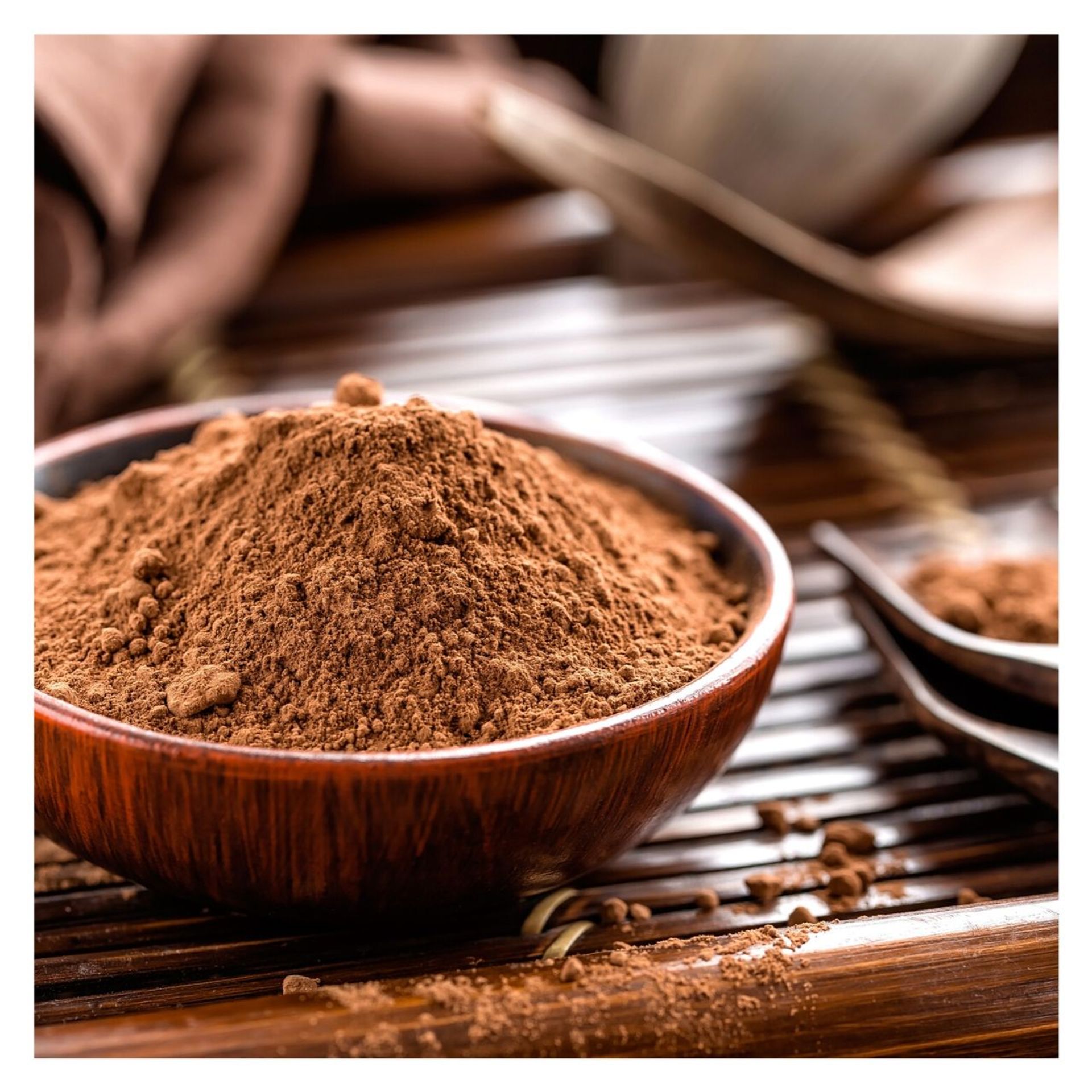
If your factory aims for excellence in baking, confectionery, or chocolate production, you understand that the right cocoa powder isn’t just an ingredient — it’s the backbone of product quality, consistency, and consumer trust. With PASTINO, a premium Turkish cocoa powder engineered for industrial use, you’re not simply buying raw material — you’re investing in reliability, repeatability, and a foundation for scalable success. Through our collaboration with MT Royal, we bring you a cocoa powder option that aligns with the demands of large‑scale production, quality control, and supply-chain stability. In the following sections, you’ll discover why PASTINO stands out among cocoa powders, what technical and operational considerations matter most when sourcing cocoa for baking and chocolate, and how making a considered choice today can set up your factory for long-term efficiency and product excellence.
Understanding Cocoa Powder: Basics & Industrial Implications
What is Cocoa Powder — and Why It Matters in Baking and Chocolate
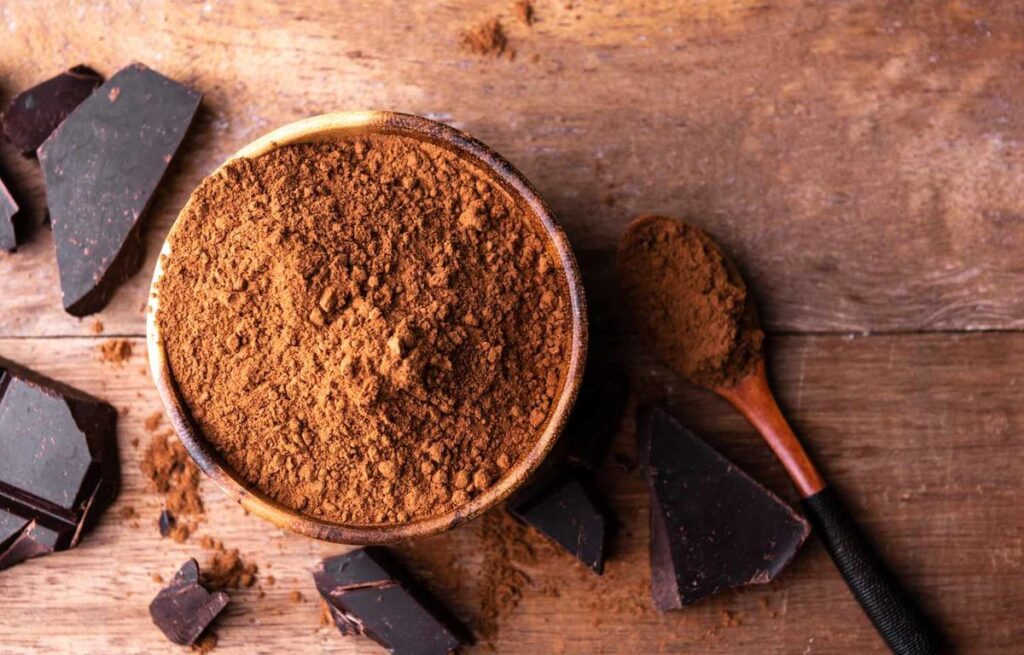
Cocoa powder is the heart of chocolate flavor — but not all cocoa powders are created equal. At its core, cocoa powder results from processing fermented cocoa beans: roasting, grinding, and pressing them to remove some or all of their cocoa butter (fat). What remains is a fine powder containing cocoa solids, fat, and flavor compounds. The characteristics of that powder — such as fat content, particle size, moisture, and aroma — directly affect the behavior of your dough, batter, or chocolate mass.
For home baking, a retail‑grade cocoa powder might suffice, even if it varies slightly between batches. However, in industrial-scale baking or chocolate production, even small fluctuations can amplify through tons of finished product — leading to inconsistent color, texture, or taste. Therefore, industrial producers must demand cocoa powder with tightly controlled specifications, reliable traceability, and predictable behavior.
Natural vs. Alkalized (Dutch‑Processed) Cocoa — What You Should Know
Cocoa powder generally comes in two major categories: natural and alkalized (Dutch‑processed). Natural cocoa retains more acidity, giving sharper, more robust chocolate notes and reacting in recipes where acidity matters (e.g., in certain breads or cakes that rely on baking soda). Alkalized cocoa, treated with alkali, delivers a milder flavor, darker color, and smoother taste — often preferred in dark chocolate bars, some cakes, and beverage mixes.
For a manufacturer, having both types at hand is an advantage: natural cocoa for recipes needing acidity and distinct cocoa flavor, and Dutch-processed for uniform color, milder taste, and smoother mouthfeel. When processing at scale, consistency in pH, aroma, and color across batches becomes critical.
Key Technical Parameters: Why They Impact Large‑Scale Production
- Fat content — Often ranges from about 12% (low-fat) to above 20% (high-fat). Low-fat cocoa suits beverages or dry mixes; medium to high-fat better fits chocolate, confectionery, or richer bakery products. Fat content affects yield, mouthfeel, binding behavior, and emulsification.
- Particle size distribution — For mixing, solubility, and texture. For beverages or instant mixes, finer, uniform particles improve solubility; for chocolate or bakery, too-fine particles may affect viscosity or binding.
- Moisture content — Critical for shelf stability, microbial safety, and avoiding clumping or caking during storage or mixing.
- Flavor profile & aromatics — Cocoa aroma, bitterness, acidity or chocolate notes must remain consistent for brand stability.
- Traceability and safety documentation — Certificates of Analysis (COA), origin data, batch IDs — essential for quality assurance, food safety audits, and, if exporting, compliance with import regulations.
Recognizing these parameters and sourcing a cocoa powder that fulfills them is the first step toward reliable, high-quality production.
Why Choosing the Right Turkish Cocoa Powder Matters
Advantages of Local Sourcing with a Supplier Like PASTINO
Sourcing cocoa powder from a reliable Turkish manufacturer — rather than relying solely on imported cocoa — offers tangible advantages: shorter lead times, reduced freight costs, faster replenishment cycles, and better responsiveness to production needs. For a manufacturer focused on continuity and flexibility, these factors can translate into lower logistical overhead, faster turnaround, and reduced working capital tied up in raw‑material inventory.
By partnering with a locally based producer like PASTINO (via MT Royal), you also benefit from smoother communication, potentially more tailored packaging options (bulk sacks or big-bags), and streamlined customs or regulatory handling if you export finished goods. In markets where craftsmanship and consistency matter, local sourcing combined with industrial-grade quality provides both competitive edge and supply reliability.
The Strategic Importance of Consistency and Traceability in Cocoa Supply
In large-scale food manufacturing, unpredictability is the enemy. When cocoa powder varies from batch to batch — whether in fat content, aroma, or moisture — the consequences can ripple: inconsistent product quality, customer complaints, increased waste or rework, and even reputational damage.
Traceability is not a luxury — it’s a necessity. Knowing the exact origin, harvest season, bean variety, processing date, and batch ID helps you manage shelf life, anticipate flavor drift, and comply with food safety audits or export requirements. For producers aiming to deliver consistent chocolate, cakes, or cocoa‑based beverages, such traceability safeguards quality, reduces risk, and supports long-term brand integrity.
Common Mistakes in Industrial Cocoa Sourcing — Lessons Learned
From our experience working with various confectionery and bakery factories, we have observed recurring missteps that often stem from underestimating cocoa powder’s complexity. Understanding — and avoiding — these mistakes can spare you from costly disruptions.
Treating Retail Cocoa as If It Were Industrial Quality
A common error: buying readily available retail cocoa and expecting it to perform on an industrial belt. Retail cocoa is formulated for small-scale baking — rarely optimized for consistency, traceability, or bulk packaging. When used in large mixers, you may see uneven dispersion, lumps, inconsistent moisture absorption, or unpredictable flavor outcomes. For serious production, only cocoa powder designed for industrial applications (with explicit specs) gives you the reliability you need.
Ignoring Batch-to-Batch Variability and Not Requesting Proper Documentation
Sometimes procurement teams focus on price or availability — but neglect the importance of batch variation. Without consistent verification of fat, moisture, particle size, and COA, even high-quality cocoa may introduce variation. That variation can lead to flavor shifts, texture differences, or worse: production halts. Always insist on full documentation, detailed batch information, and traceability.
Overlooking Packaging and Logistics — A Hidden Source of Risk
Using cocoa supplied in retail or non‑bulk packaging might seem convenient — but for industrial settings it introduces inefficiency, risk of contamination, and increased labor costs. Changing bags frequently, storing lots of small sacks, or dealing with inconsistent deliveries can lead to wasted time, increased handling, and potential quality issues. Bulk packaging — big bags or pallets — reduces handling, saves labor, and improves hygiene and storage stability.
Neglecting Storage Conditions Post-Delivery
Even the best cocoa powder can degrade if stored improperly. Excess humidity, temperature fluctuations, or exposure to odors can lead to fat oxidation, moisture uptake, or flavor loss. Without proper warehouse conditions, even the most carefully curated cocoa can cause trouble — resulting in production inconsistencies or shelf-life problems in finished goods.
Recognizing and addressing these pitfalls is critical for any serious manufacturer — and underscores why choosing a supplier like PASTINO matters.
How PASTINO Meets Industrial Needs for Baking and Chocolate Production
Designed for Industrial Applications — Not Baking at Home
PASTINO was born from the need to supply high-volume baking and chocolate manufacturers — producers who require consistent performance, traceability, and technical reliability. This isn’t cocoa powder packaged for home bakers; it’s engineered specifically for industrial lines — for cakes, biscuits, cookies, chocolate bars, beverage mixes, and more.
From bean sourcing to packaging, every step is optimized for scalability: bulk sacks or big‑bags, palletized delivery, and clear batch labeling. What you receive is cocoa powder ready for professional mixing, dosing, and integrating into large-scale production flows.
Rigorous Quality Control: Specs, Traceability, Consistency
PASTINO maintains tight control over critical parameters: fat content, moisture, particle size, aroma profile, pH (for alkalized cocoa), and food‑safety compliance. Each batch comes with a Certificate of Analysis — enabling you to track performance, verify quality, and comply with internal or external audits.
By sourcing through MT Royal, you benefit from this transparency and delivery reliability, while also having a partner who understands manufacturing requirements and helps you plan supply schedules, anticipate demand, and manage inventory effectively.
Flexibility: Fat Grades, Natural and Alkalized Cocoa, Bulk Packaging
Different product lines require different cocoa characteristics. For example: a ready-to-drink cocoa beverage benefits from low-fat, finely ground, alkalized cocoa for smooth solubility and mild flavor; a rich chocolate bar favors high-fat, bold-flavor, darker cocoa with slightly coarser grind for texture and yield. PASTINO offers this variety — allowing you to tailor your raw material precisely to your product specification — whether you produce cakes, cookies, chocolates, or cocoa-based drinks.
Operational Efficiency Through Bulk Supply Chain Integration
Large factories know that materials handling efficiency impacts production cost. By offering cocoa in bulk sacks or big-bags, palletized and ready for immediate use, PASTINO reduces labor, minimizes waste, and preserves hygiene. Through MT Royal’s supply chain integration, you receive coordinated deliveries, avoid stockouts, and reduce storage costs. This is especially valuable when your production requires consistent output week after week, month after month.

Technical Considerations for Scaling Baking and Chocolate Production with PASTINO Cocoa Powder
When you integrate PASTINO cocoa powder into your factory lines, pay attention to these critical technical factors — doing so ensures optimal performance, minimal waste, and consistent final product quality.
Adjusting Formulations Based on Fat Content and Cocoa Type
- Low-Fat Cocoa (around 12%): Ideal for beverage mixes, dry cocoa mixes, or where fat content must remain controlled. Since fat contributes to mouthfeel and richness, using low-fat cocoa may require compensating with additional cocoa butter or fats depending on your recipe.
- Mid-Fat Cocoa (about 14–16%): A balanced choice for cakes, biscuits, cookies — where moderate cocoa flavor and color are required without making texture overly dense.
- High-Fat Cocoa (18–22%): Best for chocolate bars, fillings, and premium confectionery. But higher fat may influence viscosity, mixing behavior, and final melting profile — adjustments in tempering or emulsifiers may be needed.
Choosing between natural and alkalized (Dutch‑processed) cocoa depends on flavor, color, and functional behavior in your recipes. For recipe consistency, keep a clear log of which cocoa type and fat grade you use for each product line — this helps avoid unpredictable results when batches change or recipes are tweaked.
Mixing, Solubility, and Particle Size Considerations
Because particle size affects dissolution, mouthfeel, and suspension behavior, especially in beverages or instant mixes, you need to validate mixing speed, temperature, emulsification, and stabilization. In a large-scale production environment, even a small deviation in particle size can cause settling issues, gritty texture, or inconsistency across production lots. PASTINO’s tightly controlled grind and consistent particle-size distribution help you minimize such deviations — but it’s still good practice to run pilot batches when switching cocoa type or batch, to ensure equipment settings remain optimal.
Storage, Hygiene, and Fat Stability — Warehouse Best Practices
Proper storage is essential. Cocoa powder should ideally be stored in cool (preferably ≤ 25 °C), dry (relative humidity < 60%) warehouses, sealed from external odors, moisture, and light. Fat oxidation, moisture absorption, or aroma contamination can degrade cocoa quality over time — undermining flavor, color, and safety. Employ a first‑in–first‑out (FIFO) stock rotation system, monitor humidity and temperature, and avoid storing cocoa near strongly scented substances (spices, detergents) to prevent flavor transfer.
Quality Documentation and Audit Preparedness
If you export or supply to clients with strict food-safety standards, ensuring each cocoa delivery comes with valid documentation is vital. PASTINO provides Certificates of Analysis, batch IDs, and origin tracking — enabling smooth audits, compliance with heavy-metal screening, microbial safety, and traceability. As part of MT Royal’s supply offering, these documents come bundled with the shipment, supporting transparency and regulatory compliance for your finished products.
Frequently Asked Questions from Factory Managers and Procurement Teams
Q: Will cocoa from a Turkish manufacturer like PASTINO match the flavor profile of imported cocoa powders?
Yes — especially when you consider both natural and alkalized options, plus the range of fat grades. While imported cocoa may offer exotic bean origins or subtle flavor differences, for industrial baking or chocolate production the priority is often consistency, cost-effectiveness, and supply reliability — areas where PASTINO excels. With rigorous raw material sourcing, controlled roasting, and defined technical specs, PASTINO cocoa powder competes effectively, and often favorably, with many imported powders.
Q: How predictable is batch-to-batch uniformity with PASTINO cocoa?
Very predictable. PASTINO’s quality control protocols — from bean sourcing and roasting to grinding and packaging — aim to maintain tight tolerances for fat, moisture, particle size, and flavor profile. Through our collaboration with MT Royal, we’ve reviewed consecutive batch Certificates of Analysis and verified consistency across key parameters. While natural variation is inevitable in agricultural products, the variation is maintained within narrow, controlled limits — minimizing surprises in large-scale production runs.
Q: Can we handle large orders and frequent delivery schedules without risking stockouts?
Yes. PASTINO’s production capacity and MT Royal’s distribution infrastructure ensure that even high-volume producers can secure bulk cocoa supply. Whether you produce weekly batches, seasonal goods, or year-round lines, coordinated supply planning and bulk packaging help you maintain inventory, manage lead times, and avoid disruption. For large-scale operations, this predictability is a major advantage over ad-hoc cocoa sourcing.
Q: Is low-fat cocoa suitable for chocolate production, or only beverages?
Low-fat cocoa is often used in beverage mixes and dry blends due to better solubility and stability. For chocolate or confectionery where richness, mouthfeel, and texture are important, mid- to high-fat cocoa generally performs better. That said, if your chocolate recipe includes added cocoa butter or other fats, low-fat cocoa can be part of a balanced formula — but you must adjust fat and emulsifier balance carefully.
Q: How long does PASTINO cocoa powder remain stable in storage?
With proper storage — cool, dry, sealed — cocoa powder from PASTINO remains stable for many months. For active production facilities with FIFO stock rotation, it’s realistic to use cocoa within 12–18 months without significant decline in quality. For longer-term inventory, periodic checks for fat oxidation, moisture uptake, or aroma change are recommended.
Q: What should we watch out for when switching from a previous cocoa supplier to PASTINO?
Switching suppliers always carries adjustment risks. Start with pilot or small-scale runs to evaluate mixing behavior, flavor profile, fat and moisture interaction, and final product characteristics. Validate batch documentation, test for solubility or mixing in your standard recipes, and ensure storage conditions meet recommended standards. Once you verify consistency, integrating PASTINO into full-scale production usually proceeds smoothly — often with fewer quality deviations than with many generic suppliers.
Mistakes to Avoid — And How PASTINO Helps You Sidestep Them
- Assuming all cocoa powders are interchangeable: Retail or bakery-grade powders often lead to unpredictable outcomes when used in large-scale production. PASTINO’s industrial-grade formulation ensures proper behavior under heavy-duty mixing.
- Ignoring technical specifications: Mixing, viscosity, fat balance, and moisture all influence final product quality. PASTINO provides clear specs so you can fine‑tune recipes instead of guessing and adjusting on the fly.
- Neglecting supply chain planning: Small retail packaging or sporadic delivery schedules disrupt production flow. With bulk packaging and consistent delivery, PASTINO supports efficient supply management.
- Overlooking storage conditions: Cocoa powder is sensitive. Without controlled warehouses (temperature, humidity, odor isolation), even high-quality cocoa degrades — a risk PASTINO helps mitigate with stable packaging and documentation.
- Failing to track raw-material traceability: For quality control, audits, or product recalls, traceability is essential. PASTINO’s batch IDs and documentation, coupled with your internal tracking, create a robust traceability chain.
By partnering with PASTINO via MT Royal, you effectively create a supply buffer — shielding your production line from common sourcing pitfalls and freeing you to focus on process, product innovation, and scaling.
Why PASTINO Cocoa Powder Is Not Just a Raw Material — It’s a Strategic Asset for Your Factory
In the competitive world of industrial baking, confectionery, and chocolate manufacturing, raw materials define more than cost — they define quality, consistency, brand reputation, and operational reliability. PASTINO cocoa powder delivers on these fronts.
By choosing PASTINO, you gain:
- Consistency across batches — reducing process variability, ensuring uniformity in taste, color, texture.
- Technical transparency — clear data on fat content, moisture, particle size, pH, flavor profile.
- Flexibility — fat-grade options, natural or alkalized cocoa, suitable for different product lines.
- Supply-chain efficiency — bulk packaging, palletized delivery, predictable logistics.
- Traceability & compliance — documentation facilitating audits, export compliance, and quality tracking.
Through our collaboration with MT Royal, we make that quality accessible. We understand the pressures on production schedules, cost controls, and regulatory demands. We also know that when a cocoa powder underdelivers, the consequences ripple across entire product lines — from waste and rework to customer dissatisfaction and increased cost per kilo.
By integrating PASTINO cocoa powder into your raw-material pool, you align your operation with industry best practices: you reduce risk, increase predictability, and support scalable growth.
Every factory — whether producing cakes, biscuits, chocolate bars, or cocoa beverages — deserves more than a commodity; it deserves a dependable partner in raw materials. PASTINO, supported by MT Royal’s procurement and logistics infrastructure, offers exactly that — transforming cocoa from a variable input into a stable, strategic asset for your production goals.

No comment