

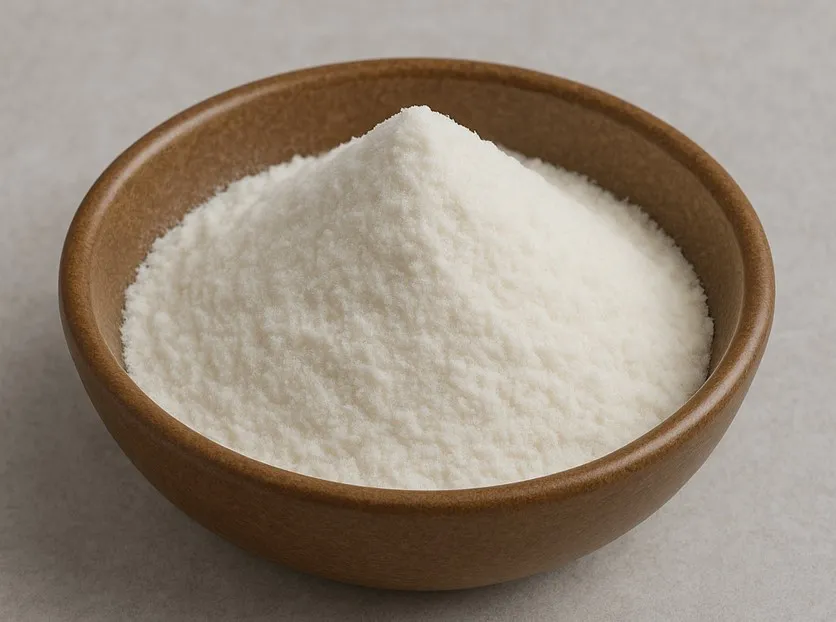
In modern industrial production, ensuring product stability, consistent texture, and long-term reliability is crucial for success. When you are sourcing a Stabilizer HPMC E464 Exporter, the decision you make directly impacts your production efficiency, product quality, and ultimately, customer satisfaction. For factories across the food, pharmaceutical, and construction sectors, partnering with a reliable exporter like MT Royal can mean the difference between predictable, profitable operations and frequent batch inconsistencies.
We at MT Royal have collaborated with multiple industrial plants, witnessing firsthand how access to high-quality hydroxypropyl methylcellulose (HPMC) E464 stabilizers improves production reliability and reduces waste. This guide will provide a comprehensive overview of HPMC E464, its applications, industrial best practices, and critical considerations for selecting the right exporter to meet your operational needs.
What is HPMC E464?
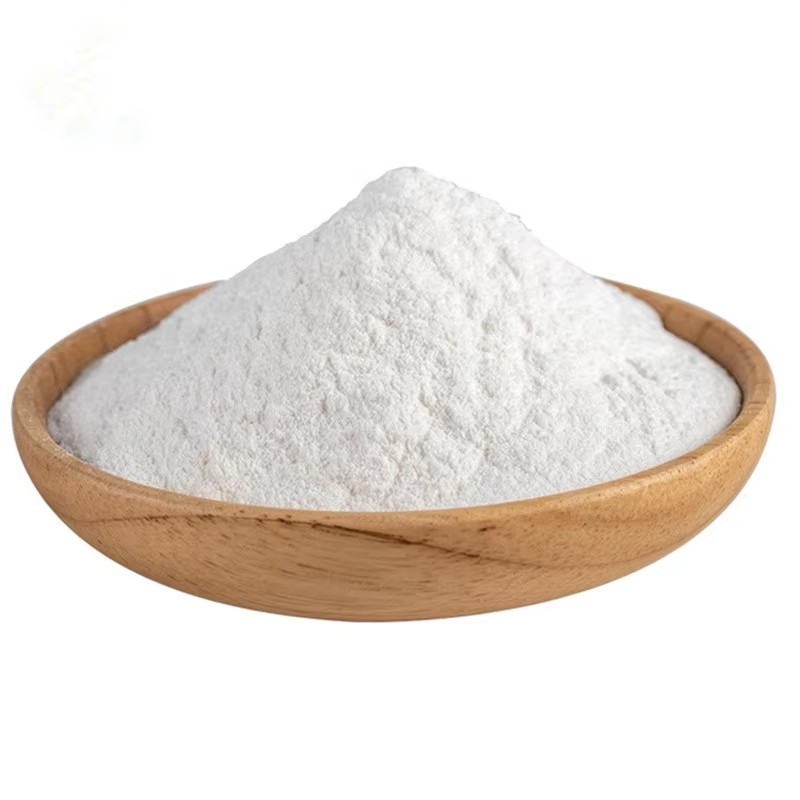
Hydroxypropyl methylcellulose (HPMC), coded E464, is a cellulose derivative widely used as a stabilizer, thickener, binder, and film-forming agent across industries. Its properties make it indispensable in both small-scale laboratory trials and large-scale industrial production:
- Water solubility: HPMC dissolves easily in cold water, allowing flexible formulation.
- Thermoreversible gelation: Forms gels upon heating and reverses upon cooling, enabling precise control over viscosity and texture.
- Non-ionic character: Compatible with diverse formulations, including acidic, basic, and ionic solutions.
- Film formation: Useful in coatings, encapsulations, and controlled-release applications.
HPMC E464 ensures uniform product quality, minimizes phase separation, and extends shelf life. For manufacturers handling large batches, these features translate to reduced wastage, fewer quality control issues, and a smoother production cycle.
Key Industrial Applications of HPMC E464
1. Food Industry
HPMC E464 is extensively utilized in the food sector, particularly for improving texture, moisture retention, and shelf life:
- Bakery Products: Acts as a moisture retainer and texture stabilizer for cakes, breads, and pastries.
- Meat and Plant-Based Products: Provides binding properties and consistency for sausages, patties, and vegan alternatives.
- Dairy and Beverages: Prevents sedimentation in beverages and stabilizes dairy emulsions for improved mouthfeel.
Industrial Tip: Selecting the appropriate viscosity grade is crucial. High-viscosity HPMC is ideal for dough or plant-based protein products, whereas low-viscosity grades suit beverages and sauces.
2. Pharmaceutical Industry
- Tablet Formulations: HPMC serves as a binder and controlled-release agent, ensuring consistent disintegration and active ingredient release.
- Capsule Coatings: Provides uniform, protective coatings with excellent film integrity.
- Suspension Stabilizers: Keeps active ingredients evenly dispersed in liquid formulations.
Industrial Tip: Ensure your HPMC supplier provides pharmaceutical-grade material certified under USP, EP, or equivalent standards. This ensures regulatory compliance and consistent batch-to-batch performance.
3. Construction and Industrial Materials
- Adhesives and Paints: Improves viscosity control, spreadability, and stability.
- Cement and Mortar Additives: Enhances workability, adhesion, and water retention for superior construction performance.
Industrial Tip: Environmental conditions, such as temperature and humidity, significantly impact HPMC performance in large-scale mixes. Partnering with an experienced exporter ensures guidance on best storage and handling practices.
Common Mistakes in Industrial Procurement
Even seasoned production managers often make costly mistakes when sourcing HPMC:
- Focusing solely on price: Low-cost suppliers may compromise quality, leading to batch inconsistencies.
- Overlooking viscosity grade specifications: Different substitution levels and molecular weights can drastically alter gel formation and viscosity behavior.
- Improper storage conditions: HPMC is sensitive to humidity and temperature; incorrect storage can cause clumping and performance loss.
- Neglecting scalability: Lab-scale success does not always translate to large industrial mixers. Shear rates, mixing duration, and temperature profiles must be carefully managed.
We at MT Royal have guided numerous factories through these challenges, emphasizing the importance of selecting an HPMC E464 exporter who combines product quality with technical expertise.
Industrial Best Practices for Using HPMC E464
Hydration and Mixing
Proper hydration is critical for optimal performance:
- Dissolve HPMC slowly in cold water while stirring to avoid lumps.
- Use low to moderate shear mixing to achieve uniform dispersion without breaking polymer chains.
- Gradually increase temperature for thermogelation where required, observing viscosity targets.
Scaling Up Production
Transitioning from laboratory to full-scale production introduces new variables:
- Mixer type: High-shear mixers may degrade polymer chains, whereas low-shear mixers may not achieve full hydration.
- Water quality: Hard water or high ionic content can alter viscosity; pre-treatment may be necessary.
- Temperature monitoring: Maintaining precise temperature profiles ensures desired gelation and product consistency.
Storage and Handling
- Keep HPMC in cool, dry storage to prevent moisture uptake.
- Avoid prolonged exposure to heat or direct sunlight.
- Use airtight containers for long-term storage.
By following these guidelines and working with an experienced exporter like MT Royal, manufacturers can prevent common pitfalls and maintain predictable production outcomes.
Comparing HPMC E464 with Other Stabilizers
HPMC E464 is often compared to other cellulose derivatives and stabilizers:
| Property | HPMC E464 | Methylcellulose E461 | Xanthan Gum | Guar Gum |
|---|---|---|---|---|
| Thermogelation | Yes | Yes | No | No |
| pH Stability | Broad | Broad | Narrow | Narrow |
| Compatibility | High | High | Moderate | Moderate |
| Film-Forming Ability | Excellent | Moderate | Poor | Poor |
| Industrial Scalability | High | High | Moderate | Moderate |
This table illustrates why HPMC E464 remains a preferred choice for large-scale industrial operations requiring stability, thermal control, and film-forming capability.
Frequently Asked Questions by Industrial Managers
Q1: How do I select the correct viscosity grade?
Answer: Match the viscosity and substitution level to your product’s functional requirements. Consult technical datasheets from reliable exporters like MT Royal.
Q2: Can HPMC E464 replace other stabilizers in my formulation?
Answer: Often yes, but testing is essential to ensure compatibility with other ingredients and to maintain texture, gelation, and stability.
Q3: How should HPMC E464 be stored for maximum shelf life?
Answer: Keep in a dry, cool environment in sealed containers. Avoid moisture and heat exposure to prevent clumping.
Q4: What are common scaling challenges?
Answer: Shear rate, water quality, and temperature variations can affect viscosity. Addressing these early ensures consistent batch quality.
Advantages of Partnering with MT Royal
Selecting MT Royal as your HPMC E464 Exporter offers significant operational benefits:
- Consistency and Reliability: Each shipment meets strict industrial standards and regulatory compliance.
- Technical Guidance: We advise on viscosity selection, hydration methods, and large-scale mixing to optimize results.
- Competitive Pricing: Our supply chain ensures cost-effective access to high-quality HPMC without compromising standards.
- Industrial Expertise: Supporting diverse industries—from food production to construction materials—enables us to provide practical, experience-based recommendations.
We have seen how consistent supply and technical expertise reduce waste, improve production efficiency, and enhance product quality—benefits that extend beyond material purchase to long-term operational success.
Integrating HPMC E464 for Industrial Excellence
For manufacturers, sourcing HPMC E464 is a strategic decision that affects every stage of production:
- Minimizes batch-to-batch variation.
- Ensures consistent product quality and stability.
- Improves operational efficiency and reduces downtime.
- Supports compliance with industrial and regulatory standards.
By working with a trusted exporter like MT Royal, you gain not just a supplier but a partner in achieving operational reliability, production scalability, and product excellence.
The investment in high-quality HPMC E464 goes beyond raw material costs; it ensures your production processes run predictably, reduces costly errors, and guarantees end-product satisfaction.



No comment