

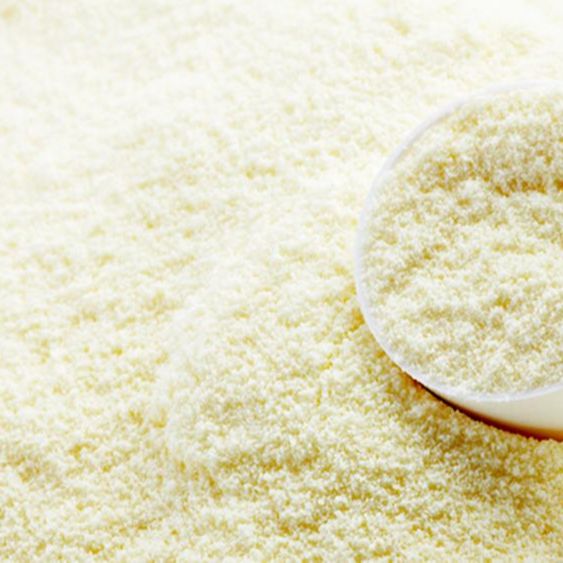
In today’s competitive food and beverage industry, every ingredient counts. When it comes to high-quality protein formulations, Stabilizer Whey Protein Concentrate (WPC) Exporter plays a pivotal role in ensuring consistency, performance, and efficiency across production lines. For manufacturers looking to maintain superior product stability while optimizing costs, sourcing WPC from a trusted exporter is more than a transaction—it is a strategic investment. At MT Royal, we have partnered with numerous factories to provide premium WPC solutions at competitive prices, helping brands enhance product quality and operational efficiency.
This article serves as a comprehensive guide for production managers, procurement specialists, and R&D teams, offering deep insights into the industrial applications, sourcing strategies, technical considerations, and market trends for Stabilizer Whey Protein Concentrate.
Whey protein concentrate (WPC) is a high-protein ingredient derived from whey, a byproduct of cheese production. Depending on the concentration level, WPC typically contains 30–80% protein along with lactose, minerals, and bioactive compounds. It is widely used in the food and beverage industry for its functional properties, nutritional value, and ability to improve texture and stability.
In industrial production, a stabilizer is a component that helps maintain the structure, consistency, and shelf-life of a product. Stabilizer WPC is specifically formulated to enhance emulsification, water retention, and gel formation in food systems. It ensures that your final product maintains its texture and appearance during processing, storage, and distribution.
Bulk sourcing from a reliable WPC exporter guarantees not only high volume but also consistent quality across multiple shipments. This is critical for manufacturers who produce at scale and cannot afford variations that disrupt production schedules or product quality. At MT Royal, we prioritize supplier reliability, traceable sourcing, and adherence to international quality standards to meet the needs of our industrial clients.
Industrial Applications of Stabilizer Whey Protein Concentrate
Food and Beverage Industry
Stabilizer WPC finds extensive applications across various sectors:
- Dairy Products: Yogurts, cheeses, and beverages benefit from enhanced texture, viscosity, and protein content.
- Bakery Applications: WPC improves dough structure, moisture retention, and shelf-life of baked goods.
- Protein Drinks: Whey protein beverages rely on WPC for suspension stability, preventing sedimentation and phase separation.
- Confectionery: In chocolates and protein bars, WPC acts as a binder and texture enhancer.
Nutraceutical and Sports Nutrition Products
The high protein content and bioactive peptides in WPC make it ideal for protein powders, meal replacements, and functional beverages targeted at fitness enthusiasts or health-conscious consumers.
Non-Food Industrial Applications
While less common, WPC can also function as a stabilizer or binding agent in specialized non-food products, including bio-based adhesives and certain pharmaceutical formulations.
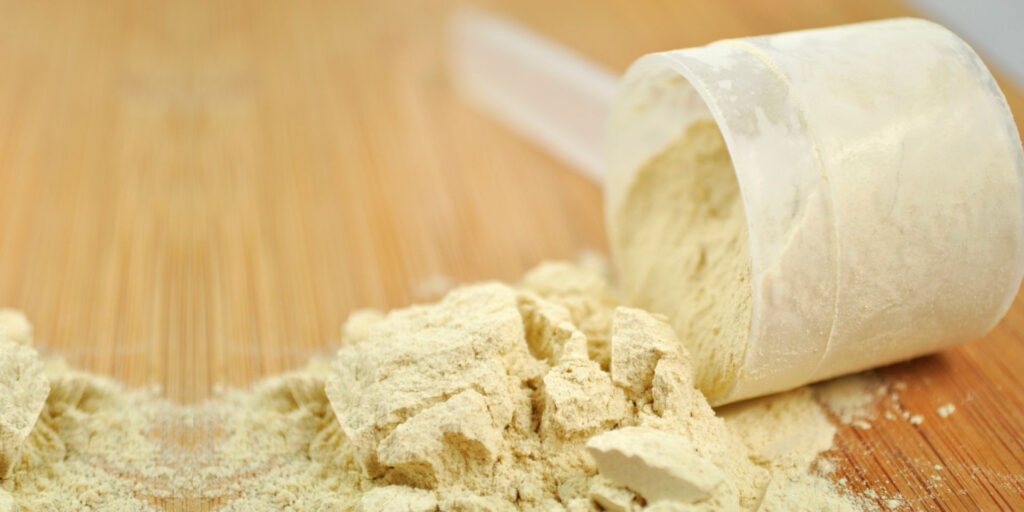
Why Stabilizer Whey Protein Concentrate Is Critical for Manufacturers
Ensuring Batch-to-Batch Consistency
In industrial-scale production, even minor deviations in ingredient quality can have amplified effects on final product performance. Using a stabilized WPC ensures consistent texture, solubility, and emulsifying properties across all batches.
Reducing Production Waste and Costs
Inconsistent protein sources can lead to product defects, line stoppages, and increased rework costs. A reliable WPC exporter reduces these risks, providing predictable ingredient performance and helping maintain optimal production efficiency.
Enhancing Product Functionality
WPC contributes to water-binding, foaming, and gelation in a variety of formulations. Manufacturers can leverage these properties to develop innovative textures, improve mouthfeel, and optimize nutritional content without relying on synthetic additives.
Common Mistakes in Industrial WPC Sourcing
Focusing Solely on Price
Selecting WPC based only on cost may result in subpar functional performance. Suppliers offering lower prices might compromise on protein concentration, solubility, or stabilization properties, leading to production challenges.
Ignoring Critical Specifications
Parameters such as solubility, protein concentration, emulsifying capacity, particle size, and microbial safety are crucial. Overlooking these specifications can compromise product quality and shelf-life.
Neglecting Supply Chain Reliability
Even high-quality WPC is ineffective if supply is inconsistent. Frequent changes in source, grade, or shipment quality can disrupt production schedules and create operational risks. This highlights the importance of partnering with a dependable exporter like MT Royal.
Comparison with Other Protein Stabilizers
Whey Protein vs. Soy Protein Isolate
While soy protein isolate is also a popular stabilizer, whey protein offers unique advantages in terms of solubility, digestibility, and bioactive peptide content. WPC provides superior texture and emulsification in dairy-based or protein-rich beverages.
Whey Protein vs. Casein and Hydrocolloids
Casein and hydrocolloids primarily affect viscosity and gelation but lack the nutritional and functional versatility of WPC. Incorporating WPC allows manufacturers to enhance both product stability and protein content simultaneously.
Combining WPC with Other Stabilizers
Many industrial formulations use WPC in combination with hydrocolloids or plant-based proteins to achieve targeted texture, stability, and nutritional profiles. The key lies in balancing ingredient ratios according to product requirements.
Industrial Considerations for Large-Scale Production
Hydration and Mixing
Proper hydration of WPC is critical. Rapid addition to water without controlled mixing can lead to clumping and uneven dispersion. Using appropriate mixing equipment and controlled hydration processes ensures optimal performance.
Temperature and pH Sensitivity
Whey proteins are sensitive to heat and pH fluctuations. Processing near the isoelectric point can reduce solubility and affect emulsification. Understanding these properties allows manufacturers to optimize processing conditions and product stability.
Integration with Existing Production Lines
Every production line has unique characteristics—mixing speed, equipment type, and processing time. At MT Royal, we advise clients to conduct pilot tests before large-scale implementation to ensure seamless integration of WPC into their production systems.
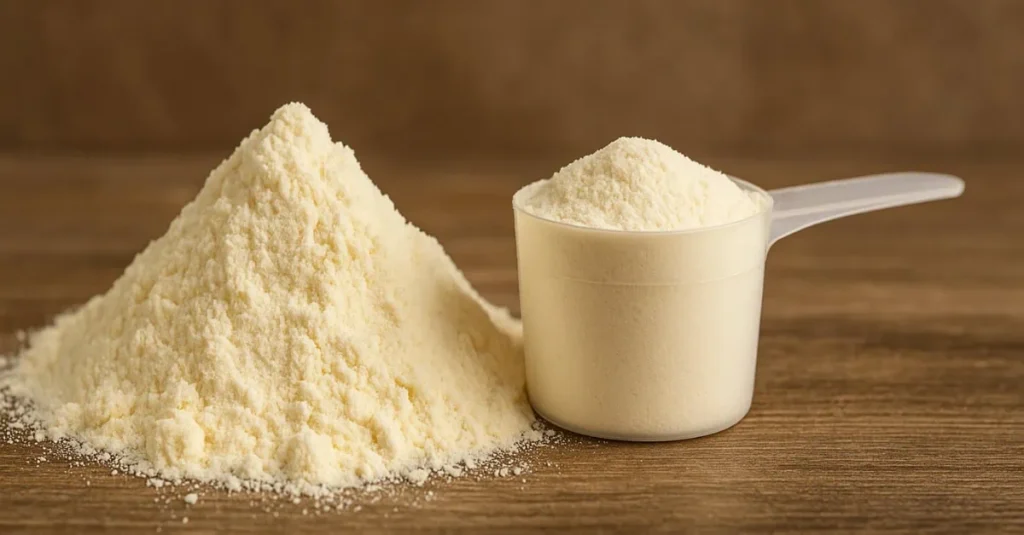
Market Trends for Stabilizer Whey Protein Concentrate Exporters
Growing Demand for Protein-Enriched Products
Global demand for protein-enriched foods and beverages continues to rise, driven by health-conscious consumers and sports nutrition markets. Manufacturers investing in high-quality WPC today position themselves for long-term market success.
Focus on Traceability and Quality Assurance
Customers increasingly prioritize supply chain transparency and ingredient traceability. Reliable exporters ensure consistent protein concentration, functional properties, and adherence to international safety standards.
Cost Optimization and Formulation Efficiency
Rising energy and logistics costs are pushing manufacturers to optimize formulations. Selecting a high-performance WPC allows companies to reduce ingredient usage without compromising product quality, balancing cost and functionality effectively.
Frequently Asked Questions from Production Managers and Procurement Teams
Are all WPC grades suitable for stabilization purposes?
No. Different WPC grades are designed for various applications. For stabilization, solubility, emulsification, and protein concentration are critical.
Is bulk purchasing more cost-effective?
Typically yes, provided that consumption is consistent and inventory management is in place. Bulk purchasing without proper planning can introduce storage and quality risks.
How to ensure batch-to-batch consistency?
Partnering with experienced exporters like MT Royal, who implement rigorous quality control, is key to ensuring consistent ingredient performance across shipments.
Does WPC affect product flavor?
High-quality WPC is largely neutral in flavor. Proper grade selection and formulation adjustments prevent any undesired taste impact.
MT Royal: Your Trusted Stabilizer Whey Protein Concentrate Exporter
In a competitive raw materials market, finding a supplier who understands both the industrial needs and quality expectations is vital. MT Royal provides Stabilizer WPC from reputable brands, ensuring competitive pricing and consistent performance.
We have observed firsthand how tailored support and industrial insight make a tangible difference in production outcomes. Our approach extends beyond supplying raw materials; we aim to guide manufacturers in selecting the right WPC to match their product goals and operational requirements.
Strategic Impact on Your Production
Choosing a Stabilizer Whey Protein Concentrate Exporter is far more than a routine procurement decision—it represents a deliberate strategic move that can profoundly influence the overall performance and competitiveness of your production operations. At an industrial scale, every ingredient matters, not only for the immediate functionality it provides but also for the long-term consistency, efficiency, and cost-effectiveness of your manufacturing processes. High-quality WPC contributes to uniform texture, stable emulsification, and reliable shelf-life, which in turn reduces rework, minimizes product waste, and ensures customer satisfaction.
Manufacturers who invest in sourcing premium WPC today are effectively future-proofing their operations. They are better equipped to respond to rapidly evolving consumer preferences, particularly the growing demand for high-protein, nutritionally optimized, and plant-friendly products. Moreover, integrating a trusted stabilizer like WPC into your production line allows for greater flexibility in product development, enabling you to innovate with new formulations, textures, and functional benefits while maintaining consistent quality across batches.
Beyond technical performance, partnering with a reliable exporter fosters a level of operational security that is often underestimated. Consistent supply, traceable quality, and technical support from an experienced exporter, such as MT Royal, help manufacturers avoid disruptions that could otherwise impact production timelines and profitability. In essence, WPC is not just an ingredient; it is a foundational building block that supports sustainable, scalable, and innovative production. By carefully selecting and thoughtfully integrating WPC into your processes, you ensure that your factory operates efficiently today while positioning it to lead the market tomorrow.


No comment